Saved Bookmarks
| 1. |
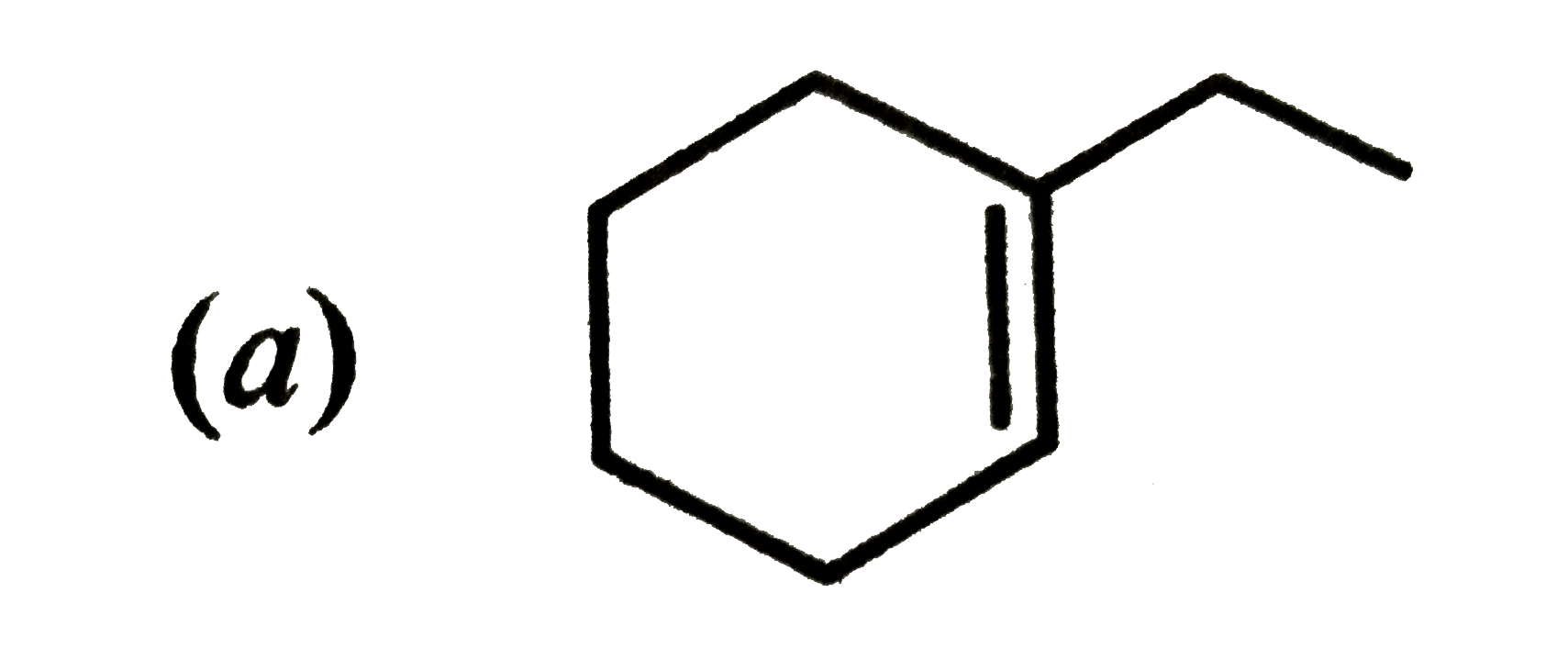
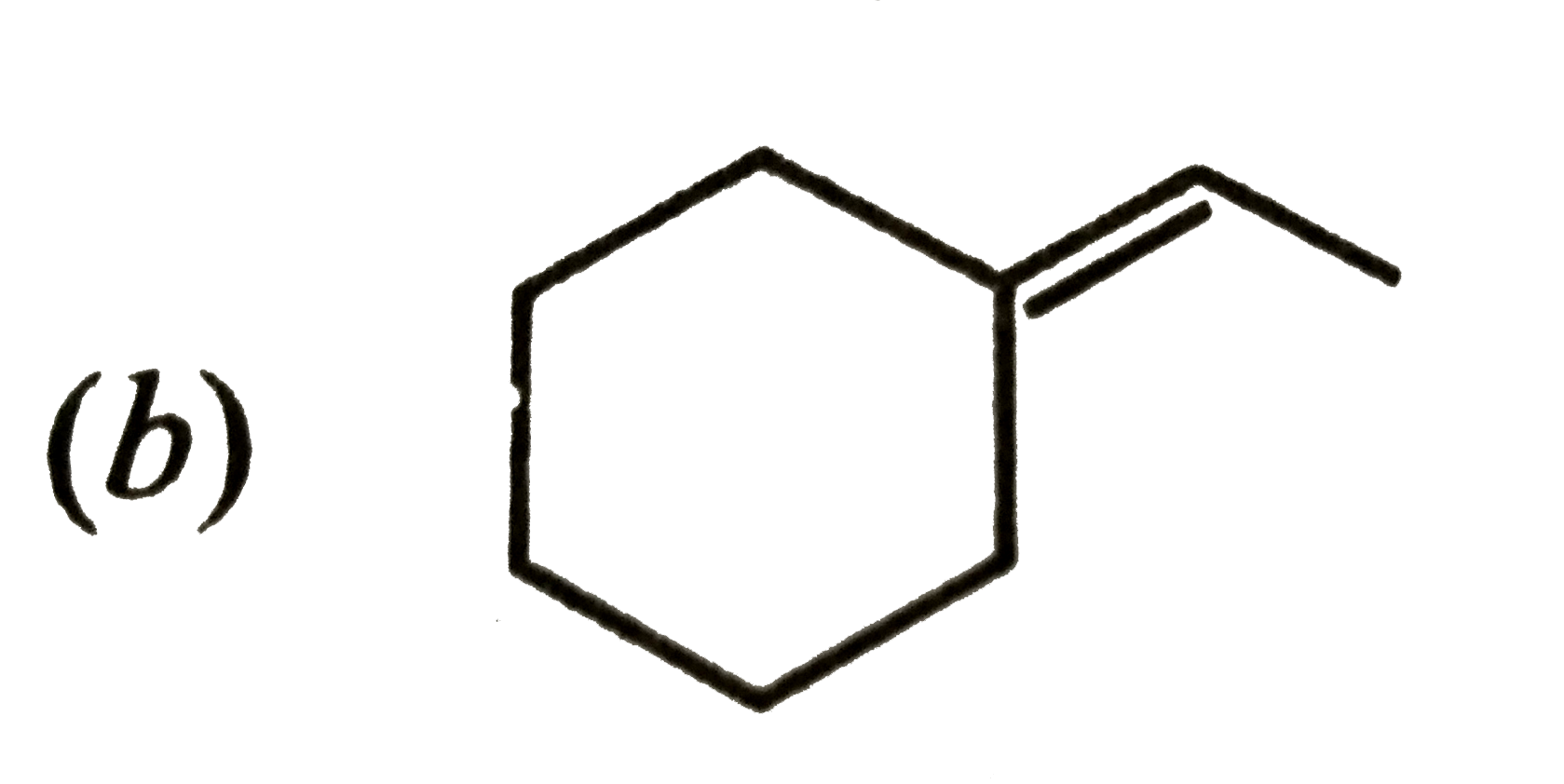
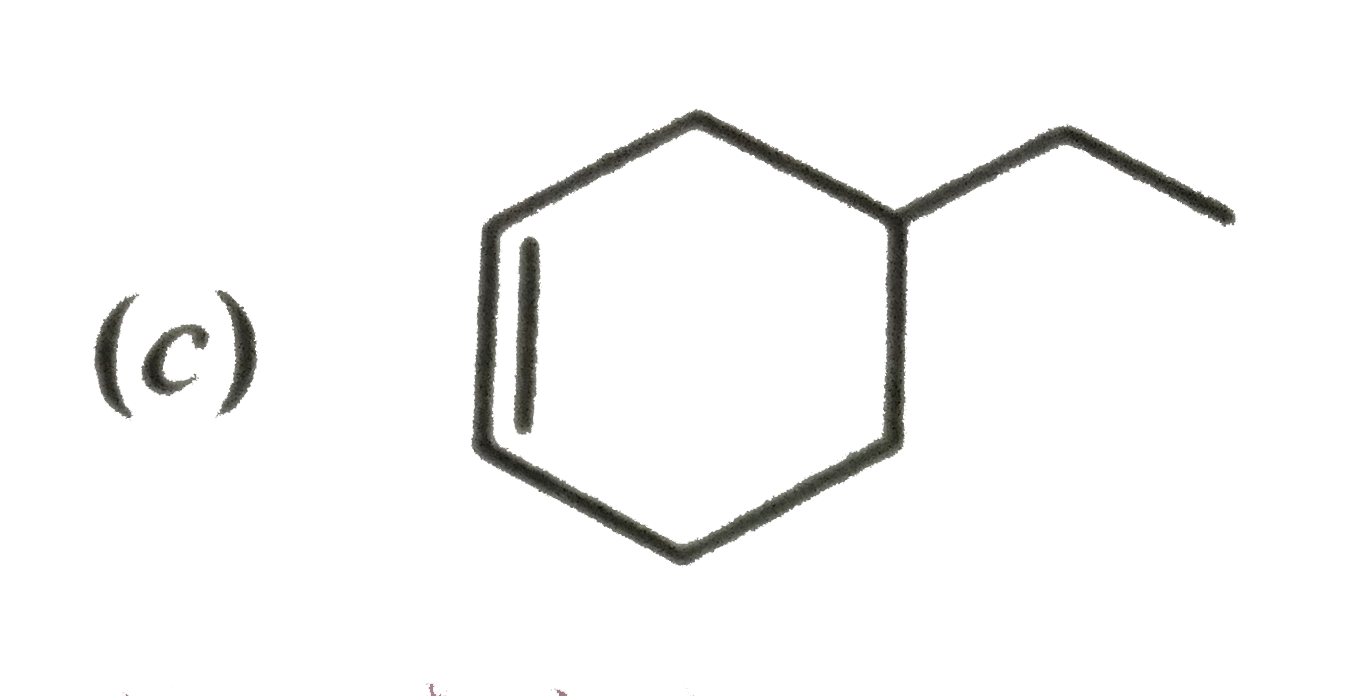
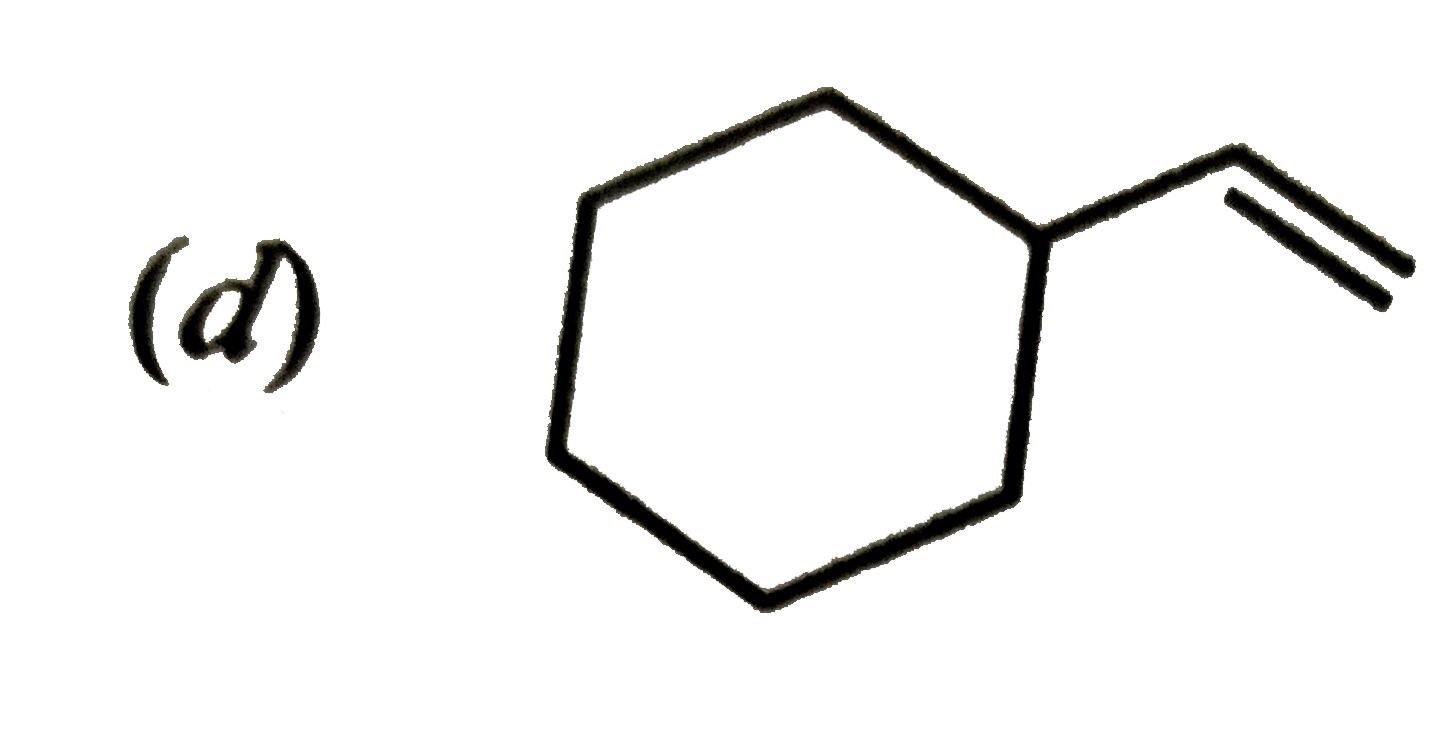
Catalytic hydrogenation involves addition of hydrogen to a gt C = Clt or -C -= C- bond in presence of a metal catalyst such as Ni, Pt, Pd, etc. These are called heterogeneous catalysts. Both H_2 and alkene/alkyne get adsorbed on the surface of the metal , and syn-addition of hydrogen atoms takes place. The relative rates of hydrogenation follows the order: -C-=C- gt gt C=C lt gt C=o lt C_6H_6 If sodium or lithium in liquid ammonia is used, anti-addition of H-atoms occurs across -C-=C-bond. These reducing agents can also be used to reduce double bonds of benzene rings and conjugated dienes but not of isolated dienes. The catalytic hydrogenation of which of the following alkenes is most exothermic ? |
|
Answer»
`therefore` Theoretical enthalpy of hydrogenation of benzene should be `=3xx-199.5=-358.5 KJ mol^(-1)` SINCE the resonance ENERGY of benzene =`150.4 KJ mol^(-1)` `therefore` Actual enthalpy of hydrogenation of benzene =`-358.5-(-150.4)=-208.1 kJ mol^(-1)` |
|