

Saved Bookmarks
| 1. |
Derive the structure of (i) 2-chlorohexane, (ii) pent-4-en-2-ol(iii) 3-nitro-cyclohexene, (iv) cyclohex-2-en-1-ol, (v) 6-hydroxyheptanal. |
|
Answer» Solution :(i) Step 1. The word root 'hex' indicates the presence of six carbon. Atoms in the chain and the primary suffix 'ane' suggests that the chain is saturated. `C-C-C-C-C-C` Step 2. Number the carbon atoms of the chain as indicated`overset(1)(C)-overset(2)(C)-overset(3)(C)-overset(4)(C)-overset(5)(C)-overset(6)(C)` Step 3. The secondary prefix chloro and the numerical prefix 2 before it suggests that there is a chorine atom at position 2 as shown `{:(overset(1)(C)-overset(2)(C)-overset(3)(C)-overset(4)(C)-overset(5)(C)-overset(6)(C)),("|"),(""Cl):}` Step 4. Satisfy the TETRACOVALENCY of each carbon with required number of HYDROGEN atoms. Thus, the structural formula of 2-chlorohexane is `{:(CH_(3)-CH-CH_(2)-CH_(2)-CH_(2)-CH_(2)),("|"),(""Cl):}` (ii) Step 1. The word root 'pent' indicates that the longest carbon chain contains five carbon atoms.C-C-C-C-C Step 2. Number the carbon chain as indicated.`overset(1)(C)-overset(2)(C)-overset(3)(C)-overset(4)(C)-overset(5)(C)` Step 3. The secondary suffix-ol and the numerical prefix 2 before it suggests that there is a hydroxyl group at position 2. Therefore, fix a hydroxyl group at position 2 as shown `{:(overset(1)(C)-overset(2)(C)-overset(3)(C)-overset(4)(C)-overset(5)(C)),("|"),(""OH):}` Step 4. The primary suffix 'en' and the numerical prefix 4 before it suggests that there is a double bond at position 4. Therefore, put a double bond between positions 4 and 5 as shown. Step 5. Satisy the tetracovalency of each carbon with the required number of hydrogen atoms. Thus, the structural formula of pent-4-en-2-ol is `{:(overset(1)(C)H_(3)-overset(2)(C)H-overset(3)(C)H_(2)-overset(4)(C)H=overset(5)(C)H_(2)),("|"),(""OH):}` (iii) Step 1. The primary prefix 'cyclo' and the word root 'hex' means that the given compound contains a six-numbered ring. Therefore, DRAW a cyclohexane ring as shown : 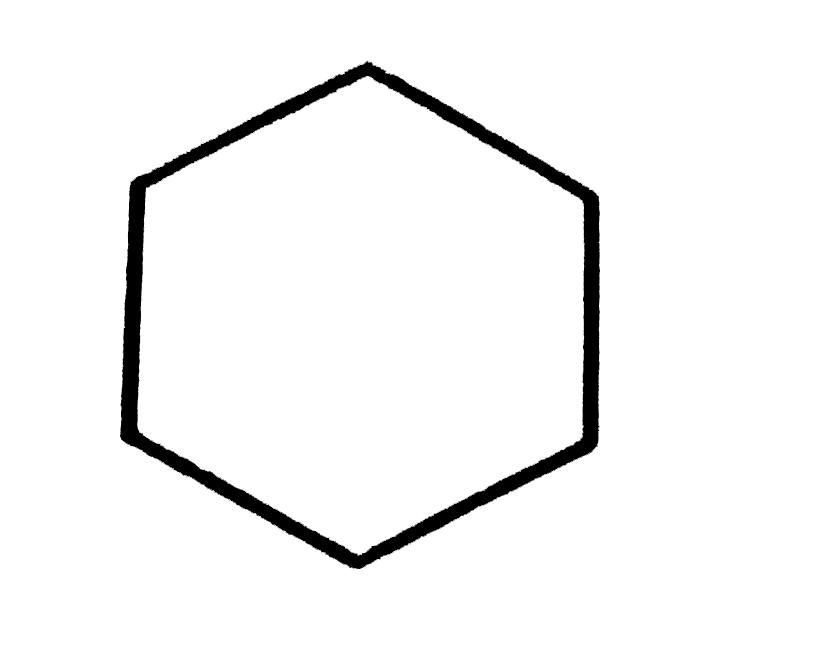 Step 2. Number the carbon atoms of the cyclohexane ring as indicated. 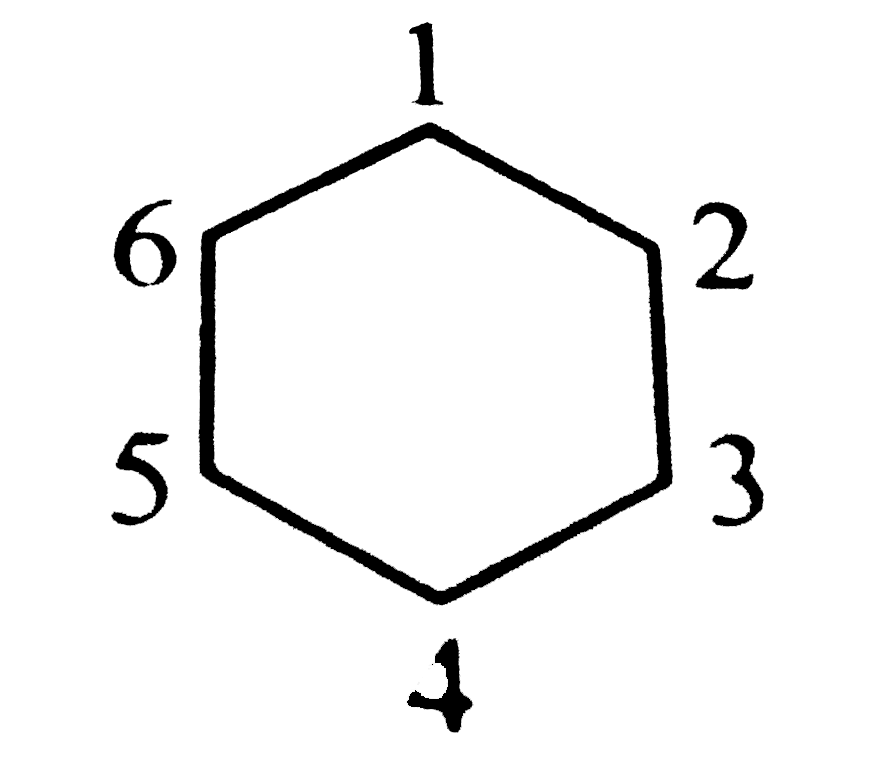 Step 3. The primary suffix 'en' without any numerical prefix indicates there is a double bond at position 1. Therefore, put a double bond between positions 1 and 2 as shown : 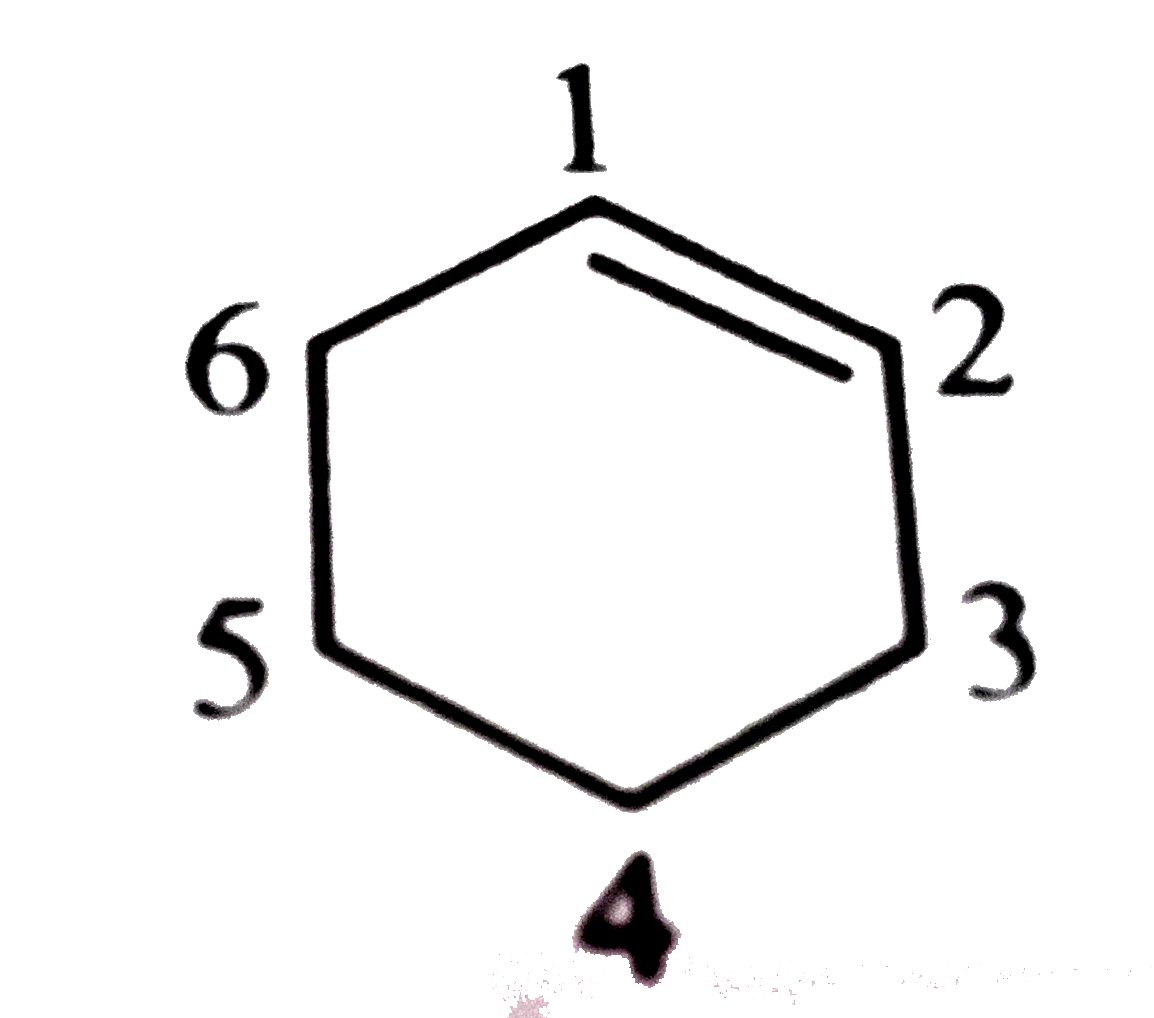 Step 4. The secondary prefix 'nitro' and the numerical prefix 3 before suggests that free is a nitro group at position 3. Therefore, place a nitro group at position 3. 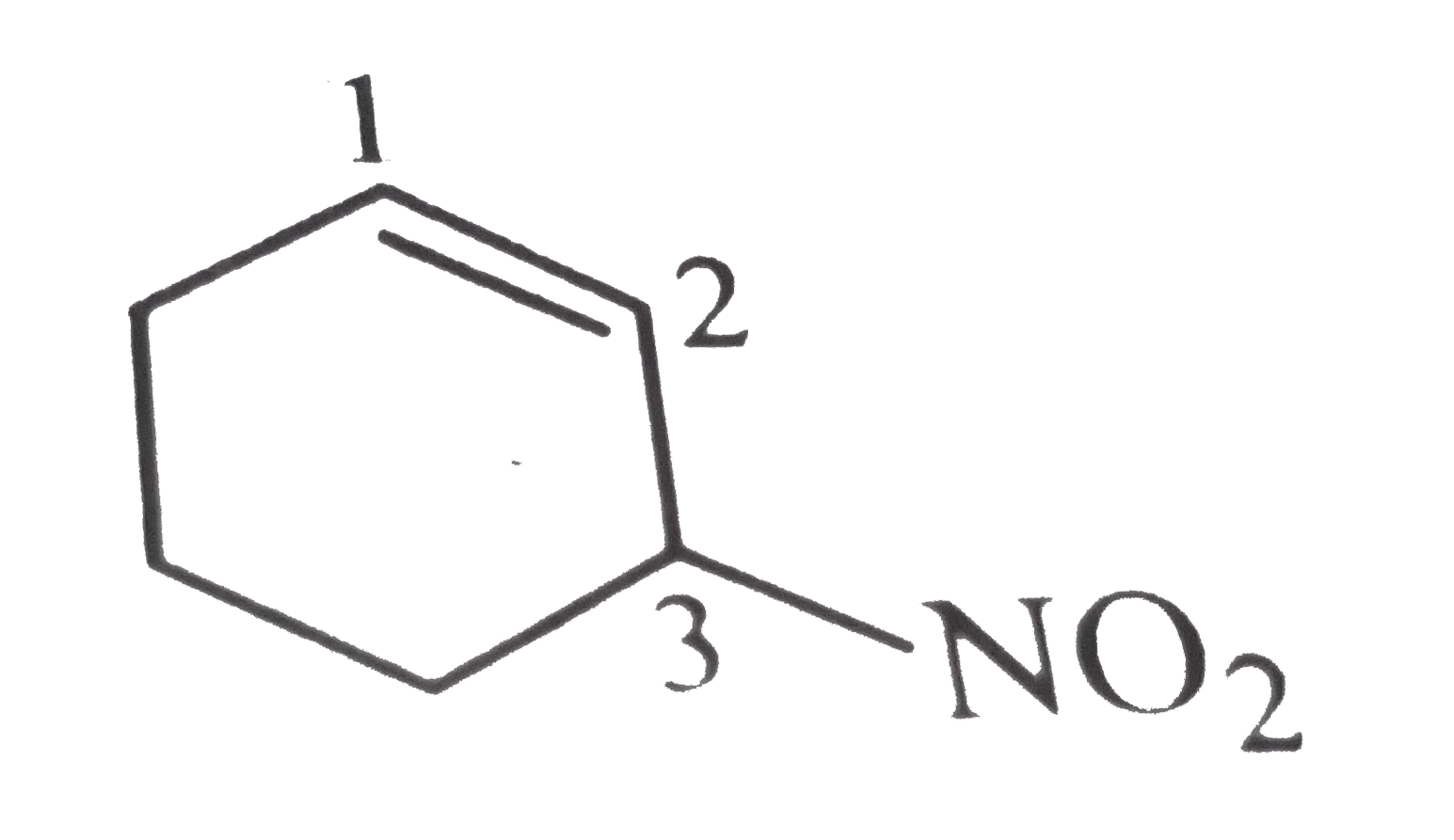 This represents complete structure of 3-nitrocyclohexene. (iv) Step 1. The primary suffix 'cyclo' and the word root hex means that the given compound contains a six-membered ring. Therefore, draw a cyclohexane ring 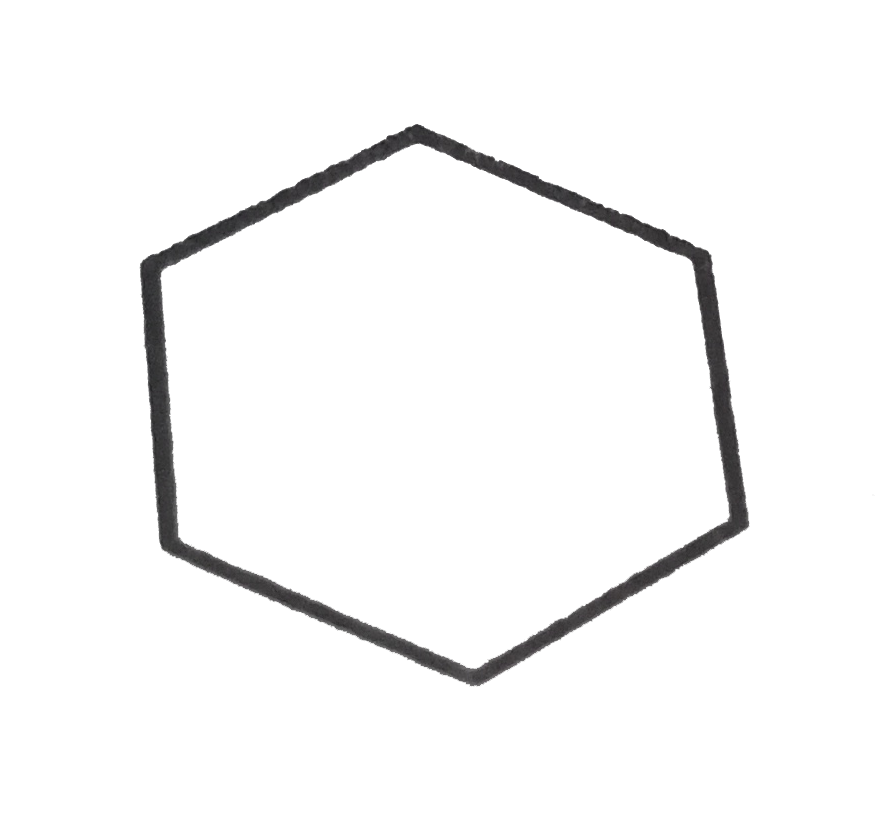 Step 2. Number the carbon atoms of the cyclohexane ring as indicated 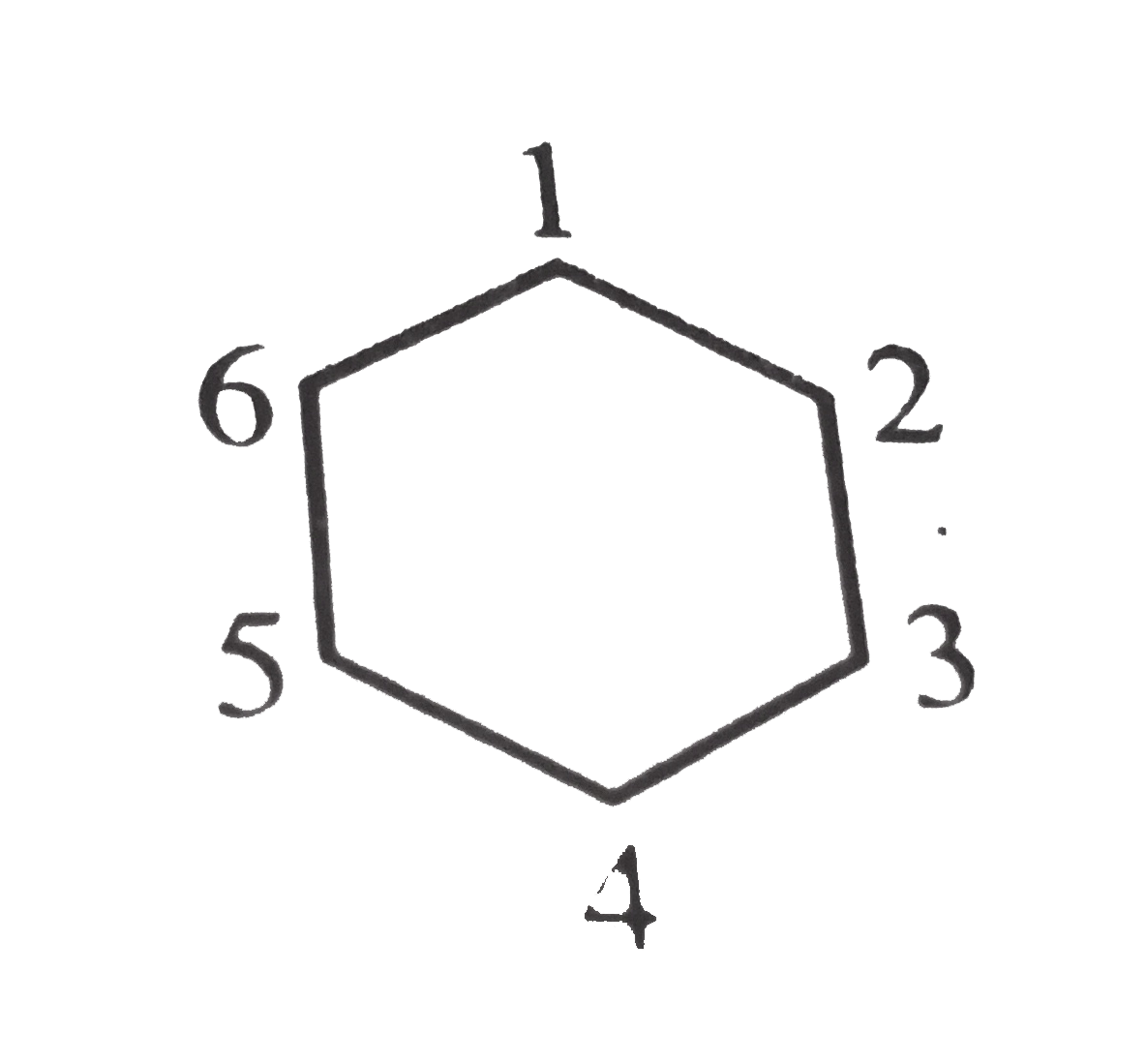 Step 3. The primary suffix 2-en and the secondary suffix 1-ol indicates that there is a double bond at position 2 and an OH group at position 1. Thus, the structure of the compound cyclohex-2-en-1-ol is 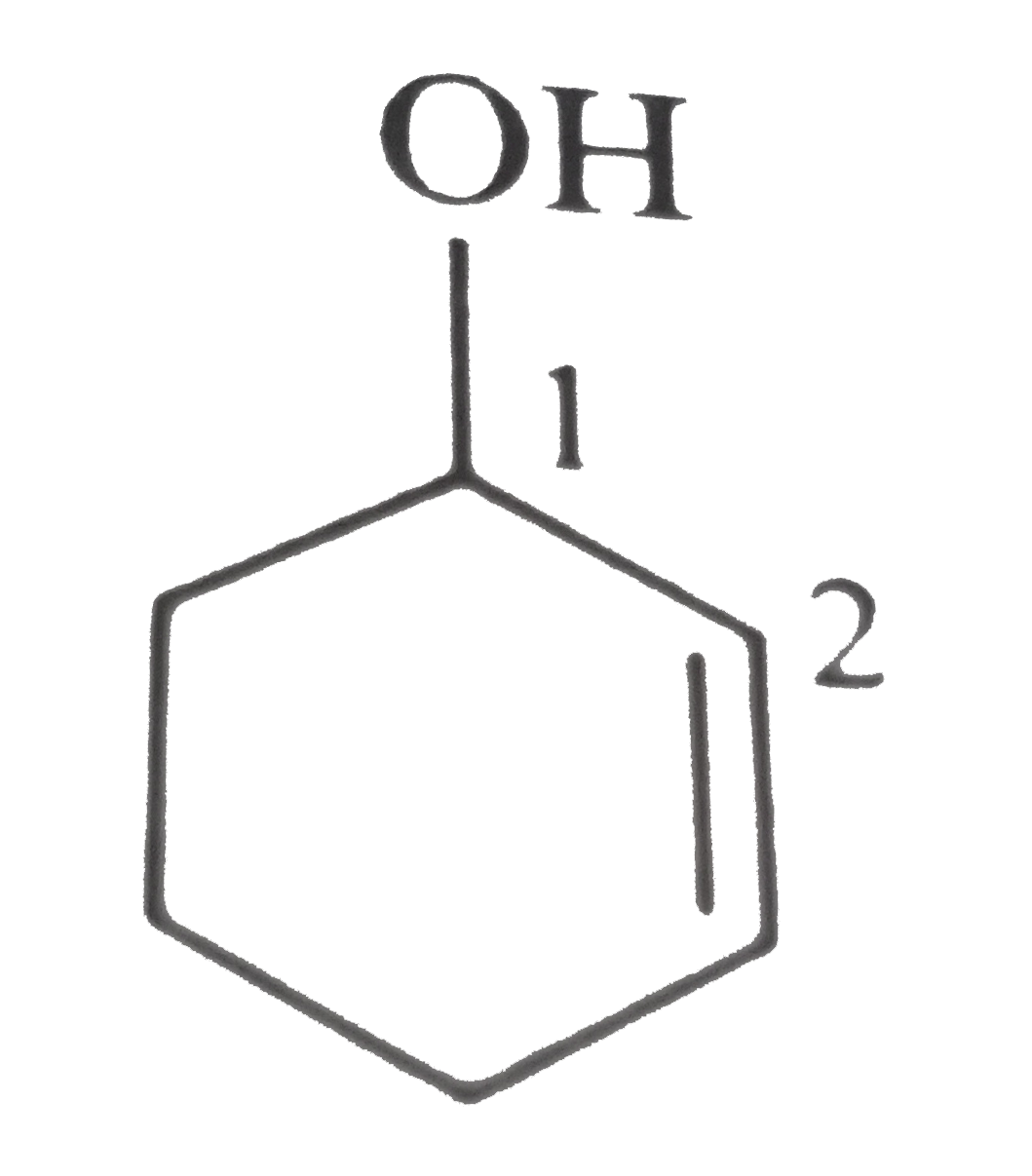 (v) Step 1. The name heptanal is made up of three parts, i.e., hepi (word root) + an (primary suffix) + al (secondary suffix). This means that the given compound is an aldehyde containing 7 carbon atoms including the carbon atom of aldehyde group. C-C-C-C-C-C-C Step 2. Number the carbon atoms of the carbon chain is follow.`overset(7)(C)-overset(6)(C)-overset(5)(C)-overset(4)(C)-overset(3)(C)-overset(2)(C)-overset(1)(C)` Step 3. Since aldehyde group is a chain terminating group, therefore, convert carbon at position 1 into aldehyde group as shown. `underset(7)(C)-underset(6)(C)-underset(5)(C)-underset(4)(C)-underset(3)(C)-underset(2)(C)-underset(1)overset(O)overset(||)(C)-H` Step 4. The secondary prefic hydroxy and the numerical prefix 6 before it indicates that there is an OH group at position 6 as shown. `{:(""OH""O),("|""||"),(underset(7)(C)-underset(6)(C)-underset(5)(C)-underset(3)(C)-underset(2)(C)-underset(1)(C)-H):}` Step 5. Satisfy the tetracovalency of each carbon with the required number of hydrogen atoms. Thus, the structural formula of 6-hydroxyheptanal is `{:(""OH""O),("|""||"),(CH_(3)-CH-CH_(2)-CH_(2)-CH_(2)-CH_(2)-C-H):}` |
|