

Saved Bookmarks
| 1. |
(i) State the trends in the variation of electronegativity in period and group. (ii) The electron gain enthalpy of chlorine is 348" kJ mol"^(-1). How much energy in kJ is released when 17.5 g of chlorine is completely converted into Cl^(-) ions in the gaseous state ? |
Answer» Solution :(i) Variation of electronegativity in a PERIOD : The electronegativity increases across a period from left to right. Since the atomic radius decreases in period, the attraction between the valence electron and the nucleus increases. Hence the tendency to attract shared pair of ELECTRONS increases. Therefore, electronegativety increases in a period. 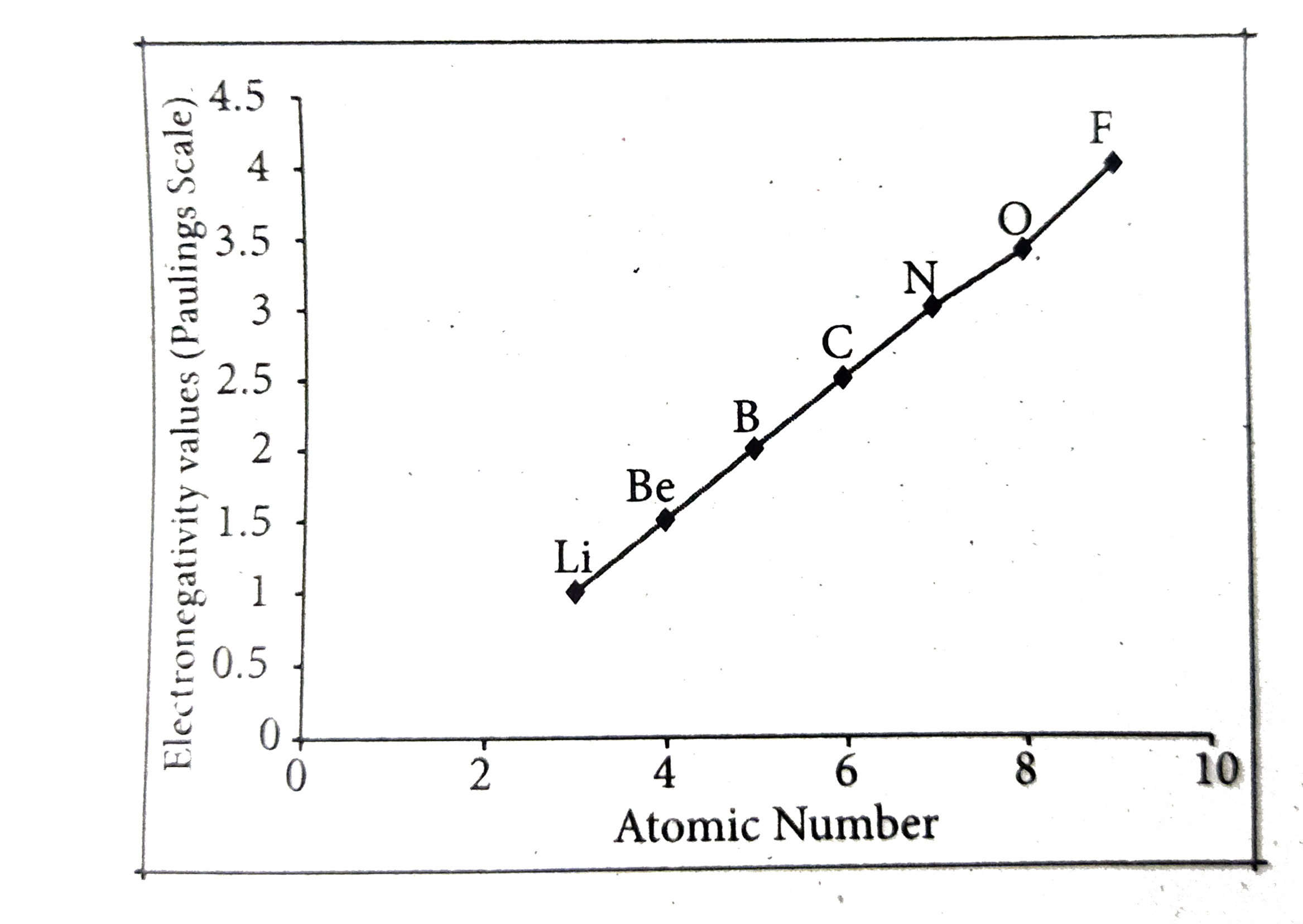 Variation of electronegativity in a group : The electronegativity decreases down FORCE on the valence electron decreases. Hence electronegativity decreases in a group. Variation of electronegativity in a group : The electronegativity decreases down FORCE on the valence electron decreases. Hence electronegativity decreases in a group. 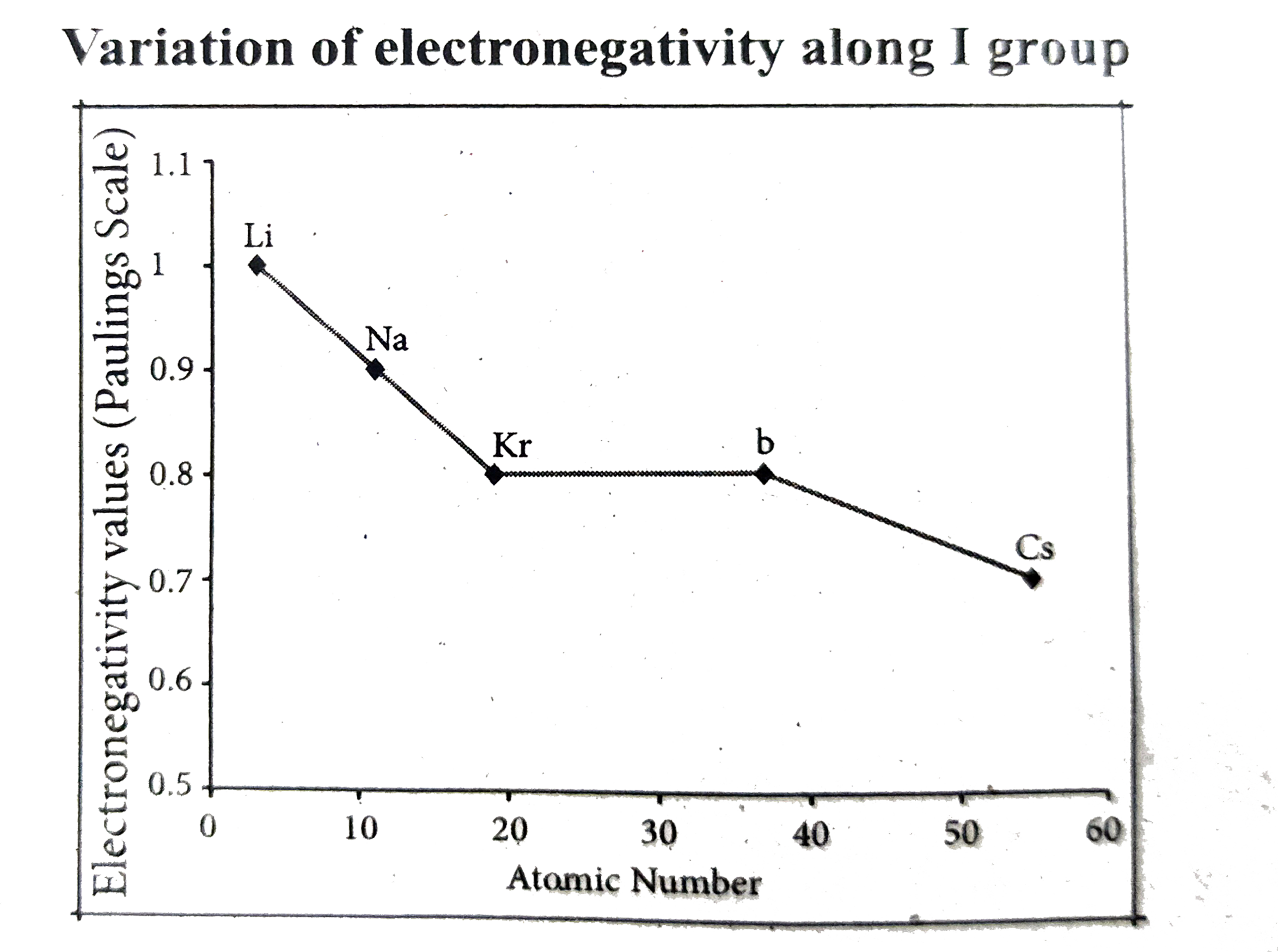 (II) `Cl(g)+e^(-)toCl^(-)(g)DeltaH=348" kJ mol"^(-1)` for ONE mole (35.5g) 348 kJ is released. `:.` For 17.5g chlorine `(348" kJ")/(35.5cancel(g))xx17.75cancel(g)` energy leased. `:.` The amount of energy released `=(348)/(2)=174kJ`. |
|