

Saved Bookmarks
| 1. |
(a) Define a wavefront. UsingHuygen'sprinciple, verify the laws of reflection at a plane surface . (b) In a singleslit diffraction experiment the wildth of the slit is made doublethe orignal width. Howdoes this affect the size and intensity of the central diffraction band ? Explain.(c) When a tiny circular obstaclein placedin thepath of lightfrom a distance source, a brightspot isseen at the centre of the obstacle . Explain why. |
|
Answer» Solution :(a) Wavefront: Awavefront is define as the continous locus of all such particleof the medium whichare vibratingin same phase at any instant. There are different type of wavefront. (i) Spherical wavefront(ii)Plane wavefront(iii) Cylinderical wavefront. `BC = BC` `/_ BAC = /_BDC = 90^(@)` `AC = BD` `DeltaABC = DetlaADC ` `i = r` (b)In diffraction, `d sin theta = lambda` `dtheta = lambda` `theta = lambda //d` LINEAR width of CENTRAL maximun : If D is thedistanceof the screen from thesingleslit then linear width of central maximum will be. `beta_(0) = D xx 2theta = (2Dlambda)/(d)` If we increase the size with 2d the `beta_(0) = (2Dlambda)/(2d)` `2BETA = beta_(0) ""beta = (beta_(0))/(2)` Intensity of central maximum becomes 4 times. (c) When tinycircular obstacleis placed in the path of light from a distance source a bright spot is seen at the centre. lightwhen passes from broder of circularobstacle is diffractstowards centre ofthe obstacle in centre part all diffracted wavefront meet. That is why centre becomes bright. 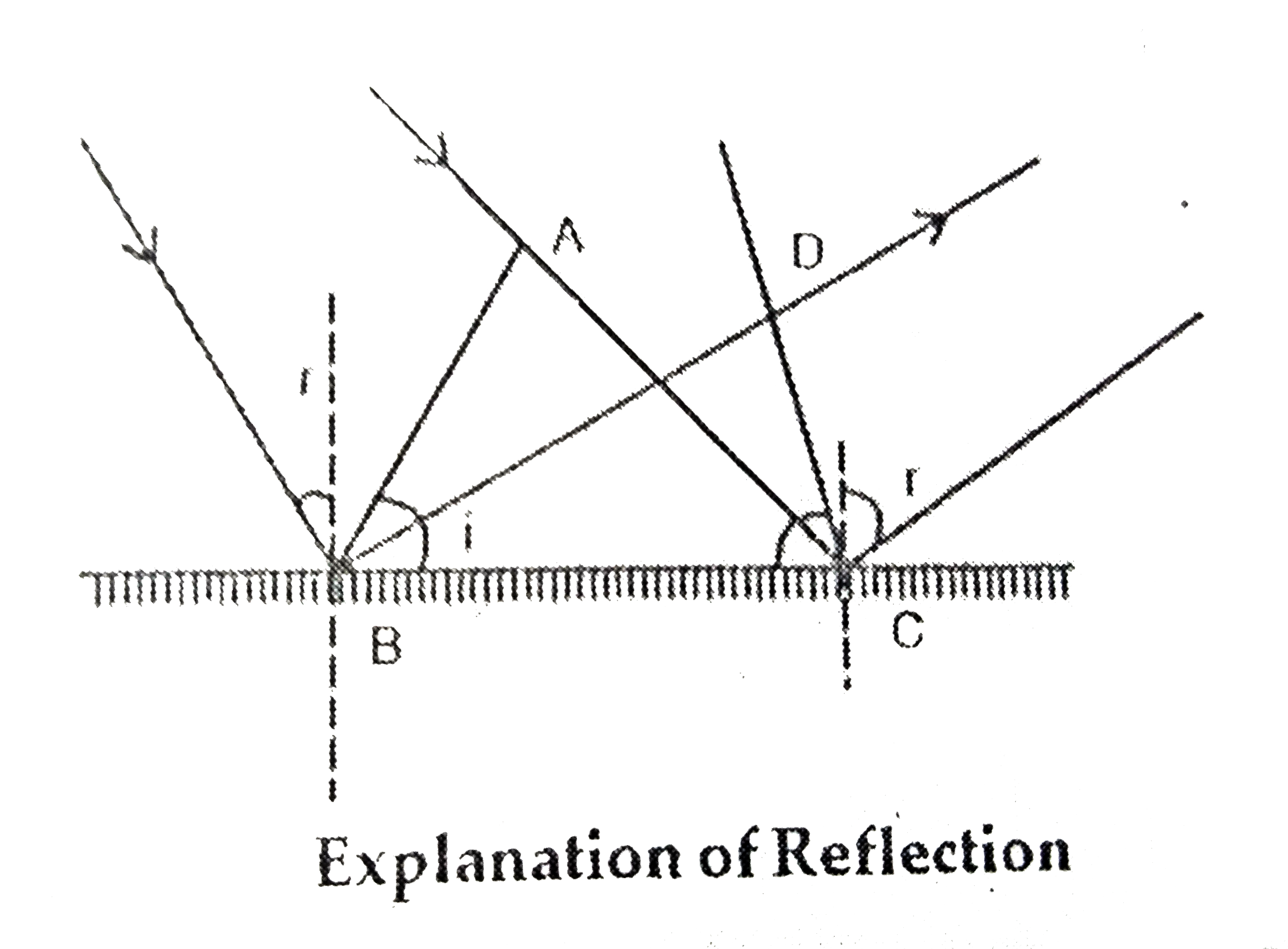 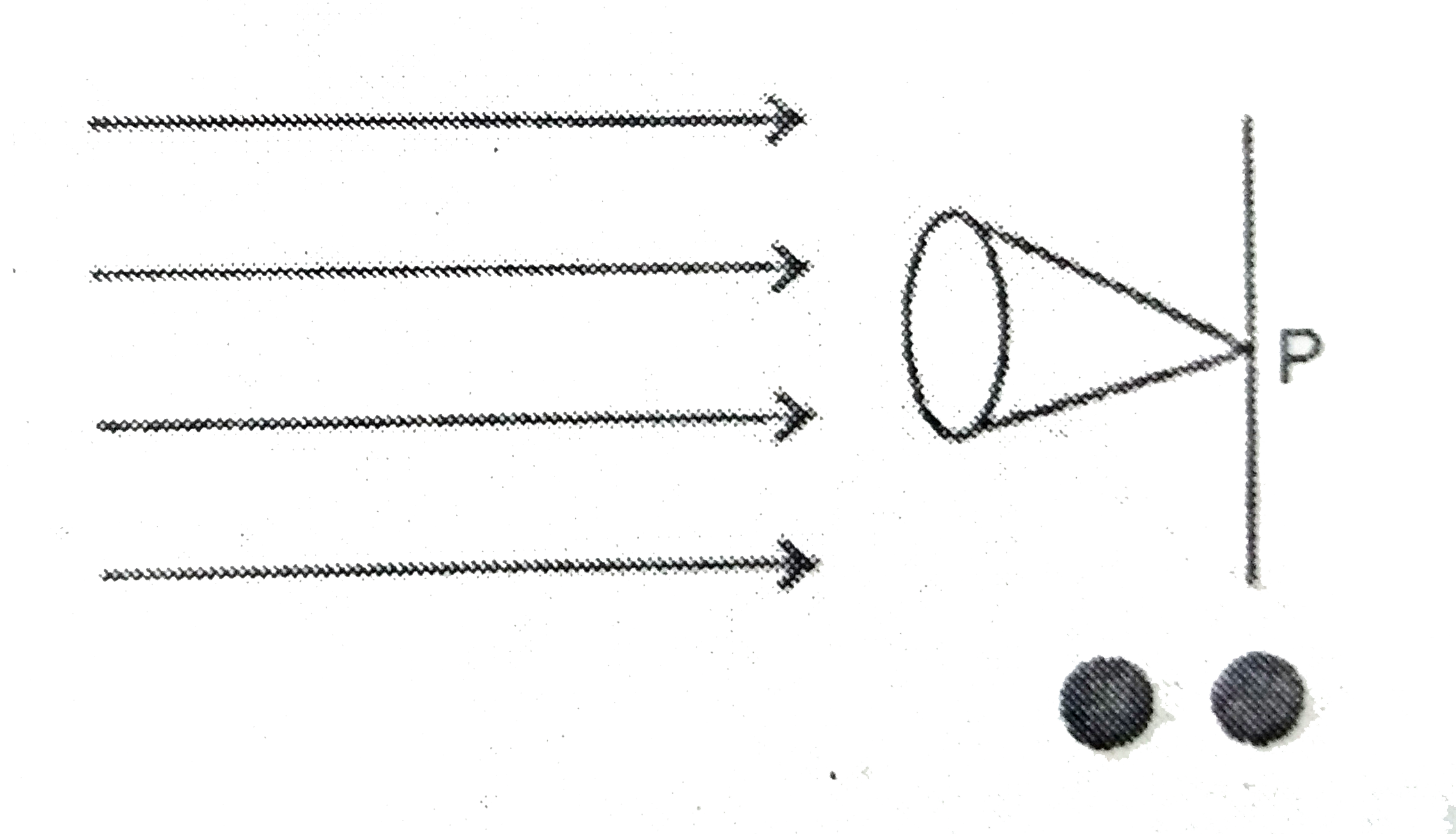
|
|