Saved Bookmarks
| 1. |
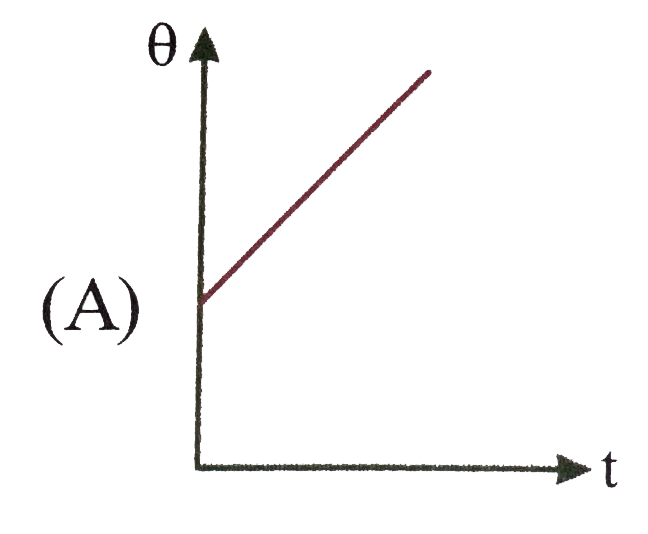
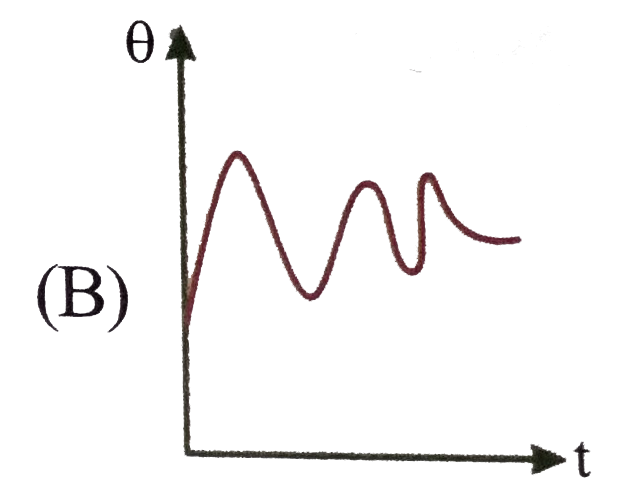
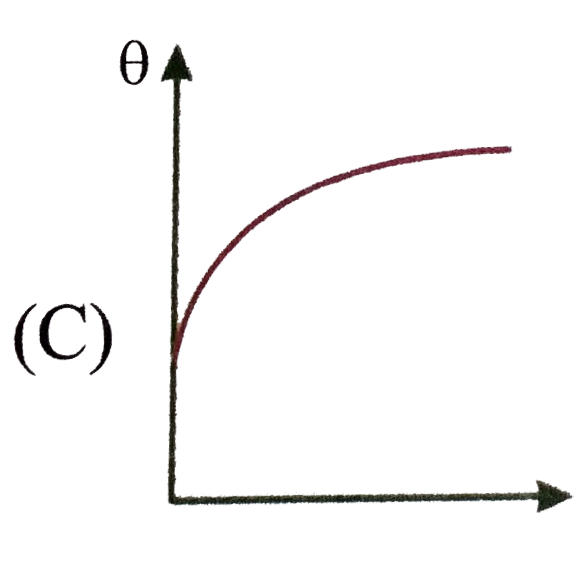
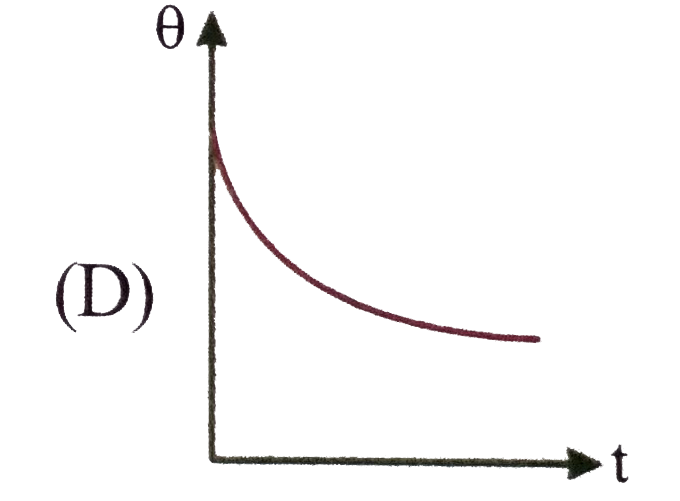
Figure shows an electrical calorimeter to determine specific heat capacity of an unknown liquid, First of all, the mass of empty calorimeter (a copper container) is measured and suppose it is m_(1). Then the unknown liquid is poured in it. Now the combined mass of calorimeter+liquid system is measured and let it be m_(2). So the mass of liquid is (m_(2)-m_(1)). Initially both were at room temperature (theta_(0)). Now a heater is immeresed in if for time interval t. The voltage drop across the heater is V and current passing through it is I. Due to heat supplied, the temperature of both the liquid and calorimeter will rise simultaneously. After t sec, heater was switched off, and final temperature is theta_(r). If there is no heat loss to surroundings. Heat supplied by the heater=Heat absorbed by the liquid+heat absorbed by the calorimeter (VI)t=(m_(2)-m_(1))S_(1)(theta_(f)-theta_(0))+m_(1)S_(c)(theta_(f)-theta_(0)) The specific heat of the liquid S_(1)=(((VI)t)/(theta_(f)-theta_(0))-m_(1)S_(c))/((m_(2)-m_(1))) Radiation correction: There can be heat loss to environment. To compensate this loss, a correction is introduced. Let the heater was on for t sec, and then it is switched off. Now the temperature of the mixture falls due to heat loss to environment. The temperature of the mixture is measured t//2 sec. after switching off. Let the fall in temperature during this time is varepsilon Now the corrected final temperature is taken as theta_(f)=theta_(f)+varepsilon If the system were losing heat according to Newton's cooling law, the temperature of the mixture would change with time according to (while heater was on) |
|
Answer»
`:. C` is correct |
|