Saved Bookmarks
| 1. |
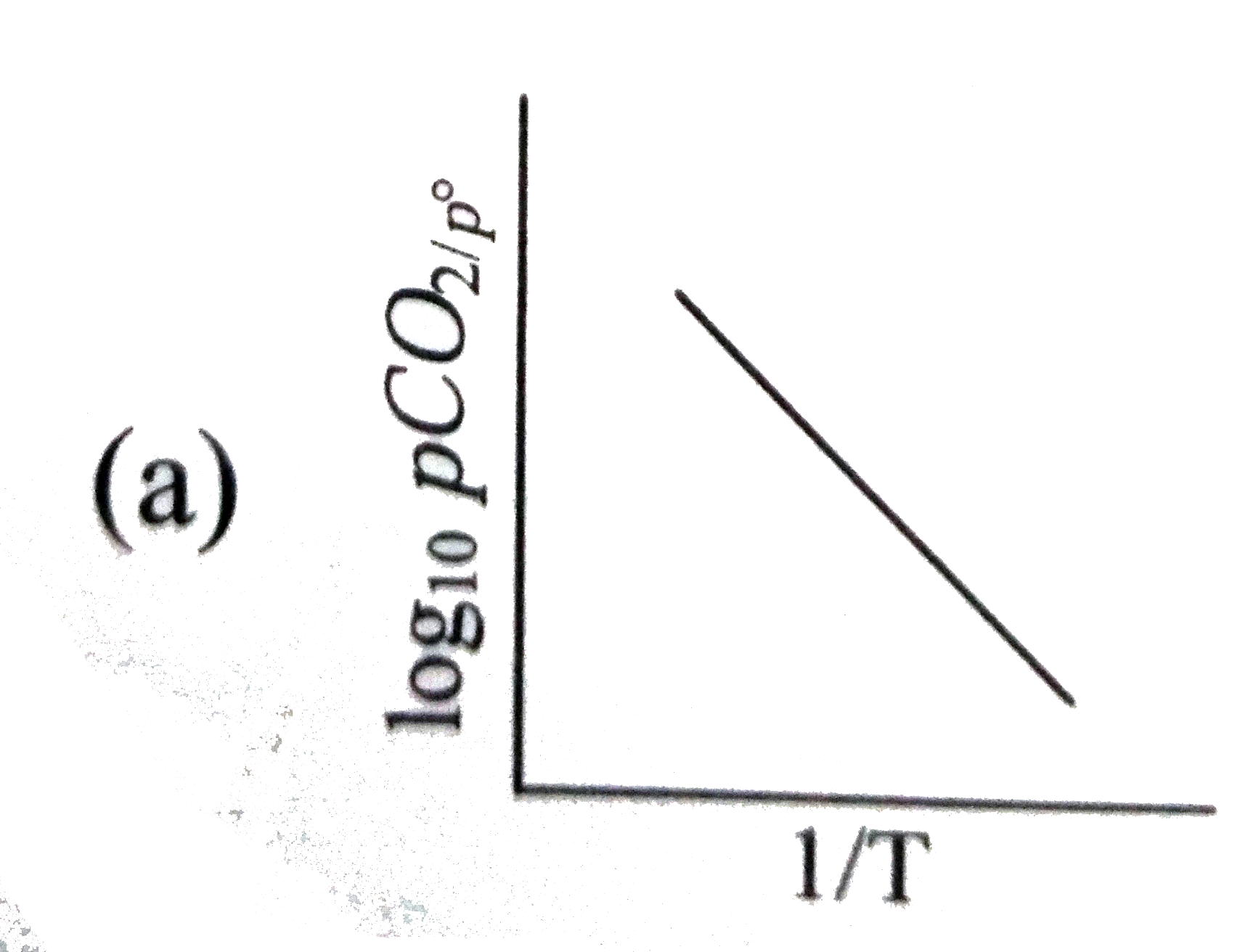
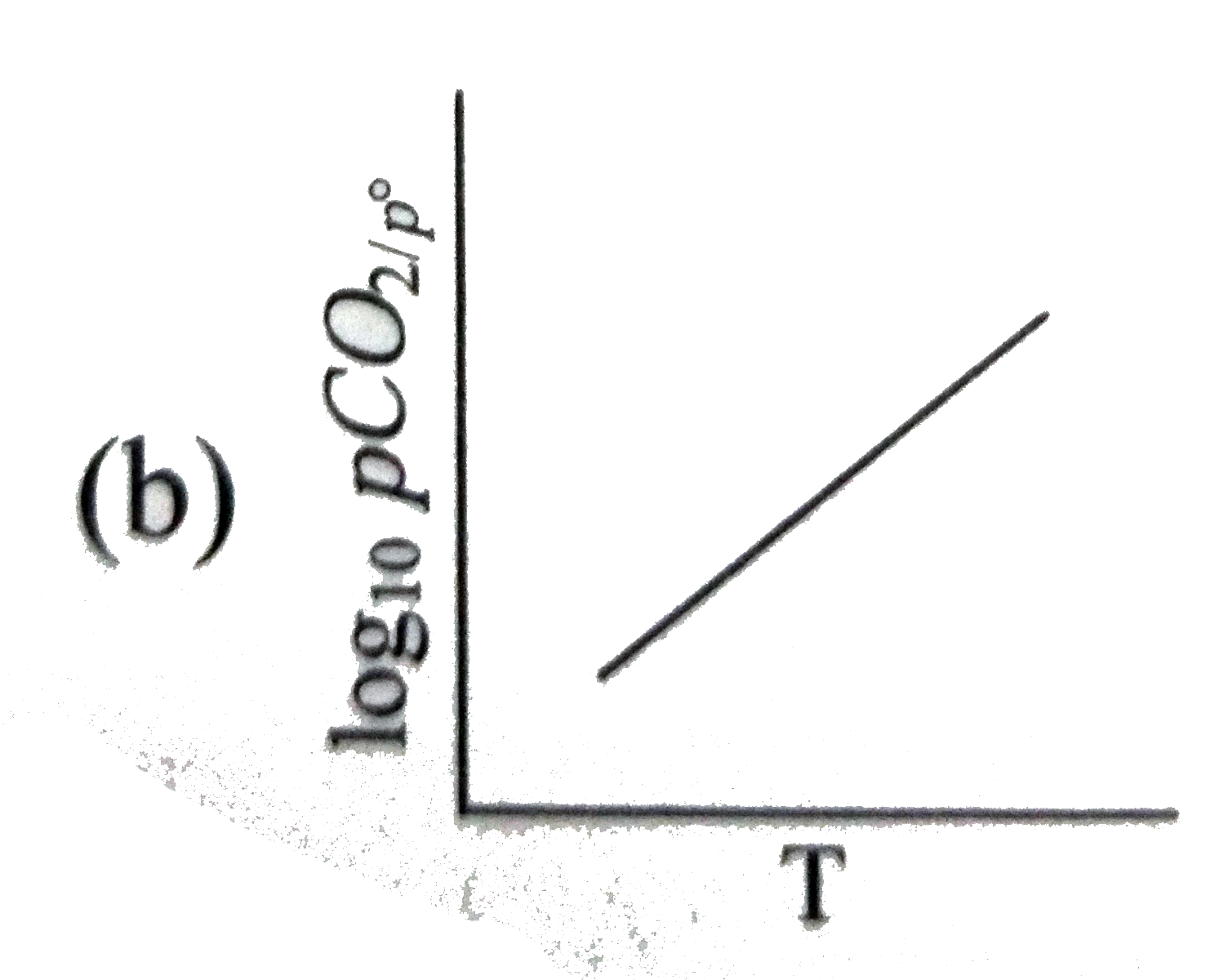
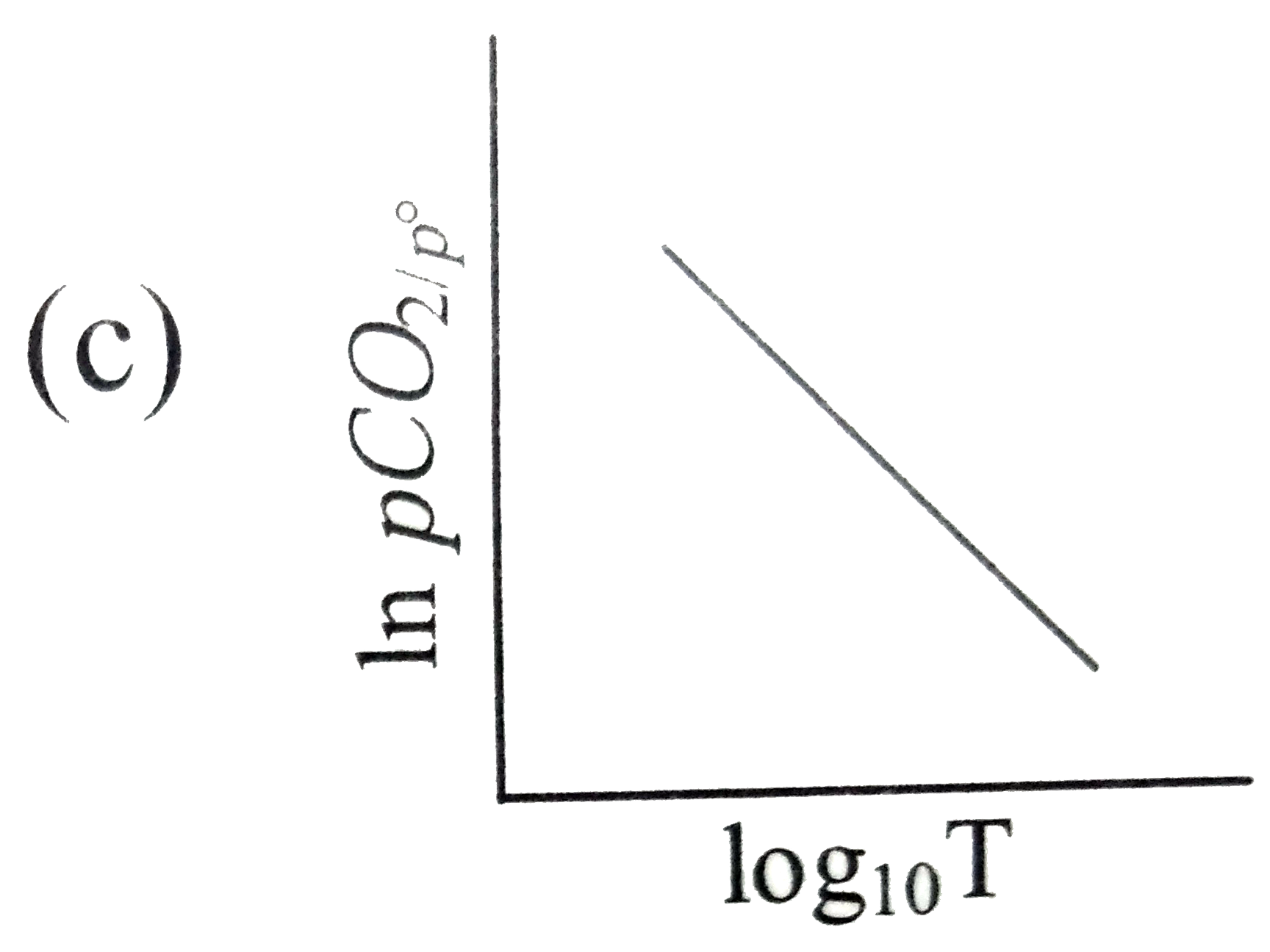
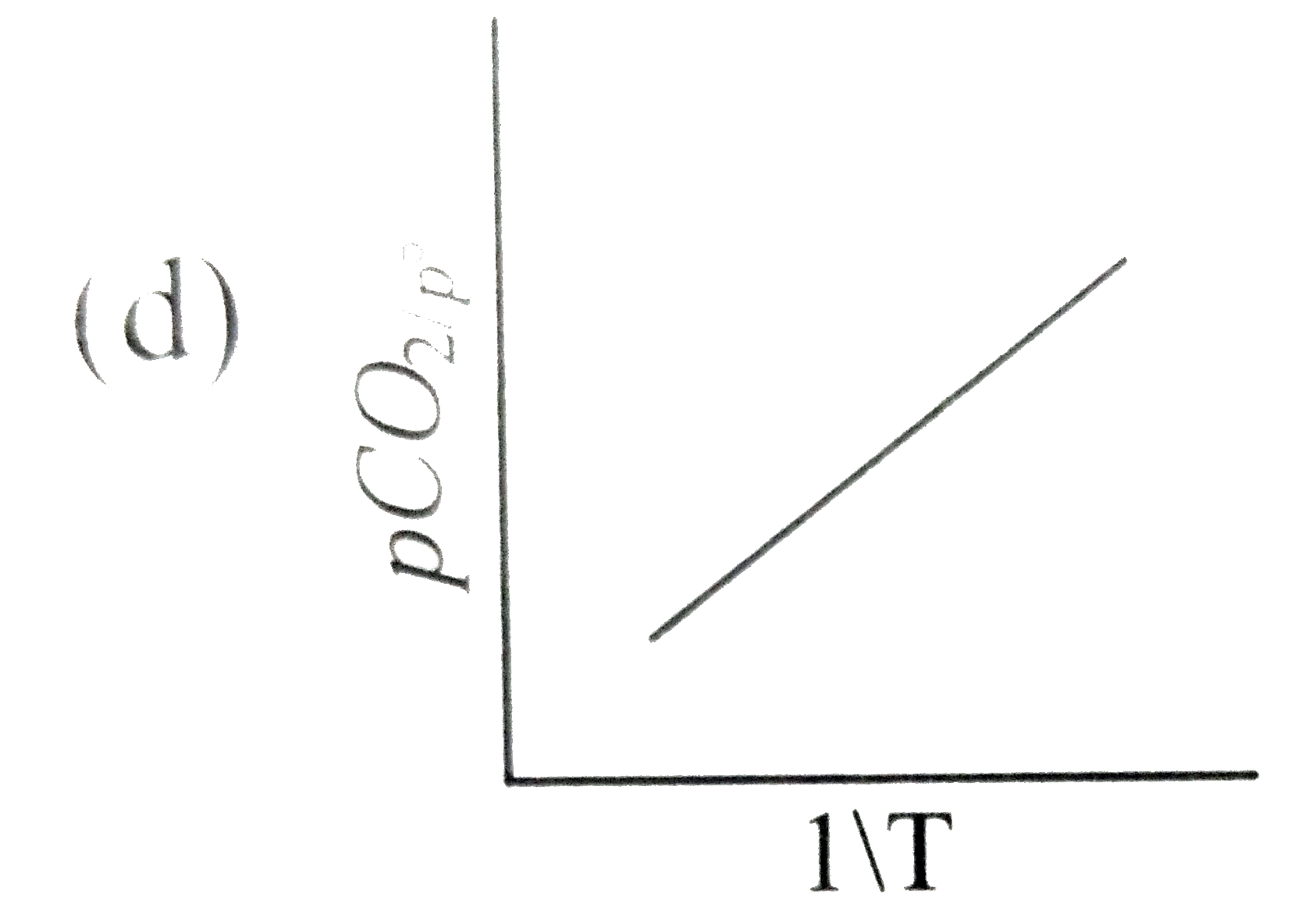
For the chemical equlibrium, CaCo_(3(s))hArrCaO(s)+CO_(2)(g),DeltaH_(r)^(@) can be cetermined from which one of the following plots |
|
Answer»
`CaCO_(3(s))hArrCaO_((s))+CO_(2(g))` `K_(p)-P_(CO_(2))and K_(C)=[CO_(2)]` `(because[CaCO_(3)]=1and [CaO]=1"for solids")` According to Arrhenius equation we have `K=Ae^(-DeltaH_(r)^(@)//RT)` Taking logarithm, we have `logK_(p)=logA-(DeltaH_(r)^(@))/(RT(2.303))` This is an equation of straight line. When `log K_(p)` is plotted against `1//T.` we get a straight line. 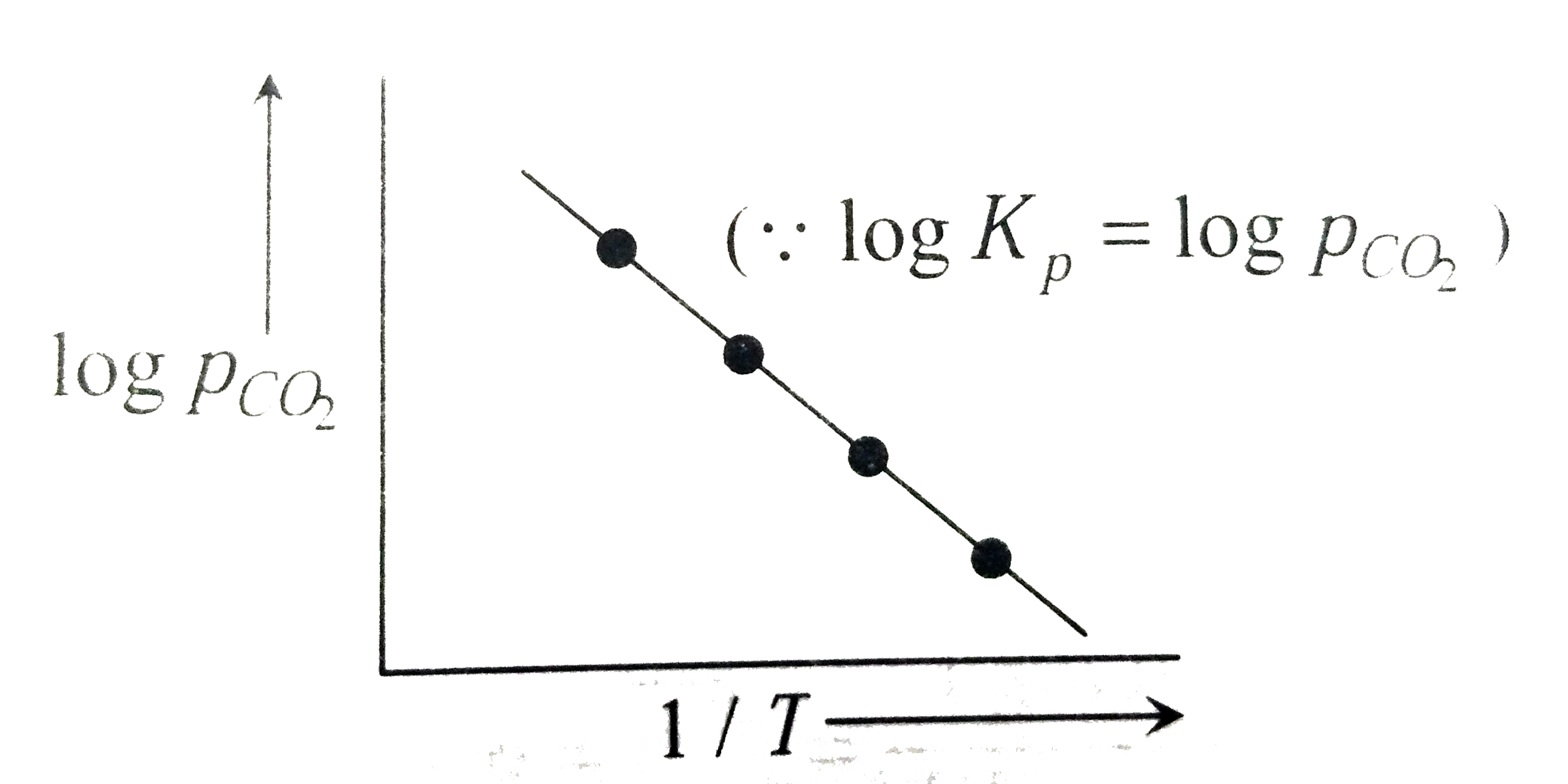 The intercept of this line= log A, slope `=-DeltaH_(r)^(@)//2.303R` Knowing the value of slope from the PLOT and universal gas constant `R,DeltaH_(r)^(@)` can be calculated. (Equation of straight line`:Y=mx+C.` Here, `{:(logK_(p)=-(DeltaH_(r)^(@))/(2.30R)((1)/(T))+log A),(" "T""m""x""C):}` |
|