

Saved Bookmarks
| 1. |
Give the products of the following and the name of the reactions: |
Answer» Solution :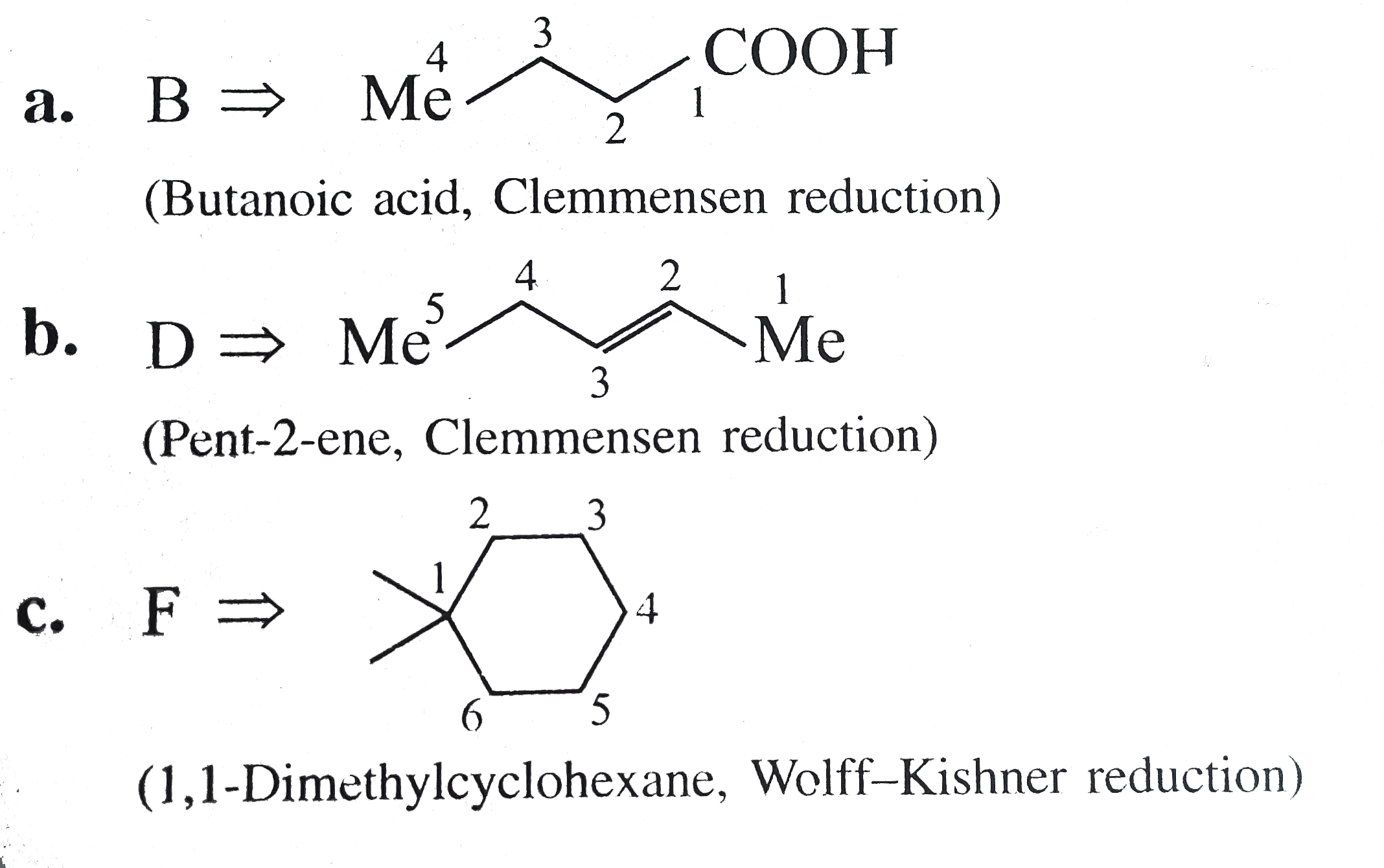 d. Clemmensen reduction is acid sensitive, so it would reduce `(C=O)` to `(-CH_(2))` GROUP and simultaneously dehydration of alcohol will OCCUR. 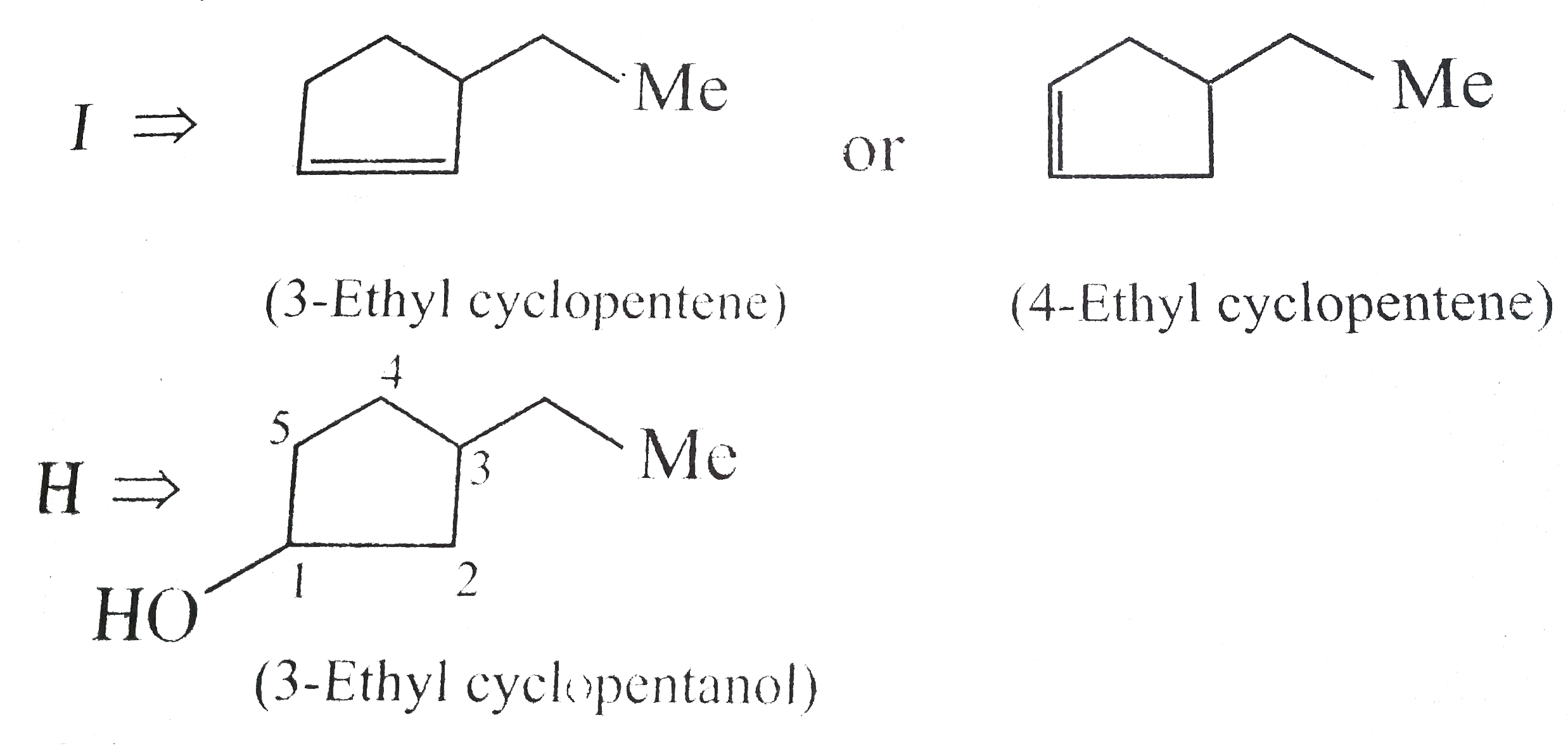 e. Wolff-Kishner reduction is base sensitive, so it would reduce `(C=O)` to `(-CH_(2)-)` group and simultaneously dehydrohalogenation of `RX` will occur. 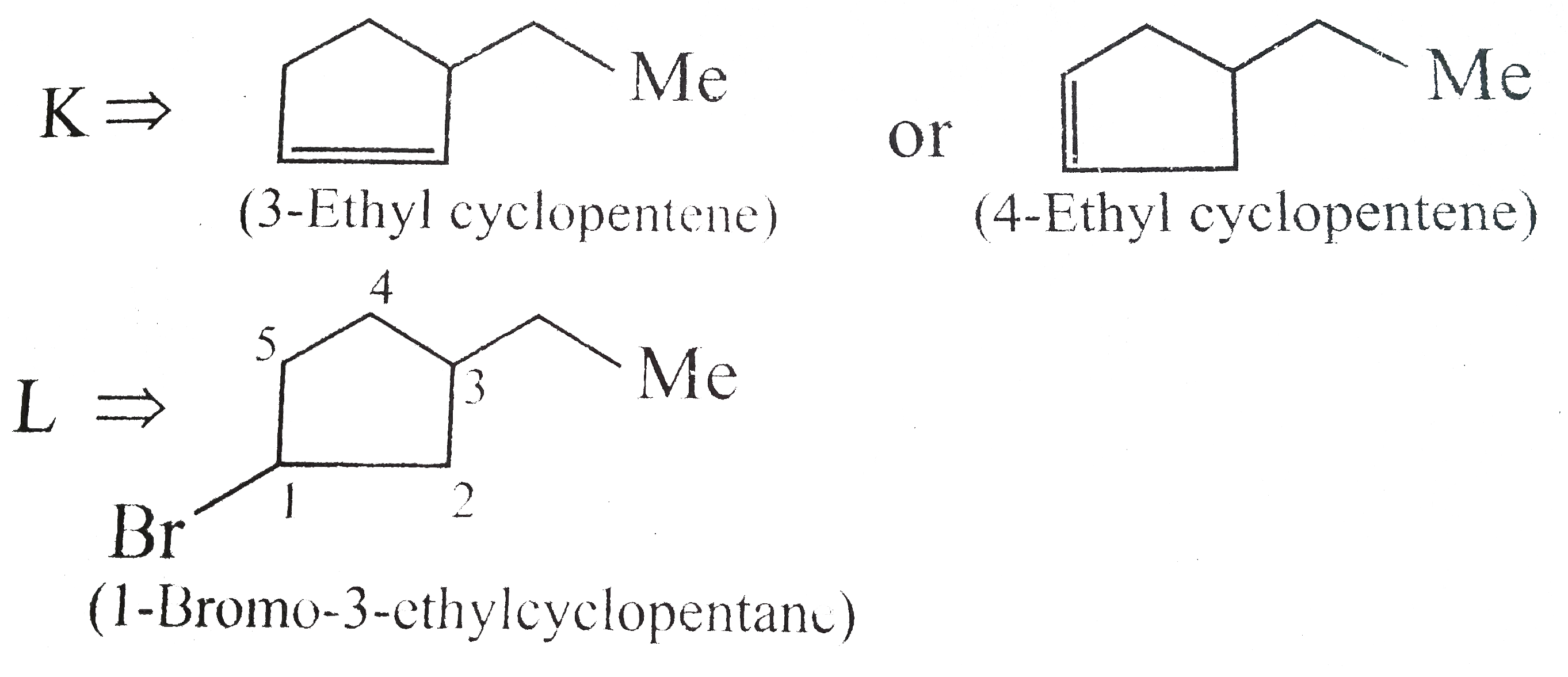 f. Both `LAH` and `NaBH_(4)` reduce `(-CH=O)` group tp `(-CH_(2)OH)` group. But `lAH` reduces `1^(@)` and `2^(@) RX` to `RH`, but `NaBH_(4)` does not reduce `1^(@) RX`, whereas both `LAH` and `NaBH_(4)` do not reduce `ArX`. 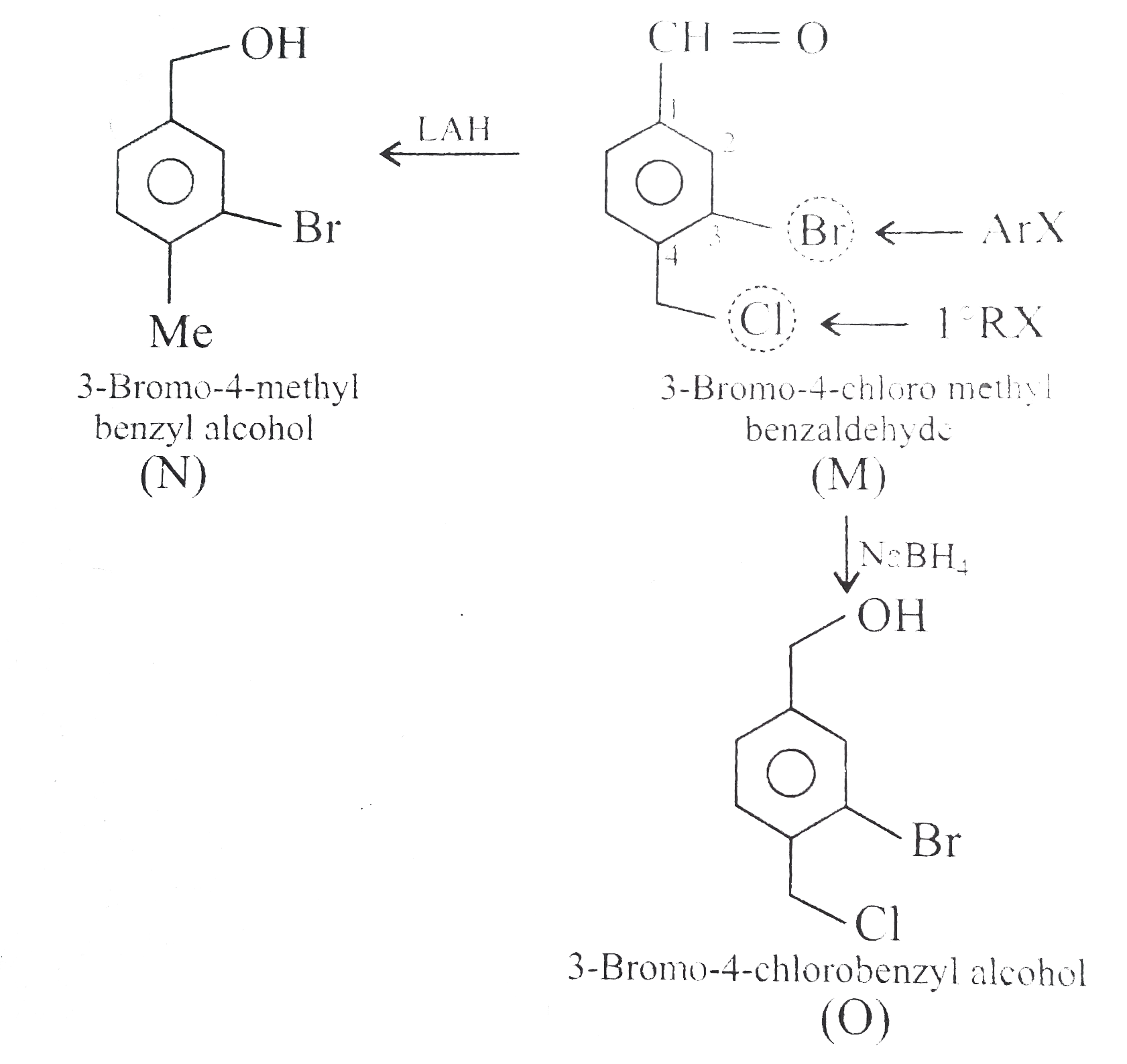 g. `LAH` reduces `R-NO_(2)` (aliphatic nitro group) to `R-NH_(2)`, and `Ar-NO_(2)`(aromatic nitro group) to `Ar-N=N-Ar` (azo group), whereas `NaBH_(4)` does not reduce either of them. 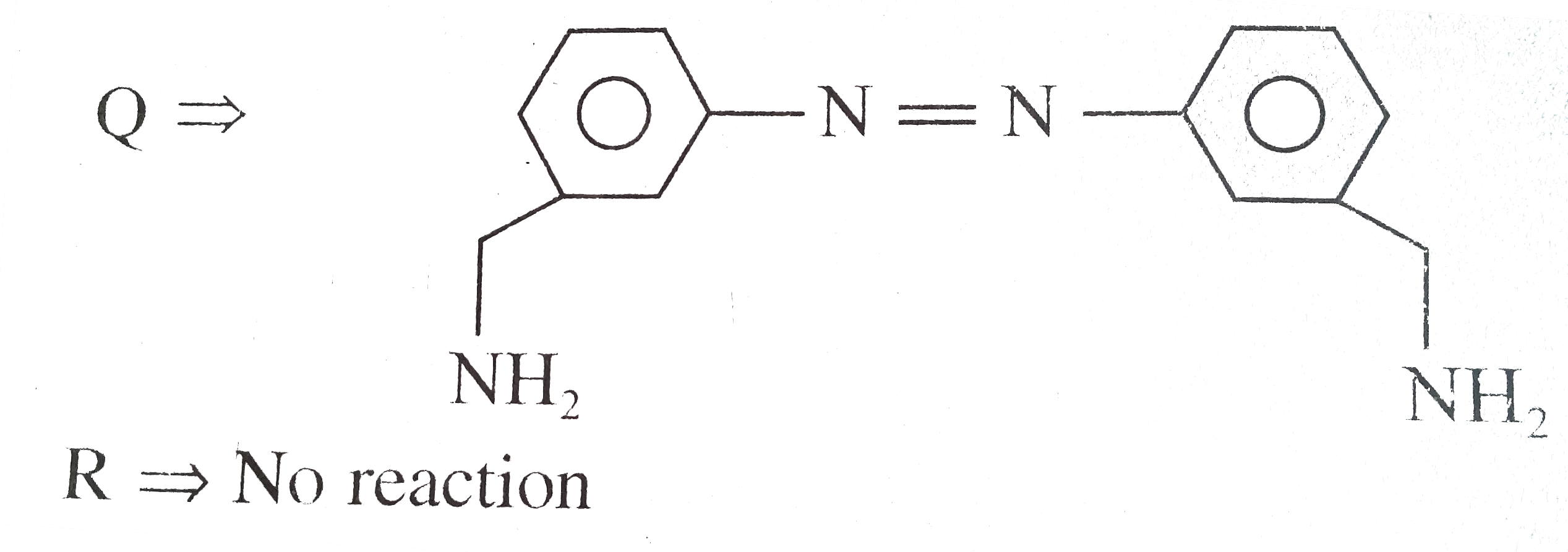 h. Ranet `Ni`, under high temperature and pressure, reduces all the double bonds of the benzene ring.  i. Under the given conditions, all the double bonds of the benzene are REDUCED.  j. It is a Birch reduction and reduces one double bond of the benzene ring to give a compound containing containing isolated diene. 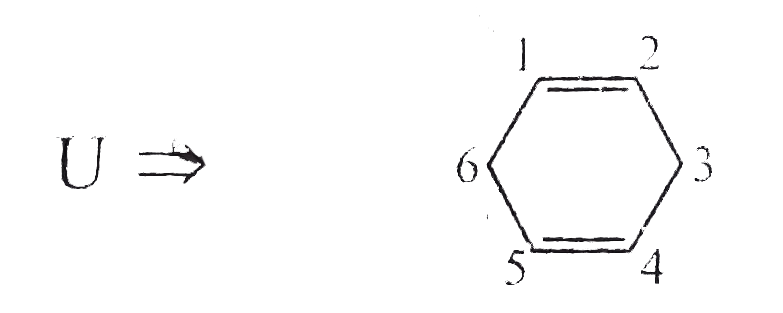 k. Lindlar's catalyst converts `(C=C)` to `(C=C)` bond to give cis-alkene `(syn-addition of H_(2))`, whereas Birch reduction `(Na+liq.NH_(3)+EtOH)` converts `(C-=C)` to `(C=C)` bond to give trans-alkene (anti-addition of `H_(2))` 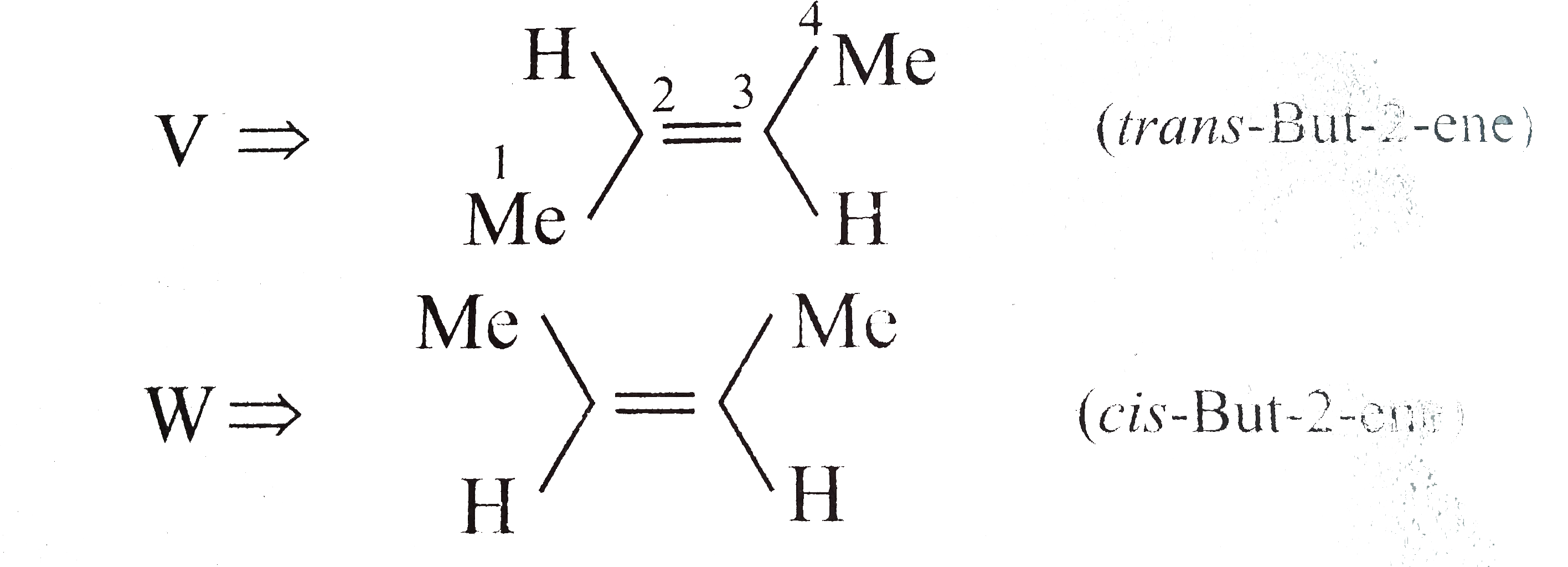
|
|