Saved Bookmarks
This section includes 7 InterviewSolutions, each offering curated multiple-choice questions to sharpen your Current Affairs knowledge and support exam preparation. Choose a topic below to get started.
| 1. |
AlF_3 is soluble in HF only in presence of KF. It is due to the formation of… |
|
Answer» `AlH_3` |
|
| 2. |
Aldol condensation proceeds by carbon- carbon bond formation between an enolation donor and a carbonyl acceptor For each of the following aldol products (1 through 4)Match the donor and acceptor compound. |
Answer»  It has `alpha` -H `so donor B) `HCHO to `Acceptor  It has`alpha -H""alpha -H""because` donor Ph -CHO TONO `alpha-H ""because "AcceptorBased onProducr"`(D)  has`alpha- H`andactas donor has`alpha- H`andactas donor
|
|
| 3. |
Aldol addition is nucleophllic addition reaction of carbonyl compound with enolate or enolate ion of aldehyde and ketones. The reaction between two molecules of acetaldehyde takes place as following in the presence of base.Driving force for the aldol condensation is : |
|
Answer» Formation of conjugated carbonyl COMPOUND as a product |
|
| 4. |
Aldol addition is nucleophllic addition reaction of carbonyl compound with enolate or enolate ion of aldehyde and ketones. The reaction between two molecules of acetaldehyde takes place as following in the presence of base. Which carbonyl compound wll be most reactiove for aldol addition ? |
| Answer» Answer :C | |
| 5. |
Aldol addition is nucleophllic addition reaction of carbonyl compound with enolate or enolate ion of aldehyde and ketones. The reaction between two molecules of acetaldehyde takes place as following in the presence of base. Simple aldol addition is given by : |
|
Answer» `C_(6)H_(5)CHO` |
|
| 6. |
Aldehydes and ketones are.............isomers. |
|
Answer» |
|
| 7. |
Aldehyde can be isomertic functionally with |
|
Answer» ALCOHOLS |
|
| 8. |
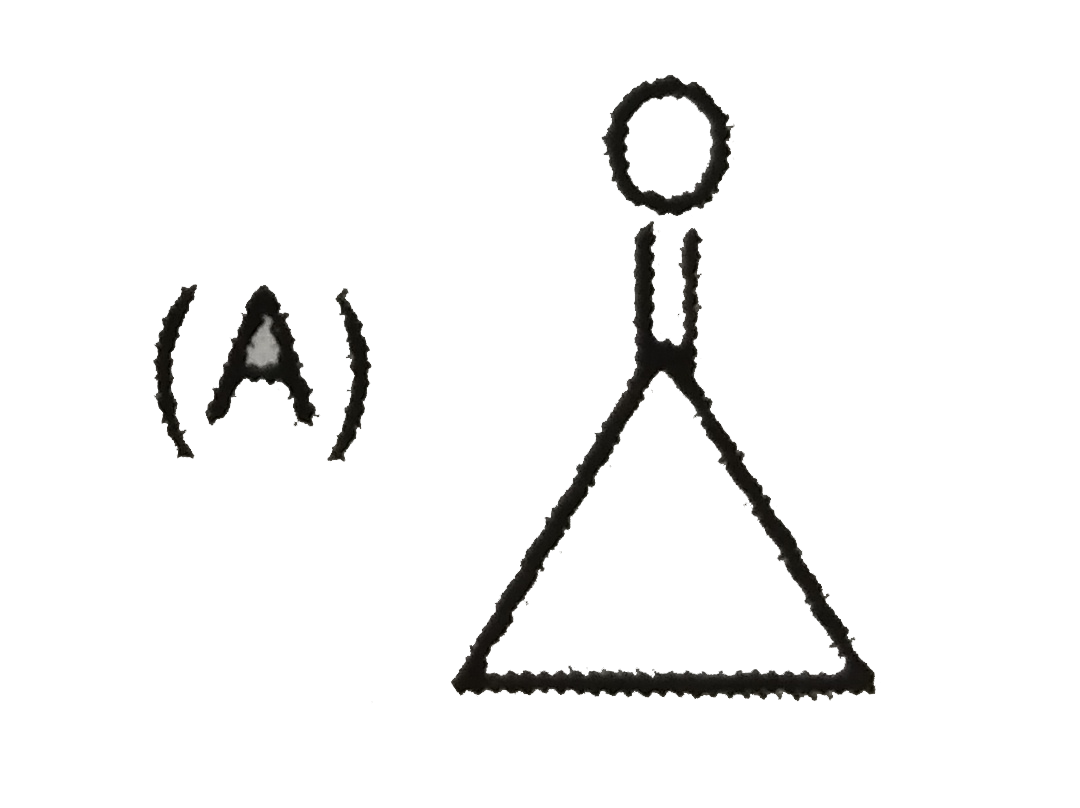
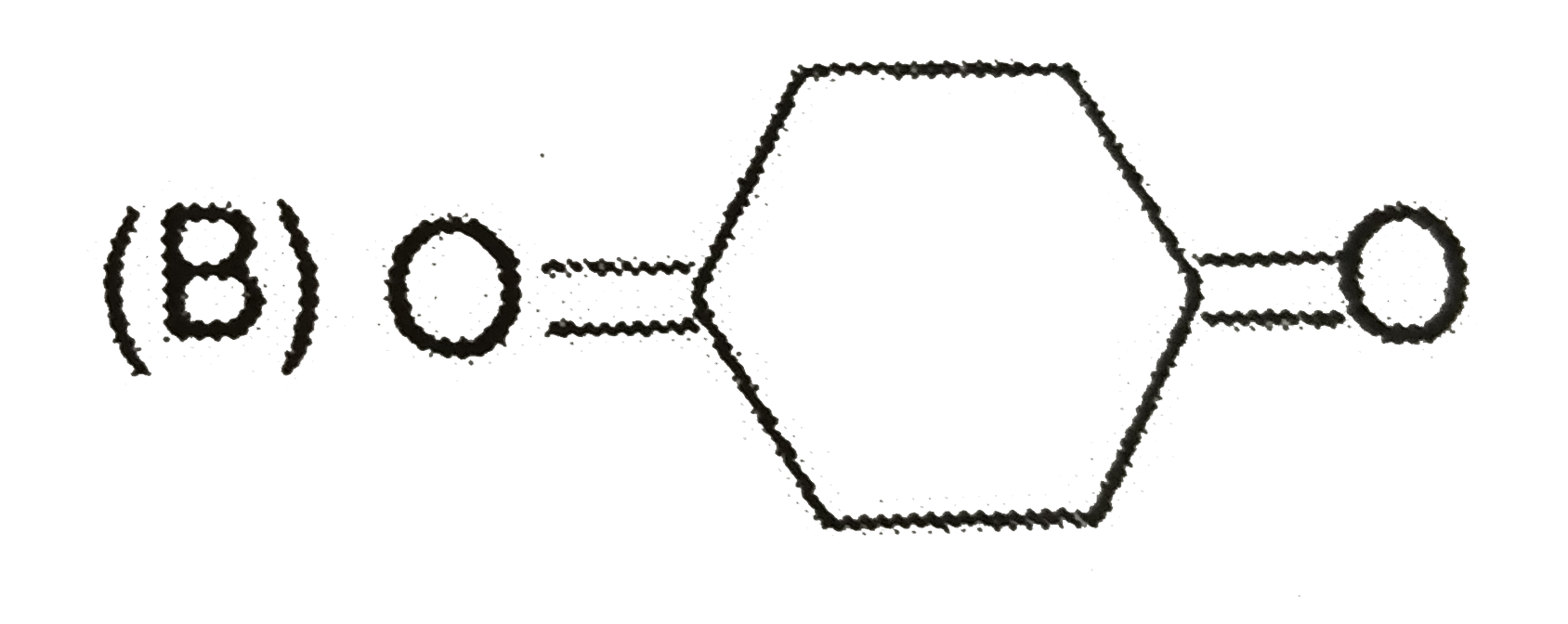
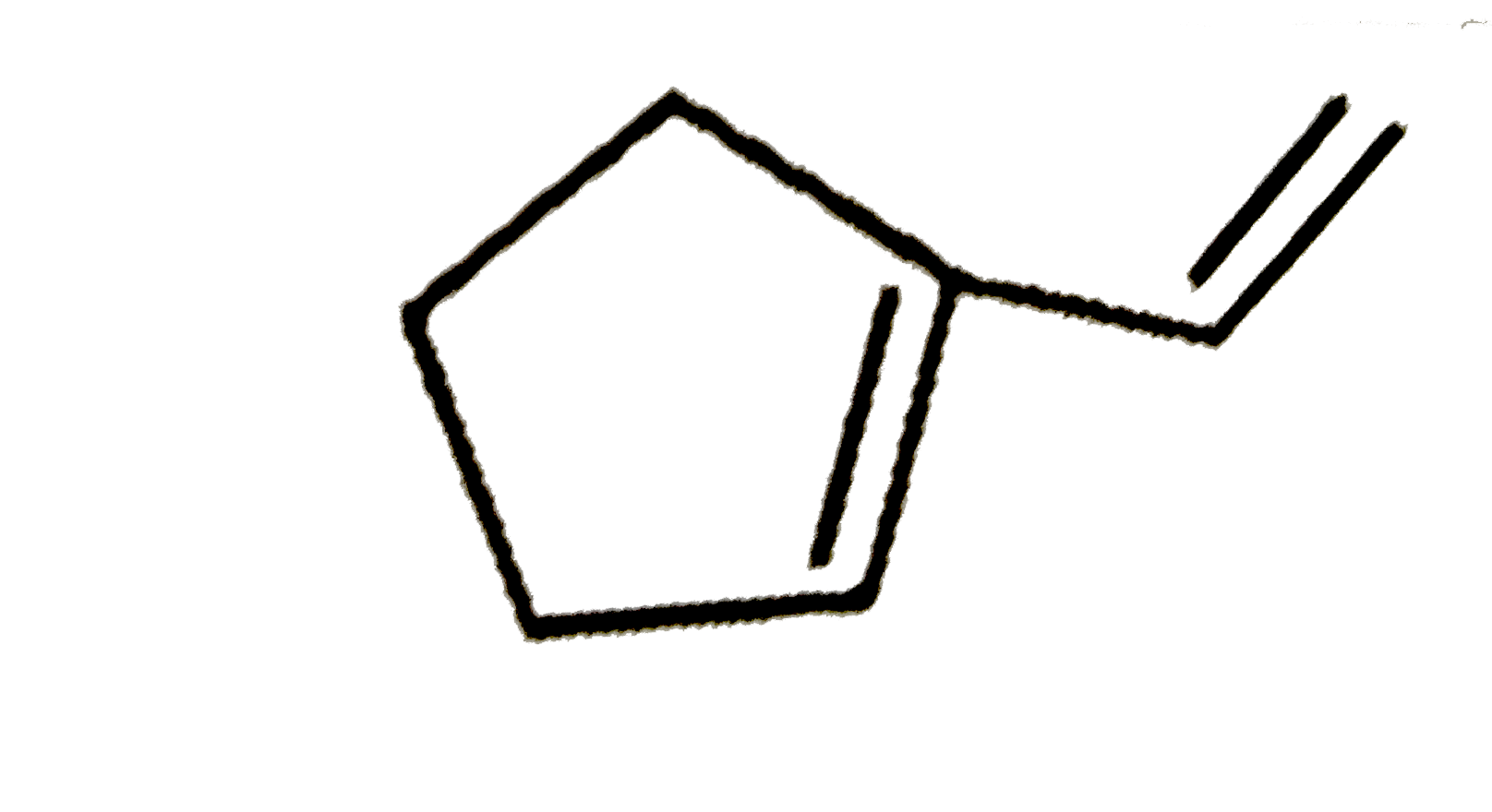
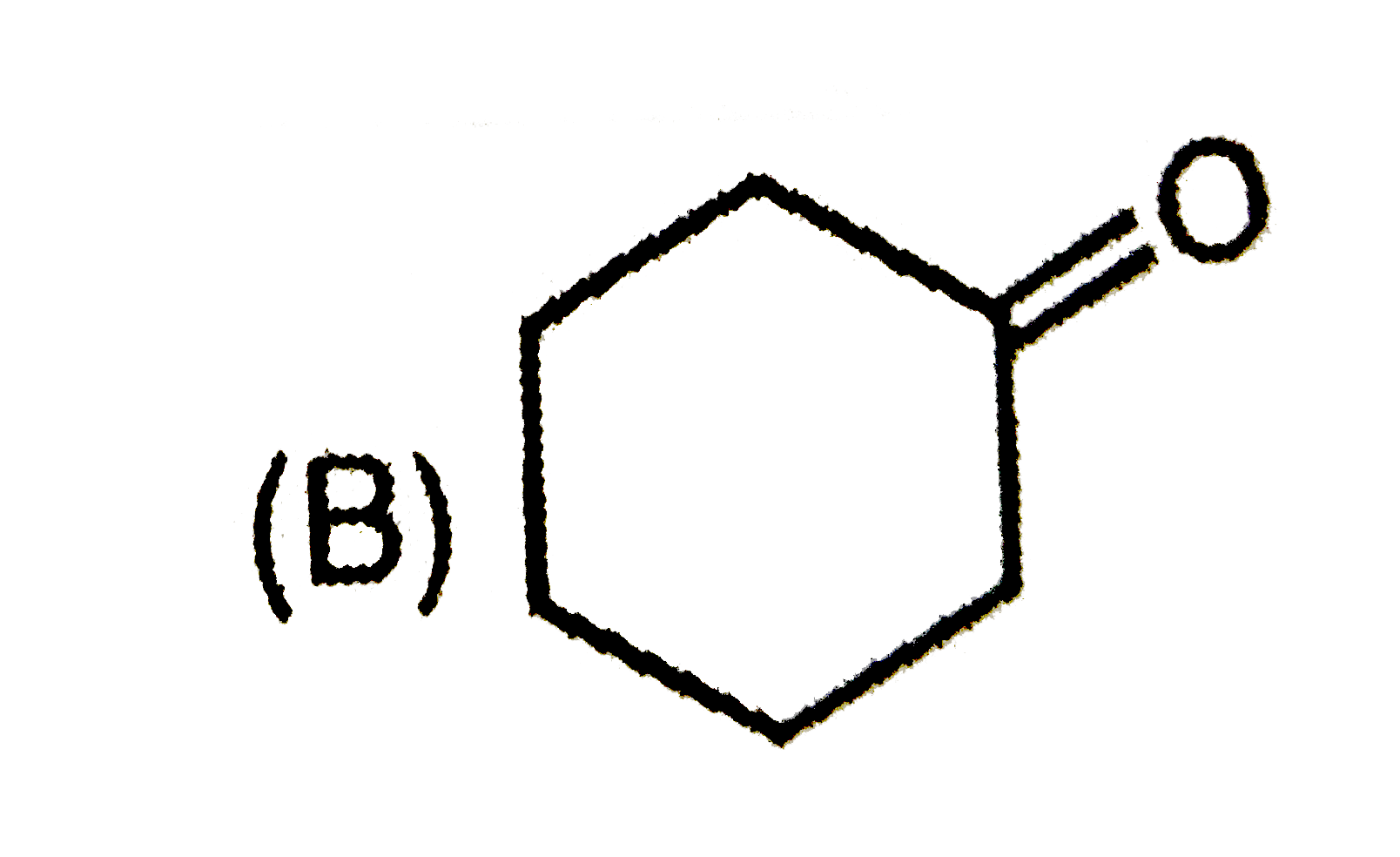
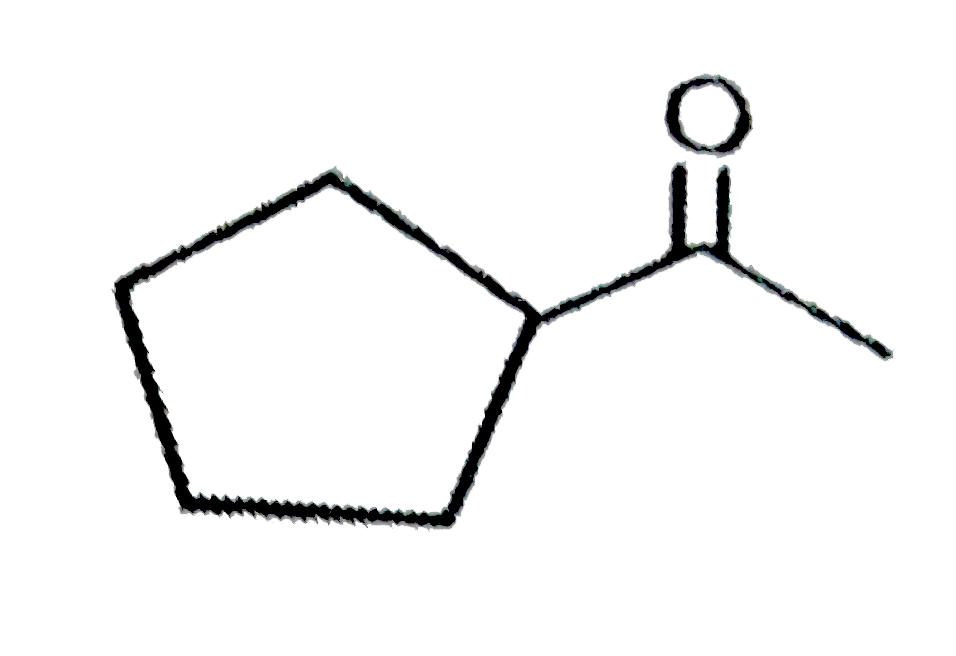
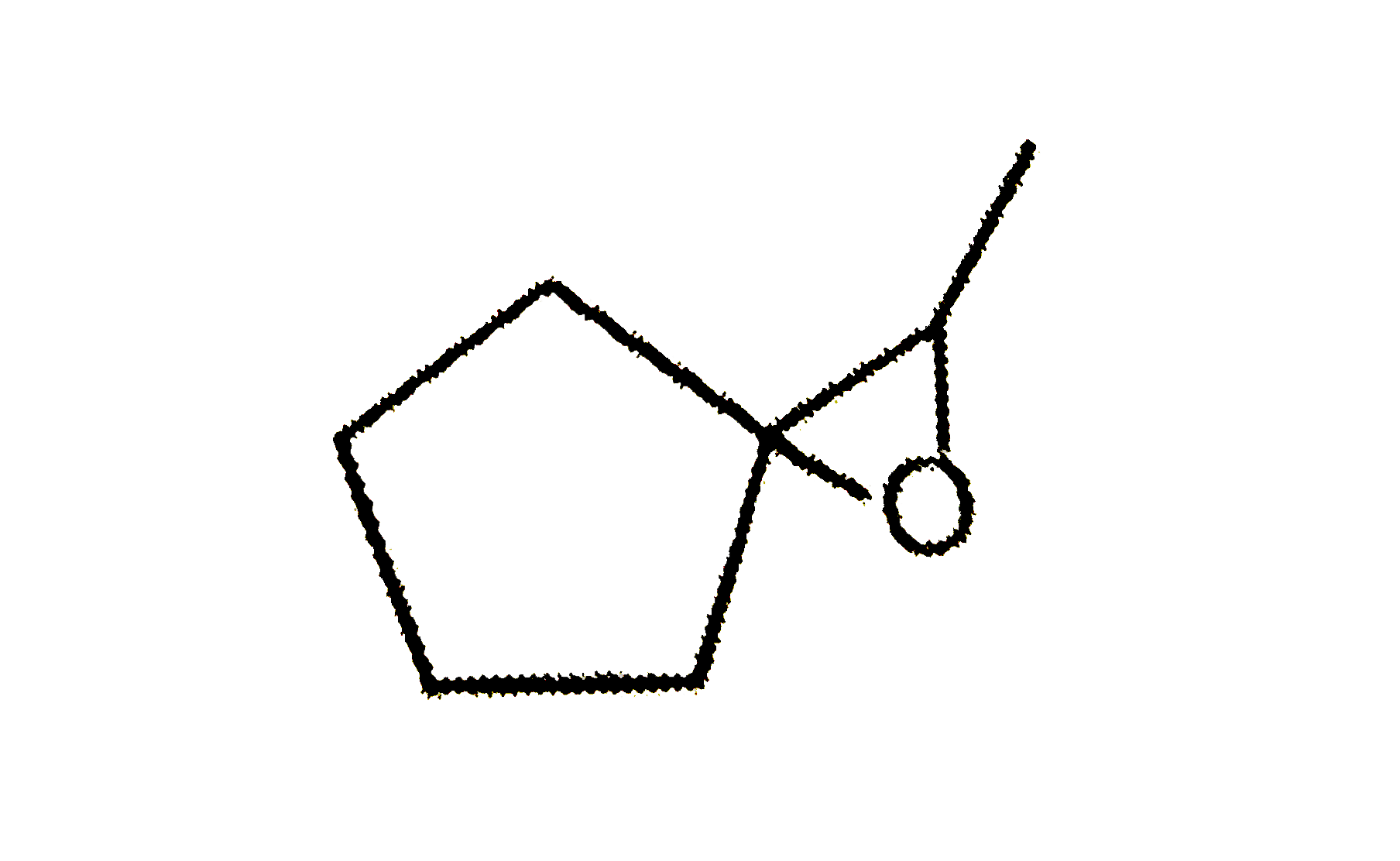
Aldehyde and ketones may be prepared by reductive cleavage of carbon-carbon double bonds. A particularly useful reagent for this purpose is ozone under reductive condition in the formation of carbonylcompounds. products Which of the following products is not formed in above reaction. |
|
Answer»

|
|
| 9. |
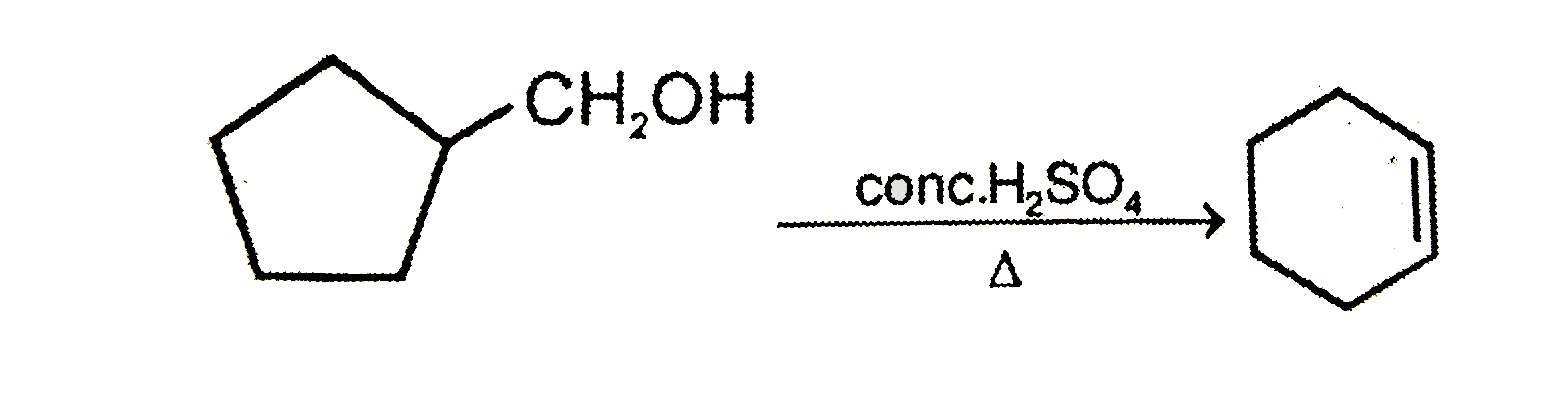
Alcohols undergo acid catalysed elimination reactions to produce alkenes. Because water is lost in the elimination , this reaction is called dehydration reaction. Secondary and tertiary alcohols always give E1 reaction in dehydration. Primary alcohols whose beta-carbon is branched also give E1 reaction. The reactivity of alcohol for elimination reaction is tertiary alcohol gt secondary school gt Primary alcohol. Identify the product in the given reaction : |
|
Answer»
|
|
| 10. |
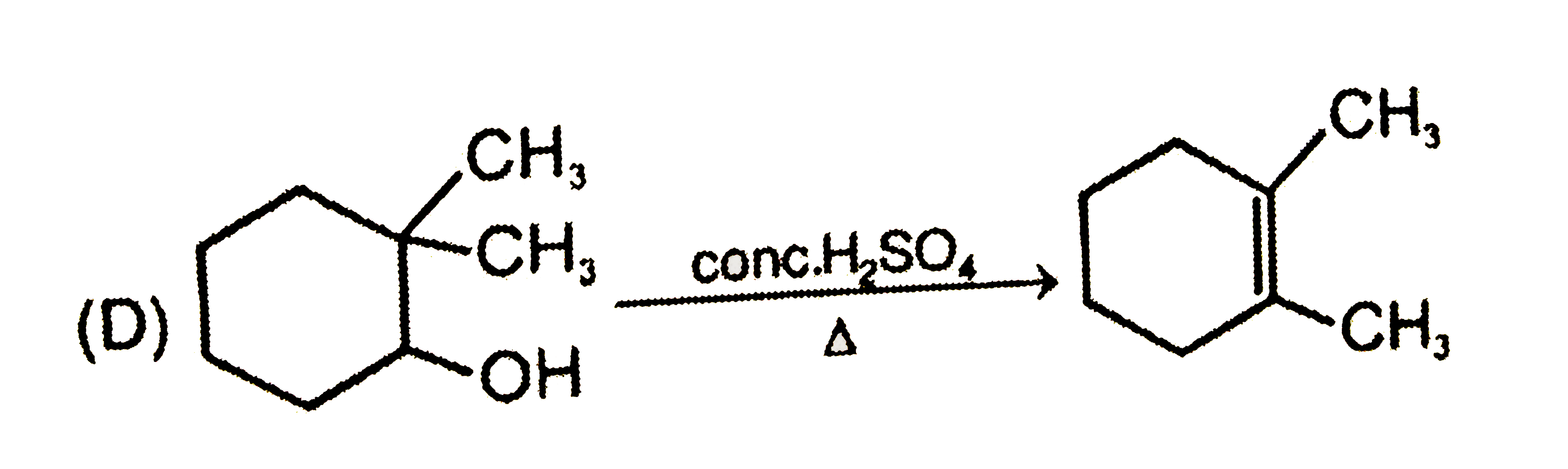
Alcohols undergo acid catalysed elimination reactions to produce alkenes. Because water is lost in the elimination , this reaction is called dehydration reaction. Secondary and tertiary alcohols always give E1 reaction in dehydration. Primary alcohols whose beta-carbon is branched also give E1 reaction. The reactivity of alcohol for elimination reaction is tertiary alcohol gt secondary school gt Primary alcohol. Which of the following dehydration product (major ) is incorrect ? |
|
Answer»
|
|
| 11. |
Alcohols reacts with Grignard reagent to form |
|
Answer» Alkanes |
|
| 12. |
Alcohols, phenols and acids can be distinguished by reaction with |
|
Answer» `NaHCO_(3)` |
|
| 13. |
Alcohols of low molecular weight are |
|
Answer» Soluble in water |
|
| 14. |
Alcohols may act as |
|
Answer» Oxidisingagent `R-underset(..)OVERSET(..)(O)-H+H^(+) RARR R-underset(..)overset(H)overset(|)(O^(+))-H` Alcohols can also act as Bronsted acid. `R-underset(..)overset(..)(O)-H rarr R-underset(..)overset(..)(O):^(-)+H^(+)` |
|
| 15. |
Alcohols are weaker acids than water. Why ? |
Answer» Solution :In alcohol  , the alkyl group has `+ I` EFFECT. It INCREASES the electron density on the OXYGEN atom. As a RESULT, the release of `H^(+)` ion from alcohol is more difficult than from water or alcohol is a weaker ACID. , the alkyl group has `+ I` EFFECT. It INCREASES the electron density on the OXYGEN atom. As a RESULT, the release of `H^(+)` ion from alcohol is more difficult than from water or alcohol is a weaker ACID.
|
|
| 16. |
Dehydrohalogenation involves removal of the halogenn atom together with a hydrogen atom from carbon adjacent to the one with halogen atom. Alcoholic KOH is used for dehydrohalogenation. According to saytzeff's rule, when two alkenes may be formed, the alkene which is most substituted is the major product. Q. The ease of dehydrohalogenation for different halogens is in the order |
|
Answer» dehydrogenation |
|
| 17. |
Alcoholic solution of KOH is a specific reagent for |
|
Answer» DEHYDRATION |
|
| 18. |
Alcoholic beverages are made of |
|
Answer» Ethanol |
|
| 19. |
Alcohol on refluxing with K_2 Cr_2 O_7 gives ..... |
|
Answer» Ester |
|
| 20. |
Alcohol on refluxing with K_(2)Cr_(2)O_(7) gives ............... |
| Answer» SOLUTION :CARBOXYLIC ACID | |
| 21. |
Alcohol level in blood is determined by the reaction with K_2Cr_2O_7 solution in acidic medium. Calculate the blood level in mass percent if 10 " mL of " 0.05 M solution of K_2Cr_2O_7 is required for the reaction of a 10.0 g sample of blood. |
|
Answer» SOLUTION :Mole method: Balance the redox reaction of `C_2H_5OH` with `Cr_2O_7^(2-)` in acidic MEDIUM (Mw of `C_2H_5OH=46g)` `cancel6e^(-)+Cr_2O_7^(2-)to2Cr^(3+)]xx2` `underline(C_2H_5OHto2CO_2+cancel(12e^(-))` `underline(C_2H_5OH+2Cr_2O_7^(2-)to4Cr^(3+)+2CO_2)` For 2 " mol of "`Cr_2O_7^(2-)-=1 " mol of "C_2H_5OH` is required `10xx0.05xx10^(-3) " mol of "Cr_2O_7^(2-)` `-=(10xx0.05xx10^(-3))/(2) " mol of "C_2H_5OH` `-=25xx10^(-5)` " mol of "`C_2H_5OH` `-=25xx10^(-5)xx46g of C_2H_5OH` Percent of alcohol `-=(25xx10^(-5)xx46)/(10)xx100=0.115%` Equivalent method: `Cr_2O_7^(2-)-=C_2H_5OH` `1mEq-=1mEq` `10xx0.05xx6m" Eq of "Cr_2O_7^(2-)=3 mEq-=3 m" Eq of "C_2H_5OH` `3 mEq-=3 mEq` `3m" Eq of "C_2H_5OH-=3xx10^(-3)eq-=3xx10^(-3)xx(46)/(12)g` Percent of alcohol `-=(3xx10^(-3)xx46xx100)/(12XX10)-=0.115%` |
|
| 22. |
Alcohol fermentation is brought about by the action of |
|
Answer» `CO_(2)` |
|
| 23. |
AlCl_3 molecule is exist in which form ? |
|
Answer» Dimer |
|
| 24. |
AlCl_(3) on hydrolysis gives |
|
Answer» `Al_(2)O_(3).H_(2)O` `AlCl_(3)+3H_(2)O RARR Al(OH)_(3)+3HCl` |
|
| 25. |
AlCl_(3) is usedas a catalyst in _______. |
|
Answer» WURTZ SYNTHESIS |
|
| 28. |
AlCl_(3) is |
|
Answer» An hydrous and COVALENT |
|
| 29. |
AlCl_(3) fumes in moist air because |
|
Answer» It is very volatile `AlCl_(3)+3H_(2)O rarr Al(OH)_(3)+3HCl` HCl so produced fumes in moist air. |
|
| 30. |
AlCl_(3) exists as dimer because |
|
Answer» Al has greater IONISATION potential |
|
| 31. |
AlCl _(3) is …………. Compound whereas PCl_(5)is …………… compound in terms of octer rule. |
| Answer» SOLUTION :electron-deficient, hypervalnet | |
| 32. |
Al[BH_(4)]_(3) contains how many 3 centered -2e^(-) bonds. |
Answer» 
|
|
| 33. |
Al^(3+) ions replace Na^+ ions at the edge centres of NaCl lattice. The number of vacancies in one mole NaCl is found to bex xx 10^23 . The value of x approximately is |
|
Answer» |
|
| 34. |
Al^(3+) ions replace Na^(+) ions at the edge centres of NaCl lattice. The number of vacancies in one mole NaCl is found to be x10^(23). The value of xapproximately is |
|
Answer» |
|
| 35. |
Al_(2)O_(3) formation involves large quantity of heat evolution which makes its use in |
|
Answer» DEOXIDISER |
|
| 36. |
Al_(2)O_(3) can be converted to anhydrous AlCl_(3) by heating |
|
Answer» `Al_(2)O_(3)` with `Cl_(2)` gas |
|
| 37. |
Al_(2)O_(3) can be converted to anhydrous AlCl_(3) by heating : |
|
Answer» A mixture of `Al_(2)O_(3)` and CARBON in dry `Cl_(2)` gas |
|
| 38. |
Al_(2)O_(3)becomes anhydrousAlCl_(3) upon heating |
|
Answer» with `NaCl` |
|
| 39. |
Al_(2)(SO_(4))_(3)+NH_(4)OH rarr X,X is |
|
Answer» a white GELATINOUS precipate X is Al `(OH_3)` which is a white gelatinous precipitate soluble in excess of NaOH and is amphoteric nature |
|
| 40. |
Al reacts with conc. H_(2)SO_(4) and forms Uses of B & Al and their compounds |
|
Answer» `SO_(3)` |
|
| 41. |
Al is inert in nature , because …… |
|
Answer» It has HIGH electropositivity . |
|
| 42. |
Al having double conductivity as compared to which metal ? |
| Answer» Solution :Al has DOUBLE CONDUCTIVITY as compared to Cu. | |
| 43. |
Al and Ga have nearly the same covalent radius, incorrect reason is |
|
Answer» GREATER shielding effect of s-electrons of GA ATOMS |
|
| 44. |
Al and Ga have nearly the same covalent radii, because of |
|
Answer» GREATER shielding EFFECT of 's' electrons of 'Ga' ATOMS |
|
| 45. |
aK_(2)Cr_(2)O_(7)+bKCl+cH_(2)SO_(4) to xCrO_(2)Cl_(2)+yKHSO_(4)+zH_(2)O The above equation balances when |
|
Answer» a=2,b=4,c=6 and x=2, y=6, z=3 |
|
| 46. |
aK_(2)Cr_(2)O_(7)+bKCI+cH_(2)SO_(4)rarrxCrO_(2)CI_(2)+yKHSO_(4)+zH_()O The above equation balance when |
|
Answer» A=2,b=4,c=6 and x=2 , y =6 , z=3 
|
|
| 47. |
Air pollution is not caused by |
|
Answer» Pollen GRAIN |
|
| 48. |
Air pollutants that produce photochemical oxidants include: |
|
Answer» `CO_(2), CO and SO_(2)` |
|
| 49. |
Air pollutants that produce photochemical oxidants include |
|
Answer» `CO_(2) CO and SO_(2)` |
|