Saved Bookmarks
This section includes 7 InterviewSolutions, each offering curated multiple-choice questions to sharpen your Current Affairs knowledge and support exam preparation. Choose a topic below to get started.
| 1. |
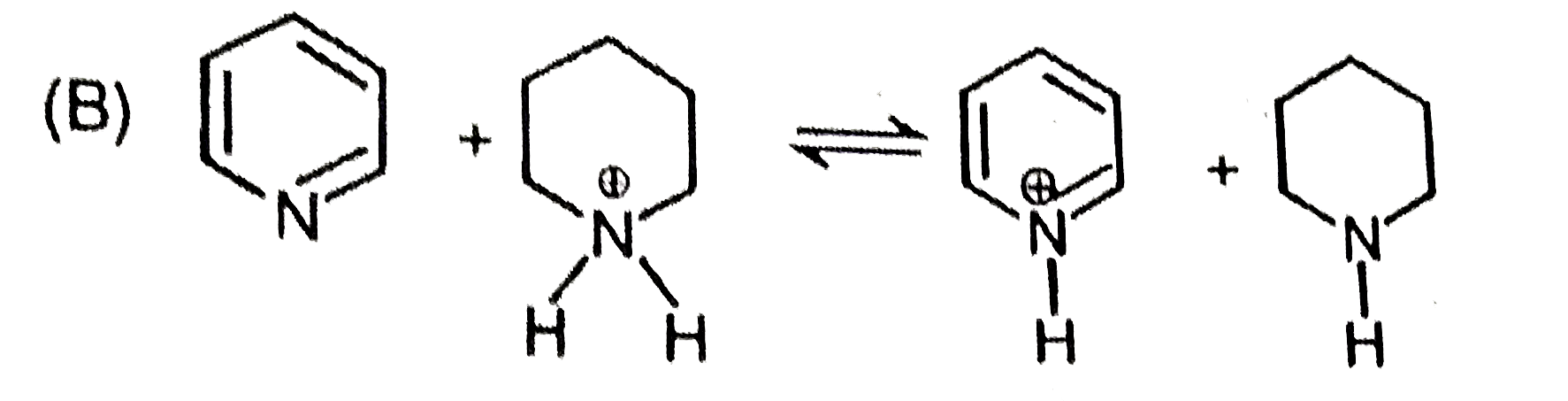
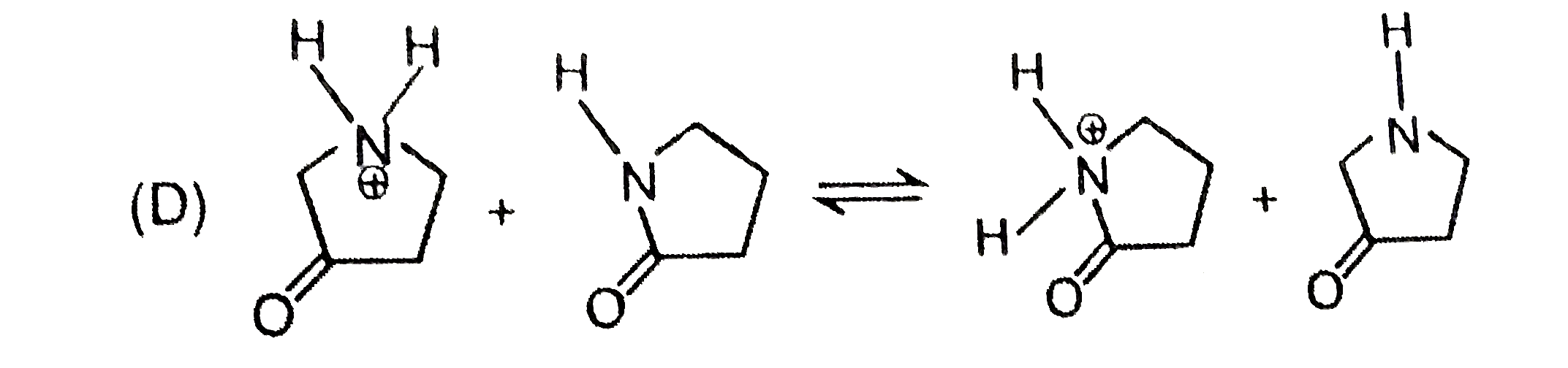
Among the following the maximum covalentcharacteris shown by the compound: |
|
Answer» `SnCl_(2)` |
|
| 2. |
Among the following , the maximum covalent character is shown by- |
|
Answer» `FeCl_(2)` |
|
| 3. |
Among the following , the least thermally stable is |
|
Answer» `K_(2)CO_(3)` |
|
| 4. |
Among the following the least thermally stable is |
|
Answer» `K_2CO_3` |
|
| 5. |
Among the following the least thermally stable is ………… . |
|
Answer» `K_(2)CO_(3)` |
|
| 6. |
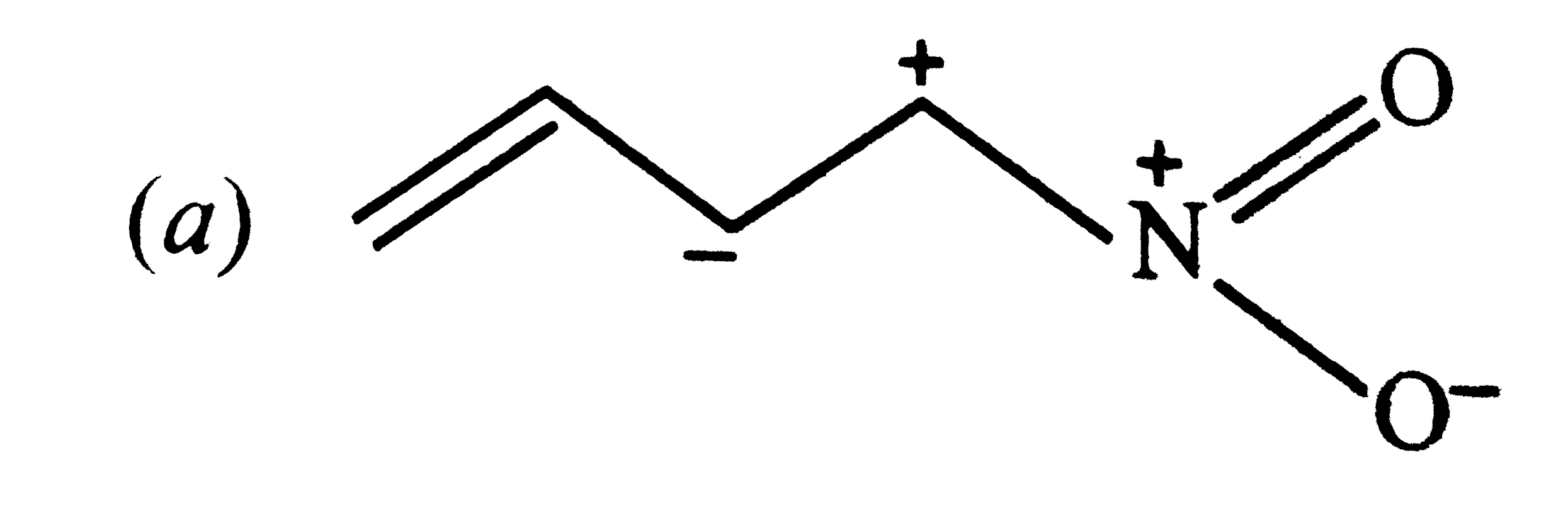
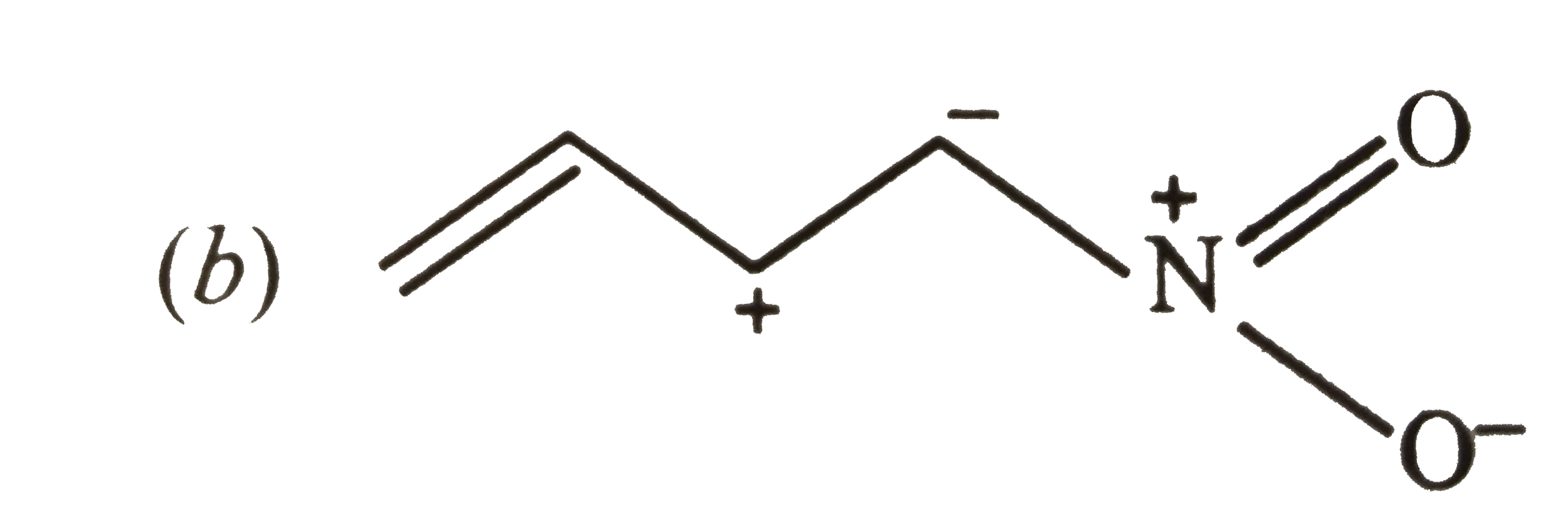
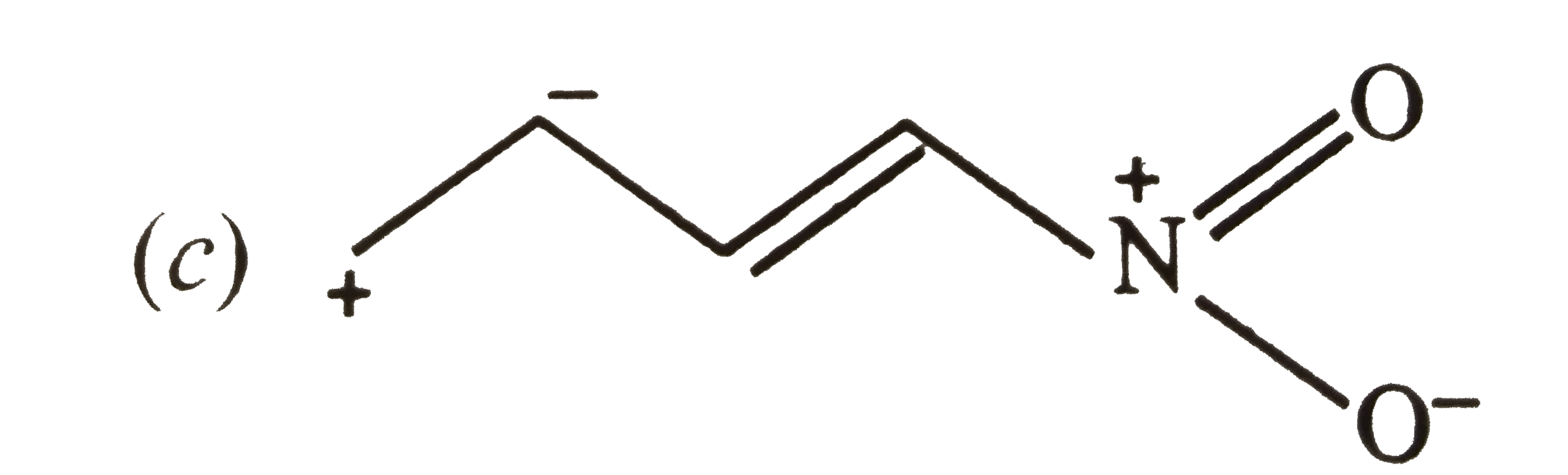
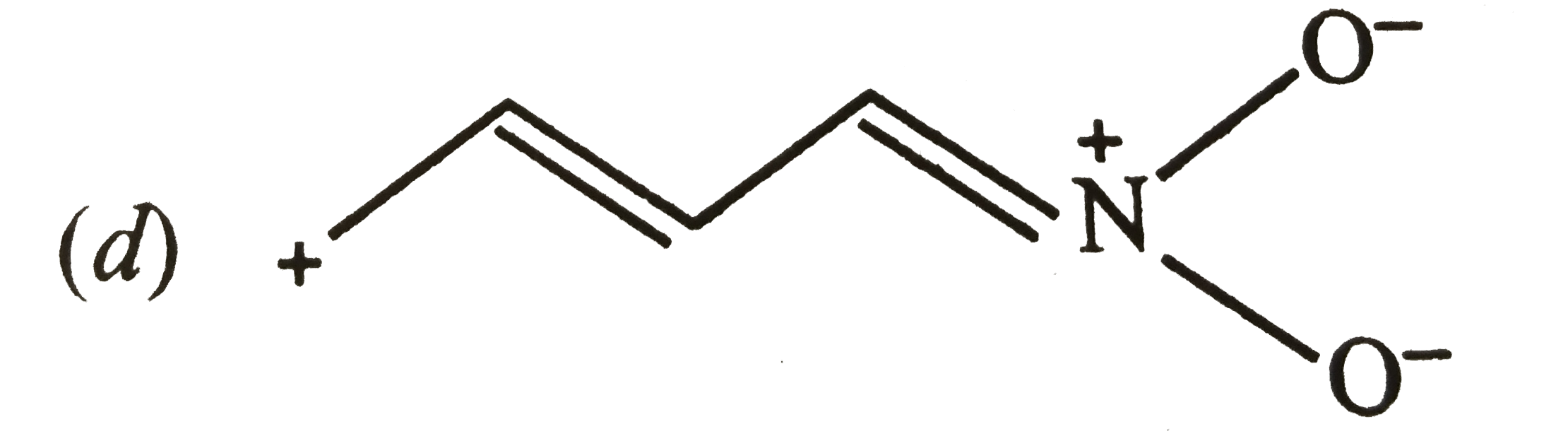
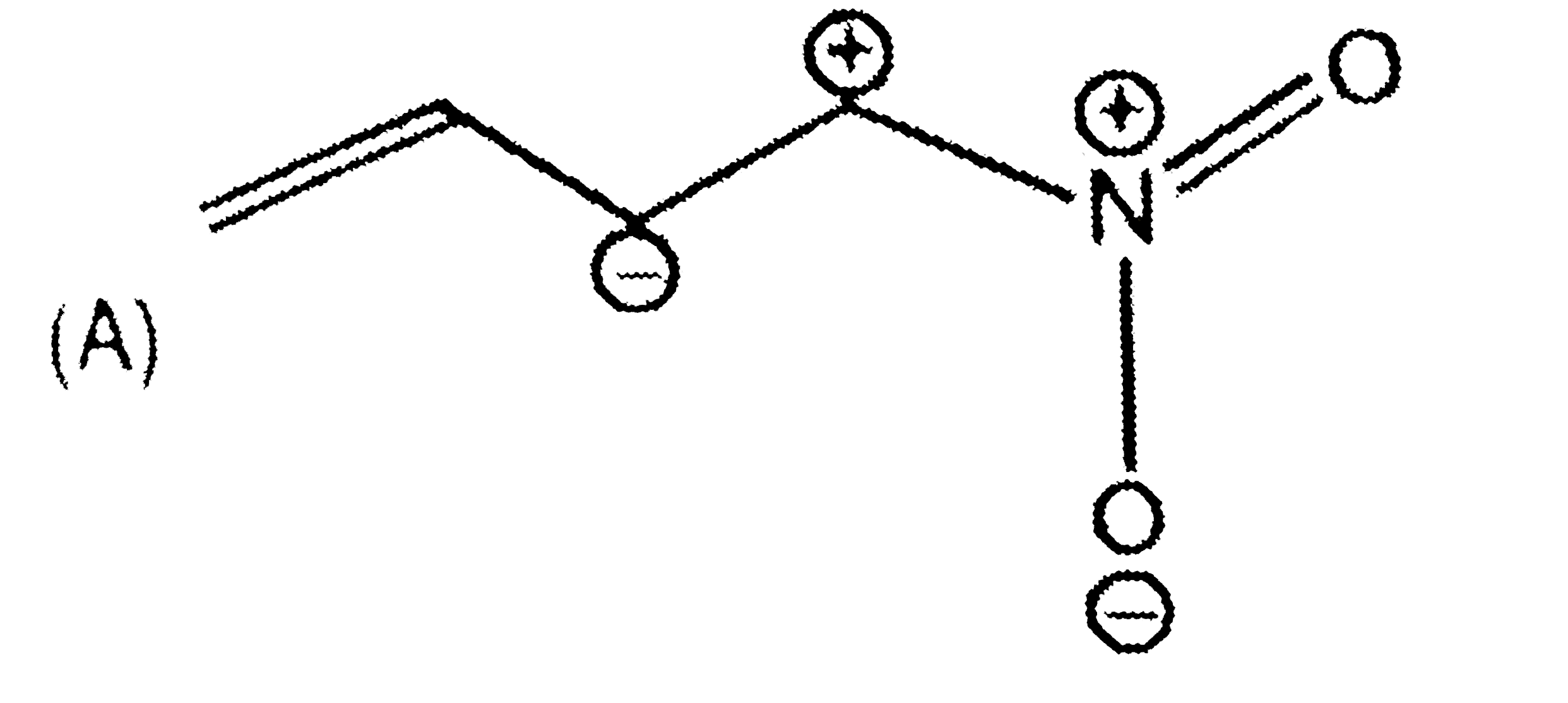
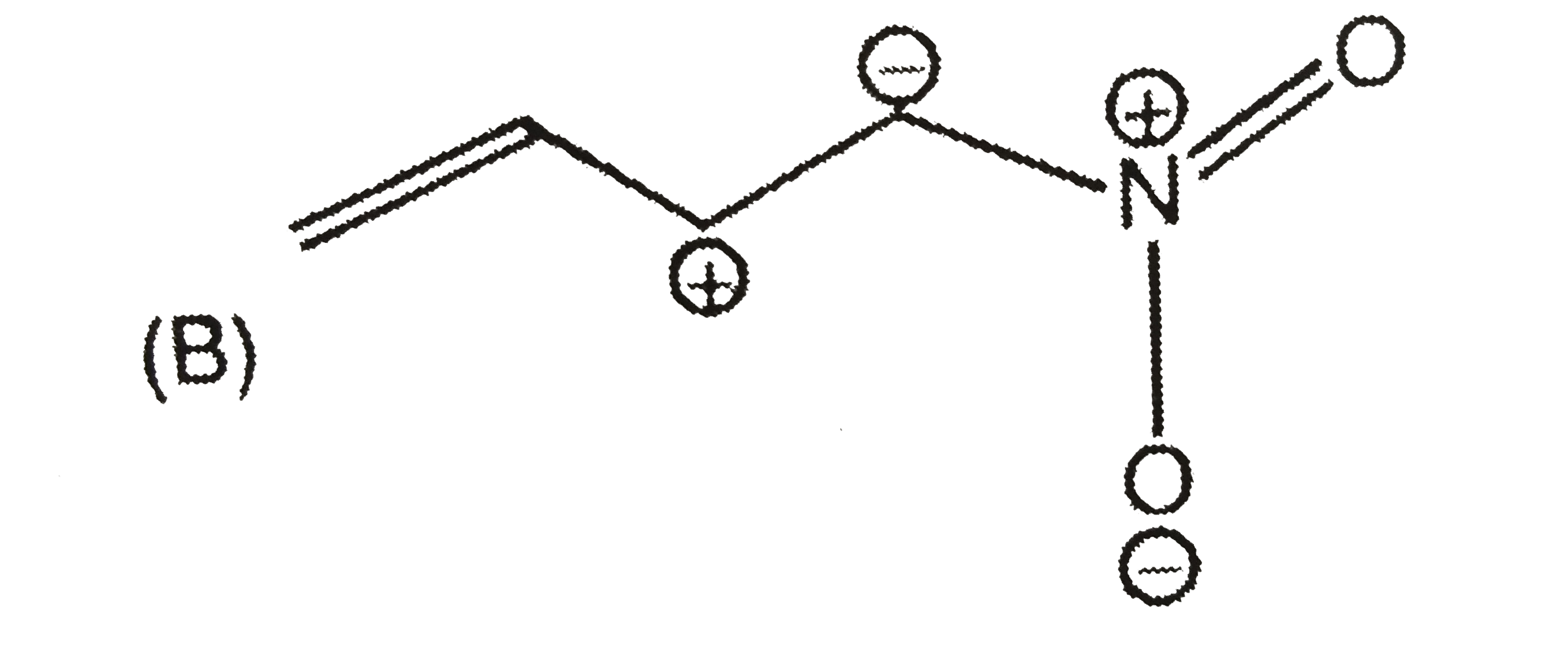
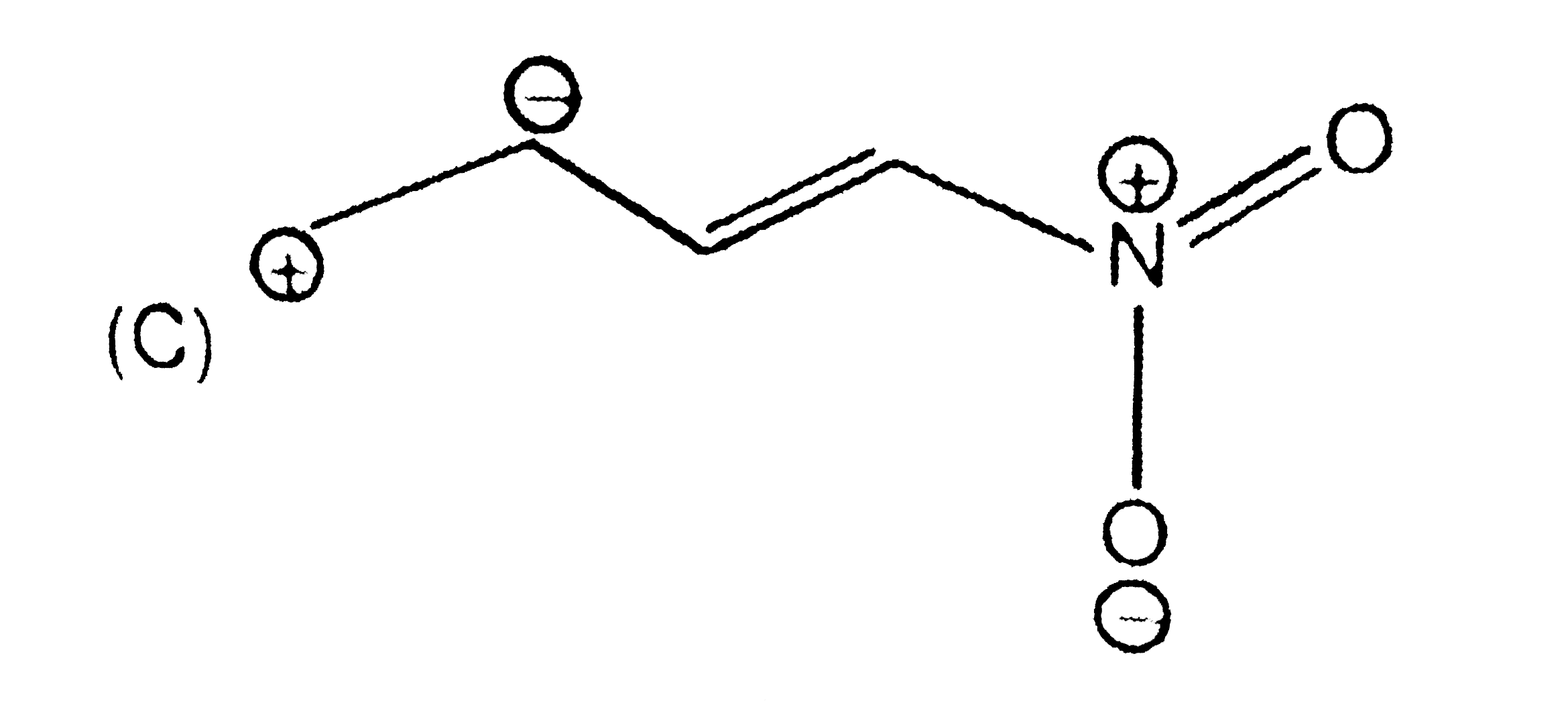
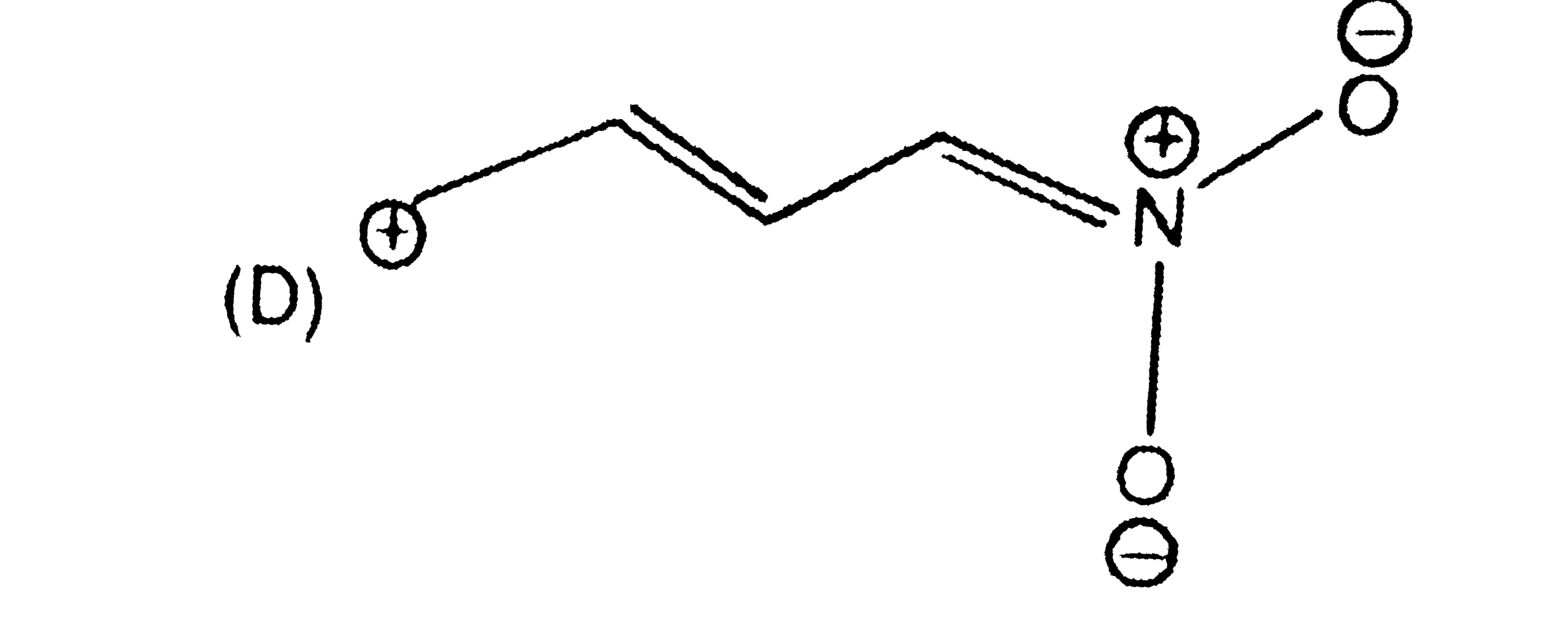
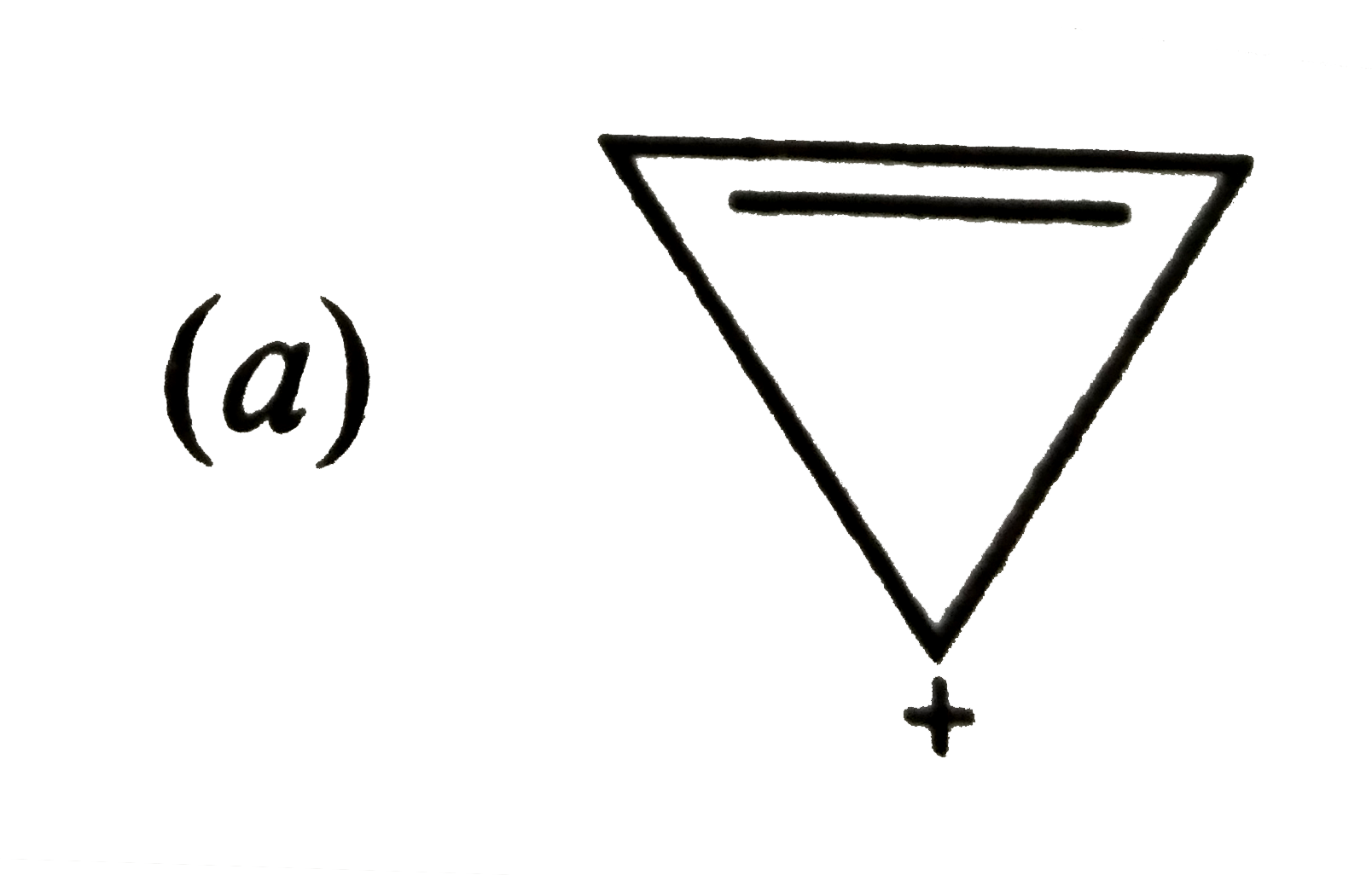
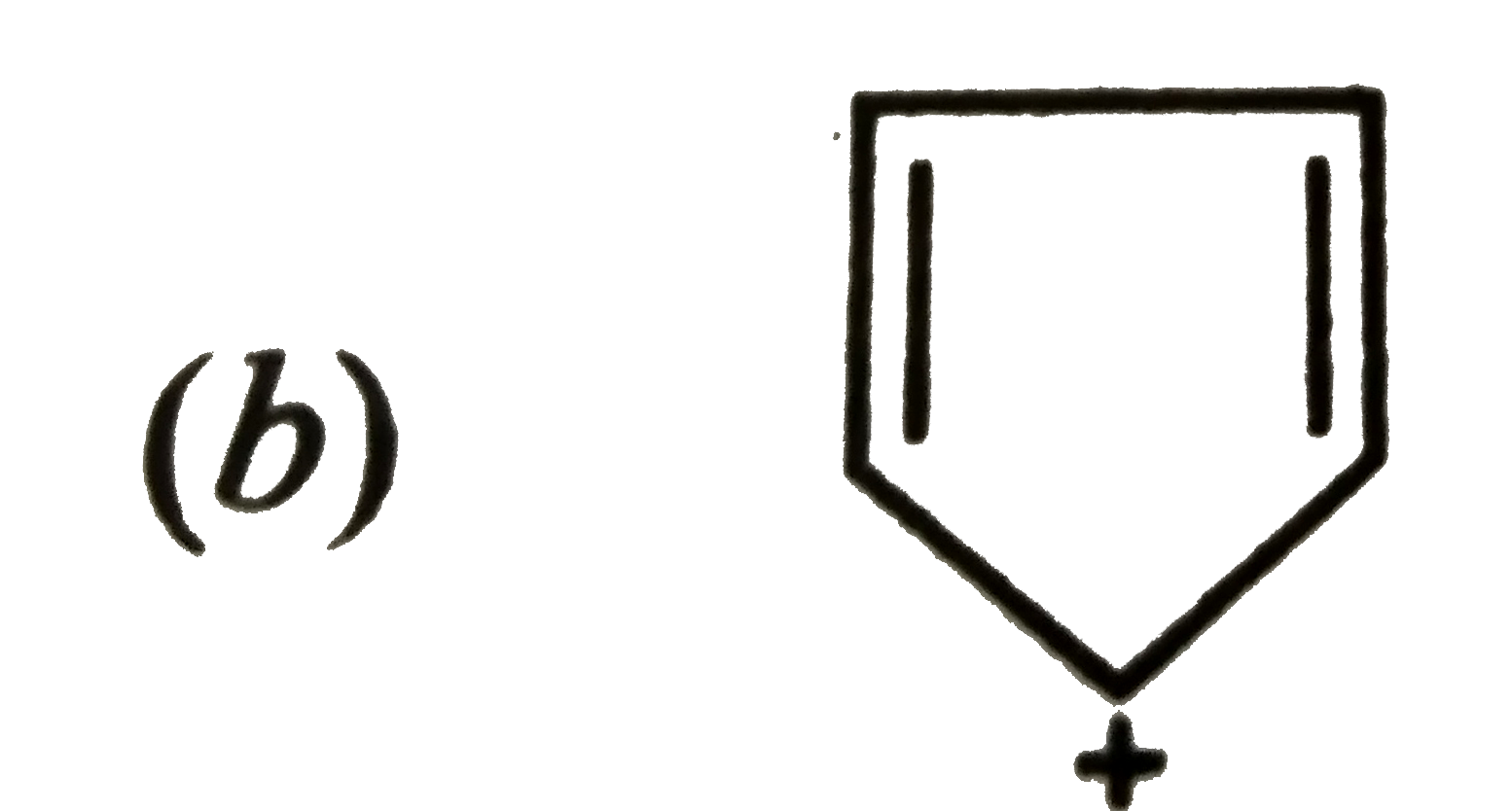
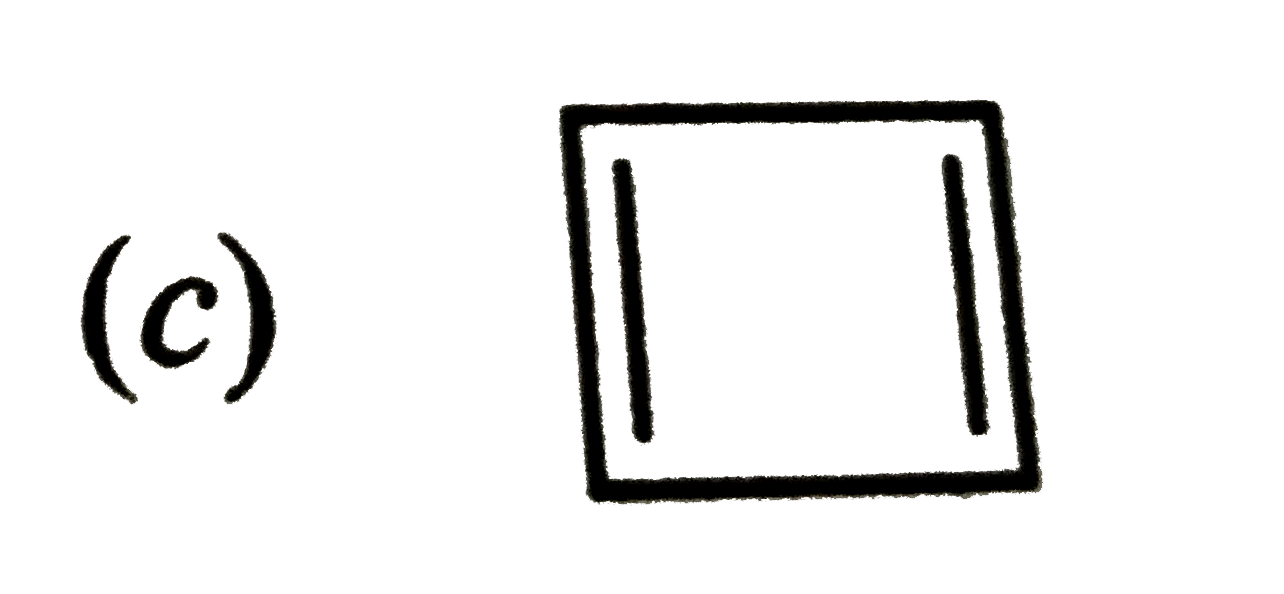
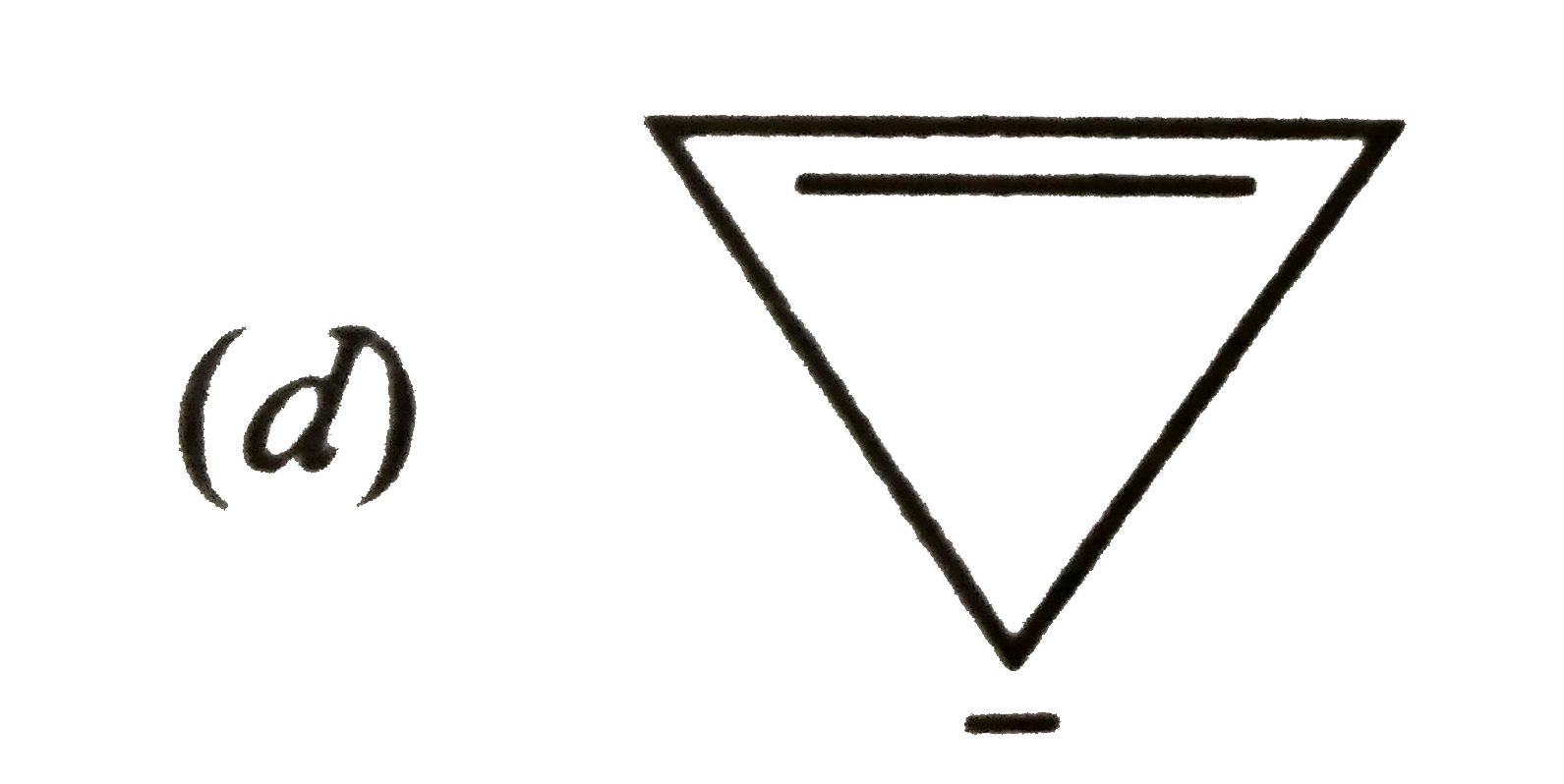
Among the following , the least stable resonance structure is |
|
Answer»
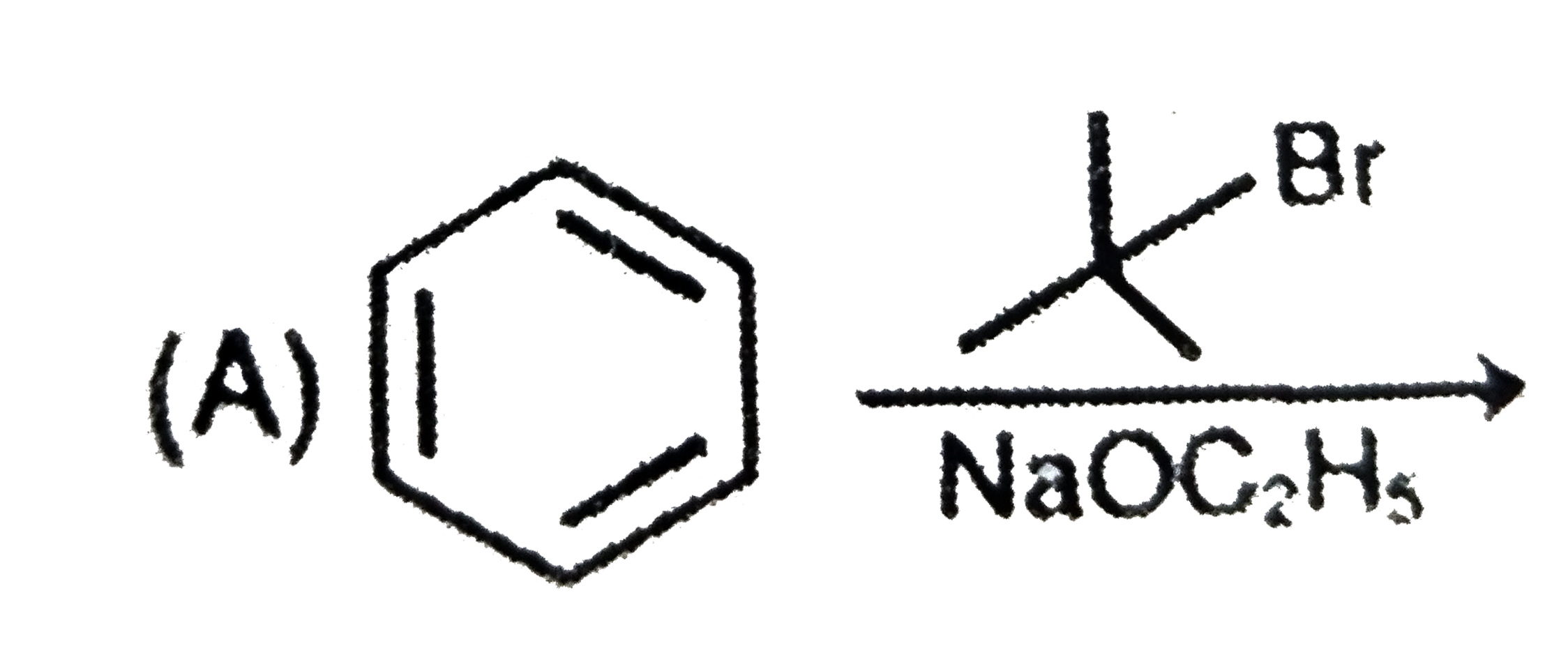
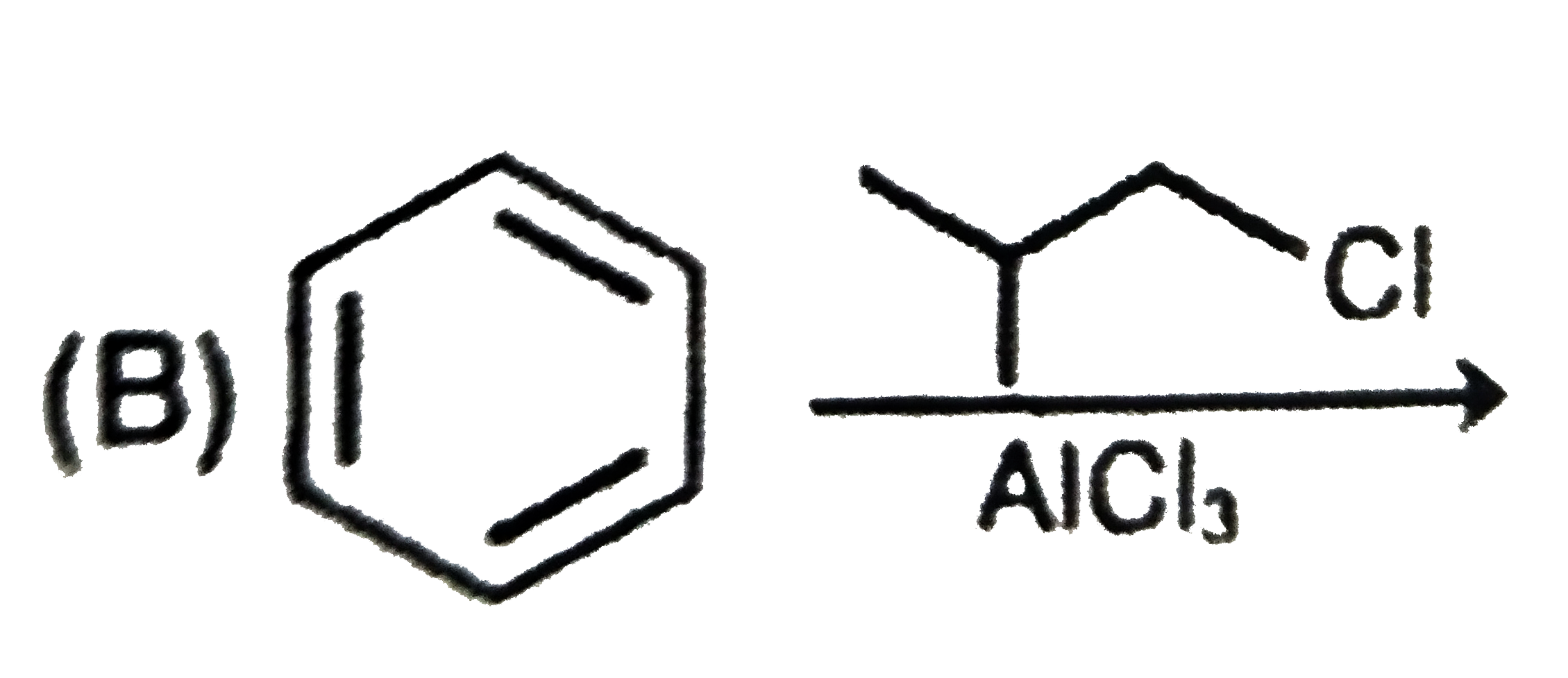
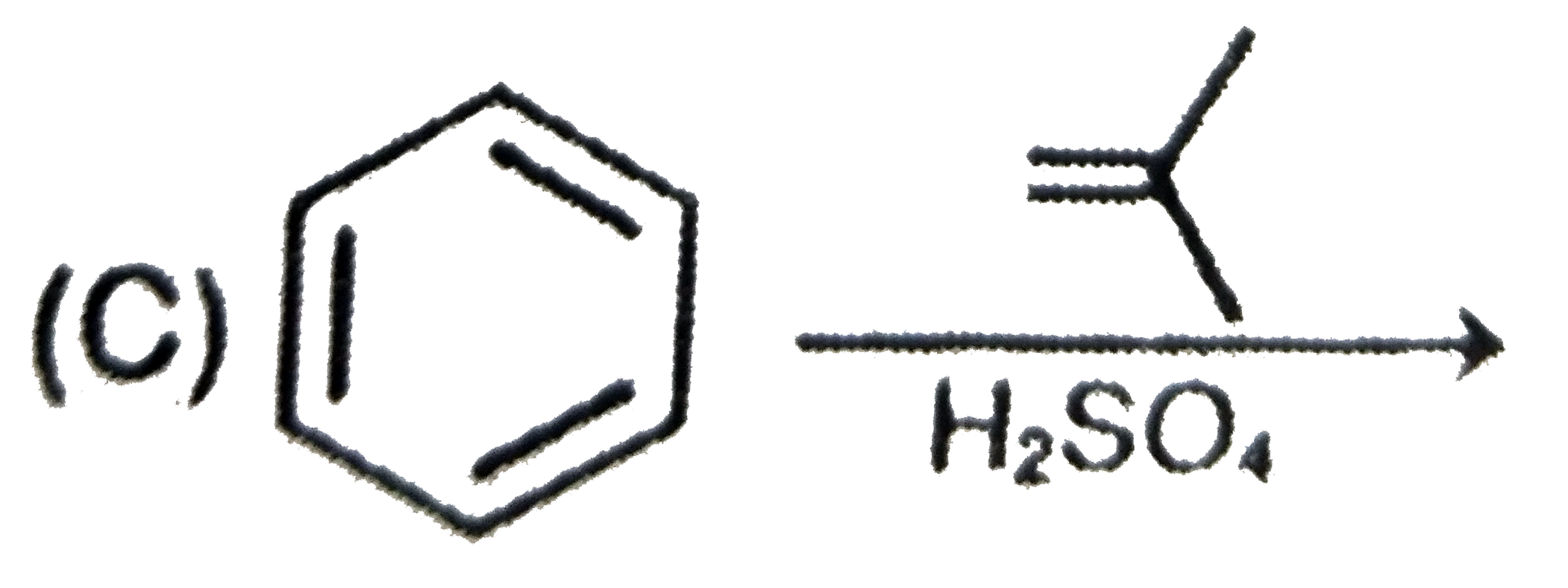
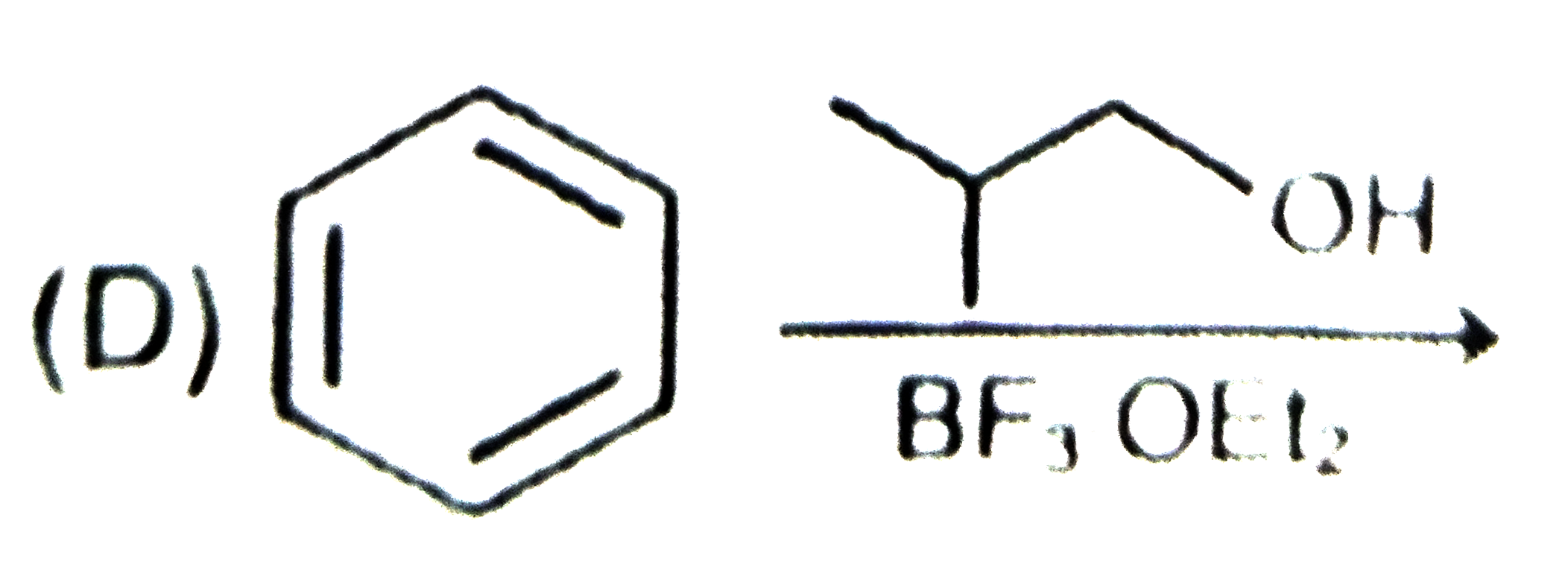
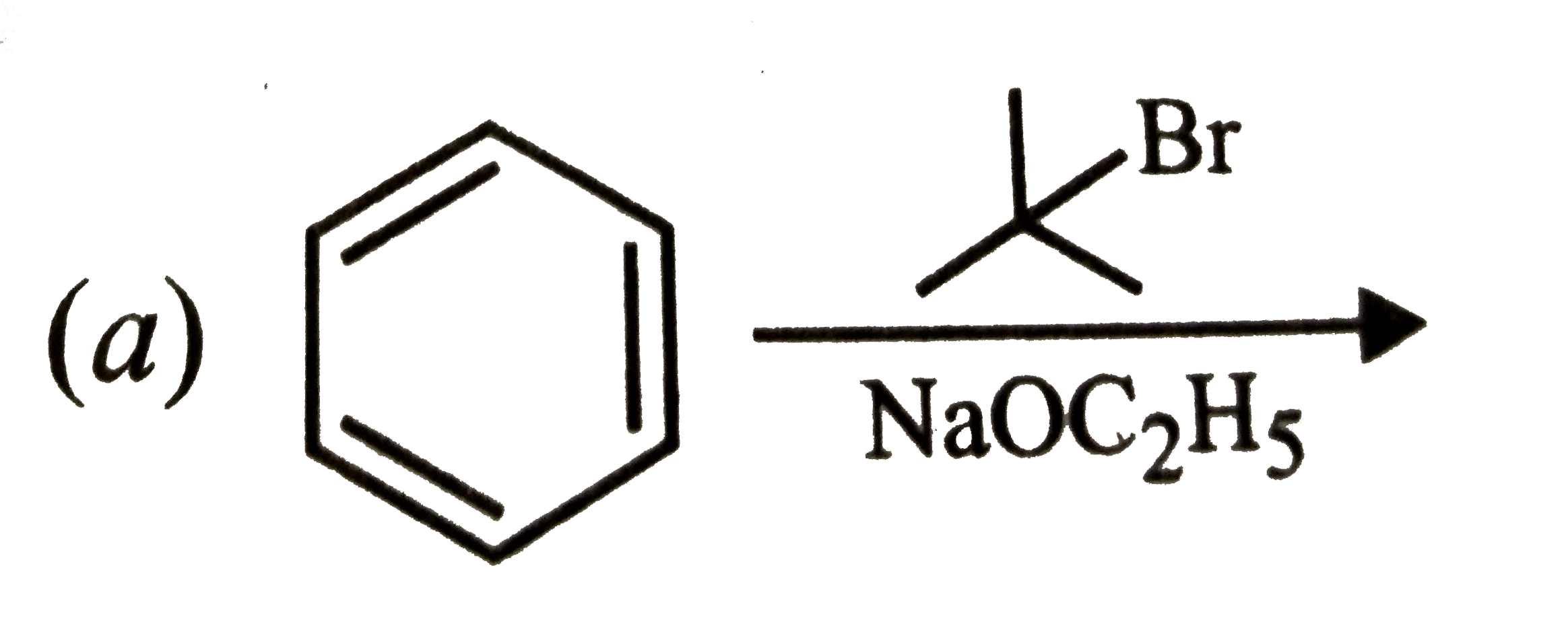
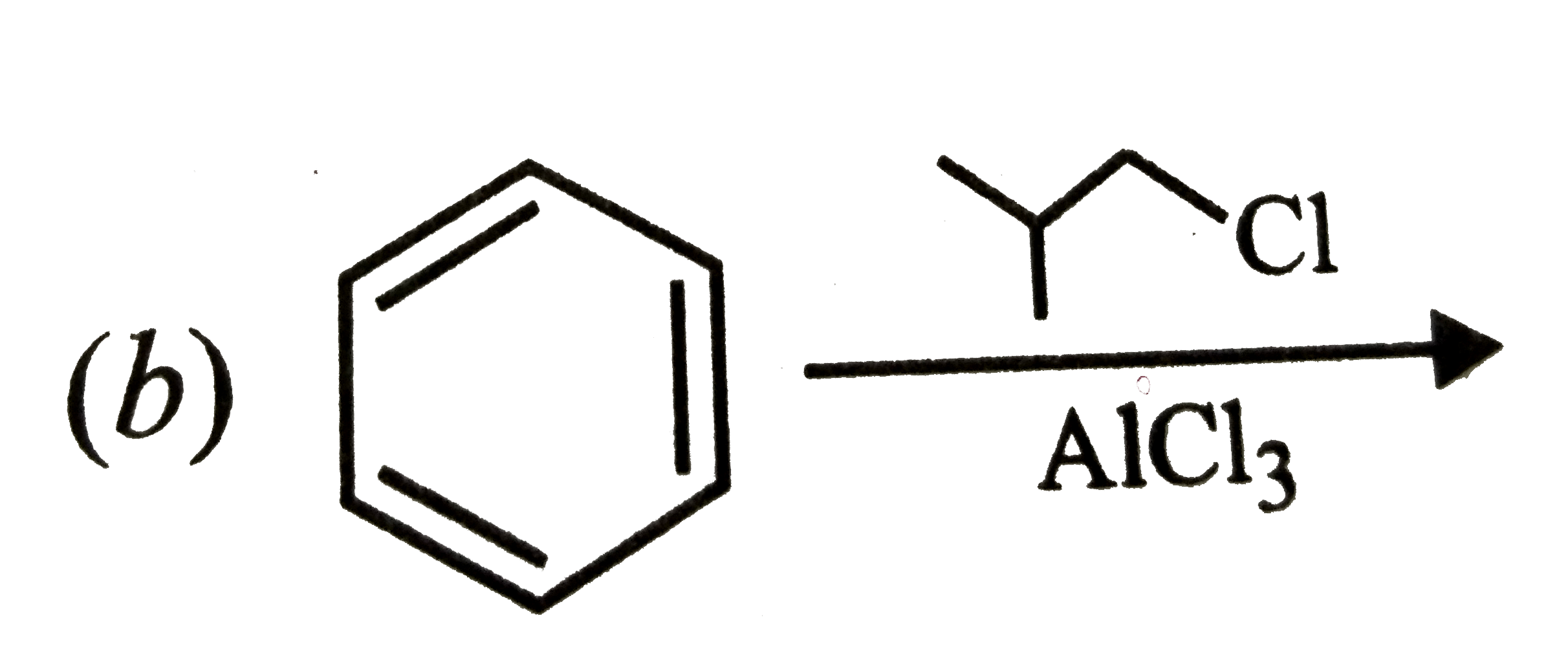
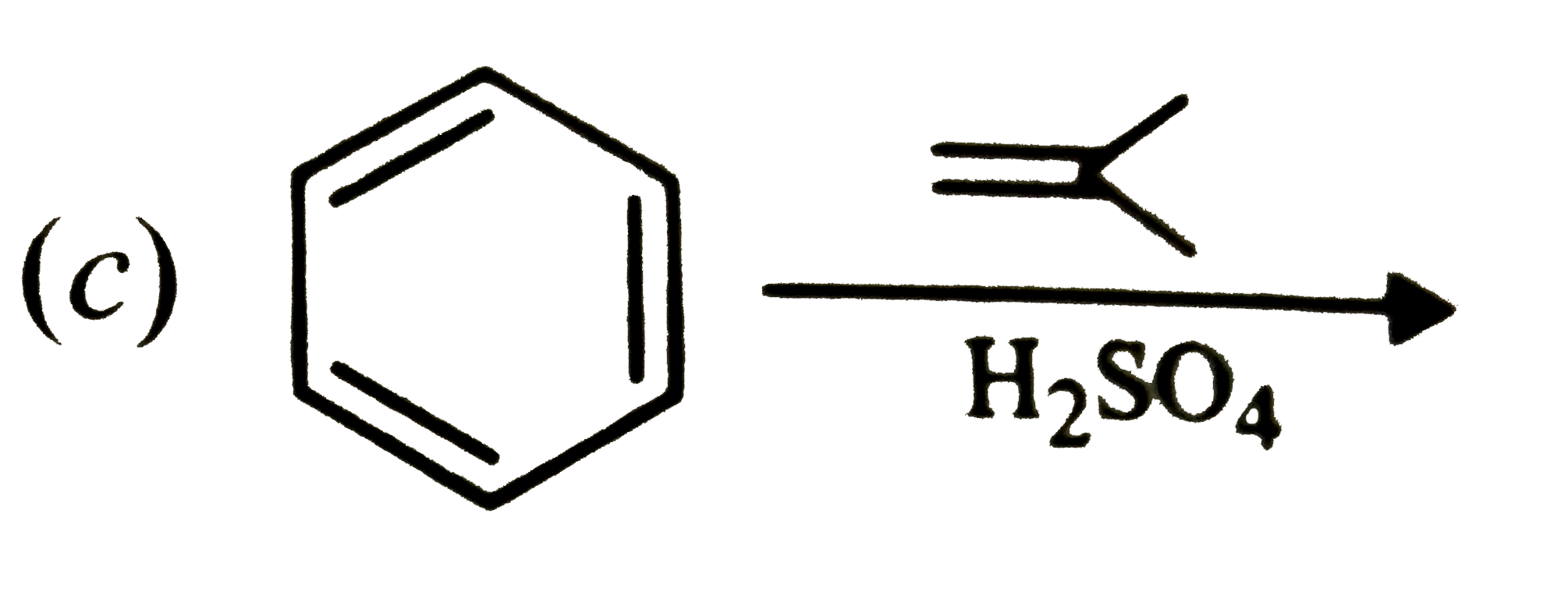
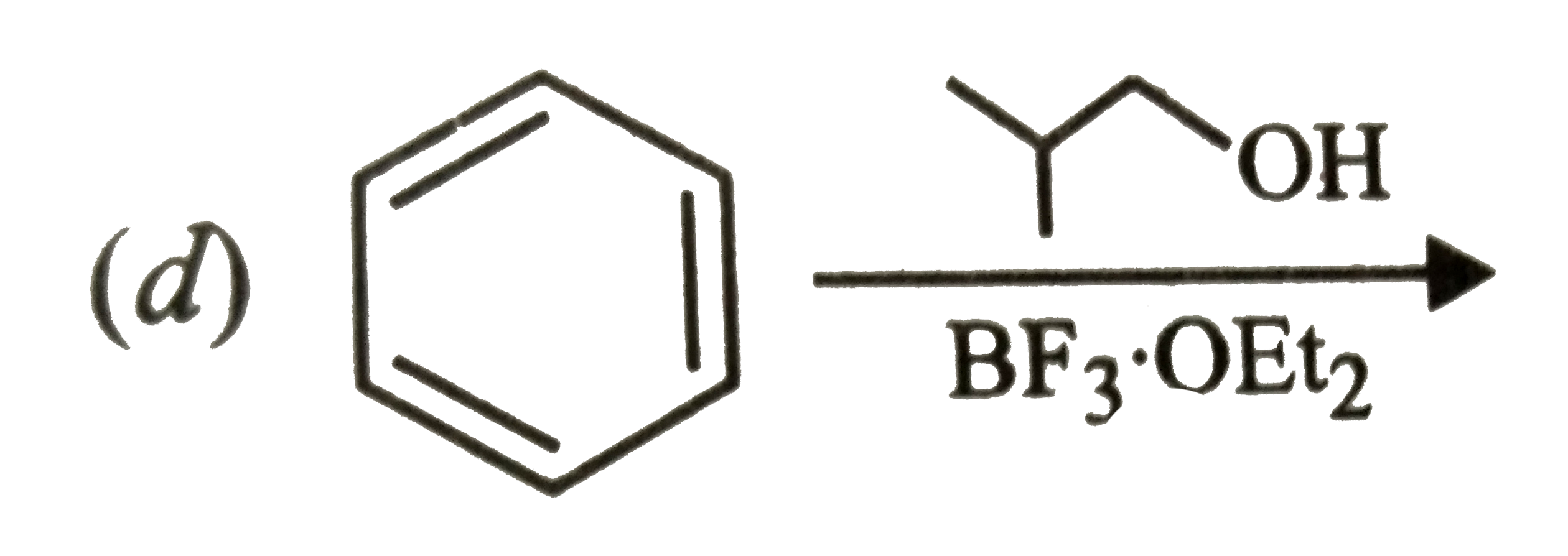
|
|
| 7. |
Among the following, the least stable resonating structure is : |
|
Answer»
|
|
| 8. |
Among the following, the least stable resonance structure is |
|
Answer»
|
|
| 9. |
Among the following, the formula of saturated fatty acid is |
|
Answer» `C_(17)H_(29)COOH` |
|
| 10. |
Among the following, the correct statement(s) is(are) |
|
Answer» `Al(CH_(3))_(3)` has the three-centretwo-electron bonds in its DIMERIC strucutres |
|
| 11. |
Among the following the compound that contains , ionic, covalentand coordinate linkage is …………. |
| Answer» SOLUTION :`NH_4 Cl` | |
| 12. |
Among the following , the compound that contains, ionic , covalent and co-ordinate linkage is |
| Answer» Solution :`NH_(4)Cl` | |
| 13. |
Among the following the compound having the highest enol content : |
|
Answer» `CH_(3)COOCH_(3)` |
|
| 14. |
Among the following the aromatic compound is |
|
Answer»
|
|
| 15. |
Among the following the aromatic compounds is |
|
Answer»
|
|
| 16. |
Among the following , the alkene on ozonolysis giving rise to onlyone aldehyde as the product , is |
|
Answer» 1-butene |
|
| 17. |
Among the following, the applications of Graham's law are a) In Marsh gas alarm b) In designing eudiometer c) In separating uranium isotopes d) To measure volume of a gas by gas burette |
|
Answer» a, c |
|
| 18. |
Among the following, the air pollutants are _____ CO,CO_(2), N_(2),O,NO,SO_(2),O_(3),CH_(4) |
|
Answer» |
|
| 19. |
Among the following substituted silanes the one which will give rise to cross linked silicone polymer on hydrolysis is |
|
Answer» `R_(2)SiCl_(2)` |
|
| 20. |
Among the following substitutedsilanes, the one which will give rise to cross-liked silicone polymeron hydrolysis is |
|
Answer» `R_(3)SICL` |
|
| 21. |
Among the following structures the one which is not a resonating structure of others is |
|
Answer» I |
|
| 22. |
Among the following statements which one is/are correct : |
|
Answer» Cyanic ACID `(H-O-CequivN)` and isocyanic acid (H - N = C = O) are not separable in `H_(2)O` |
|
| 23. |
Among the following statements, which on is/are correct? (i) During cyclic process the amount of heat absorbed by the surrounding is equal to work done on the surrounding. (ii)Refractive index is an example for intensive property. (iii)If the enthalpy change of a process is positive then the process is spontaneous. (iv)If the enthalpy change of a process is positive then the process is spontaneous. |
| Answer» Solution :(ii)only | |
| 24. |
Amongst the following statements, which is(are) correct ? |
|
Answer» CYANIC acid `(H-O-CequivN)` and isocyanic acid (H - N = C = O) are not separable in `H_(2)O` |
|
| 25. |
Among the following statements on the nitration of aromatic compounds, find the number of false statement(s)? i) The rate of benzene is almost the same as that of hexadeuterobenzene. ii) Loss of aromaticity when overset(oplus)NO_2 attacks at ortho and Para position and not at Meta position. iii) Nitrobenzene prepared from benzene by using a mixture of conc. HNO_3 and conc. H_2SO_4 inwhich HNO_3 act as a base iv) Nitration is an electrophilic substitution reaction. |
|
Answer» |
|
| 26. |
Among the following statements a) If two salts have equal solubility then their solubility products are equal. b) BaSO_(4) , in more soluble in water than in dil. H_(2),SO_(4) ( c)When KI is added to Pbl_(2), then the[Pb^(2+)] decreases d) In any solution containing AgCI, the value of [Ag^(+)] [CI^(-)] is constant at constant temperature. |
|
Answer» All are correct (b)due to common ION effect SOLUBILITY iin ` H_2SO_4` decreases ( c )due to common ion effect , solubility in KIdecreases (d) ` [Ag^(+) ] [Cl^(-) ] =` Ksp (constant |
|
| 27. |
Among the following species, identify the isostructural parisNF_(3), NO_(3)^(-) , BF_(3), H_(3)^(+) O , HN_(3) |
|
Answer» `[NF_(3),NO_(3)^(-)] and[ BF_(3), H_(3)^(+) O]` WHEREAS `NO_(3)^(-) and BF_(3)` are triangular PLANAR `(sp^(2)` hybridised ) `NH_(3)` has a bent structure |
|
| 28. |
Which one of the following pairs of ions have the same electronic configuration |
|
Answer» `Ti^(2+), V^(3+), CR^(4+) , MN^(5+)` `Cr^(4+) - [Ar] 4s^0 3d^2 , Mn^(5+) - [Ar] 4s^0 3d^2` |
|
| 29. |
Among the following reactions which one has K_(P) = K_(C) ? |
|
Answer» `N_(2) O_(4) hArr 2NO_(2) (G)` In EQUATION `N_(2) (g) + O_(2) (g) hArr 2 NO (g)` `Deltan_(g) = 0` `therefore K_(p) = K_(C) . RT^(0)` `K_(P) = K_(C)` |
|
| 30. |
Among the following representations of excited states of atoms which is impossible ? |
|
Answer» `1s^2 2s^1` |
|
| 31. |
Among the following , reaction(s) which gives(give) tert-butyl benzene as the major product is(are) |
|
Answer»
|
|
| 32. |
Among the following reaction(s) which gives(give) tert-butyl benzene as the major product is(are) |
| Answer» Solution :Rearrangement POSSIBLE in the presence of ACIDIC MEDIUM, sodium ethaoxide is a STRONG base it GIVES`E_(2)` elemination. | |
| 33. |
Among the following reaction(s) which gives (give) tert-butylbenzene as the major product is/(are) |
|
Answer»
|
|
| 34. |
Among the following reactions which gives (give) tert-butylbenzene as the major product is (are) |
|
Answer»
 REMAINING reactions give t-butylbenzene as the major product. |
|
| 35. |
Among the following reactions, used in titrations, select the reaction (s) in which the chlorine is oxidised : 1. MnO_(2) + 4HCl to MnCl_(2)+Cl_(2)+2H_(2)O 2.2KI+Cl_(2)to 2KCl+I_(2) 3. CaOCl_(2)+H_(2)O to Ca(OH)_(2) +Cl_(2) 4. CrO_(2)Cl_(2)+2NaOH to Na_(2)CrO_(4)+2HCl |
|
Answer» REACTION 2, 3 and 4 |
|
| 36. |
Among the following reaction which favours forward reaction ? |
|
Answer» `ETOH + PhO^(Ө)hArr ETO^(Ө) + PHOH` |
|
| 37. |
Among the following pairs, which occurs in large amounts in sea water? |
|
Answer» LI, Rb |
|
| 38. |
Among the following pairs, the pair that illustrates functional isomerism is |
|
Answer» 1-butanol and 2-butanol |
|
| 39. |
Among the following pairs of orbitals which orbital will experience the larger effective nuclear charge ? (i) 2s and 3s (ii) 4d and 4f (iii) 3d and 3p |
|
Answer» Solution :i) `2sgt3s` ii) `4d GT 4f` iii) `3P gt 3D` |
|
| 40. |
Givesymbolof followingspecies : (I )Numberof electronprotonandneutronin 108 and8 respectively . (ii)ca (z=20 ) andnucleon = 40 (iii)Speciesof mass number25proton12 magnesium andelectron10 (iv)Speciesof Bromine f in which( z=35)electron36 andneutron 45 . |
| Answer» SOLUTION :2s , 4d and 3pexperiencemorenuclearattraction .fromthe givenpair thewhichorderof ENERGY`2s lt3s4dlt 4f3plt 3D` | |
| 41. |
Among the following pairs of orbitals which orbital will experience the larger effective nuclear charge? (a) 2s and 3s, (b) 4d and 4f, (iii) 3d and 3p |
|
Answer» Solution :(i) 2s is closer to the NUCLEAR than 3s. Hence, 2s will experience LARGER effective nuclear charge. (ii) 4d (iii) 3p (for same reasons) ALTERNATIVELY, exact CALCULATIONS can be done by applying Slater's rules GIVEN on |
|
| 42. |
Among the following pairs, in which one from first species to second species decrease in radius is maximum |
| Answer» Answer :A | |
| 43. |
Among the following pairs of elements, the pair that is different from others is |
|
Answer» Lithium and MAGNISIUM |
|
| 44. |
Among the following oxides, how many have NaCi type structure BeO, MgO, CaO, BaO, SrO |
|
Answer» |
|
| 45. |
Among the following observation, the correct one that differentiates between SO_(3)^(2-) and SO_(4)^(2-) is |
|
Answer» Both form precipitates with `BaCl_(2), SO_(3)^(2-)` DISSOLVES in HCl but `SO_(4)^(2-)` does not |
|
| 47. |
Among the following most metallic element is |
|
Answer» Al |
|
| 48. |
Among the following molecules, the correct order of C - C bond length is |
|
Answer» `C_(2)H_(6) gt C_(2)H_(4) gt C_(6)H_(6) gt C_(2)H_(2)` |
|
| 49. |
Among the following molecules in which Chlorine shows maximum oxidation state? |
|
Answer» `Cl_(2)` 2X-14 = 0 2x = + 14 x = +7 |
|
| 50. |
Among the following moleculas/ions BeCl_(2) ,N_(3)^(-) ,N_(2)O,NO_(2)^(+),O_(3),SCl_(2),ICI_(2)^(-) ,I_(3)^(-) and XeF_(2), the total number of linear molecule(s)ion(s) where the hybridization of the central atom does not have contribution from the d-orbital(s) is (Atomic number : S 16, Cl =37 ,I = 53 and Xe 54) |
|
Answer» `N_(3)^(-) to sp to ` linear`I_(3)^(-) to sp^(2)d to ` linear `N_(2)OTO sp to ` linear`Icl to sp^(3) d to ` linear ` NO_(2)^(+) to sp to ` linear`XeF_(2) to sp^(3) d to ` linear `O_(3) to sp^(2) to ` bent Thus , there are total four linear molecular/ions where the hybridisation of the central atom does not have CONTRIBUTION from the d-orbitals . |
|