Saved Bookmarks
This section includes 7 InterviewSolutions, each offering curated multiple-choice questions to sharpen your Current Affairs knowledge and support exam preparation. Choose a topic below to get started.
| 1. |
In which of the following sets, all the properties belong to same category (all extensive or all intensive) |
|
Answer» MASS, volume, specific heat |
|
| 2. |
In which of the following set all molecules have equal bond order? |
|
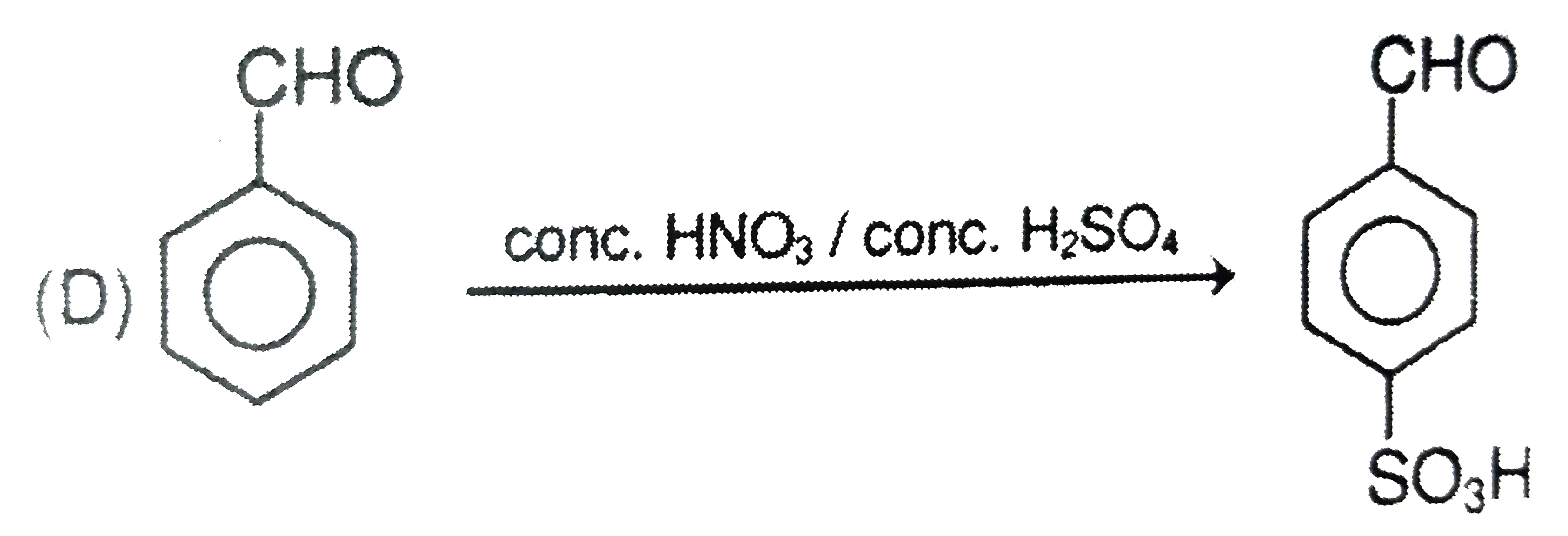
Answer» `H_(2),He_(2),B_(2)` |
|
| 3. |
In which of the following Second anion is more stable than First? |
|
Answer» `O_2N - OVERSET(ODOT)CH_2 and F-overset(odot)CH_2` |
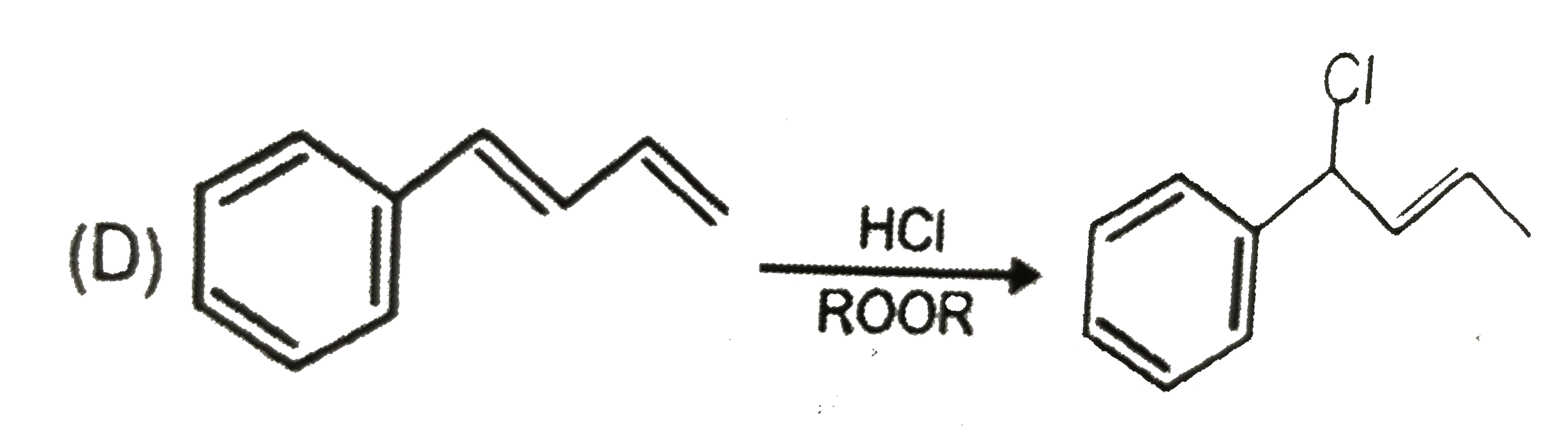
|
| 4. |
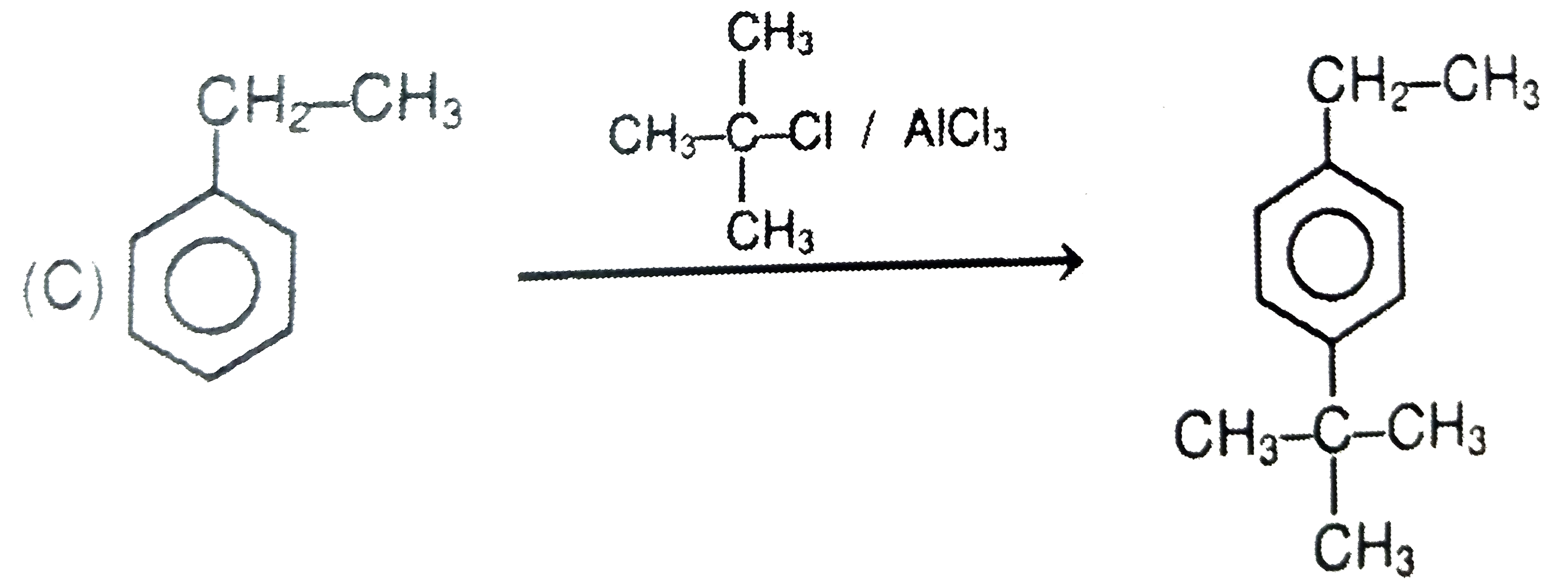
In which of the following, resonance of -NH_(2) group is possible ? |
|
Answer» 1-Aminobutane |
|
| 5. |
In which of the following representation given below spatial arrangement of group/atom different from that given in structure (a)? |
|
Answer»
 `therefore A cancel(-=) (a)` Because the position is change (I) Structure  The (B) is obtain by `120^(@)` ROTATION of (a) at anticlock wise on `C-CH_(3)` `therefore (a) -= (B)` (C ) from structure (a)  `therefore (a) cancel(-=) C` D from structure (a)  `therefore a cancel(-=)(D)` In three-dimensional the representation of (A), (C ), (D) is differ than (a) |
|
| 6. |
In which of the following regions hydrogen and helium are found |
|
Answer» Stratophere |
|
| 7. |
In which of the following region of atmosphere, lowest tempt!rntures arc observed ? |
|
Answer» troposphere |
|
| 8. |
In which or the following region ionisation of gases takes place |
|
Answer» Troposhere |
|
| 9. |
In which of the following redox reactions are neither the reactants nor the products favored ? |
|
Answer» ` Co(s) +Ni^(2+) (AQ.)RARR Co^(2+) (aq.) + Ni(s)` |
|
| 10. |
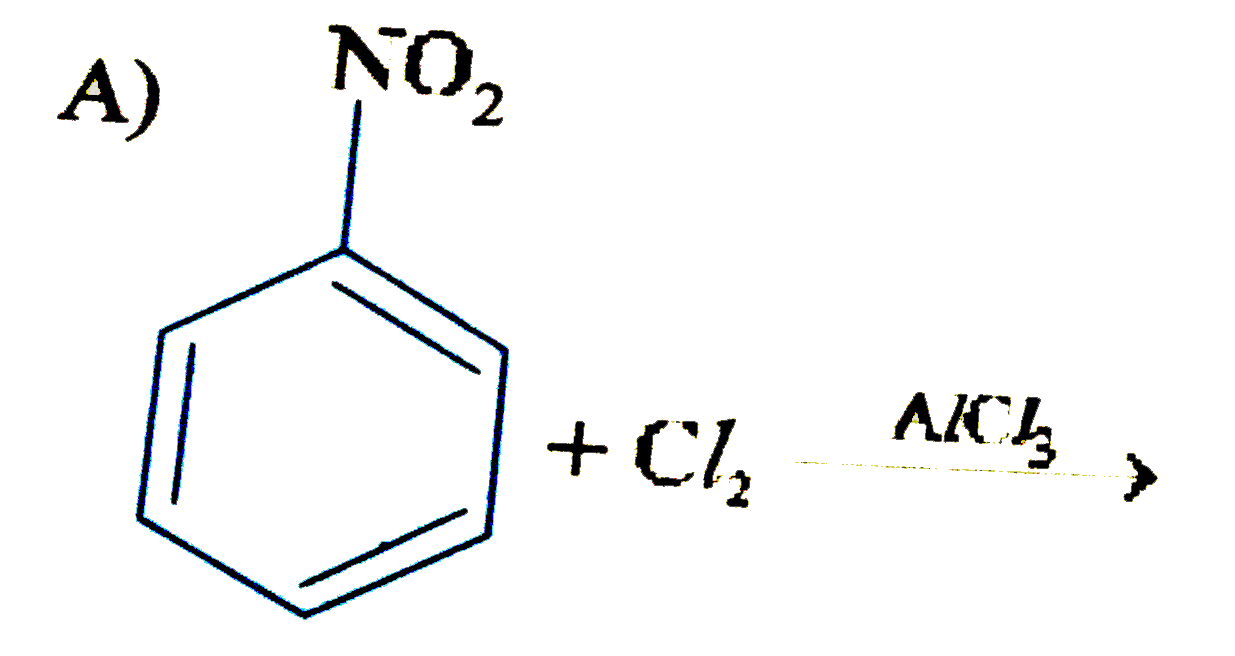
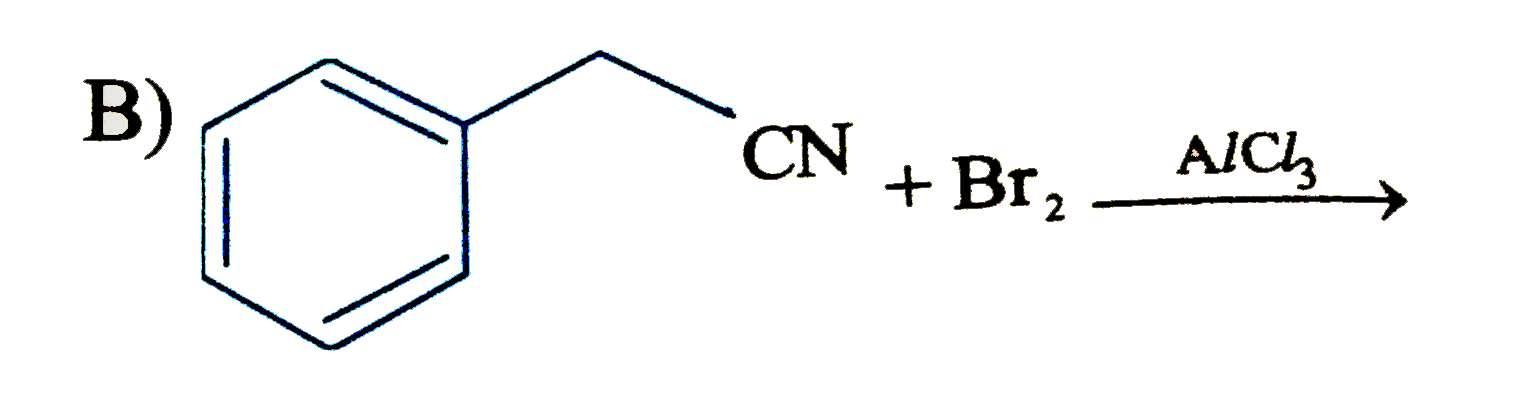
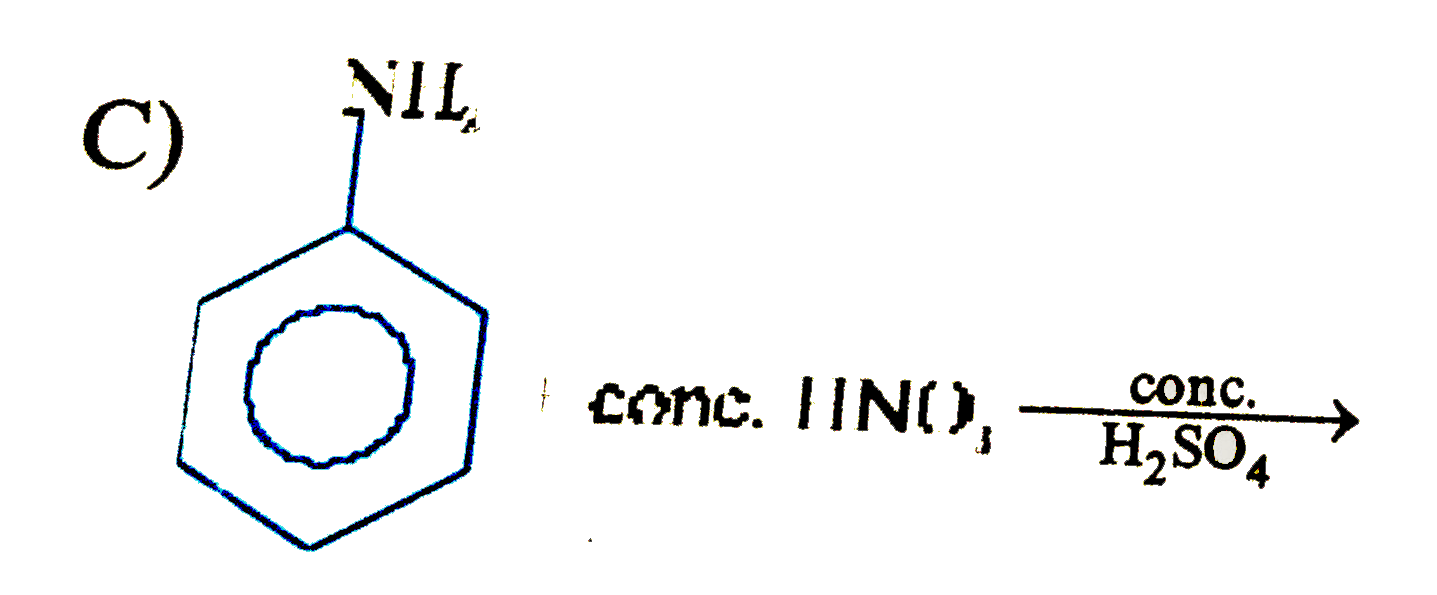
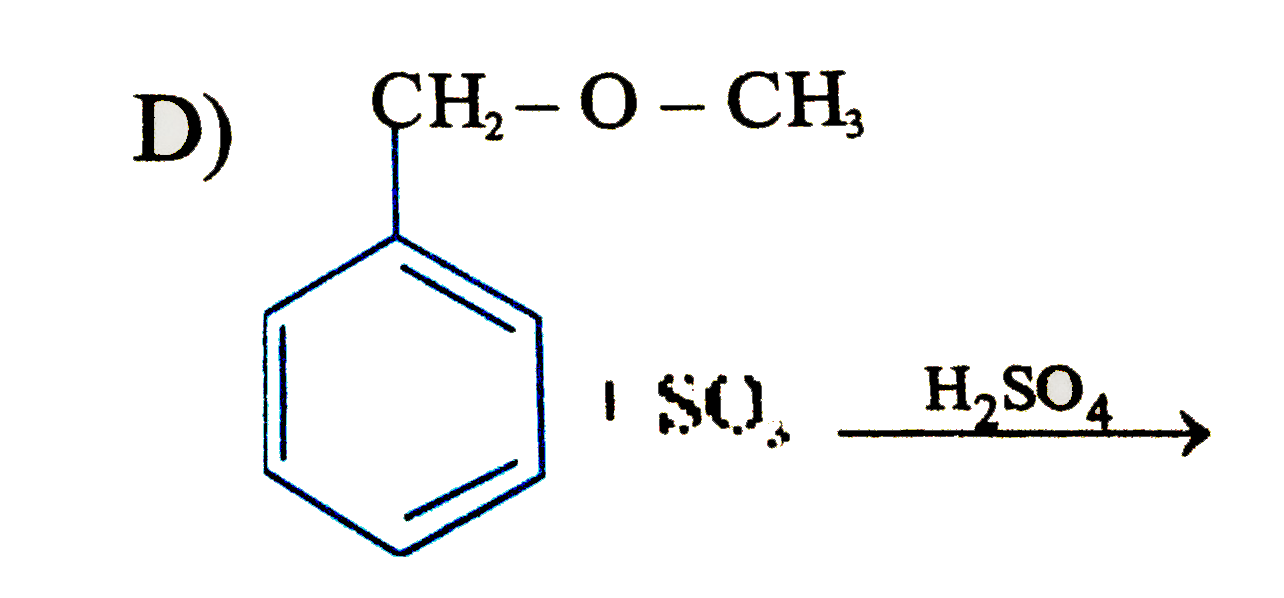
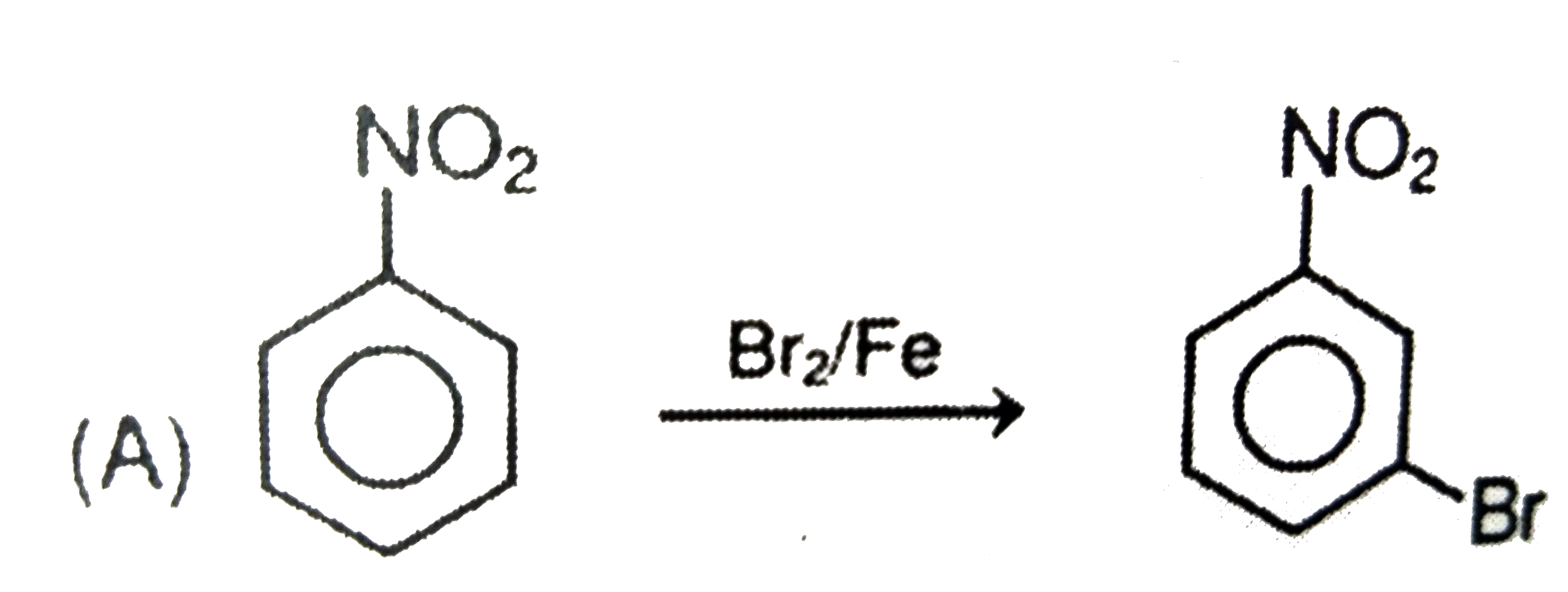
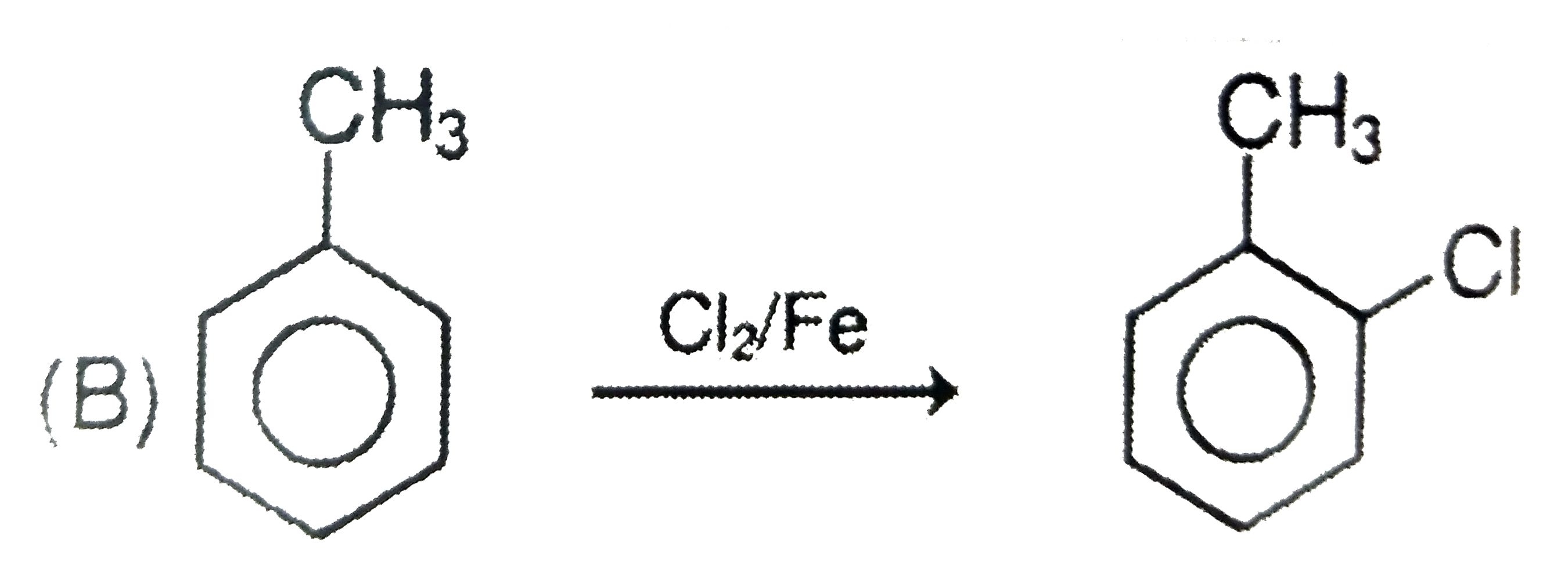
In which of the following reation meta substitution product predominate |
|
Answer»
EWG attaches to benzene ring gives M directing product. |
|
| 11. |
In which of the following rearrangement is not possible ? |
|
Answer» `(CH_(3))_(3)overset(oplus)(C)-CH_(2)-O-CH_(3)`  re arrangement is not possible re arrangement is not possible
|
|
| 12. |
In which of the following reactions, the underlined substance has been reduced ? |
|
Answer» `UNDERLINE(CO) + CuO rarr CO_(2) + Cu` |
|
| 13. |
In which of the following reactions, the underlined substance has been oxidised? |
|
Answer» `underline(Br_(2))+ H_(2)S RARR 2HBR + S ` <BR>`underline(2HgCl_(2)) + SnCl_(2) rarr Hg_(2) Cl_(2) + SnCl_(4)` |
|
| 14. |
In which of the following reactions, the equilibrium remains unaffected on addtion of small amount of argon at constant volume ? |
|
Answer» `H_(2) (g) + I_(2) (g) hArr 2 HI (g)` |
|
| 15. |
In which of the following reactions, the equilibrium remains unaffected on addition of small amount of argon at constant volume ? |
|
Answer» `H_(2(g)) + I_(2(g)) hArr 2HI_((g))` `H_(2(g)) + I_(2(g)) hArr 2HI_((g))` `PCl_(5(g)) hArr PCl_(3(g)) +Cl_(2(g))` `N_(2(g)) + 3H_(2(g)) hArr 2NH_(3(g))` The equilibrium constant (K) remains unaffected on addition of INERT gas in all the three cases. |
|
| 16. |
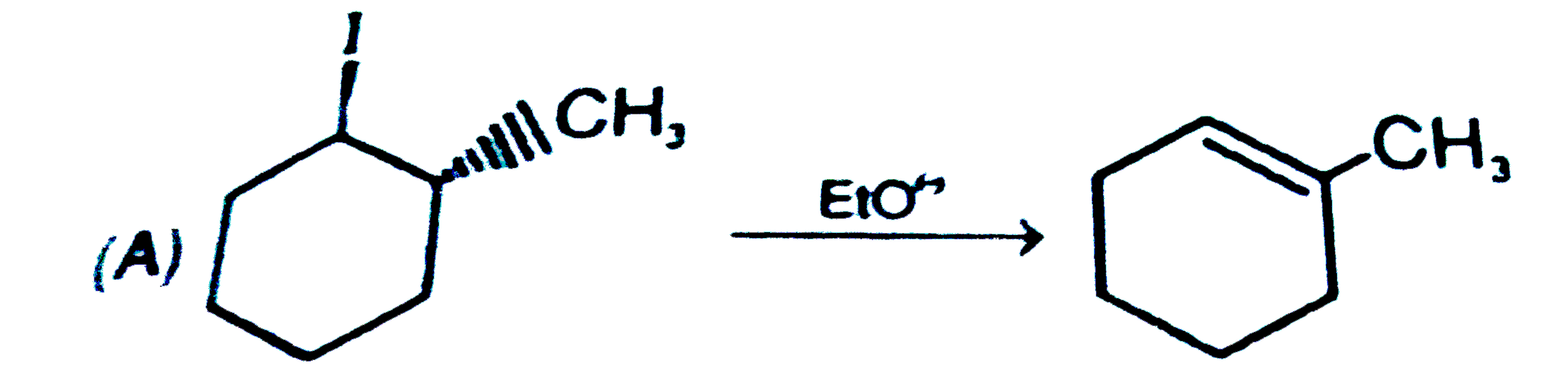
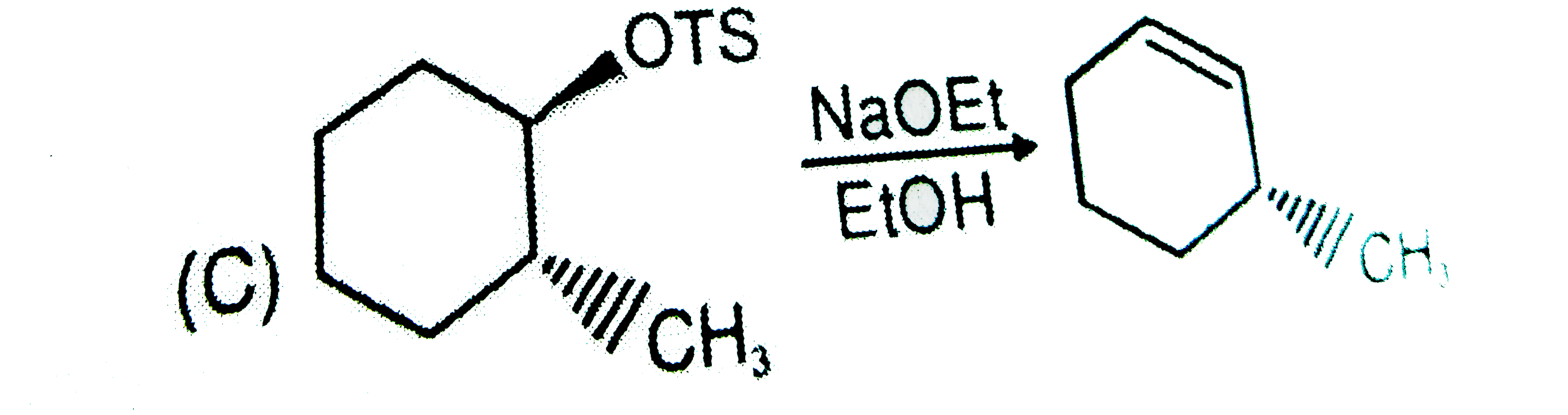
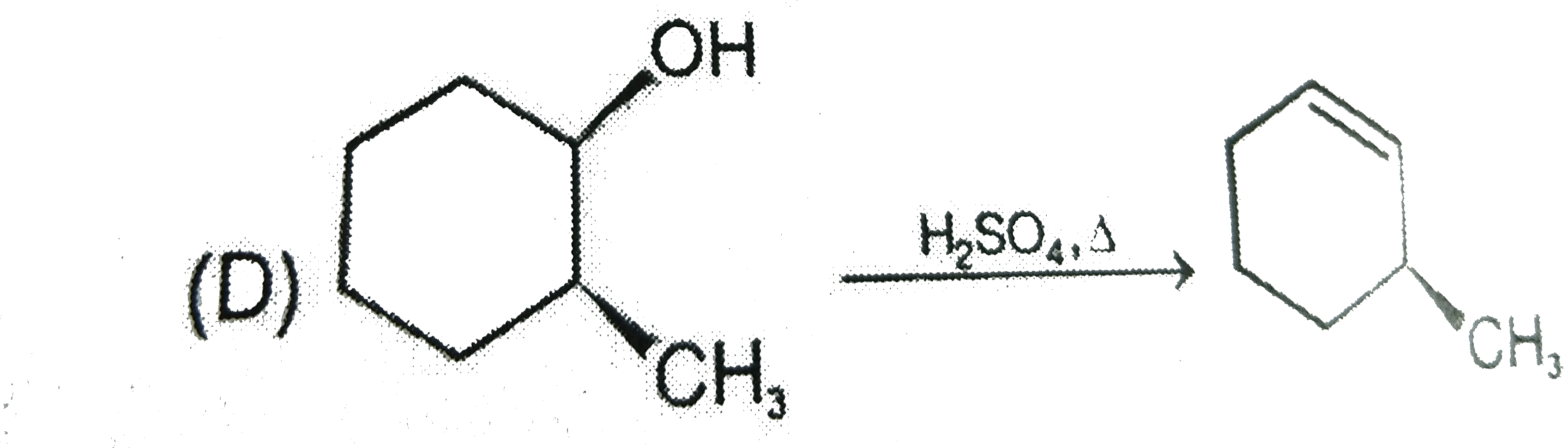
In which of the following reactions the correct major products are mentioned |
|
Answer»
|
|
| 17. |
In which of the following reactions the correct product is given? |
|
Answer»
|
|
| 18. |
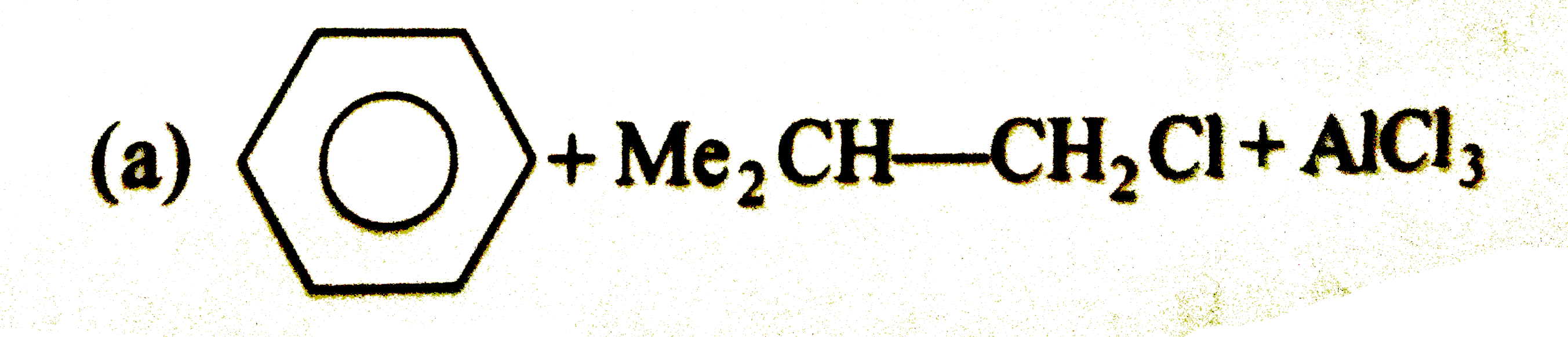
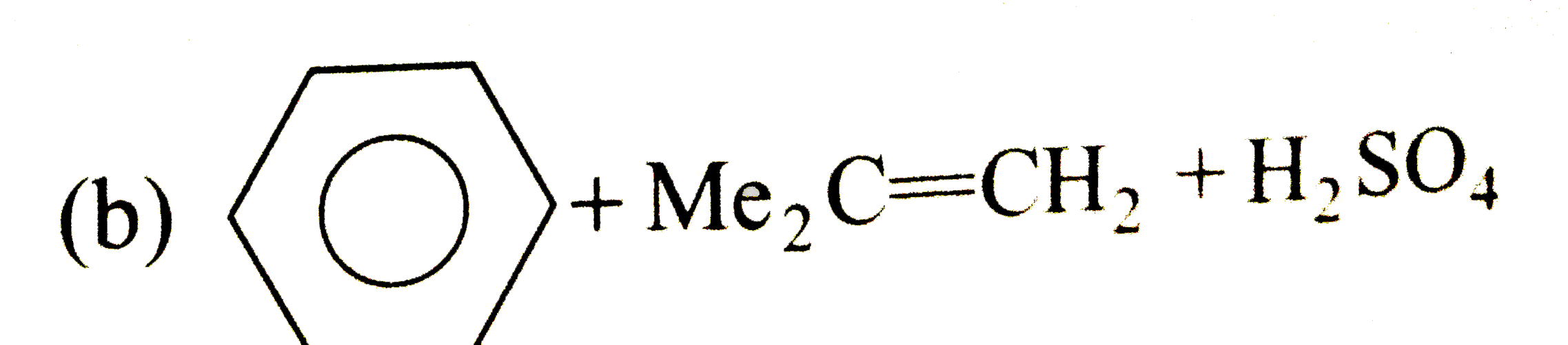
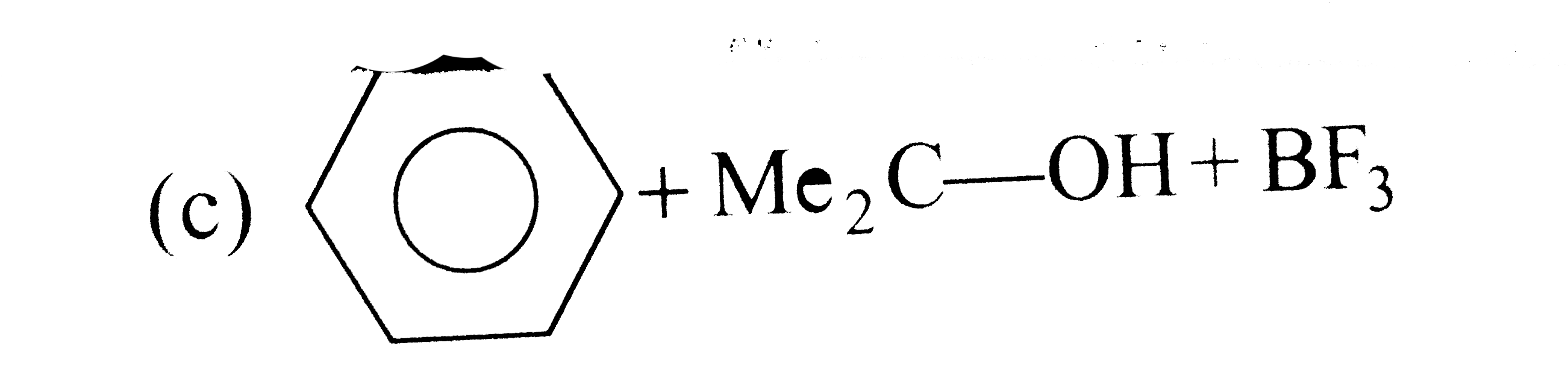
In which of the following reactions, tertaryt butyl benzene is formed ? |
|
Answer»
|
|
| 19. |
In which of the following reactions, standard reaction entropy change (DeltaS^(@)) is positive and standard Gibb's energy change (DeltaG^(@)) decreases sharply with increasing temperature? |
|
Answer» `C ("graphite") + 1/2O_(2)(g) to CO(g)` Since `DeltaN_(g) = 1- 1/2 = + ve` `DeltaS = + ve` `DELTAG = DeltaH -TDeltaS` Since `DeltaS` is + ve, increase in TEMPERATURE will make `TDeltaS` more negative and `DeltaG` will decrease with increasing temperature. |
|
| 20. |
In which of the following reactions, SN^2 rate increases on changing the solvent from (95 % acetone + 5 % H_2 O) to (80 % acetone + 20 % H_2O) ? |
|
Answer» `Me_2 - OVERSET (oplus) P- Me + NH_3 rarr Me overset (oplus) N H_3 + Me_2 P`<BR>`MEI + PH_3 rarr Me overset (oplus) P H_3 + I^(Ө)` |
|
| 21. |
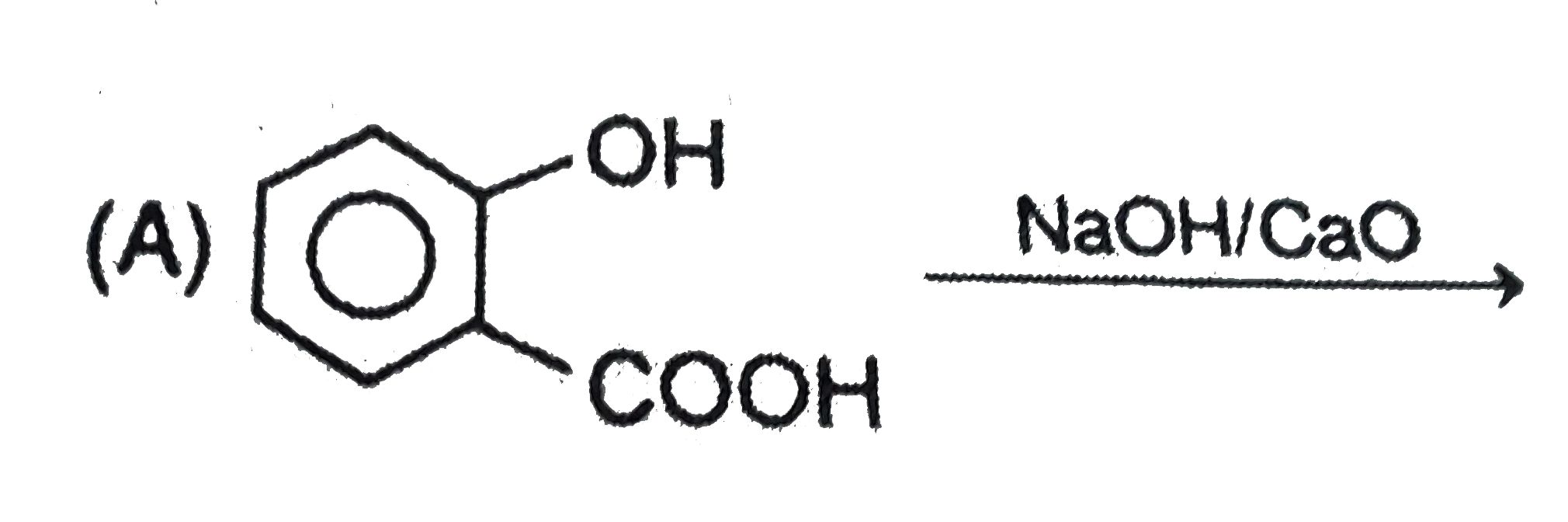
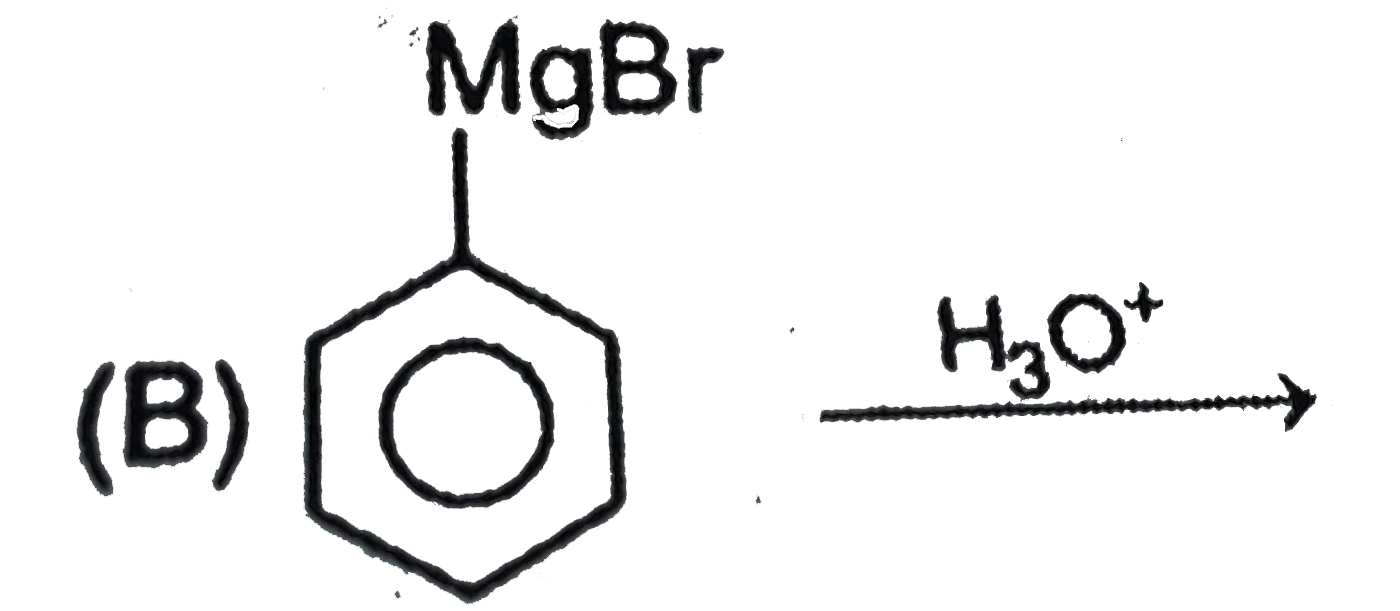
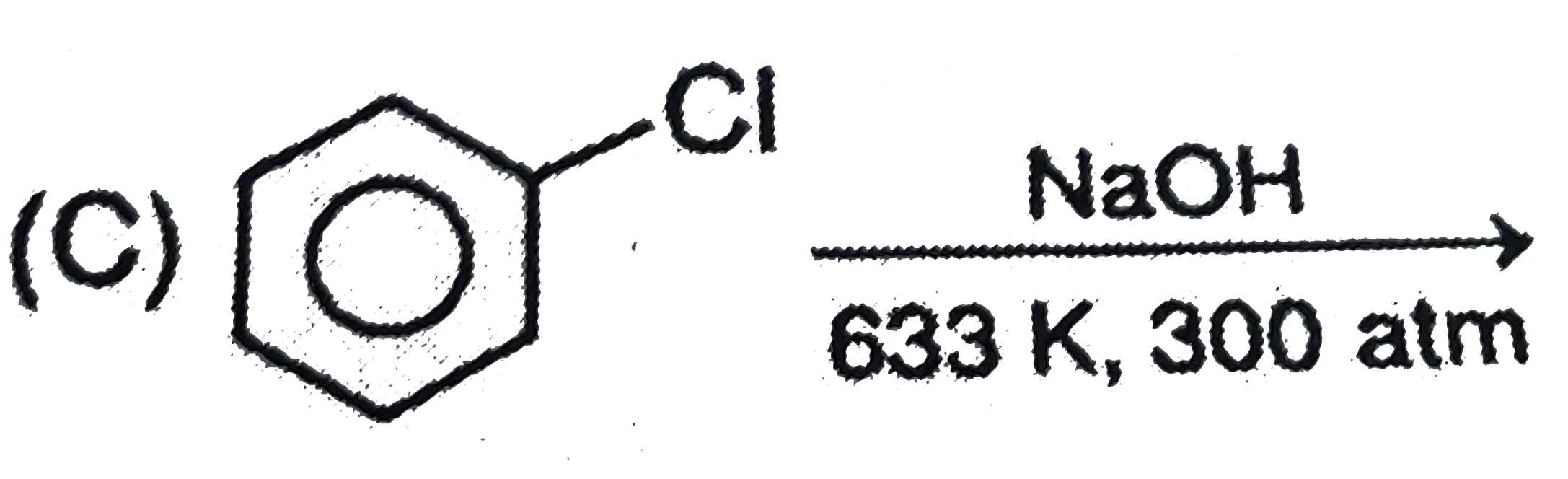
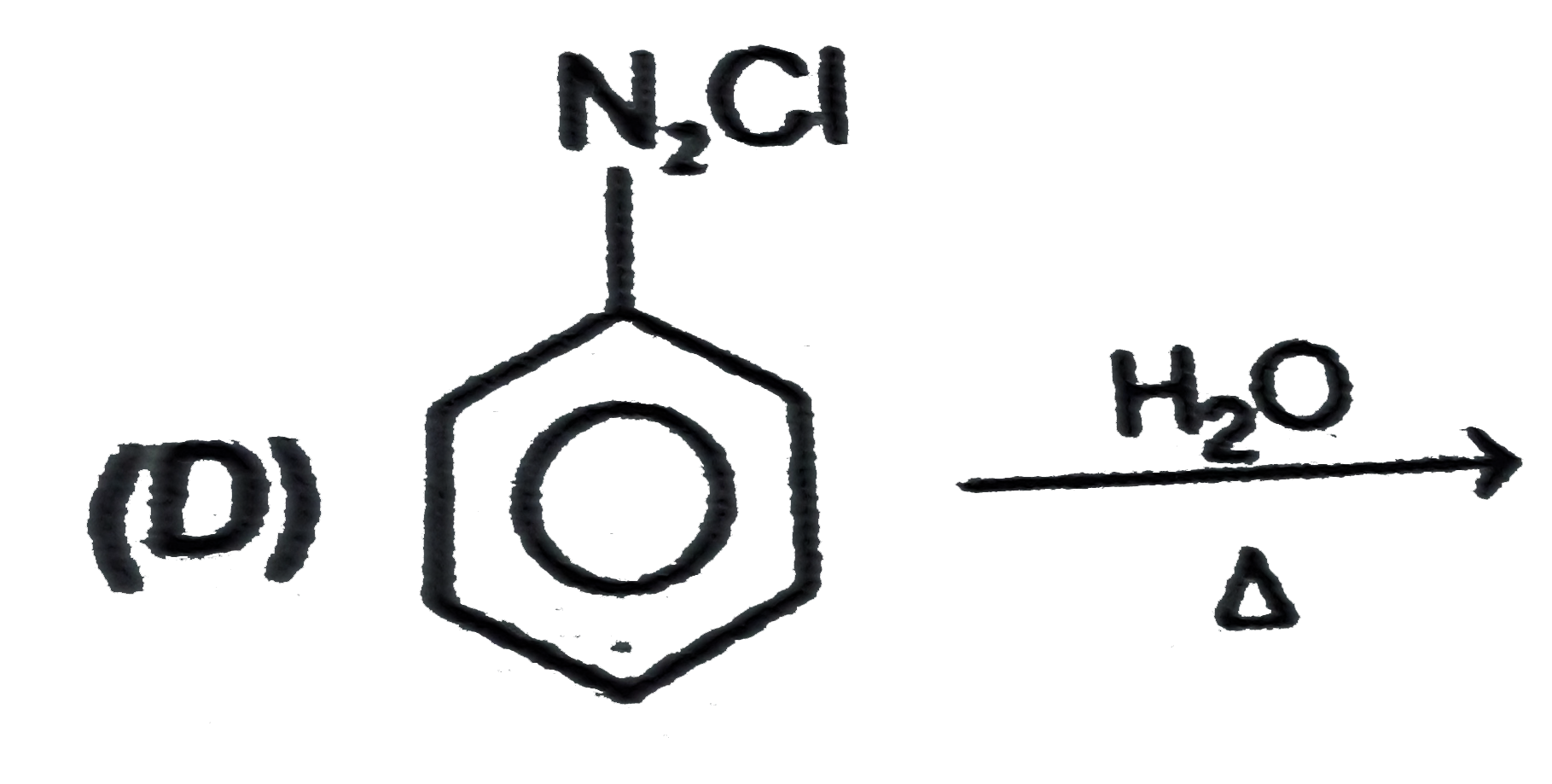
In which of the following reactions phenol is not obtained: |
|
Answer»
|
|
| 22. |
In whichof the following reactions, no change in gaseous volume occurs when measured at similar T and P? |
|
Answer» COMBINATION of `N_(2)andO_(2)` to give NO `C_((s))+underset("1 vol")(O_(2(g)))rarrunderset("1 vol")(CO_(2(g))` |
|
| 23. |
In which of the folowing rection nitrogen is not reduced ? |
|
Answer» `NO_(2) rarr NO_(2)^(+)` |
|
| 24. |
In which of the following reactions, MgO is not formed |
|
Answer» `Mg+CO_2to` |
|
| 25. |
In which of the following reactions, MgO is not formed? |
|
Answer» `Mg+CO_(2)rarr` |
|
| 26. |
In which of the following reaction(s), major product is formed by the rearrangement of reactiveintermediate? |
|
Answer»
 (b) The REACTION involves CYCLIC bromonium ion, no REARRAGEMENT . (c) The reaction involvescyclic mercurinium ion, no rearragement. 
|
|
| 27. |
In which of the following reactions is K_(p)ltK_(c)? |
|
Answer» `CO_(G)+CI_(2)(g)hArrCOCI_(2)(g)` |
|
| 28. |
In which of the following reactions, hydrogen peroxide acts as an oxidising agent ? |
|
Answer» `I_2+H_(2)O_(2)+2OH^(-)to 2I^(-)+2H_(2)O+O_(2)` |
|
| 29. |
In which of the following reactions heat liberated is known as standard heat of formation of CO_(2)? |
|
Answer» `2CO _((G)) + O _(2 (g)) to 2 CO _(2 (g)) + 135 . 6 ` kcals |
|
| 30. |
In which of the following reactions, H_(2)O_(2) is acting as a reducing agent? |
|
Answer» `SO_(2) + H_(2)O_(2) to H_(2)SO_(4)` |
|
| 31. |
In which of the following reactions H_(2)O_(2)does not act as an reducing agent ? |
|
Answer» `I_(2)+H_(2)O_(2)+2OH^(-) to 2I^(-) +2H_(2)O+O_(2)`  Oxygen of `H_(2)O_(2)` (-1) is coverted to (-2) of `H_(2)O`. There is reduction. `H_(2)O_(2)` is oxidising agent. (A), (B), (D) : `underset(2(-1))underset(""darr)(H_(2)O_(2))to underset(2(O))underset(UARR)(O_(2))+2e`...Oxidation |
|
| 32. |
In which of the following reactions H_(2)O_(2) acts as reducing agent? (I) H_(2)O_(2)+2H^(+)+2e^(-) to 2H_(2)O (II) H_(2)O_(2)-2e^(-) to O_(2)+2H^(+) (III) H_(2)O_(2)+2e^(-) to 2OH^(-) (IV) H_(2)O_(2)+2OH^(-)-2e^(-) to O_(2)+2H_(2)O |
| Answer» SOLUTION :(d) `H_(2)O_(2)` acts as a reducing agent in both these REACTIONS. | |
| 33. |
In which of the following reactions H_(2)O_(2) does not act as a reducing agent ? |
|
Answer» `I_(2)+H_(2)O_(2)+2OH^(-)to2I^(-)+2H_(2)O+O_(2)`  `thereforeH_(2)O_(2)` is reducing agent. (ii) In reaction (B) `H_(2)O_(2)` is converted to `H_(2)O`.  Here reduction of `H_(2)O_(2)` occurs to `H_(2)OandH_(2)O_(2)` is an oxidising agnet. |
|
| 34. |
In which of the following reaction(s) H_(2)O_(2) can convert the underlined atom into the prodit with idon =+6 ? |
|
Answer» `CrCl_3 + H_2O_2+OH^(-) to ` B) `K_2 Cr_2O_7 to CrO_5` C) `SO_2 to SO_4^(-)` |
|
| 35. |
In which of the following reactions H_(2)O_(2) acts as reducing agent? |
|
Answer» `H_(2)O_(2)+SO_(2) to H_(2)SO_(4)` |
|
| 36. |
In which of the following reactions, H_(2)O_(2) acts as oxidising agent ? |
|
Answer» `Cl_(2)+H_(2)O_(2)to2HCl+O_(2)` |
|
| 37. |
In which of the following reactions H_(2)O_(2) acts as a reducing reagent ? |
|
Answer» `PbS_((s))+4H_(2)O_(2(AQ)) overset(H^(+))(rarr)PbSO_(4(s))+H_(2)O(l)` |
|
| 38. |
In which of the following reactions, H_(2)O_(2) acts as a reducing reagent? |
|
Answer» `PbO_(2(s))+H_(2)O_(2(aq)) rarr PbO_((s))+H_(2)O_((l))+O_(2(g))` |
|
| 39. |
In which of the following reactions, H_(2)O_(2) acts as a reducing reagent ? |
|
Answer» `PbS_((s))+4H_(2)O_(2(aq))overset(H^(-))(to)PbSO_(4(s))+4H_(2)O_((L))` |
|
| 40. |
In which of the following reactions, H_(2)O_(2) acts as a reducing agent? (i) H_(2)O_(2) + 2H^(+) + 2e^(-) to 2H_(2)O (ii) H_(2)O_(2) -2e^(-) to O_(2) + 2H^(+) (iii) H_(2)O_(2)+ 2e^(-) to 2OH^(-) (iv) H_(2)O_(2) + 2OH^(-) 2e^(-) to O_(2) + 2H_(2)O |
|
Answer» (II) and (iv) |
|
| 41. |
In which of the following reactions H_2O_2 acts as a reducing agent ? (i)H_2O_2 + 2H^(+) + 2bare to 2H_2O (ii)H_2O_2 - 2bare to O_2 + 2H^+ (iii) H_2O_2 + 2bare to 2OH^- (iv)H_2O_2 + 2OH^(-) - 2bare to O_2 + 2H_2O |
|
Answer» (iii),(IV) (ii)`{:(H_2O_2-2bare,to, O_2+2H^(+)),(DARR,,uarr),((-1),OVERSET"Oxidation"to,(0)):}` (iv)`{:(H_2O_2 + 2OH^(-)- 2bare , to, O_2 + 2H_2O),(darr, , darr),((-1),overset"Oxidation"to ,0):}` |
|
| 42. |
In which of the following reactions H_(2)O_(2) acts as a reducing agent? |
|
Answer» I and II |
|
| 43. |
In which of the following reactions H_(2)O_(2) acts as a reducing agent? 1. H_(2)O_(2)+2H^(+)+2e^(-)to2H_(2)O 2. H_(2)O_(2)-2e^(-)toO_(2)+2H^(+) 3. H_(2)O_(2)+2e^(-)to2OH^(-) 4. H_(2)O_(2)+2OH^(-)-2e^(-)toO_(2)+2H_(2)O |
|
Answer» 1,2 |
|
| 44. |
In which of the following reactions does hydrogen acts as an oxidisng agent? |
|
Answer» `H_(2)+Na rarr` `2Na+H_(2)^(0) rarr 2overset(+)(N)AOVERSET(-)(H)` |
|
| 46. |
Which of the following reactions, aromatic characters retained ? |
|
Answer» `C_6H_6 OVERSET(H_2//Ni)to` 
|
|
| 47. |
In which of the following reactions , aromatic characters is retained ? |
|
Answer» `C_6H_6overset(H_(2)//Ni)RARRX` |
|
| 48. |
In which of the following reactions and products are correctly matched ? |
|
Answer» `F_3C-CH=CH_2+HCl to F_3C-undersetunderset(CL)(|)CH-CH_3` |
|
| 49. |
In which of the following reactions, aromatic character is observed in the product formed ? |
|
Answer» `C_6H_6 OVERSET(H_2//N i)(rarr)X` |
|