Saved Bookmarks
This section includes 7 InterviewSolutions, each offering curated multiple-choice questions to sharpen your Current Affairs knowledge and support exam preparation. Choose a topic below to get started.
| 1. |
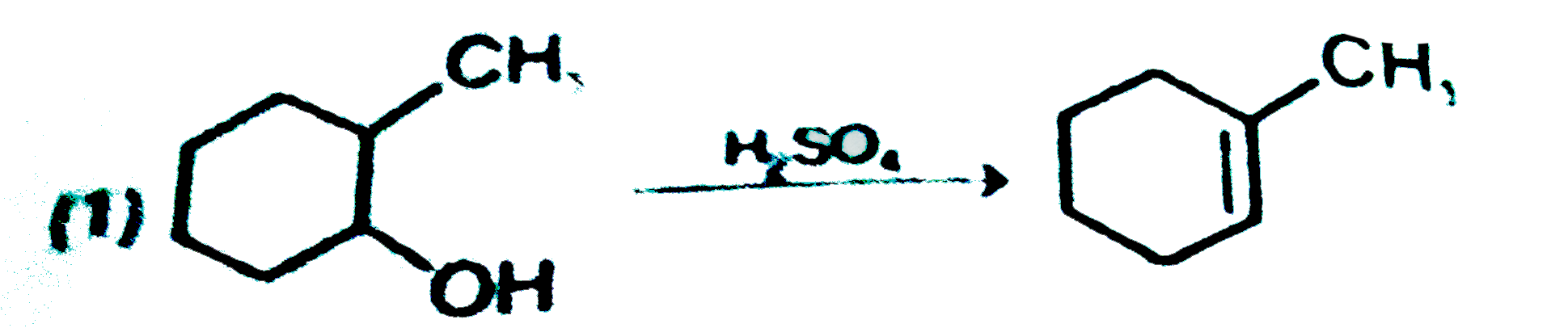
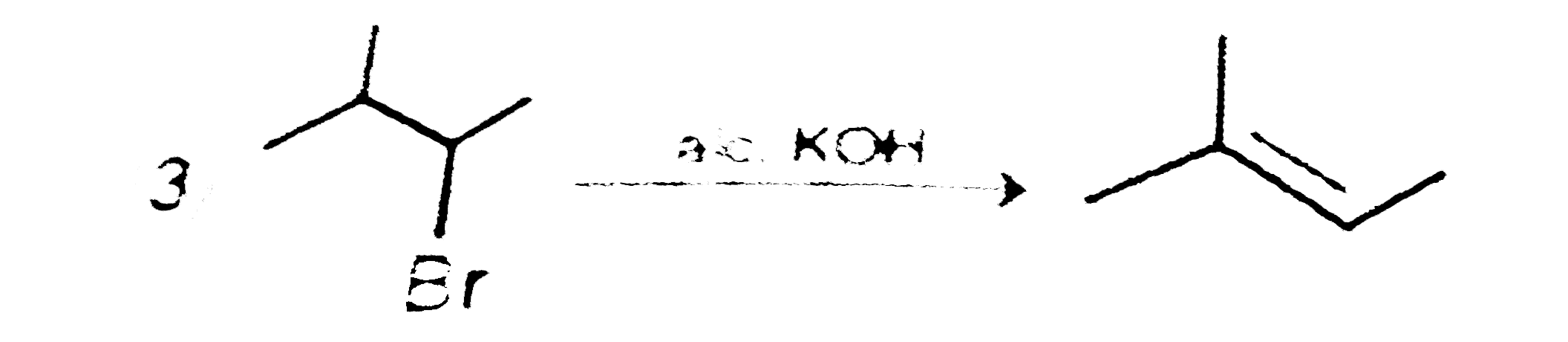
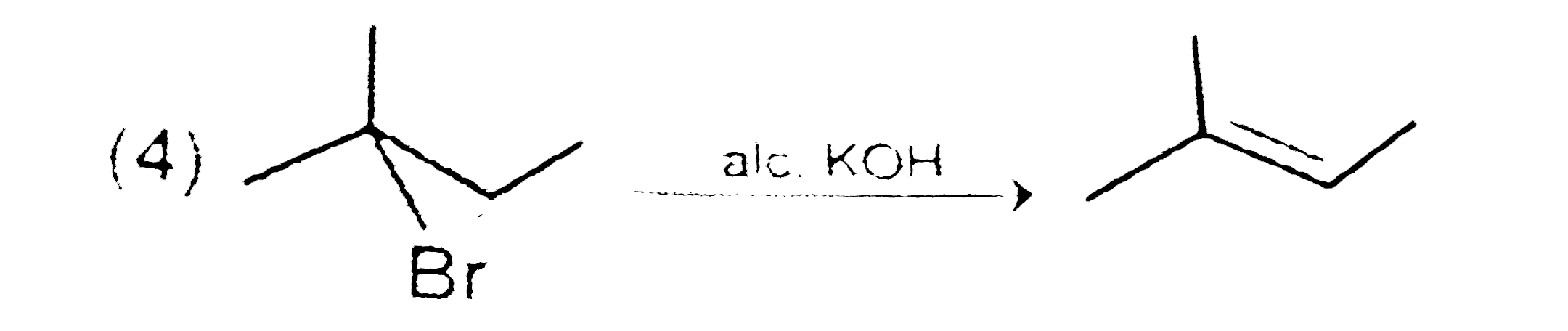
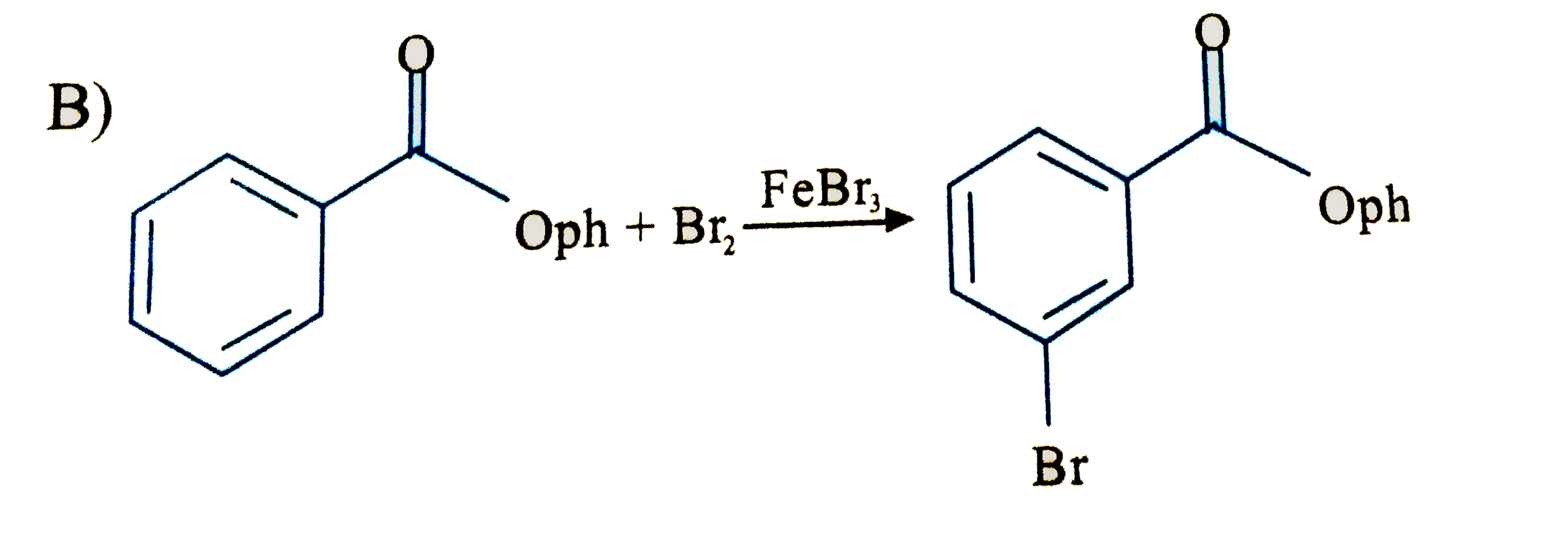
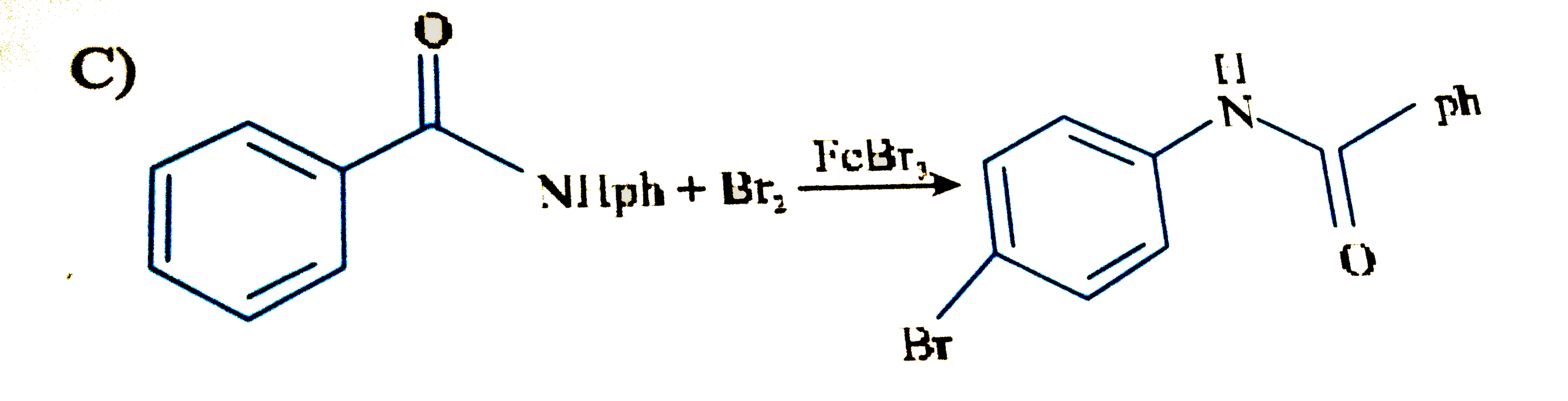
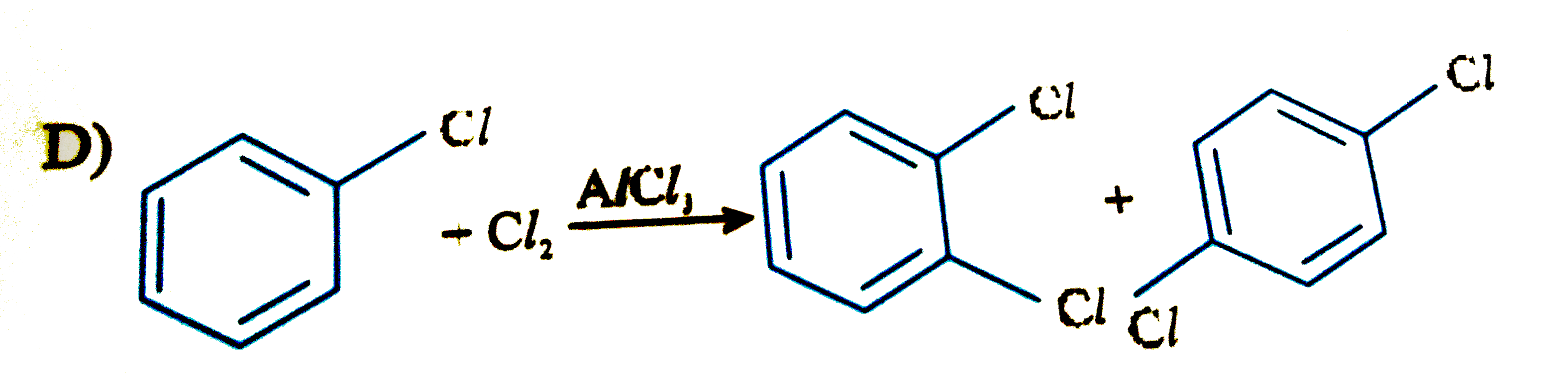
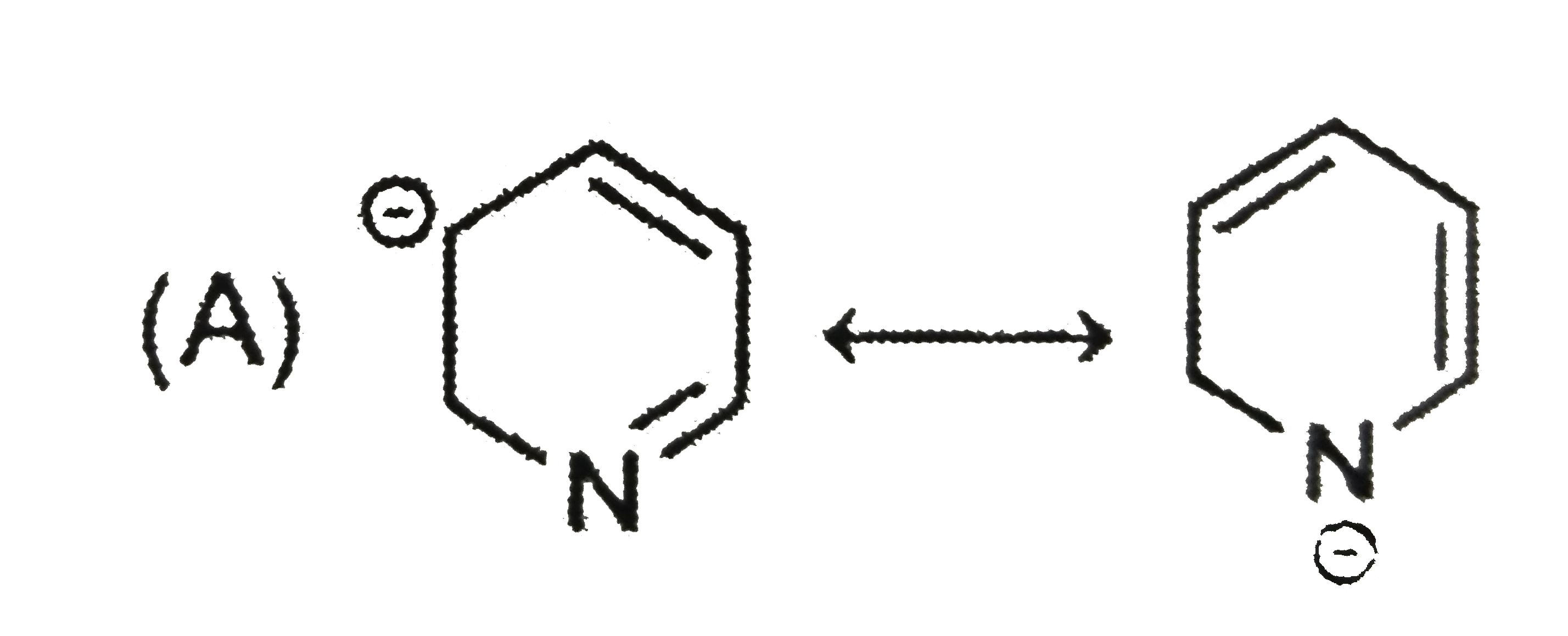
In which of the following reaction the single product formed is not the saytzeff's product |
|
Answer»
|
|
| 2. |
In which of the following reaction there is no change in oxidation state |
|
Answer» `2H_(2)O_(2) to 2H_(2)O+O_(2)` |
|
| 3. |
In which of the following reaction, reaction standard entropy change ( DeltaS^(@)) is positive and standardGibb's free energy change ( DeltaG^(@)) decreases sharply with increasing temperature? |
|
Answer» C( graphite) `+ (1)/(2) O_(2)(g) rarrCO(g0` |
|
| 4. |
In which of the following reaction, reactant(s) and product(s) are correctly matched? |
|
Answer»
|
|
| 5. |
In which of the following reaction , pressure has no effect ? |
|
Answer» `N_(2) + 3 N_(2) hArr 2 NH_(3) (g)` |
|
| 6. |
In which of the following reaction modification of carbon skeleton takes place ? |
|
Answer» SUBSTITUTION |
|
| 7. |
In which of the following reaction, Markownikoff's rule is violated? |
|
Answer» `CH_(3)-O-CH=CH_(2)OVERSET(HBr)underset(C Cl_(4))(to)` 
|
|
| 8. |
In which of the following reaction K_(p) is equal to K_(C) ? |
|
Answer» <P>`N_(2) (g) + O_(2) (g) HARR 2NO (g)` |
|
| 9. |
In which of the following reaction, hybridisation of carbon atom containing functional group does not change |
|
Answer» `CH_(3)CH_(2)Br overset("Alcohol, KOH")rarr` (B) `underset(underset(sp^(3))(uarr))(CH_(3))-underset(underset(sp^(3))(uarr))(CH_(2))-underset(underset(sp^(3))(uarr))(CH_(2))OH underset(Delta)overset(Al_(2)O_(3))rarr underset(underset(sp^(3))(uarr))(CH_(3))-underset(underset(sp^(2))(uarr))(CH)= underset(underset(sp^(2))(uarr))(CH_(2)) + H_(2)O` (C )`underset(underset(sp^(3))(uarr))(CH_(3))-underset(underset(sp^(2))(uarr))(CH_(2))=underset(underset(sp^(2))(uarr))(CH_(2)) + Cl_(2)rarr underset(underset(sp^(3))(uarr))(CH_(3))-underset(underset(sp^(3))(uarr))(CHCl)-underset(underset(sp^(3))(uarr))(CH_(2)Cl)` (D) `underset(underset(sp^(3))(uarr))(CH_(3))-underset(underset(sp^(3))(uarr))(CH_(2))-I+ KOH rarr underset(underset(sp^(3))(uarr))(CH_(3))-underset(underset(sp^(3))(uarr))(CH_(2))-OH + KI` |
|
| 10. |
In which of the following reaction, H_(2)O_(2) is acting as a reducing ageni |
|
Answer» `SO_(2)+H_(2)O_(2) to H_(2)SO_(4)` |
|
| 11. |
In which of the following reaction, entropy is decreasing ? |
|
Answer» MELTING of ice |
|
| 12. |
In which of the following reaction does bydragen act as an oxidising agent? |
|
Answer» `H_2 + F_2 to` `Ca + H_2 to CaH_2` |
|
| 13. |
In which of the following reaction carbon number does not change on product formation ? (i) Hydrogenation (ii) Alkyl halide reduction (iii) Wurtz reaction (iv) Decarboxylation (v) Kolbe reaction |
| Answer» Solution :CARBON number does not change in product for the following REACTION (i) HYDROGENATION and (II) ALKYL halide reduction reaction. | |
| 14. |
In which of the following reaction, aromatic character is retained? |
|
Answer» `C_(6)H_(6)overset(H_(2)//NI)toX` |
|
| 15. |
In which of the following reaction, a visible change would be observed? |
|
Answer» 1-butene + HCl (AQ) `to` 
|
|
| 16. |
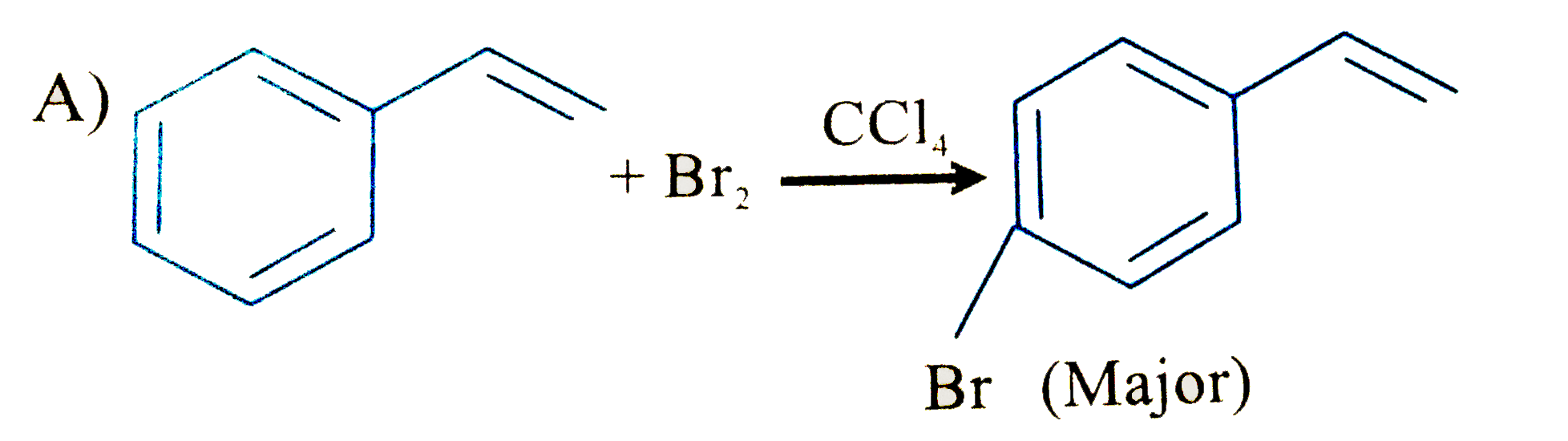
In which of the following reactant and product are correctly matched. |
|
Answer»
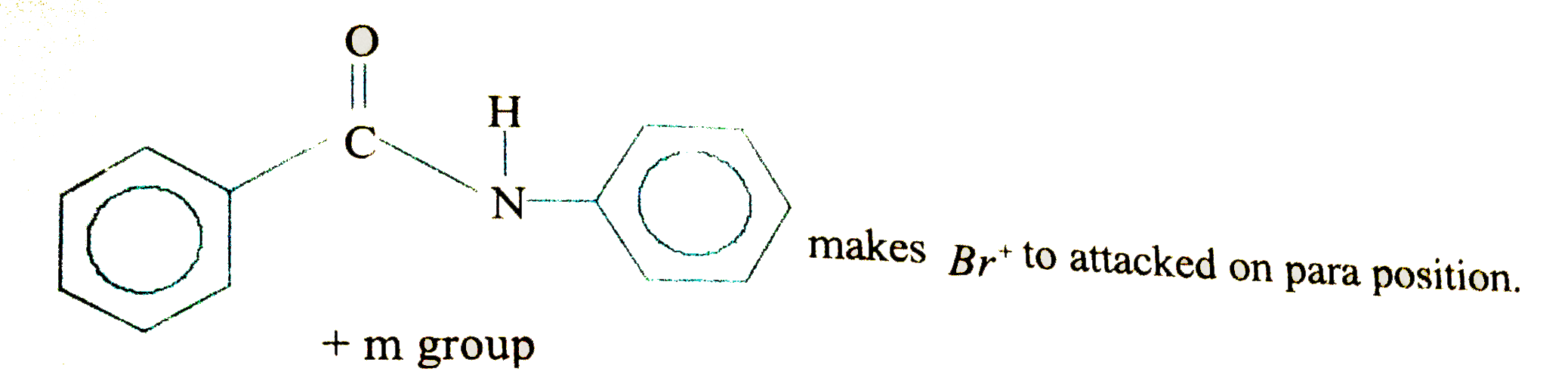 MAKES `Br^(+)` to ATTACKED on PARA position MAKES `Br^(+)` to ATTACKED on PARA position
|
|
| 17. |
In which of the following property, hydrogen does not resemble with halogen |
|
Answer» ATOMICITY |
|
| 18. |
In which of the following properties, the two enantiomers of lactic acid differ from each other? |
|
Answer» SIGN of SPECIFIC rotation |
|
| 19. |
In which of the following product will be aldehyde |
|
Answer» <P>`(CH_(3))_(2)C=C(CH_(3))_(2)overset(03)underset(Zn//H_(2))rightarrow` |
|
| 20. |
In which of the following process maximum energy is released |
|
Answer» `O_((g)) + E^(-) rarr O_((g))^(-)` |
|
| 21. |
In which of the following process, the process is always non-feasible? |
|
Answer» `DELTAH gt 0, DeltaS gt 0` |
|
| 22. |
In which of the following pairs, there is greatest difference in the oxidation number of the underlined elements ? |
|
Answer» `underlineNO_(2)andunderlineN_(2)O_(4)` |
|
| 23. |
In which of the following pairs the two species are not isostructural ? |
|
Answer» `PCl_(4)^(+) and SiCl_(4)` `PF_(5) rArr` trigonal bipyramidal `BrF_(5) rArr` square pyramidal `AIF_(6)^(3-) and SF_(6)` both are octahedral, `CO_(3)^(2-) and NO_(3)^(-)` both are trigonal PLANAR. |
|
| 24. |
In which of the following pairs, the two species are lso-structure ? |
|
Answer» `SO_(3)^(2-) and NO_(3)^(-)`<BR>`BF_(3) and NF_(3)` HYBRIDIZATION of Br is `BrO_(3)^(-)` Total valence electrons = 7 + 3 `xx 6 ` = 25 Charge = -1 hence Total 25 +1 = 26 `= (26)/(8) = 3 ` (Q) + 2 (R) = 5 Hybridization= `dsp^(3)` Hybridization of Xe in` XeO_(3)` Total valence electrons = 8 + 3 `xx 6` = 26 = ` (26)/(8) = 3 (Q) + 2 (R) = 5 ` Hybridization = `dsp^(3)` In both cases , the structure is TRIGONAL pyramidal. |
|
| 25. |
In which of the following pairs, the ions are isoelectronic? Na^(+), Mg^(2+)""(ii) Al^(3+), O^(-) (iii)Na^(+), O^(2-) ""N^(3-), Cl^(-) |
|
Answer» Only (i) |
|
| 26. |
In which of the following pairs, the ions are isoelectronic ? |
|
Answer» `Na^(+), MG^^(2+)` `Al^(3+) = 13 -3 = 10 e^(-), Q^(2-) = 8 + 2 = 10 e^(-)`. They have same no. of electrons `N^(3-) = 7 + 3 = 10 e^(-), Cl^(-) = 17 + 1 = 18 e^(-)`. They do not have same no. of electrons |
|
| 27. |
In which of the following pairs, the ions are iso electro n ic ? |
|
Answer» `Na^(+), Mg^(2+)` |
|
| 28. |
In which of the following pairs, the hybridisation of central atoms is same, but geometry is not the same? |
|
Answer» `SO_(3),CO_(3)^(2-)` |
|
| 29. |
In which of the following pairs the bromination of first member is easier than the second member ? |
|
Answer» ISOBUTANE, n-Butane |
|
| 30. |
In which of the following pairs, the first atom or ion is not larger than the second ? |
|
Answer» `K, K^(+)`<BR>`S, O` |
|
| 31. |
In which of the following pairs size of 1^(st) element is higher as compare to India? |
|
Answer» SC,Zn |
|
| 32. |
In which of the following pairsof molecules/ions, both the species are not likely to exist ? |
|
Answer» `H_(2)^(-) , H_(2)^(2+)` do not exist . |
|
| 33. |
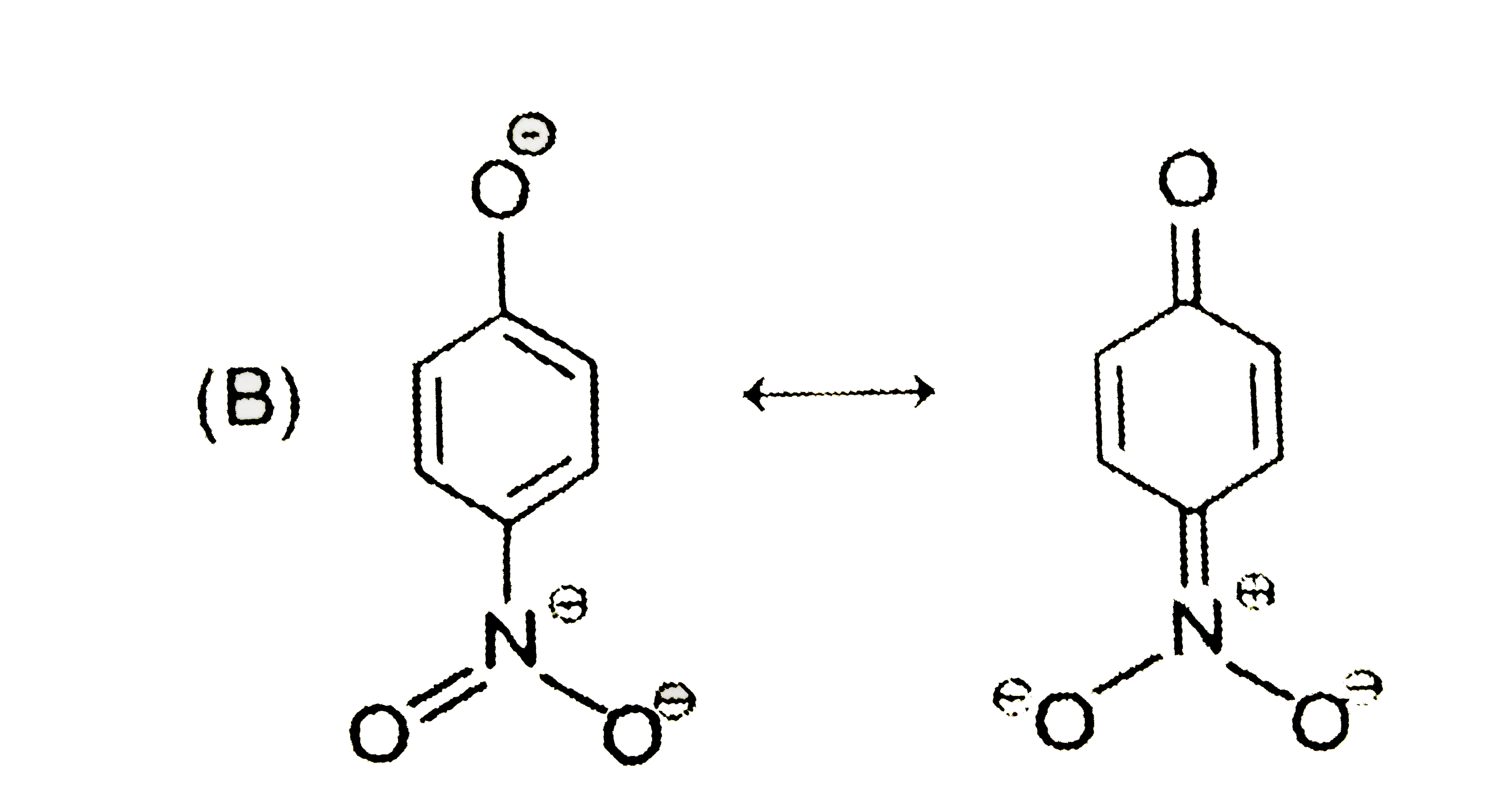
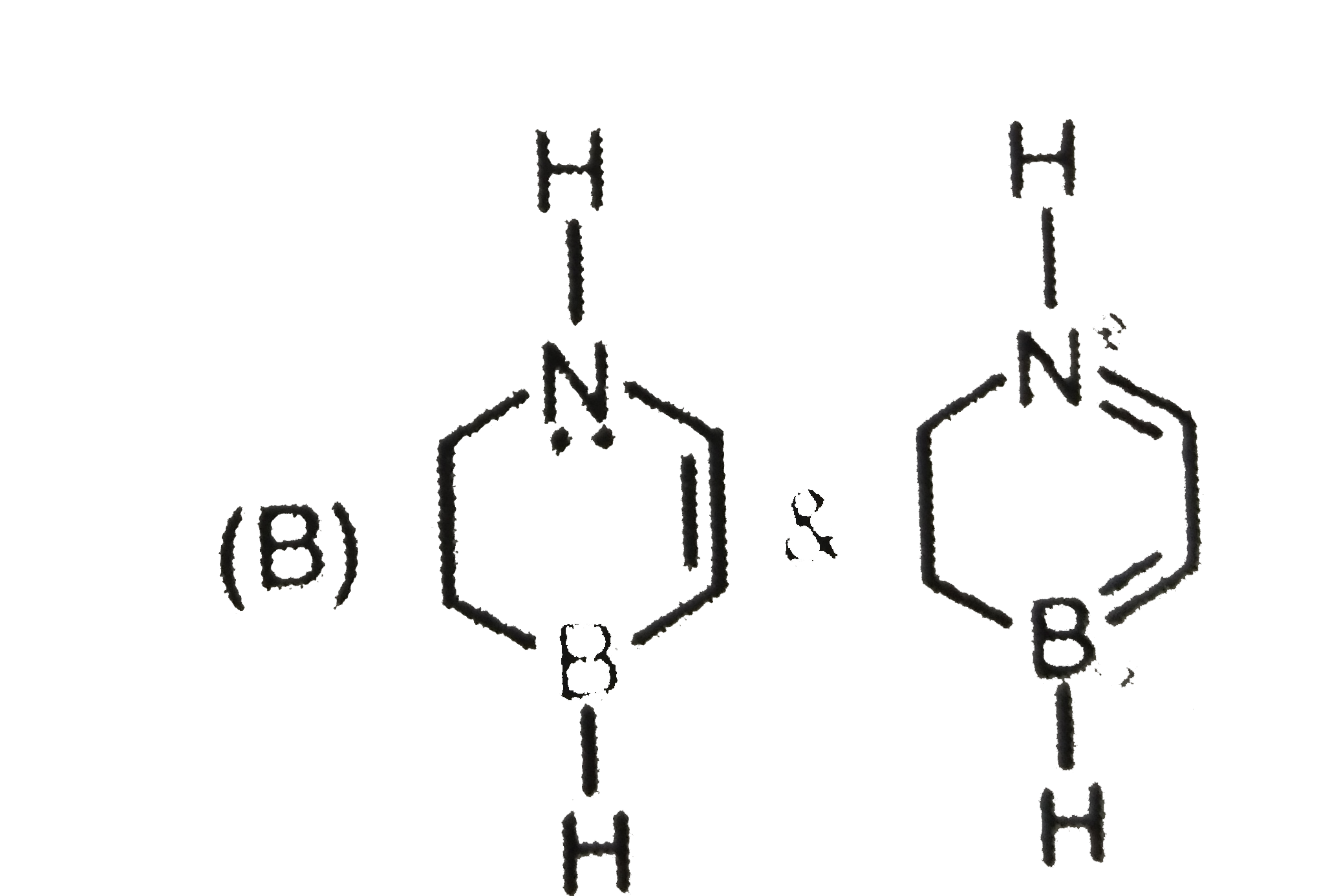
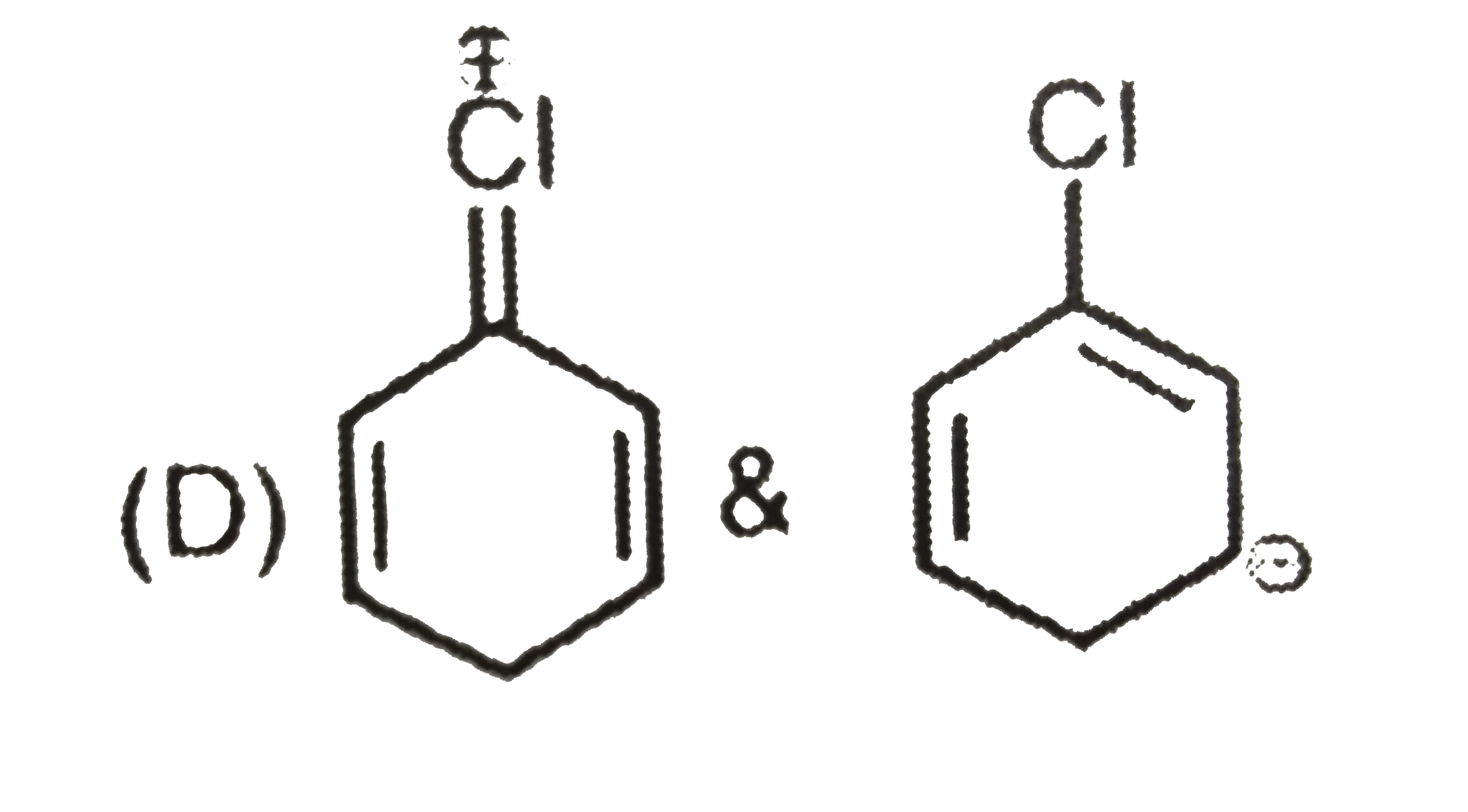
In which of the following pairs of resonating structures first resonating structure is more stable than second ? |
|
Answer»
|
|
| 34. |
In which of the following pairs of molecules/ ions, the central atoms have sp^(2) hybridization ? |
|
Answer» `NO_(2)^(-) and NH_(3)` `BF_(3) : (3 + 3)/(2) = 3 " means " sp^(2) ` `NO_(2)^(-) : (5 + 1)/(2) = 3 " means " sp^(2)` |
|
| 35. |
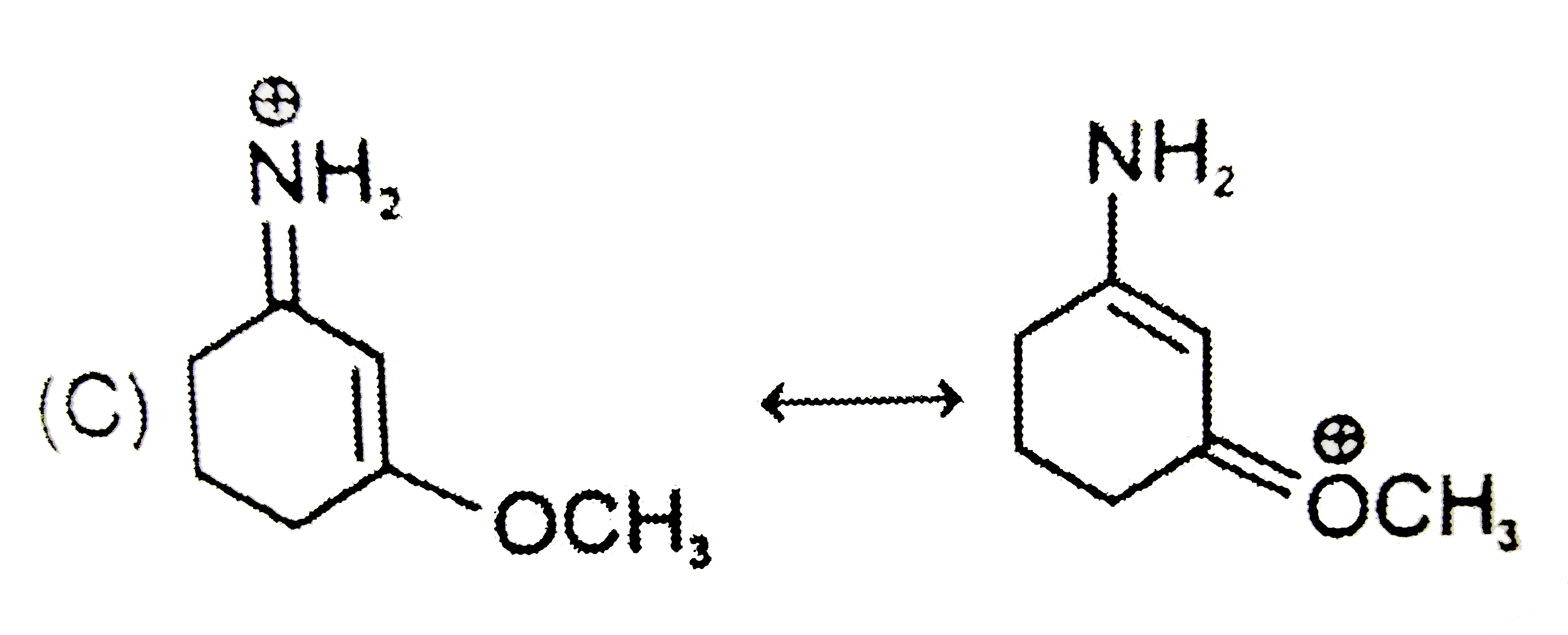
In which of the following pairs of compounds, will second structure have more contribution to resonance hybrid than first ? |
|
Answer»
|
|
| 36. |
In which of the following pairs of compounds, carbon atom is not sp^(2) hybmridised? |
|
Answer» butanal, butan-2-ol `CH_(3)-CH_(2)-CH_(2)-underset(underset(sp^(2))(uarr))overset(overset(O)(||))(C )-H` Bu tane-2-ol `CH_(3)-CH_(2)-overset(overset(OH)(|))(C )H-CH_(3)` All carbon `sp^(3)` (B) butanoic acid `CH_(3) CH_(2)CH_(2)- underset(underset(sp^(2))(uarr))overset(overset(O)(||))(C )-OH` butanone `CH_(3)-underset(underset(sp^(2))(uarr))overset(overset(O)(||))(C )-CH_(2)-CH_(3)` (C )PENTAN AMIDE `CH_(3)CH_(2)CH_(2)CH_(2)- underset(underset(sp^(2))(uarr))overset(overset(O)(||))(C )-NH_(2)` pent-1-ene `CH_(3)CH_(2)CH_(2) underset(underset(sp^(2))(uarr))(CH)= underset(underset(sp^(2))(uarr))(CH_(2))` (D) 2-methyl propan-2-ol `CH_(3)- underset(underset(OH)(|))overset(overset(CH_(3))(|))(C )-CH_(3)` All CARBONS are `sp^(3)` butane-2-ol `CH_(3)CH_(2)- overset(overset(OH)(|))(C )HCH_(3)` All carbons are `sp^(3)` |
|
| 37. |
In which of the following pairs is the probability of finding the electron in xy-plane zero both orbitals? |
|
Answer» `3d_(yz),4d_(X^(2)-y^(2))` |
|
| 38. |
In which of the following pairs of compounds are the two members of the pair constitutional isomers? |
|
Answer» methoxymethane and ethoxyethane `CH_(3)-CH_(2)-O-CH_(2)-CH_(3)` Same MOLECULAR FORMULA but different in structure. |
|
| 39. |
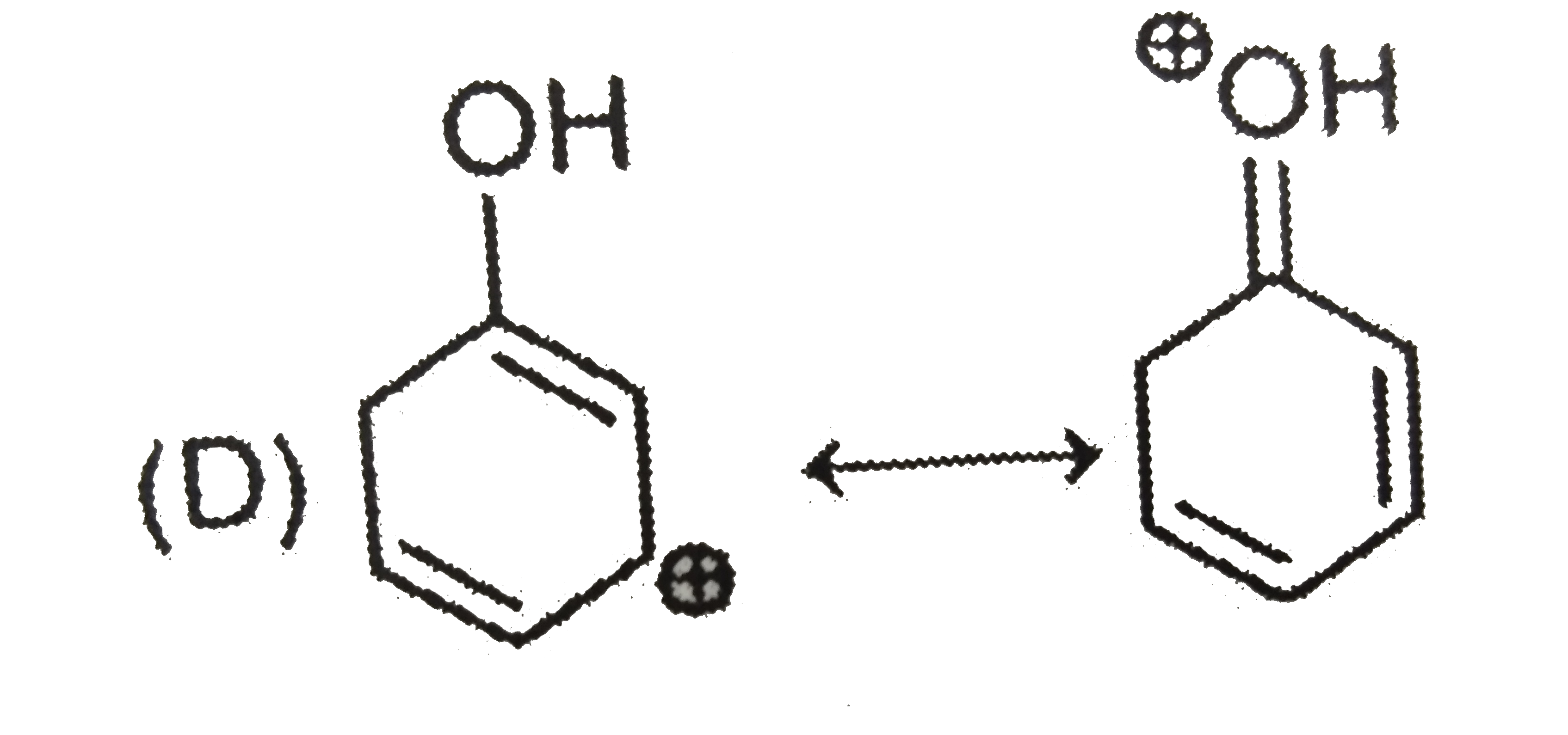
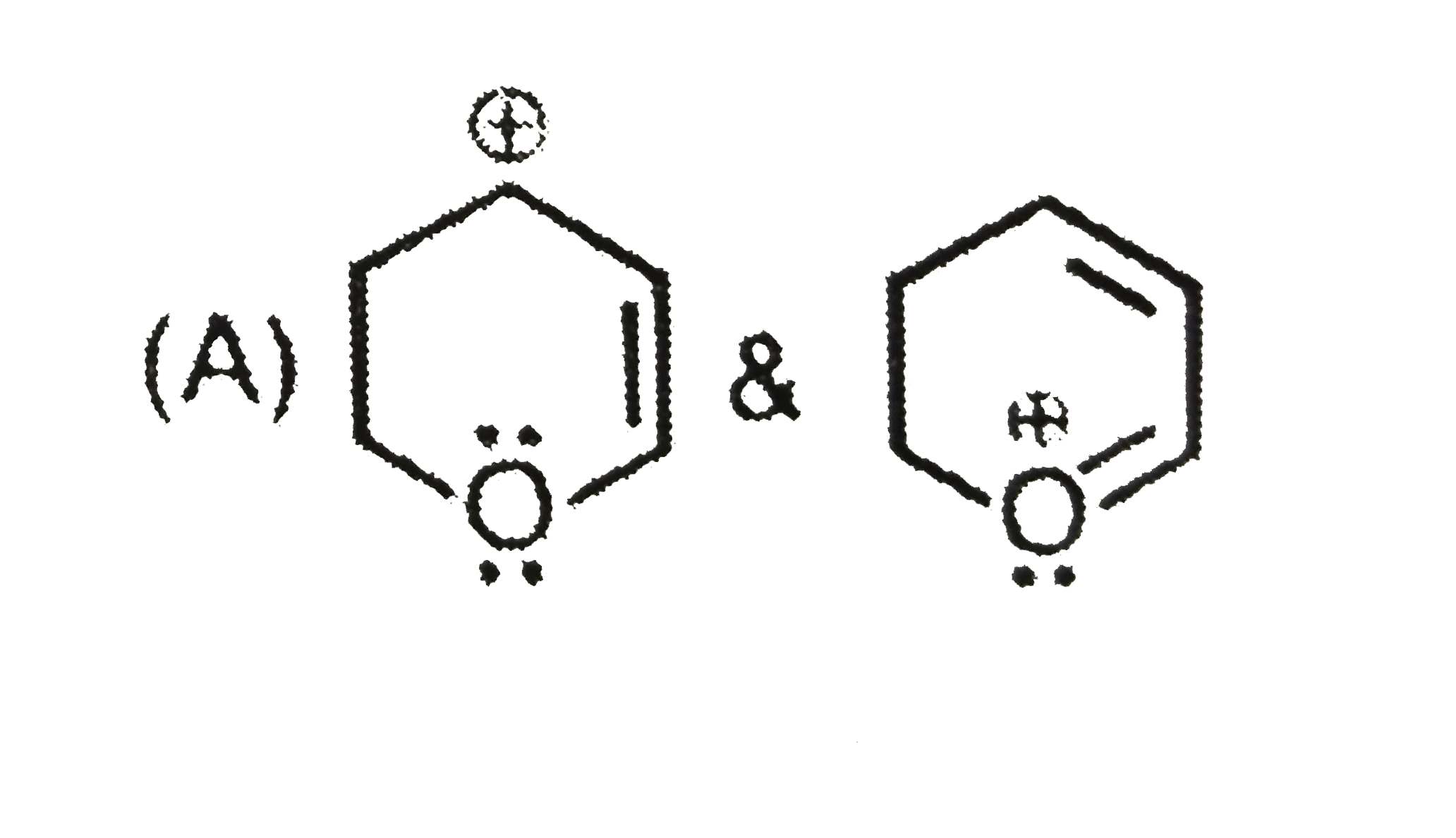
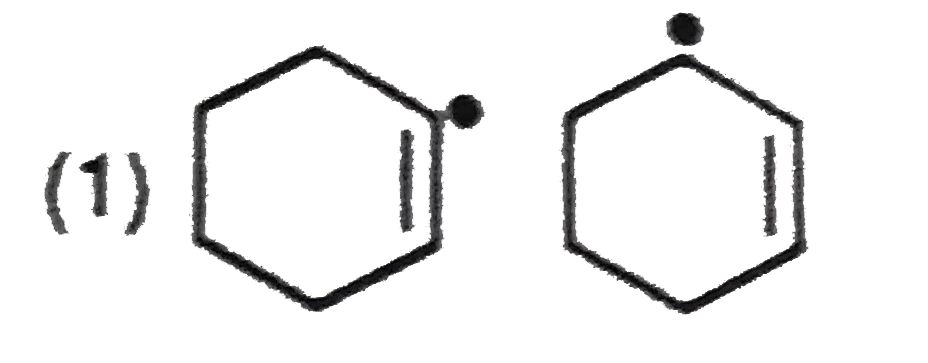
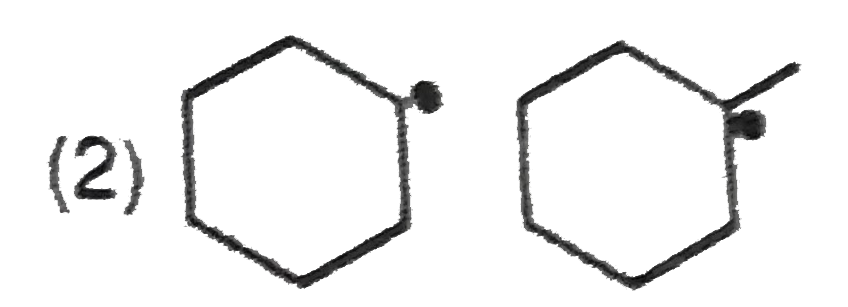
In which of the following pairs IInd compound has less resonance energy : |
| Answer» ANSWER :A::D | |
| 40. |
In which of the following pairs IInd compound has higher resonance energy : |
|
Answer»
|
|
| 41. |
In which of the following pairs do both the metals have identical values of metallic radii- |
|
Answer» AG and Au |
|
| 42. |
In Which of the following pairs I is more stable than II ? |
|
Answer»
 STABLE than C=N B) C= O stable than C = N c) C = O stable than C = N d) C = O stable than C = N |
|
| 43. |
In which of the following pairs, both the species have the same hybridisation ? |
|
Answer» `SF_(4),XeF_(4)` |
|
| 44. |
In which of the following pairs, both the species are not isostructural- |
|
Answer» `SiCl_(4),PC l_(4)^(+)`  (ii) Diamond and SILICON carbide `(SiC)` BOND are isostructural because their CENTRAL atom is `sp^(3)` hybridised and both have tetrahedral arrangement. (iii)  Both `NH_(3)` and `PH_(3)` have pyramidal GEOMETRY. (iv) `XeF_(4)` has `sp^(3)d^(2)` hybridisation while `XeO_(4)` has `sp^(3) ` hybridisation.  Hence, `XeF_(4) and XeO_(4)` are not isostructural. |
|
| 45. |
In whichof the followingpairsboth thespecieshavenearlythe samesize ? |
|
Answer» `K^(+) F^(-)` |
|
| 46. |
In which of the following pairs, both molecules poses dipole moment? |
|
Answer» `CO_2 ,SO_2` |
|
| 47. |
In which of the following pair of compounds the first one is more ractive than second in the same electrophilic aromatic substitution reaction. |
|
Answer» m-xylene, p-xylene META di chloro benzene increases electron density more compare to chloro benzene. |
|
| 48. |
In which of the following pairs A is more stable than B ? |
| Answer» ANSWER :D | |
| 49. |
In which of the following pair of compounds, oxidation number of P atoms are same? |
|
Answer» `H_(3)PO_(2)andH_(3)PO_(4)` `therefore3(+1)+X+2(-2)=0` `thereforex=+1` (II) `H_(3)PO_(4):3(+1)+(P)+4(O)=0` `therefore3(+1)+x+4(-2)=0` `thereforex=+5` (iii) `H_(4)P_(2)O_(7):4(H)+2(P)+7(O)=0` `therefore4(+1)+2(x)+7(-2)=O` `thereforex=+5` (iv) `H_(2)PO_(3): 3(H)+P+3(O)=0` `3(+1)+x+3(-2)=0` `thereforex=+3` From the above calculation 
|
|