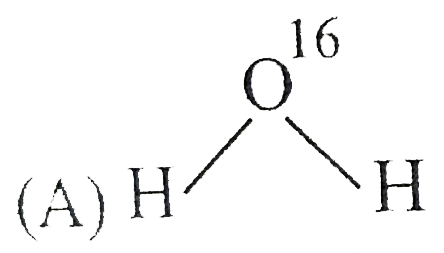
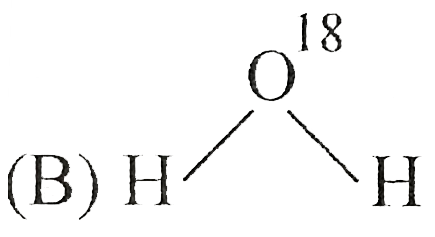
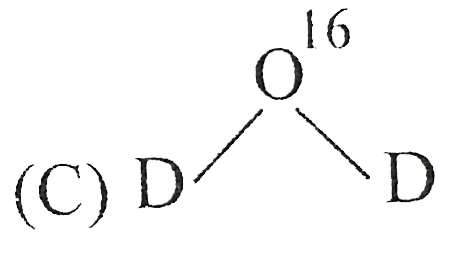
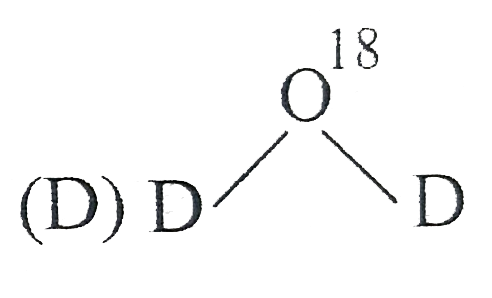
Saved Bookmarks
This section includes 7 InterviewSolutions, each offering curated multiple-choice questions to sharpen your Current Affairs knowledge and support exam preparation. Choose a topic below to get started.
| 1. |
What happen when Lithium Hydride react with dimer of Aluminium chloride ? |
| Answer» | |
| 2. |
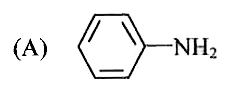
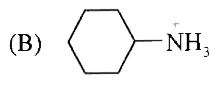
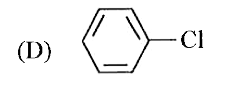
In which of the following, ortho/para substitution by an electrophile is very facile? |
|
Answer» Nitrobenzene |
|
| 3. |
In which of the following oxidation no. of nitrogen atom is correctly matched: |
|
Answer» `HCulN "" -3` `OVERSET(+1)H-overset(-2)O-overset(-2)overset(O)overset(||)underset(-2)underset(O)underset(||)(S_x)-overset(-2)O-underset(-2)underset(O)underset(||)overset(-2)overset(O)overset(||)(S_x)-overset(-2)O-overset(+1)H` |
|
| 4. |
In which of the following orientation of electron pairs and shape of the ion is similar |
|
Answer» `ClO_4^(-)` |
|
| 5. |
In which of the follwing options the orders of arrangement does not agree with the variation of property indicated against it ? |
|
Answer» `IltBrltClltF` (increasing electron GAIN enthalpy) |
|
| 6. |
In whichof the followingoptionsthe order ofarrangementdoes notagreewith thevariationof property inindicated against it ? |
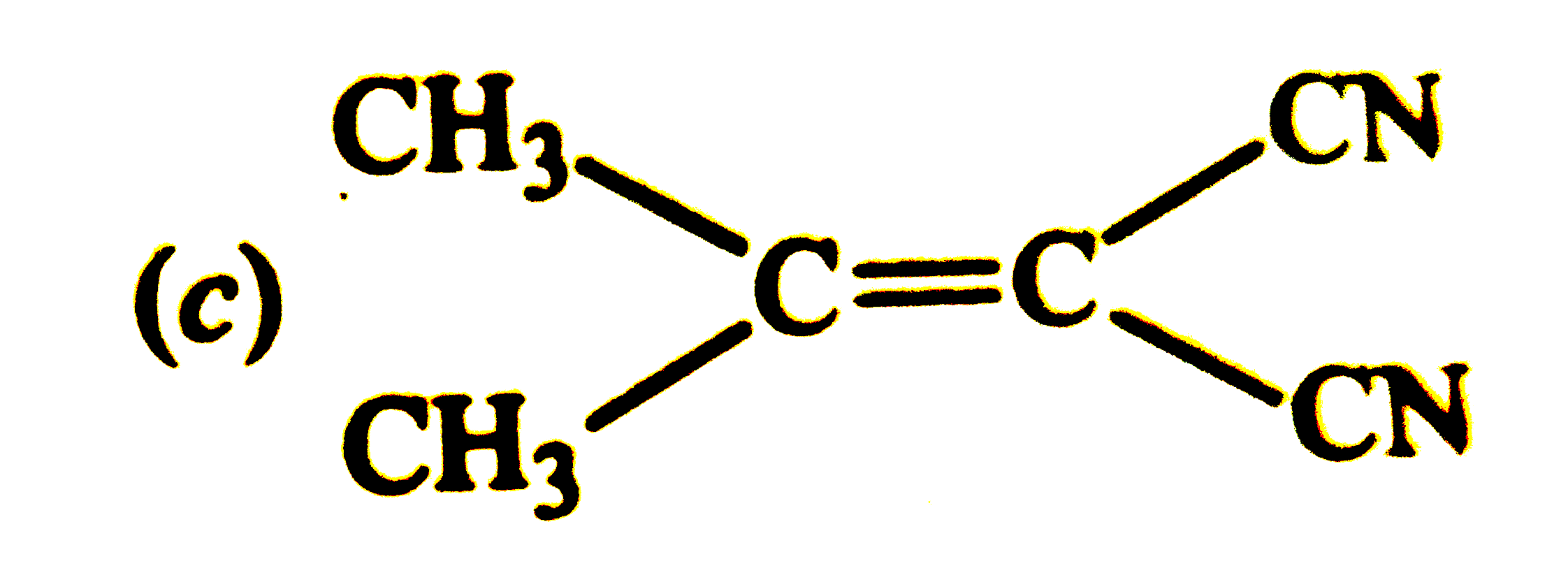
|
Answer» `I lt Na lt C1 lt F` (increasingelectrongain enthalpy) Ionizationenergiesof alkalimetalsdecreasesandhencetheirmetalliccharacterincreasesdown thegroup (i.e., `Li lt Ne lt K lt Rb)` Thusoption( b)is correct. Amongisoelectronicions,ionicsize increase asthe + ve chargedecreasesor the - vechargeincreases `(i.e., A1^(3+) lt Mg^(2+) lt Na^(+) lt F^(-))` Thusoption (c ) is correct. Ingeneralalong aperiod, firstionizationenergyincrease from leftto rightas thenuclearcharge increases. Butdue togreaterstabilityof half- filledE.C. of N , itsionizationenergyis higherthant thatof O.Thusthe actualorder is `B lt C lt O lt N` i.e.,OPTION (d ) isalsowrong. |
|
| 7. |
In which of the following options the order of arrangement does not agree with the variation of property indicated against it? |
|
Answer» `I lt Br lt Cl lt F `(electron negativity) |
|
| 8. |
In which of the following options order of arrangement does not agree with the variation of property indicated against it? |
|
Answer» `Al^(3+) lt Mg^(2+) lt NA^(+) lt F^(-)` -(INCREASING IONIC size) Due to the negative electron gain enthalpy of flourine is lower than of chlorine because of the electron-electron repulsion in the small size of flourine. |
|
| 9. |
In Whichof the followingoptionsorder ofarrangementdoes notagree withthe variationof property indicatedagainst it ? |
|
Answer» `A1^(3+) lt Mg^(2+) lt Na^(+) lt F^(-)` ( increasingionicsize ) Thereforeoption(a) iscorrect. than thatof O.Thusoption(b) isincorrect. Dueto greaterstabilityof the half-filledelectronicconfigurationor OFN its IONIZATIONENTHALPYIS higher than thatof O. Thusoption ( b) isincorrect. Duttostrongerelectron- electronrepulsion in thed smallsizeof F thenegativeelectron gainenthalpy ofF ISLOWER thanthat of C1 .Thusoption( c) isincorrect. Themetalliccharacterincreasesas the sizeof the metallicatomincrease. thusoption (d) iscorrect. Thusoptions ( b) and (c) AREINCORRECT. |
|
| 10. |
In which of the following options order of arrangement does not agree with the variating of property indicated against it ? |
|
Answer» `Al ^(3+) lt mg ^(2+) lt Na ^(+) lt F ^(-)` (increasing ionic size) For (c ) correct order is `I lt Br lt F lt Cl` |
|
| 11. |
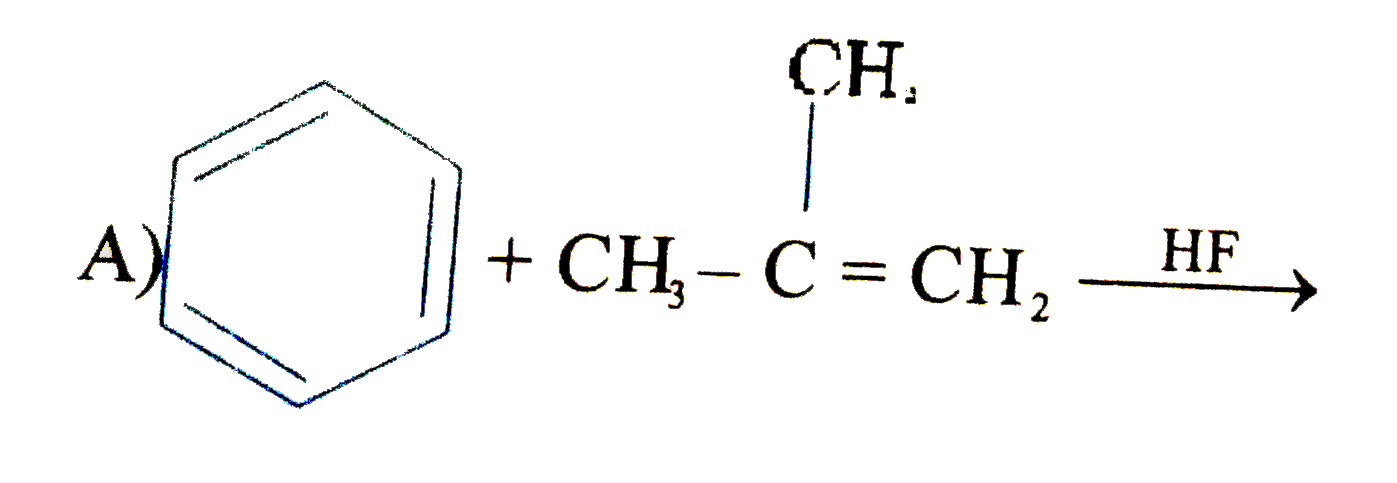
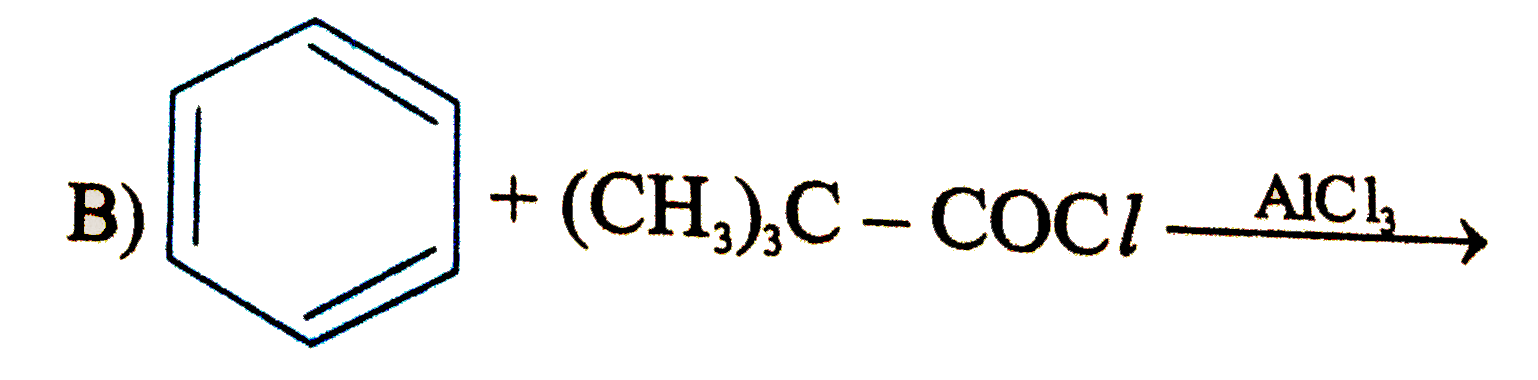
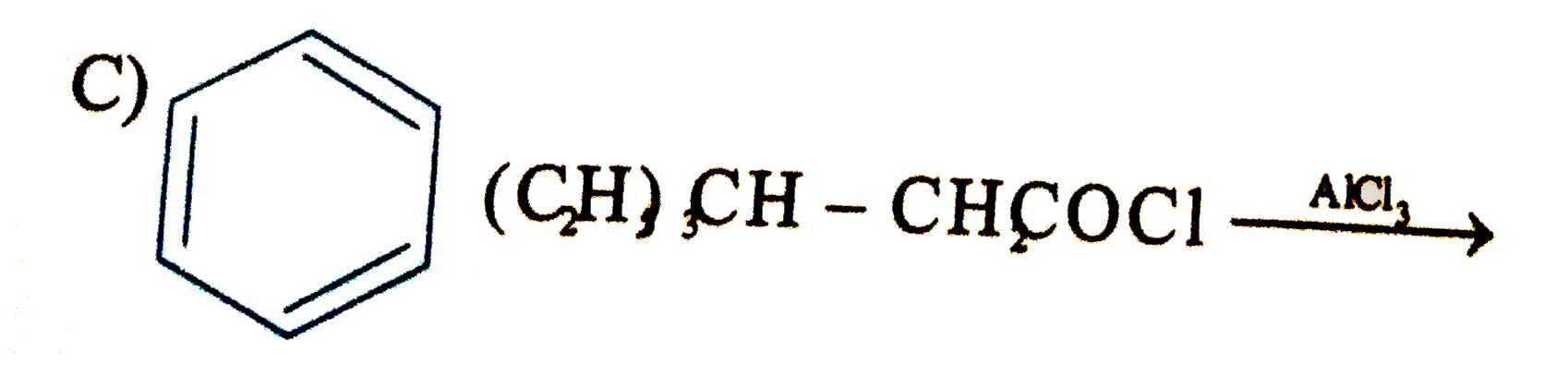
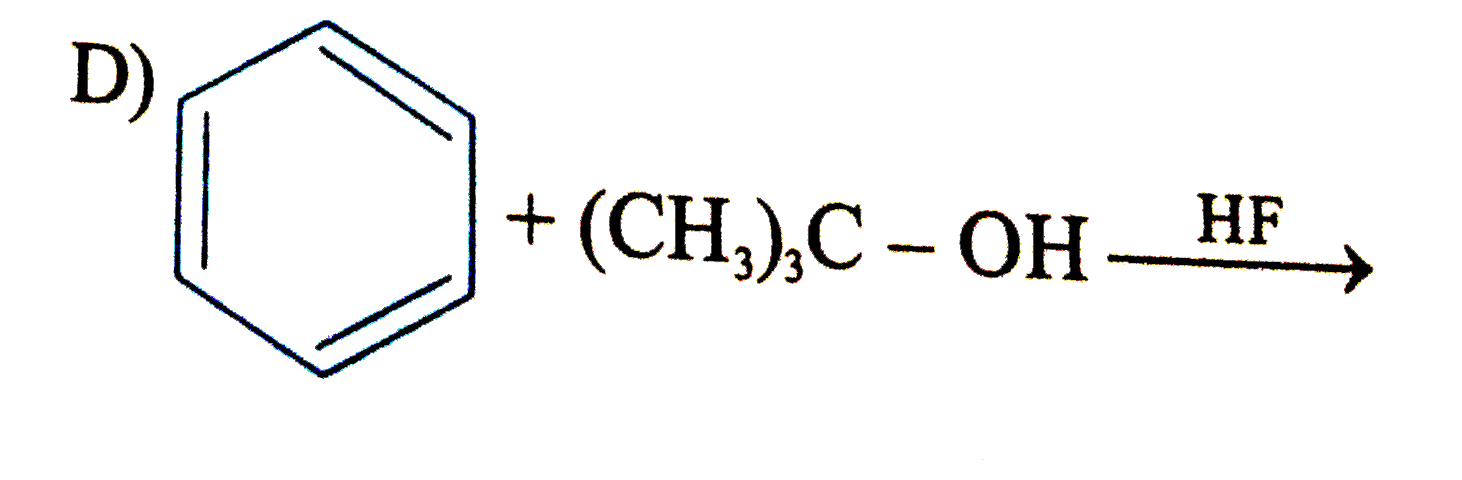
In which of the following, one of the product would be t-butyl benzene |
|
Answer»
|
|
| 12. |
In which of the following NaCl is more soluble |
|
Answer»
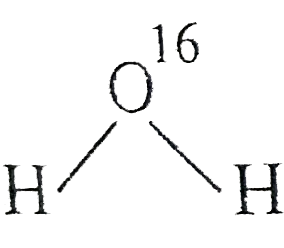 DUE to BOND ENERGY of O-H is LEAST. DUE to BOND ENERGY of O-H is LEAST.
|
|
| 13. |
In which of the following NaOH is not used ? |
|
Answer» REFINING of PETROLEUM |
|
| 14. |
In which of the following molecules, vacant orbitals take part in hybridization ? |
|
Answer» <P>`B_(2)H_(6)` `H_(3)PO_3 -sp^3` no vacant p- orbital `H_3 BO_3-sp^2` |
|
| 15. |
ln which of the following molecules, vacant orbitals cake part in hybridization? |
|
Answer» `B_(2)H_(6)` `H_(3)PO_(3)- sp^(3)` no vacant p - orbital `H_(3)BO_(3)-sp^(2)` hybridisation |
|
| 16. |
In which of the following molecules the central atom does not have sp^(3) hybridization ? |
|
Answer» `NH_(4)^(+)` (i) `NH_(4)^(+) : sp^(3)` hybridization (ii) `CH_(4) : sp^(3)` hybridization (iii) `SF_(4) : sp^(3) d ` dehybridization (iv) `BF_(4)^(-) : sp^(3)` hybridization `therefore ` Correct ANSWER : (C) |
|
| 17. |
In which of the following molecules, sigma 2p_(z) molecular orbital is filled after pi 2p_(x) and pi 2p_(y) molecular orbitals ? |
|
Answer» `O_(2)` Total number of electrons present in `N_(2)` molecule is 14. The electronic configuration of `N_(2)`molecule will be , `sigma 1s^(2), sigma^(**) , sigma 2s^(2) ,sigma^(**) 2s^(2) , pi 2p_(x)^(2) = pi 2p_(y)^(2) , pi 2p_(z)^(2)` The increasing order of energies of various molecular orbitals for `O_(2) and F_(2)` is given below `sigma 1s lt sigma^(**) lt sigma 2s lt sigma^(**) 2s lt sigma 2p_(z) lt (pi 2p_(x) = pi 2p_(y)) lt (pi^(**) 2p_(x) = pi^(**) 2p_(y) ) lt sigma^(**) 2p_(z)` HOWEVER, this sequence of energy levels of MO is not CORRECT for the remaining MOLECULES such as `Li_(2) , Be_(2) , B_(2) , C_(2) and N_(2).` for these molecules, the increasing order of energies of various MO is `sigma 1s lt sigma^(**) 1s lt sigma 2s lt sigma^(**) 2s lt (pi 2p_(x) = pi 2p_(y)) lt sigma 2p_(z) lt (pi^(**) 2p_(x) = pi^(**) 2p_(y)) sigma 2p_(z)` |
|
| 18. |
In which of the following molecules,sigma 2p_(z) molecular orbital is filled after pi 2p_(x) and pi 2p_(y) molecular orbitals ? |
|
Answer» `O_(2) ` |
|
| 19. |
In which of the following molecules, sigma bonds formed by the overlap of sp^3 d and P orbitals are absent ? |
|
Answer» `PCl_5` |
|
| 20. |
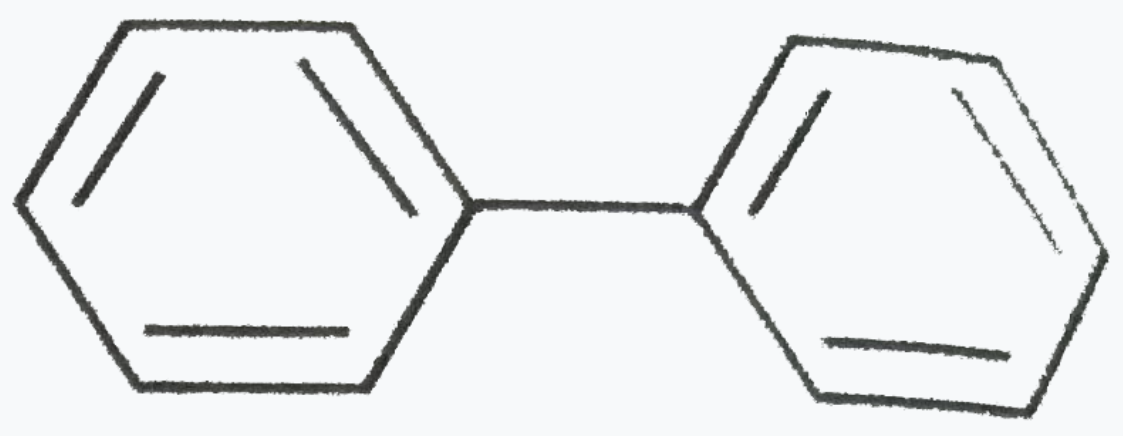
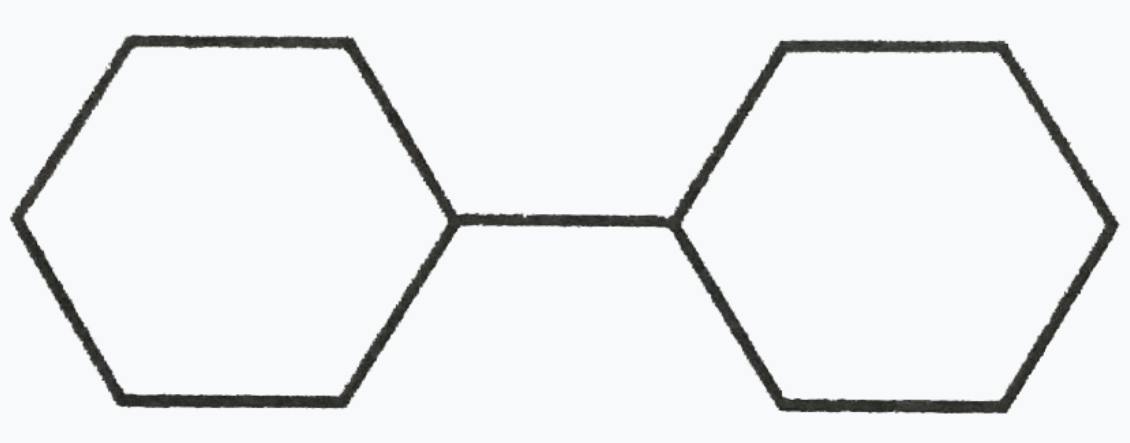
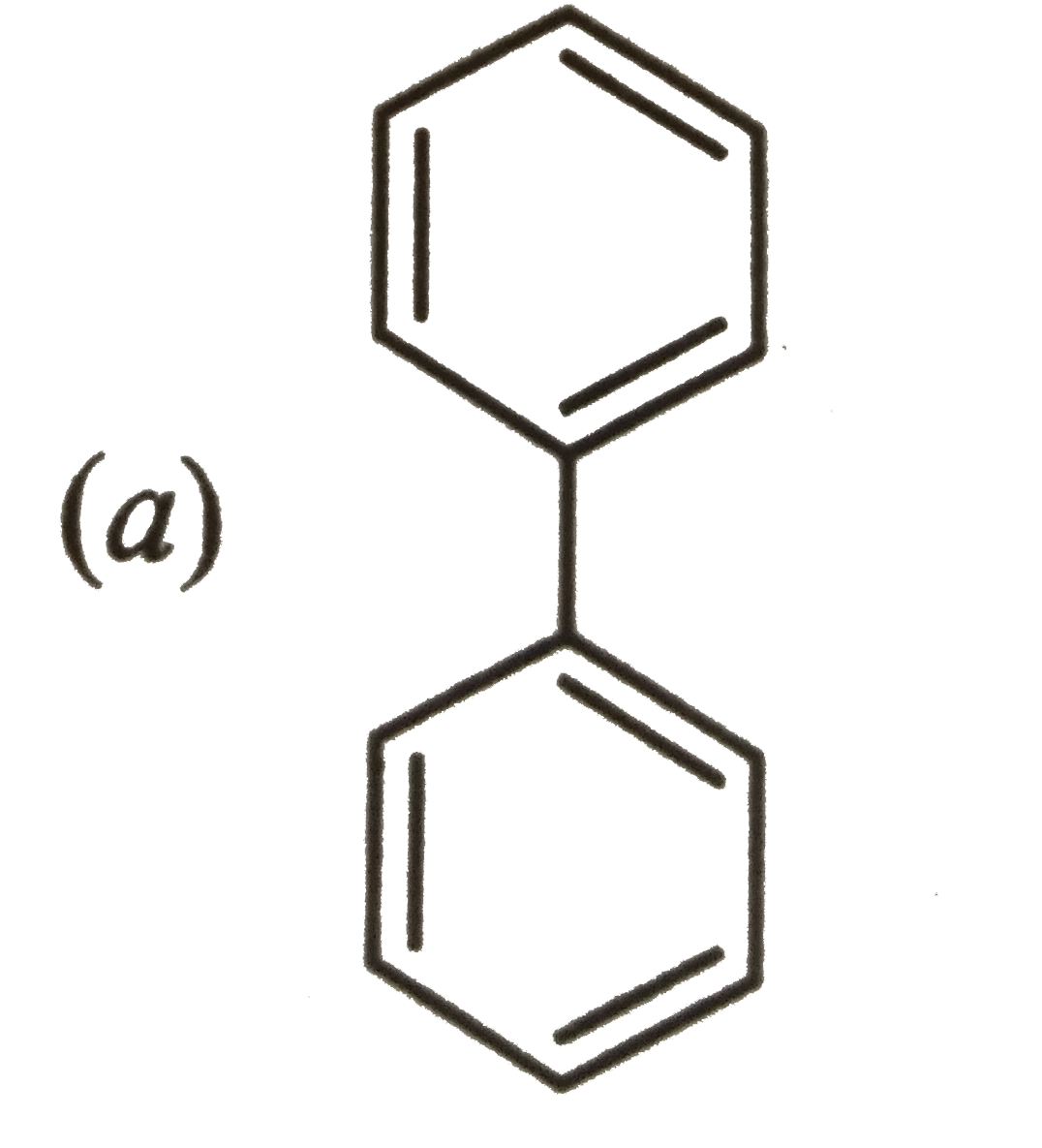
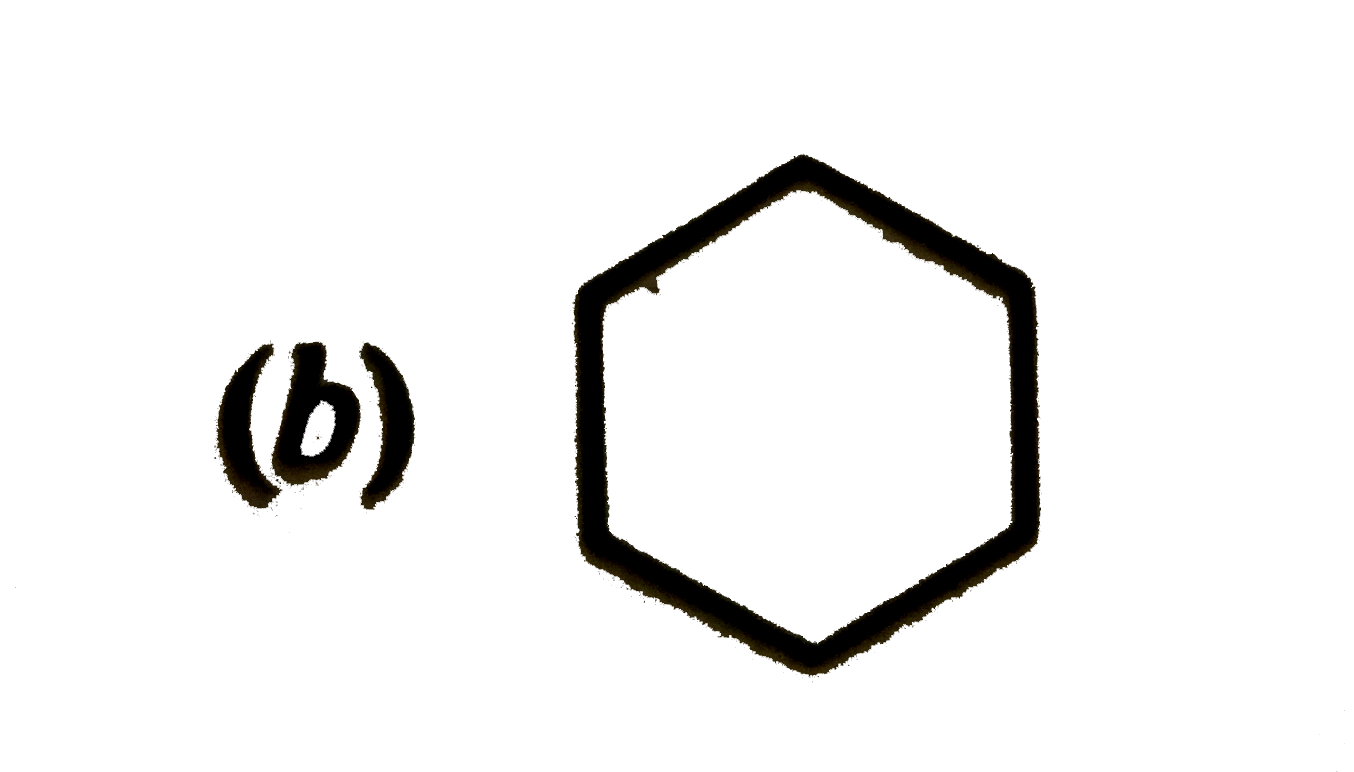
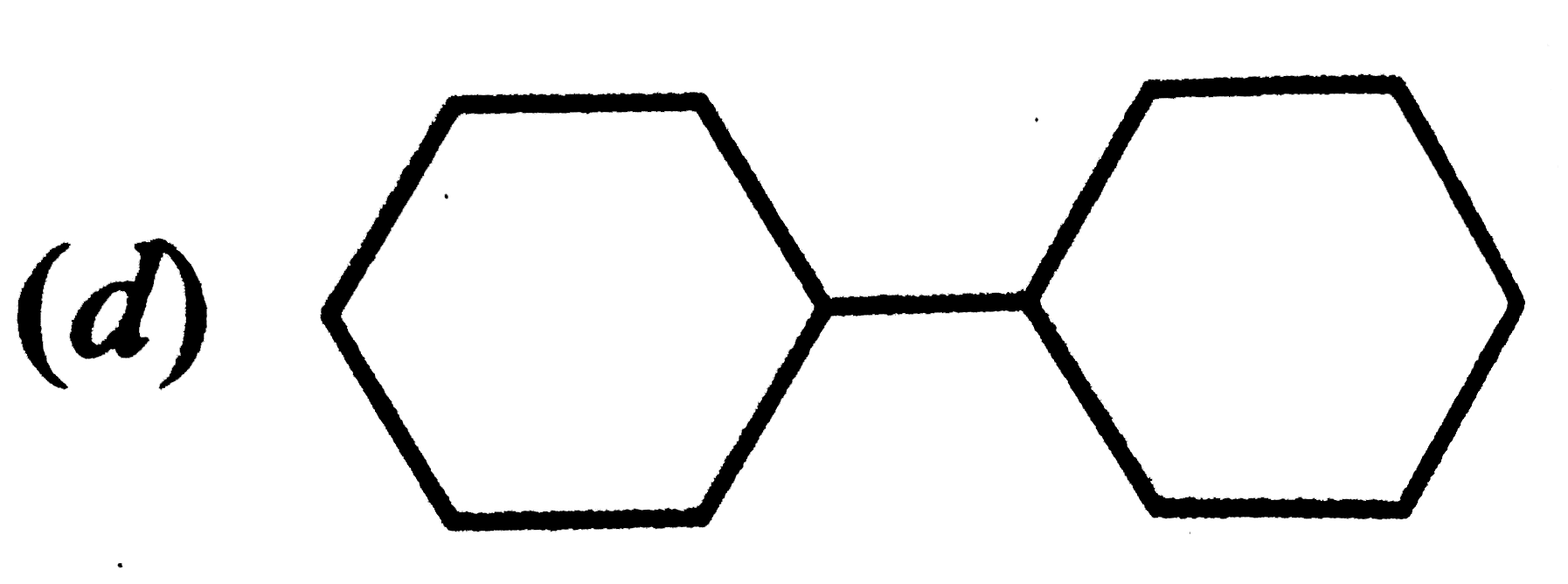
In which of the following molecules pi- electron density in ring is minimum |
|
Answer»
|
|
| 23. |
In which of the following molecules/ions BF_3,NO_2^(-), NH_2^(-) and H_2O, the central atom is sp^2 hybrized ? |
|
Answer» `NO_2^(-) and NH_2^(-)` |
|
| 24. |
In which of the following molecules / ions BF_(3), NO_(2)^(-), H_(2) the central atom is sp^(2) hybridised ? |
|
Answer» `NH_(2)^(-)and H_(2)O` `NO_(2)^(-)` - Central stom `sp^(2)` hybridised `BF_(3)` - Central atom `sp^(2)` hybridised `NH_(2)^(-)` - Central atom `sp^(3)` hybridised |
|
| 25. |
In which of the following molecules chiral centre(s) is/are not present |
|
Answer»
 in this COMPOUND CHIRAL CENTER is not PRESENT |
|
| 26. |
In which of the following molecules are all the bond not equal ? |
|
Answer» `AIF_(3)` 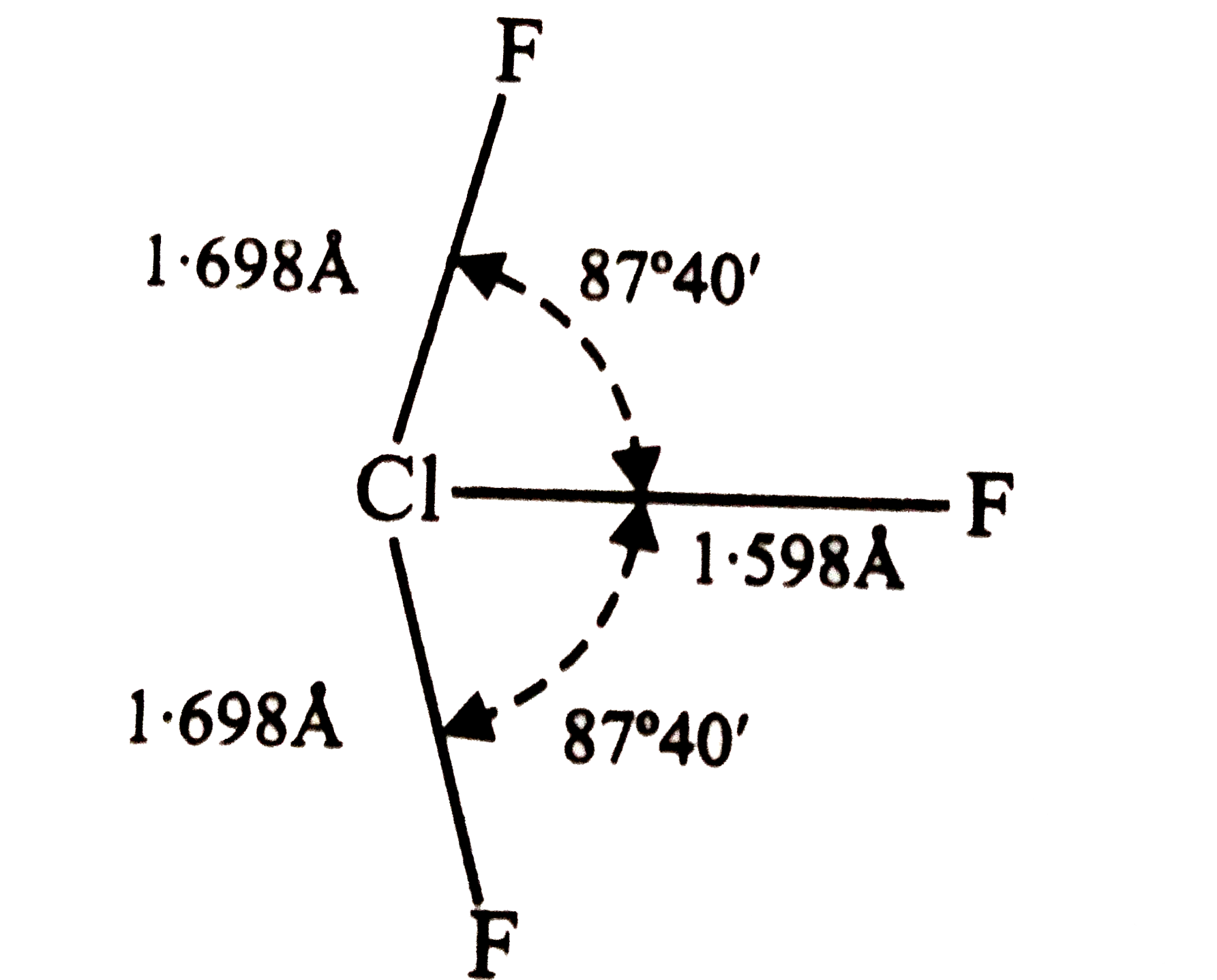
|
|
| 27. |
Which one of the following molecules has all the effects, namely inductive, mesomeric and hyperconjugative? |
|
Answer»
|
|
| 28. |
In which of the following molecules , all atoms are co-planar ? |
|
Answer»
|
|
| 29. |
In which of the following molecules, all atoms are coplanar ? |
|
Answer»
|
|
| 31. |
In Which of the following molecule would you expect the introgen to nitrogen bond to be longest ? |
|
Answer» `N_(2)O` 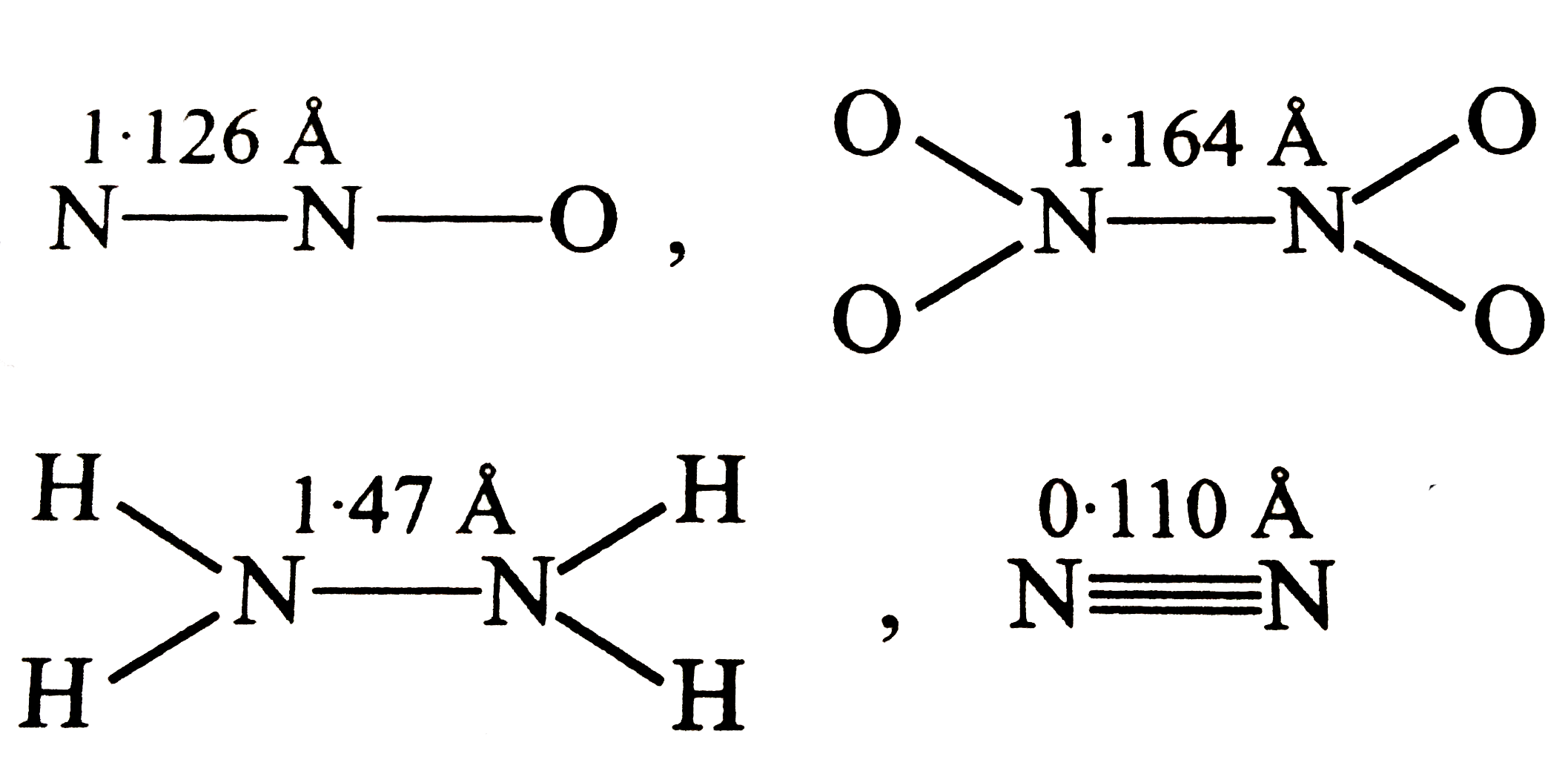 Thus , N-N bond in `N_(2) O_(4)` is longest and hence very weak butthree is no SATISFACTORY EXPLANATION for it . ` (N-=N)` has shortest bondlength because of triple bond) |
|
| 32. |
In which of the following molecule/ion aU the bonds are not equal ? |
|
Answer» `XeF_(4)` `XeF_(4) rArr ` 4bp + 2l `rArr` square planar `rArr` all bonds are equivalent `BF_(4)^(-) rArr` bp + 0lp tetrahedral (all bonds are EQUAL )  bond is not equal to C-H bond bond is not equal to C-H bond `SiF_(4) rArr 4 " bp" + 0lp rArr`tetrahedral (all bonds are equal) So, in `C_(2)H_(4)` all the bonds are not equal . |
|
| 33. |
In which of the following molecule or ion the hybridisation state ofo the N-atom is sp- |
|
Answer» `NO_(2)^(+)` |
|
| 34. |
In which of the following molecule/ion all the bonds are not equal ? |
|
Answer» `XeF_(4)` 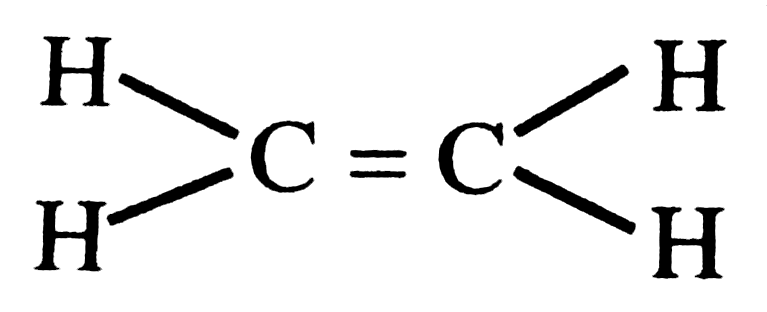 . Thus , there are two TYPES of bonds present , VIZ. C = C and C-H . Thus , there are two TYPES of bonds present , VIZ. C = C and C-H
|
|
| 35. |
In which of the following mixtures summation of molarity of cation(s) in the resulting solution is less than 1? |
|
Answer» `NHO_(3)(0.1 M,10 ML) + NaOH (1 M, 10 mL)` |
|
| 36. |
In which of the following minerals, Al is not present |
|
Answer» Cryolite |
|
| 37. |
In which of the following mineral aluminium is not present ? |
|
Answer» Cryolite |
|
| 38. |
In which of the following Lanthanoids oxidation state + 2 is most stable ? |
|
Answer» Ce |
|
| 39. |
In which of the following is (are) the correct order of bond lengths : |
|
Answer» `C-C GT C=Cgt CequivC gt C EQUIV N` C) `C = C gt C = N gt C = O` D) `C - C gt C = C gt-= C gt C-H` |
|
| 40. |
In which of the following ions oxygen is more electronegative ? |
|
Answer» `CLO^(-)` |
|
| 41. |
In which of the following ionisation processes, the bond order has increased and the magnetic behaviour has changed? |
|
Answer» `N_(2)toN_(2)^(+)` |
|
| 42. |
In whichof the following inoization processes, the bond order has increased and the magnetic behaviour has changed ? |
|
Answer» `N_(2) to N_(2)^(+)` `C_(2) (B. O .= 2 ) to C_(2)^(2+) (B.O. = 1.5)` `NO (KK sigma_(2)^(2) sigma_(2s)^(**2) sigma_(2p_(z))^(2) pi_(2p_(X))^(2)pi_(2p_(y))^(2)pi_(2p_(x))^(**1)`, B . O . = 2.5 PARAMAGNETIC ) `to NO^(+)` `(KK sigma_(2)^(2) sigma_(2s)^(**2) sigma_(2p_(z))^(2) pi_(2p_(x))^(2)pi_(2p_(y))^(2)`, B.O. = 3, DIAMAGNETIC ) `O_(2) (B.O. = 2 ` , paramagnetic) `to ` `O_(2)^(+) `(B .O. = 2. 5 paramagnetic) |
|
| 43. |
In which of the following industries Flyash is produced as waste ? |
|
Answer» FERTILIZER INDUSTRY |
|
| 44. |
In which of the following hydrides, the law of constant composition does not hold good |
|
Answer» SALINE HYDRIDES |
|
| 45. |
In which of the following hyperconjugation is involved |
|
Answer» `CH_(3)CH_(2)-CH=CH_(2)` |
|
| 46. |
In which of the following hydride law of constant composition does not hold good. |
| Answer» ANSWER :D | |
| 47. |
In which of the following has only one pi bond? (a) CH_(3)COCH_(3) (b) CH_(3)CHO (c ) CH_(3)CONH_(2) (d) C_(2)H_(2) (e ) C_(2)H_(4) (f) CH_(3)CH= CH_(2) (g ) CH_(3) - CH= CHCN (h) CH_(3)COOH (i) C_(6)H_(5) COOH |
| Answer» SOLUTION :Only one `pi` bond PRESENT in (a), (b), (C ), ( E), (F) | |
| 48. |
In which of the following homolytic bond fission takes place ? |
|
Answer» Alkaline HYDROLYSIS of ETHYL chloride |
|
| 49. |
In which of the following has minimum torsional strain and minimum vander wall strain. |
|
Answer» I |
|