

Saved Bookmarks
This section includes 7 InterviewSolutions, each offering curated multiple-choice questions to sharpen your Current Affairs knowledge and support exam preparation. Choose a topic below to get started.
| 1. |
Match the Colunm-I with Column-II: {:("Column-I",,"Column-II"),("(a) Spontaneous process",,"(p) " DeltaH =-ve),("(b) Heat flow from high temperature of system towards low" ,,"(q) " DeltaG=+ve),("(c) Exergonic process" ,,"(r) " DeltaS_("total")=+ve),("(d) Increase in the randomness of system of heating",,"(s) " DeltaG=-ve):} |
|
Answer» |
|
| 2. |
Match the Colunm-I with Colunm-II and select the correct answer: |
|
Answer» `"I-BII-AIII-C"` |
|
| 3. |
Match the Colunm-I with Column-II and Column-III: l = Edge length of unit cell, r = Radius of spherical constituent unit |
|
Answer» |
|
| 4. |
Match the Colunm-I with Column-II : |
|
Answer» `"I-1II-2III-3IV-4"` |
|
| 5. |
Match the Column of I and II |
|
Answer» |
|
| 6. |
Match the column of I and II |
|
Answer» |
|
| 7. |
Match the Column-I with Column-II {:("Column-l ","Column-II"),((A) XeF_(2) ,(P) "Distorted octahedral"),((B) XeF_(6),(Q)"Pyramidal "),((C) NH_(3),(R) "Tetrahedral"),((D) XeO_(4),(S)"Linear"):} |
|
Answer» |
|
| 8. |
Match the Column-I with Column-II for van der Waals' equation |
|
Answer» <P> |
|
| 9. |
Match the Column-I with Column-II {:(,"Column-I",,"Column-II"),("(a)",C Cl_(4)+CHCl_(3),"(p)","Raoult's law"),("(b)",C_(6)H_(6)+H_(2)O,"(q)","Nearly ideal solution"),("(c)",p_(A)propx_(A),"(r)","Negative deviation from Raoult's law"),("(d)",p_(A)ltp_(A)^(0)x_(A),"(s)","Positive deviation from Raoult's law"):} |
|
Answer» |
|
| 10. |
Match the Column-I with Column-II. Choose the correct one from the alternatives (a), (b), (c) and (d). |
|
Answer» `{:((a),(B),(C),(d),),(P-IV,P-V,P-I,P-IV,):}` |
|
| 11. |
Match the Column I with Column IIandselect the correct optionfom thecodesgivenbelow . codes. |
|
Answer» `{:(,A,B,C,D),(,4,3,2,1):}` |
|
| 12. |
Match the Column-I withColumn-II. Choose the correct one from the alternatives (a), (b), (c) and (d). |
|
Answer» `{:((a),(B),(C),(d),),(P-III,P-I,P-V,P-III,):}` |
|
| 13. |
Match the Column I with Column II and mark the approprite choice. {:("Column I","Column II"),((A)"Galena",(i)"Abrasive"),((B)"Diamond",(ii)"Metal carbonyls"),((C )"Carbon monoxide",(iii) "Hydrides of Si"),((D) "Silanes",(iv) "An ore of lead"):} |
|
Answer» (A) `to` (iv), (B) `to` (ii), (C ) `to` (i), (D) `to` (III) |
|
| 14. |
Match the column I with column II and mark the appropriate choice. {:("Column I","Column II"),((A) "Borax",(i) Na_(3)AIF_(6)),((B) "Inorganic benzene",(ii) Na_(2)B_(4)O_(7).10H_(2)O),((C )"Cryolite",(iii) AI_(2)O_(3).2H_(2)O),((D)"Bauxite",(iv) B_(3)N_(3)H_(6)):} |
|
Answer» (A) `to` (II), (B) `to` (iv), (C ) `to` (i), (D) `to` (III) |
|
| 15. |
Match the Column I with column II and mark the appropriate choice. {:("Column I","Column II"),((A) "Coal gas",(i)CO + H_(2)),((B )"Synthesis gas",(ii) CH_(4)),((C )"Producer gas",(iii) H_(2) + CH_(4) + CO),((D) "Natural gas",(iv) CO + N_(2)):} |
|
Answer» (A) `to` (i), (B) `to` (ii), (C ) `to` (III), (D) `to` (IV) |
|
| 16. |
Match the Column-I with Column-II and mark the appropriate choice {:("Column-I","Column-II"),("(Atom)","(No of unpaired electrons)"),("(A)"_(15) P, "i) 6 unpaired electrons"),("(B)"_(24) Cr, "ii) 2 unpaired electrons"),("(C)"_(26) Fe, "iii) 3 unpaired electrons"),("(D)"_(14) Si,"iv) 4 unpaired electrons"):} |
|
Answer» `{:(A, B, C, D),(II, i , iii, i):}` |
|
| 17. |
Match the column I with column II and mark the appropriate choice {:("Column I","Column II"),((A)"Borax-bead",(i)"Alum"),((B)"Inorganic benzene",(ii) "Diborane"),((C)"Antiseptic",(iii)"Metaborate"),((D)"Bridged hydrogens",(iv) "Borazine"):} |
|
Answer» (A) `to` (i), (B) `to` (iii), (C ) `to` (ii), (D) `to ` (IV) |
|
| 18. |
Match the Column-I with Column-II |
|
Answer» |
|
| 22. |
Match the column-I with Column-II |
|
Answer» |
|
| 26. |
Match the column-I (Reaction) with column-II (maximum yield of the product) |
|
Answer» <P> |
|
| 29. |
Match the column I and II |
|
Answer» (B) `(HBO)` (C)halohydrin (d) halogenation |
|
| 31. |
Match the column I and II: |
Answer» 
|
|
| 32. |
Match the column - {:(,"Column-I",,"Column-II"),(,"For the production of "H_(2)O_(2),,),((A),"Down process",(p),K_(2)CO_(3)),((B),"Solvay process",(q),"Manufacture of Na"),((C),"Leblance process",(r),"Manufacture of "NaOH),((D),"Castner- K ellner cell",(s),Na_(2)CO_(3)):} |
|
Answer» |
|
| 33. |
Match the column for the following reaction started with NH_2COONH_4(s) hArr 2NH_3(g)+CO_2(g) At equilibrium , partial pressure of NH_3 and CO_2 are P_(NH_3) andP_(CO_2) respectively then : |
|
Answer» |
|
| 34. |
Match the column : (Given process does not include chemical reactionn and phase change) {:(,"Column-I",,"Column-II"),((a),DeltaH=DeltaU+Delta(PV),(P),"Any matter undergong any process"),((b),DeltaH=n.C_(P)DeltaT,(q),"Isochoric process involving any substance"),((c),q=DeltaU,(r),"Ideal gas,under any process"),((d),DeltaH=DeltaU+nRDeltaT,(s),"Ideal gas under isothermal process"),(,,(t),"Anysubstance undergoing isobaric process"):} |
|
Answer» |
|
| 35. |
Match the Column {:("Column - I ","Column - II "),("a) Po ","i) Liquid metal "),("b) Mercury ","ii) Liquid non-metal "),("c) Bromine ","iii) Diamond "),("d) Carbon ","iv) VIA group"):} |
|
Answer» a-iv, b-i, c-ii, d-iii |
|
| 37. |
Match the column |
|
Answer» |
|
| 38. |
Match the column: |
Answer» 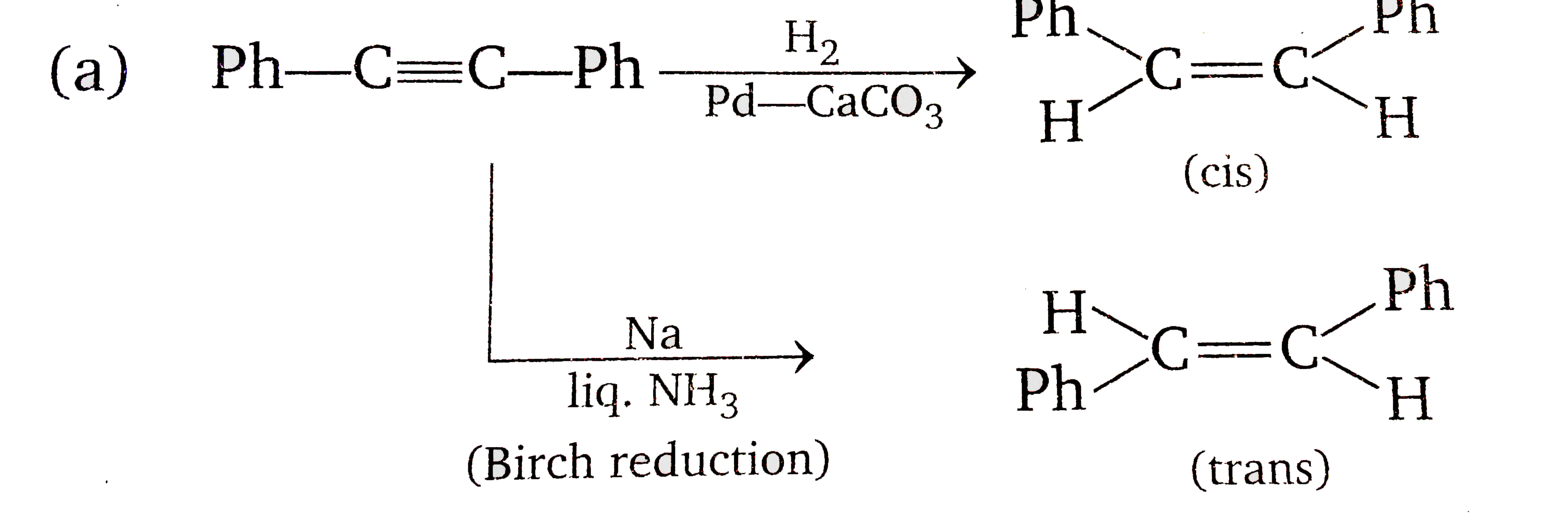 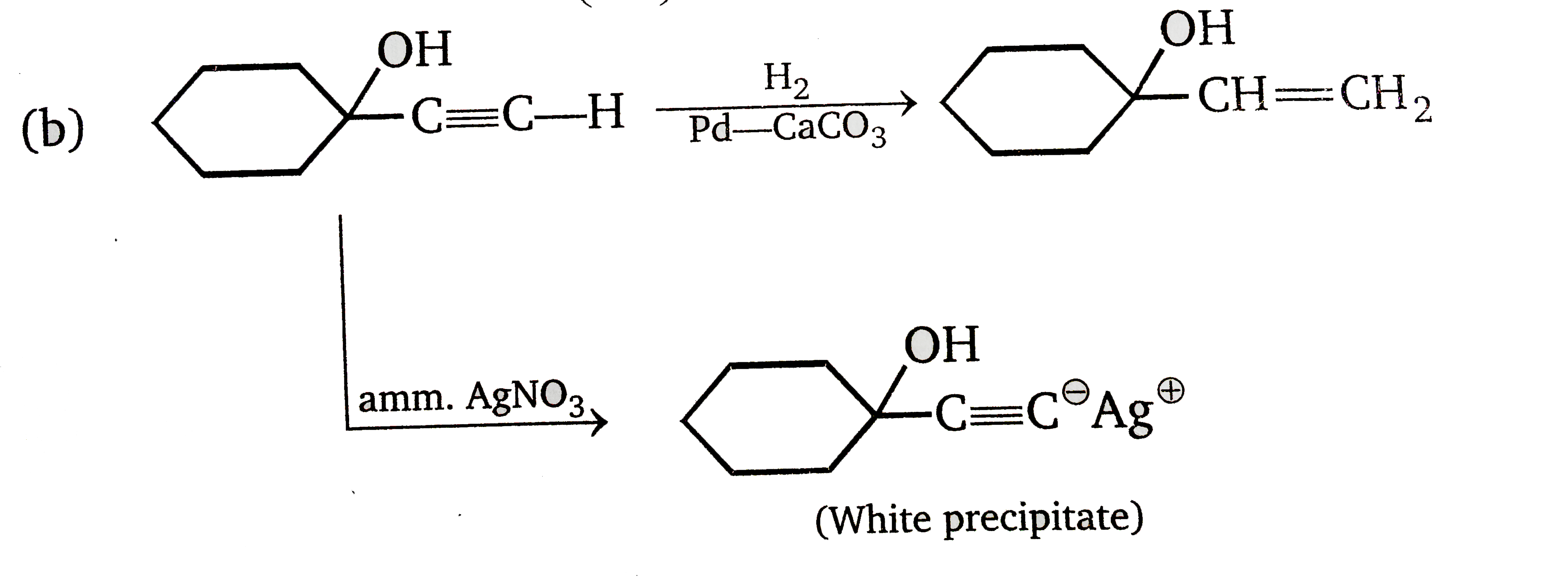 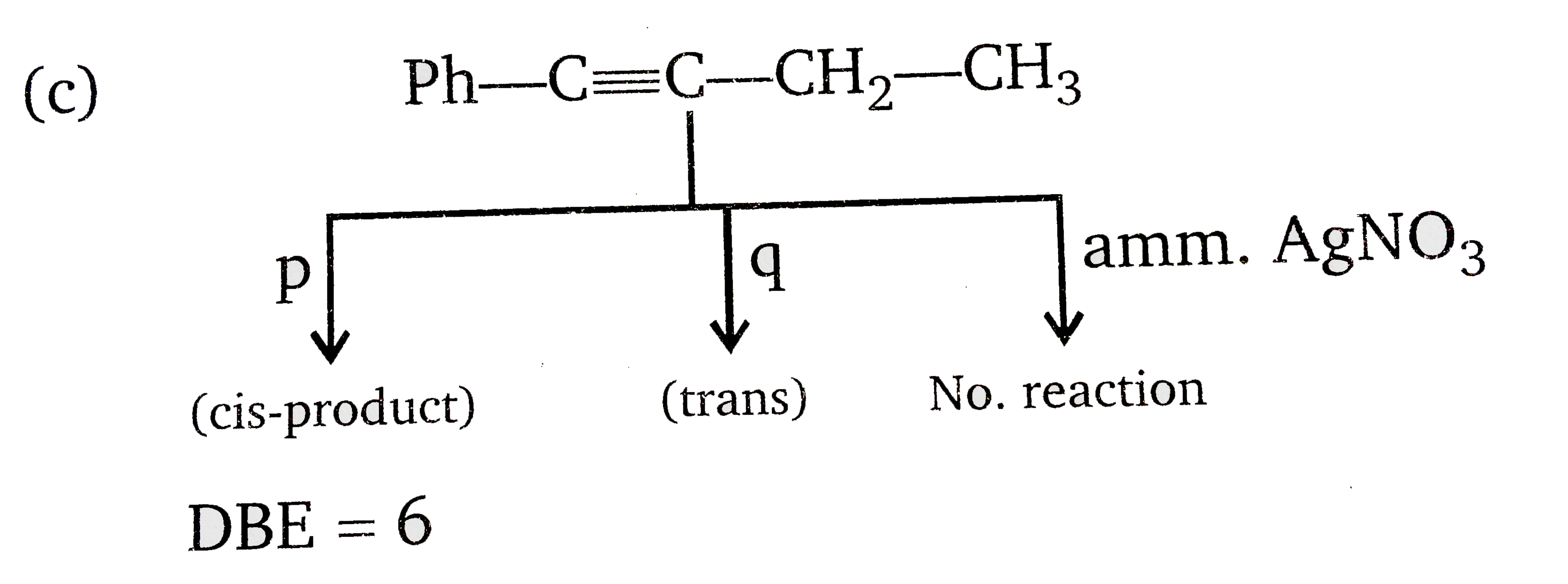 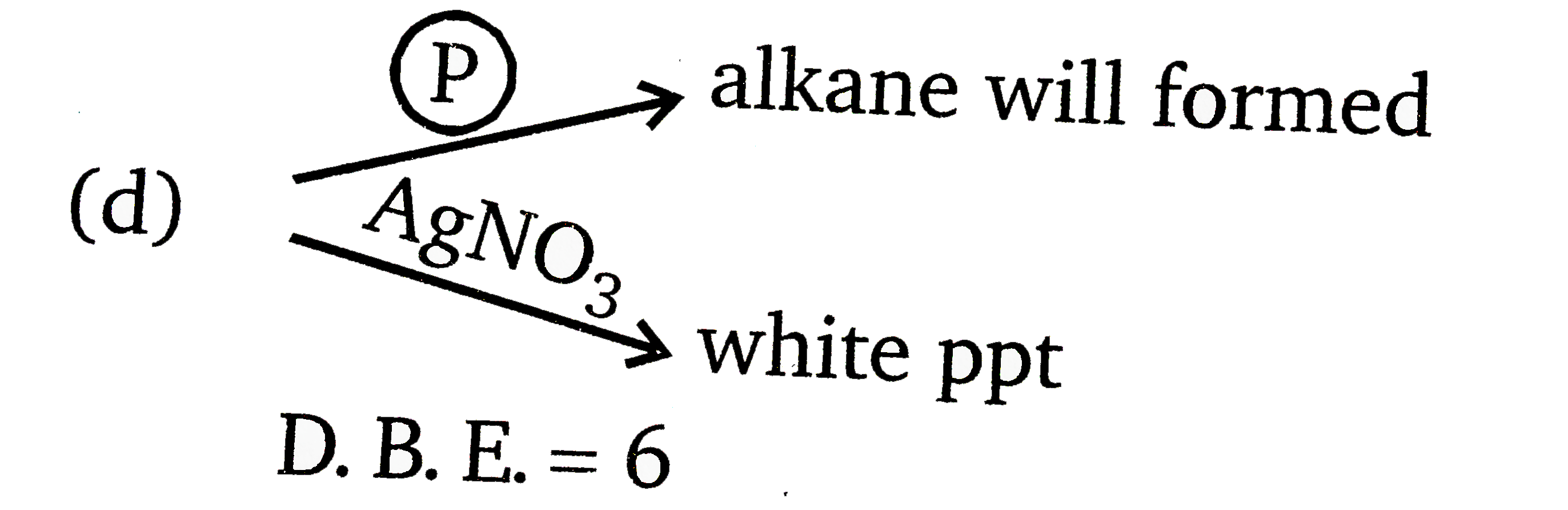
|
|
| 39. |
Match the column |
|
Answer» |
|
| 41. |
Match the column |
Answer» 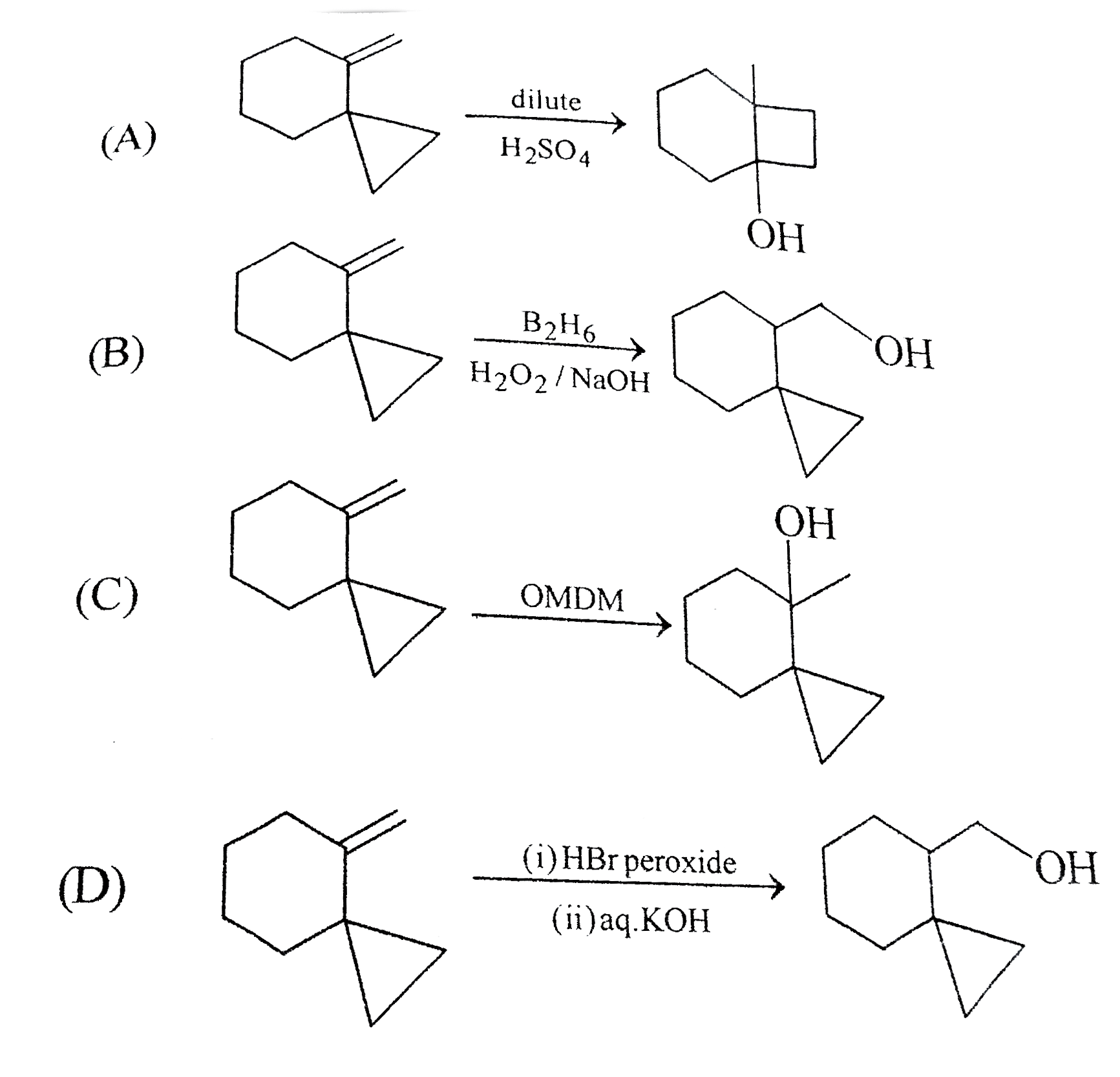
|
|
| 42. |
Match the column: |
|
Answer» <P>`{:(Column I,ColumnII),(Ni,(P)"ELEMENTS having number of unpaired electron in their dipositive ion =2"):}` |
|
| 44. |
Match the column : |
|
Answer» `{:("(P)","(Q)","(R)","(S)"),(1,"1,2",4,3):}` |
|
| 47. |
Match the column - |
|
Answer» |
|
| 48. |
Match the colume I with column II and mark the appropriate choice. {:(,"Column I",,"Column II"),((A),"Liquid" hArr "Vapour",(i),"Saturated solution"),((B),"Splid"hArr"Liquid",(ii),"Boiling point"),((C),"Solid"hArr"Vapour",(iii),"Sublimation point"),((D),"Solute(s)"hArr"Solute(solution)",(iv),"Melting point"):} |
|
Answer» `(A)to(i),(B)to(III),(C)to(II),(D)to(IV)` |
|
| 49. |
Match the colour of the precipitates with their respective compounds (molecular formula) obtained in the analysis of different cations. |
|
Answer» |
|
