Saved Bookmarks
This section includes 7 InterviewSolutions, each offering curated multiple-choice questions to sharpen your Current Affairs knowledge and support exam preparation. Choose a topic below to get started.
| 1. |
N-F bond is more polar than N-H bond. But NH_3 is more polar than NF_3. Comment |
| Answer» Solution :In `NH_(3)` the N-H bond is polar towards N atom. Polarisationof bonds and Ione pair are additive `mu` is 1.46 D. IN `NF_(3)` the N-F bond is polar away to N atom. Polarisation of bonds and Ione pair are SUBTRACTIVE . `mu` is 0.24 D. | |
| 2. |
n-factor of H_3PO_2during its diproportionation is 3H_3PO_2 rarr PH_3 +2H_3 PO_3 |
|
Answer» 1 `E=M/4""E=M/2` `E = (M)/4+M/2=(M+2M)/4=(3M)/4` ` n = 4/3` |
|
| 3. |
n- C_(7)H_(16) underset(10-20 "atm.")overset(V_(2)O_(5), 500^(@)C)to A overset(Cl_(2),hv)to B What is B in the above reaction? |
|
Answer» BENZYL CHLORIDE 
|
|
| 4. |
n-C_7H_16 underset"10-20 atm"overset(V_2O_5, 500^@C) A overset(Cl_2//hv)to B What is B in the above reaction ? |
|
Answer» BENZYL CHLORIDE 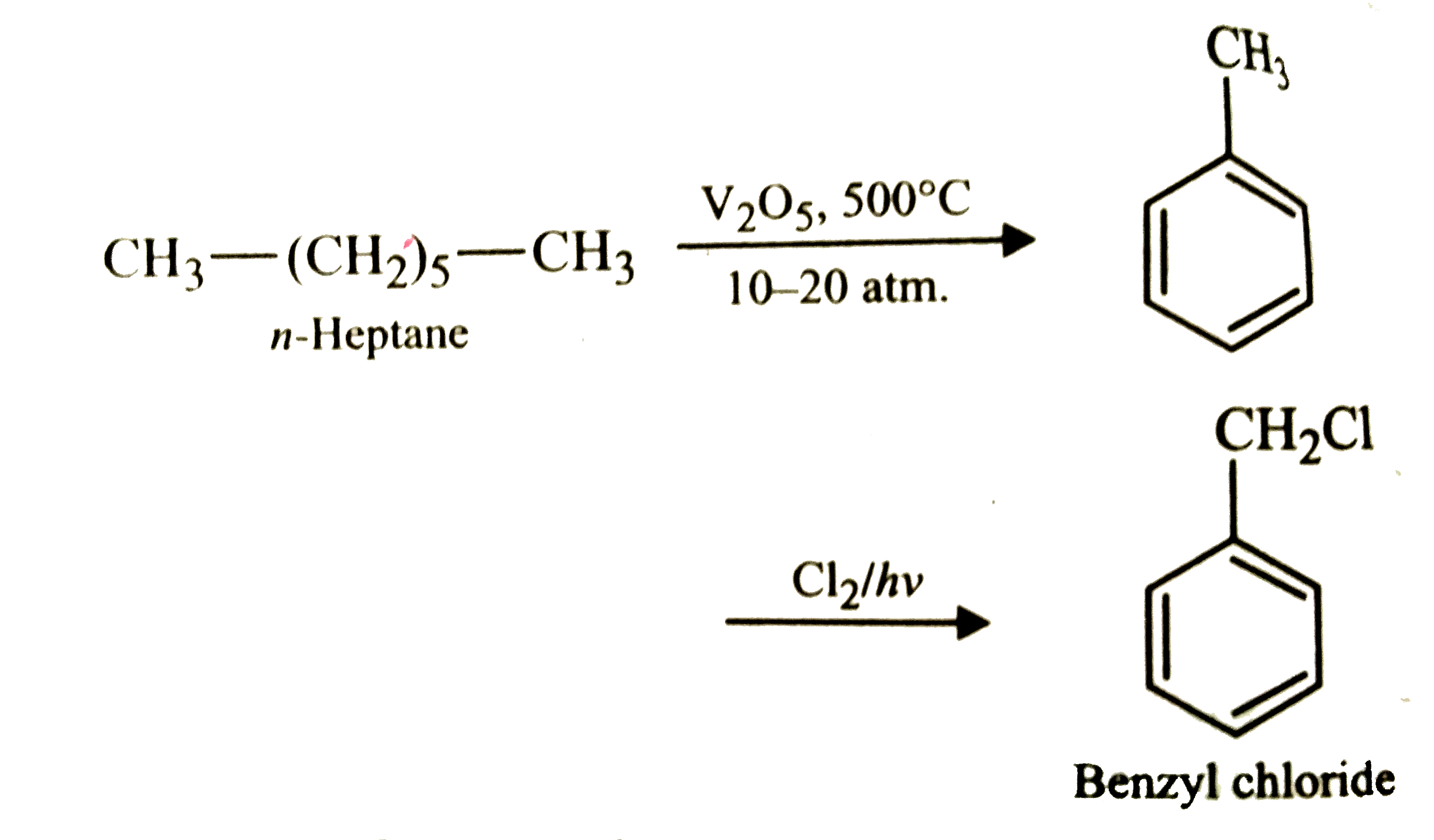
|
|
| 5. |
n-Butylcyclohexane is formed through the following sequence of reactions. In the above scheme of reactions, "X" is - |
|
Answer»
|
|
| 6. |
n - Butyl benzene on oxidation with KMnO_(4) gives |
| Answer» Answer :B | |
| 7. |
n-Butanol and 2-methyl propanol are a pair of which isomers? |
|
Answer» Position |
|
| 8. |
n-Butane prepared by Wurtz reaction of ethyl bromide is always contamined by some ethane and ethene . From where do ethane and ethene come in ? Explain. |
|
Answer» Solution :Wurtz reaction is believed to occur by free radical mechanism `UNDERSET"Ethyl BROMIDE"(CH_3CH_2Br)+Na to underset"Ethyl radical " (CH_3 oversetdot(CH_2))+NaBr` Ethyl radical thus produced undergoes coupling and disproportionation reaction. Whereascoupling produces n-butane, disproportionation produces ETHANE and ETHENE as SHOWN below : `underset"Ethyl radical"(CH_3overset*CH_2)+CH_2overset*CH_3 overset"Coupling"to underset"n-Butane"(CH_3CH_2CH_2CH_3)` `CH_3overset*CH_2+CH_2overset*CH_3 overset"Disproportionation"to underset"Ethane"(CH_3-CH_3)+underset"Ethene"(CH_2=CH_2)` |
|
| 9. |
n-butane is converted into iso-butane by |
|
Answer» `LiAIH_4` |
|
| 10. |
n-butane converts into isobutane by |
|
Answer» `LiAlH_(4)` |
|
| 11. |
n-Butane and isobutane are a pair of |
|
Answer» CHAIN isomers |
|
| 12. |
N_(2(g)) + O_(2(g)) + 180.6 kJ to 2NO_((g)), calculate (a) heat of reaction, (b) heat of formation of nitric oxide and (c) heat required to form one litre of nitric oxide at 25^@C. |
|
Answer» Solution :THERMOCHEMICAL equation, `N _(2 (g)) + O _(2(g)) to 2 NO _((g )), Delta H =+ 180.6 kJ.`The heat of the given reaction `=Delta H = + 180.6 kJ`Since 2 mole of nitric acid is formed in the reaction, the heat of formation of nitric oxide,`Delta H _(F ) = (Delta H)/(2) = (180.6)/(2) = 90.3 kJ mol ^(-1)` At `25^(@)C` and 1 ATM ONE mole of a gas occupies 24.4 LITRES. Heat required to form 24.4 litre of NO = 90.3 kJ . Heat required to form one litre of NO `= (90.3)/(24.4) = 3.7 kJ lit ^(-1)` |
|
| 13. |
My and NY_(3), two nearly insoluble salts have the same K_(sp) value of 6.2xx10^(-13) at room temperature. Which statement would be true in regard to My and NY_(3) ? |
|
Answer» The ADDITION of the salt of KY to the SOLUTION of MY and `NY_(3)` will have no effect on their SOLUBILITIES `K_(sp)=[M^(+)][Y^(-)]=S_(1).S_(1)=S_(1)^(2)` or `S_(1)=sqrt(K_(sp))=7.87xx10^(-7) "mol" L^(-1)` `{:(NY_(3),hArr,N^(+),+ ,3Y^(-)),(S_(2),,S_(2),,3S_(2)):}` `K_(sp)=[N^(3+)][Y^(-)]^(3)=S_(2)(3S_(2))^(3)=27S_(2)^(4)` or `S_(2)=((K_(sp))/(27))^(1//4)=((6.2xx10^(-13))/(27))^(1//4)` `=3.89xx10^(-4)" mol" L^(-1)` Evidently , `S_(1) lt S_(2)` |
|
| 14. |
MY and NY_3 two nearly insoluble salts, have the same K_(SP) values of 6.2 xx 10^(-13) at room temperature. Which statement would be true in regard to MY and NY_3 ? |
|
Answer» The molar solubility of MY in water is less than that of `NY_3` `S=(6.2xx10^(-13))^(1/2)` For `NY_3, K_(SP)=27 S^4` `S=(6.2xx10^(-13))^(1/4)/27` |
|
| 15. |
Mutarotation does not occur in : |
|
Answer» SUCROSE |
|
| 17. |
Multiple number (n) = ............ + formula mass of empirical formula. |
|
Answer» MOLECULAR MASS |
|
| 18. |
Multiply : (i) 730 xx 240 (ii) 5.02 xx 10^(23) xx 1.0064 (iii)0.06204 xx 296.4 |
|
Answer» (ii) `502xx10^(23)xx1.0064=5.05xx10^(23)` (III) `0.06204xx296.4=18.39=18.4` (after ROUNDED off) |
|
| 19. |
Mr.Santa has to decode a number "ABCDEF" where each alphabet is respersented by a single digit . Suppose an orbital whose radial wave functoin id respresented as Psi_(r)=K_(1).e^_r//k_(2) (r^(2)-5k_(3)r+k_(3)^(2)) Fromthe following information given about each alphabet then write down the answer in the from of"ABCDEF", for above orbital . Info A= Value of n where "n" is principle quantum number Info B= No .ofangular nodes InfoC=Azimuthal quantum number of subshell to orbital belongs Info D= No. of subshells having energy between (n+5)s to (n+5)p where n id principlequantum number Info E=Orbital angular momentum of given orbital. Info F= Radial distance of the spherical node which is farthest from the nuclues (Assuming K_(3) =1) |
|
Answer» `Psi(r)=4p K_(1)E^(_r//k_(2))xxr^(l)` `(polynomial )^(n-l-1)` compare the given equantion with the above equation we get `n-l-1=2"".........(i)` `l=0"".........(ii)` n=3 and slove accordingly |
|
| 20. |
Mr. Rao owns a famous beauty parlour . For bleaching of hair, renowned actress katrina kaif enters parlour but, she was astonished to find a trainee hair dresser. She realised that hair dresser is inefficientin his job and unsure which amound the four bottles is to be used for bleaching .She was shown four bottles containing 500 ml of H_(2)O_(2) solution each. Katrina was further told that: (a)H_(2)O_(2)solution are used for bleaching of hair. (b) only one complete bottle to be used per person. (c) requirement of oxygen for a good bleach is 10% by mass of hair. Which other combination of two bottles can provide exactamount of H_(2)O_(2) for bleaching , if half of the amount of the solution in two bottle choosen are mixed? |
|
Answer» A and B |
|
| 21. |
Mr. Rao owns a famous beauty parlour . For bleaching of hair, renowned actress katrina kaif enters parlour but, she was astonished to find a trainee hair dresser. She realised that hair dresser is inefficientin his job and unsure which amound the four bottles is to be used for bleaching .She was shown four bottles containing 500 ml of H_(2)O_(2) solution each. Katrina was further told that: (a)H_(2)O_(2)solution are used for bleaching of hair. (b) only one complete bottle to be used per person. (c) requirement of oxygen for a good bleach is 10% by mass of hair. Knowing mass of her hair to be 480 gm, help Katrina to find which bottle will be just sufficient for her? |
|
Answer» BOTTLE B |
|
| 22. |
Moving from C to Pb, capacity to form ppi-ppi bond with own atoms ....... |
|
Answer» decreases |
|
| 23. |
Mottling of teeth is due to presence of an element in drinking water |
|
Answer» Mercury |
|
| 24. |
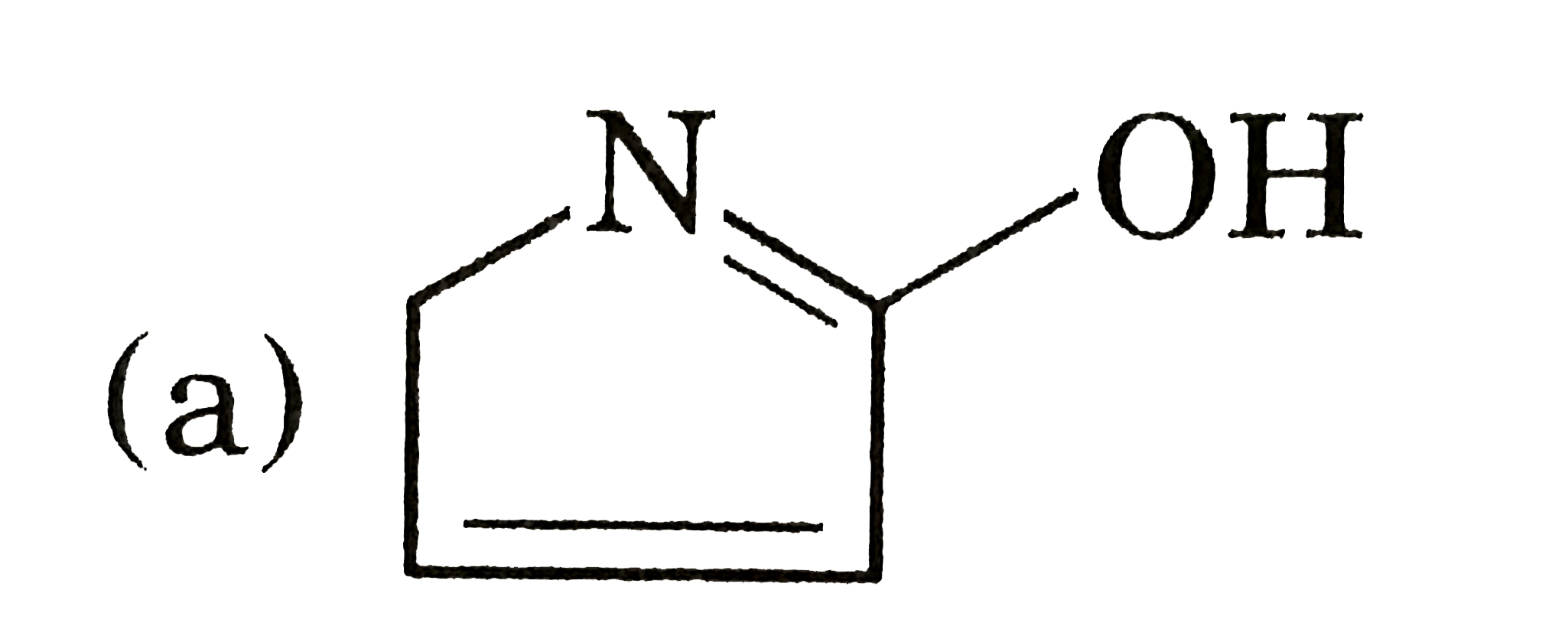
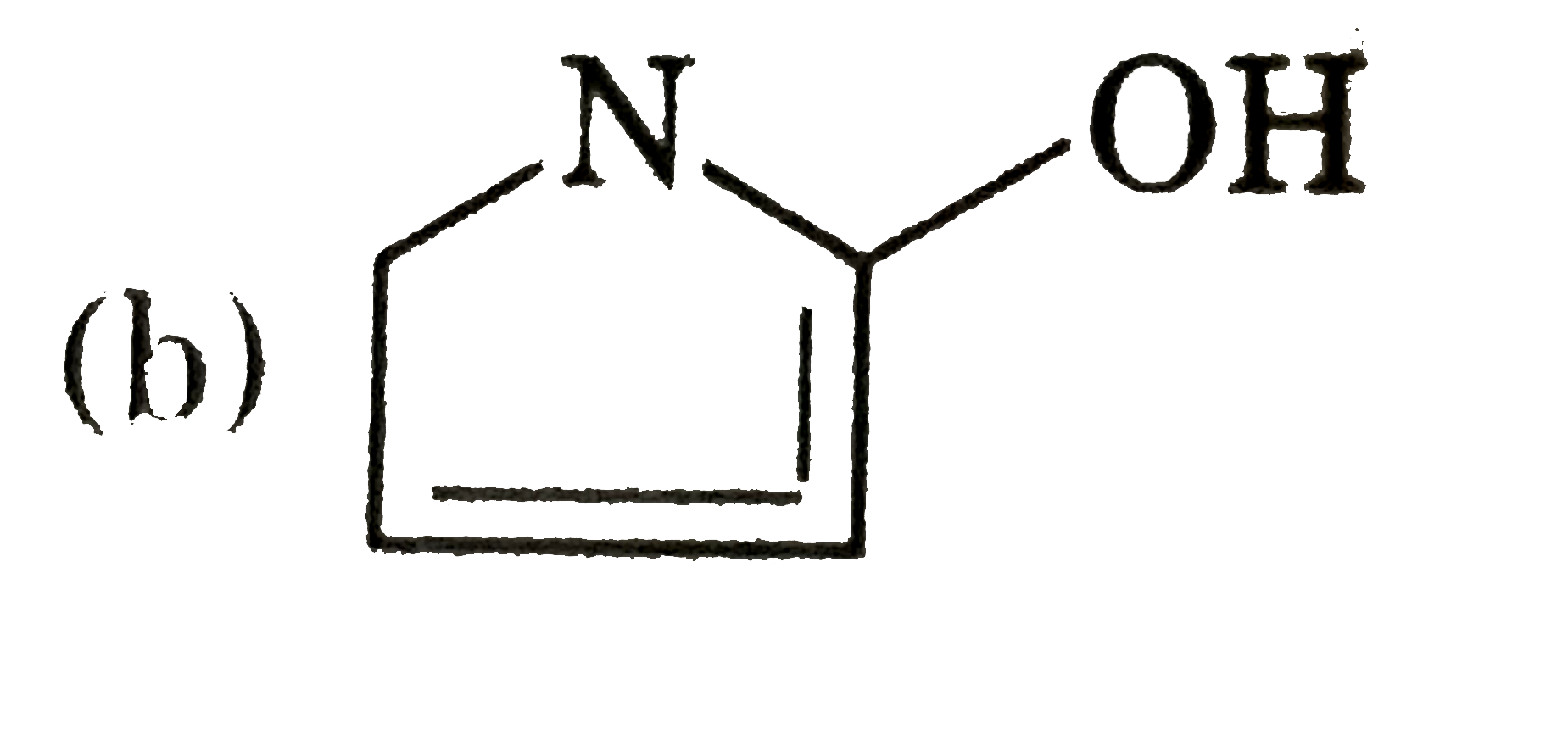
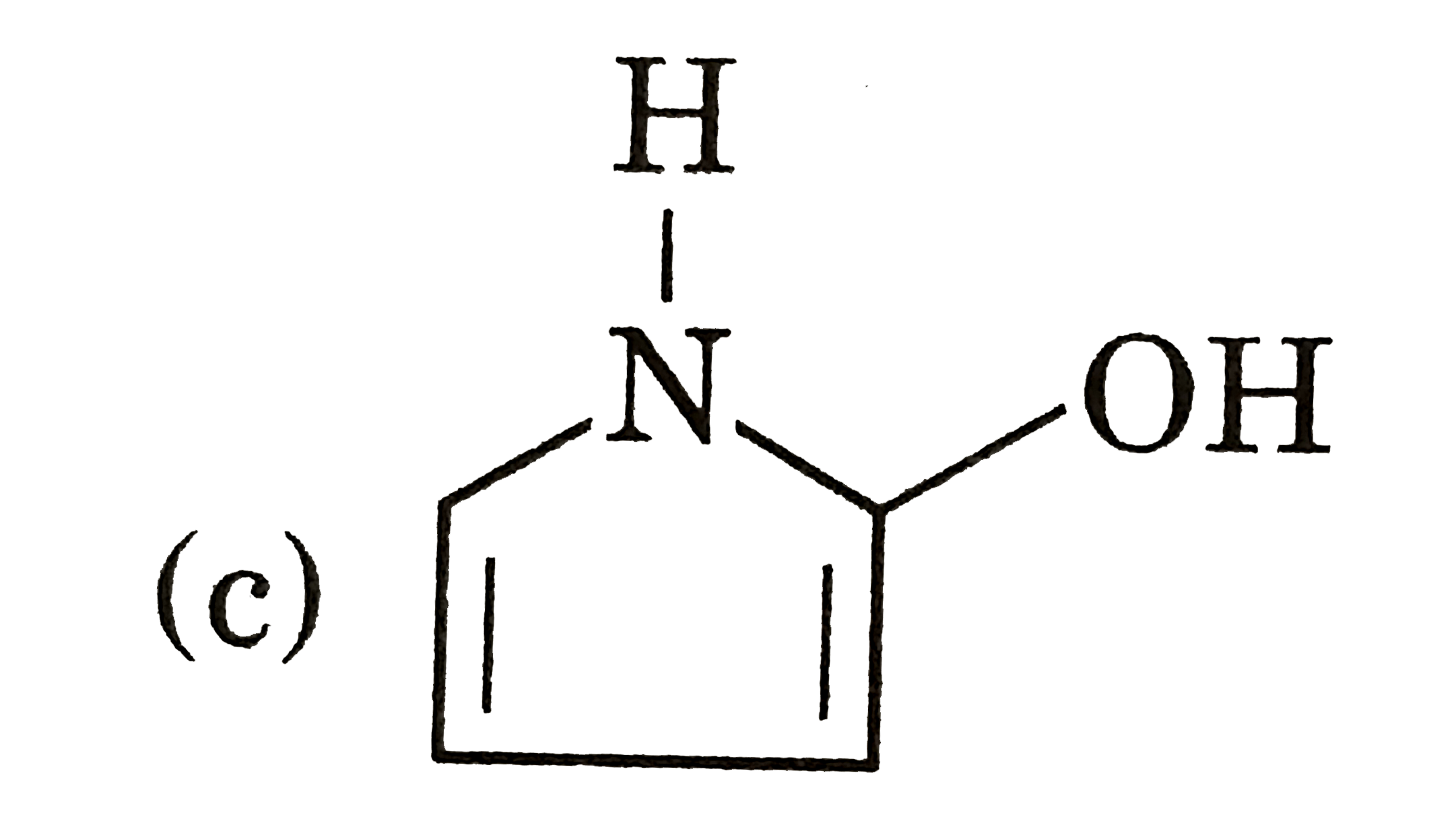
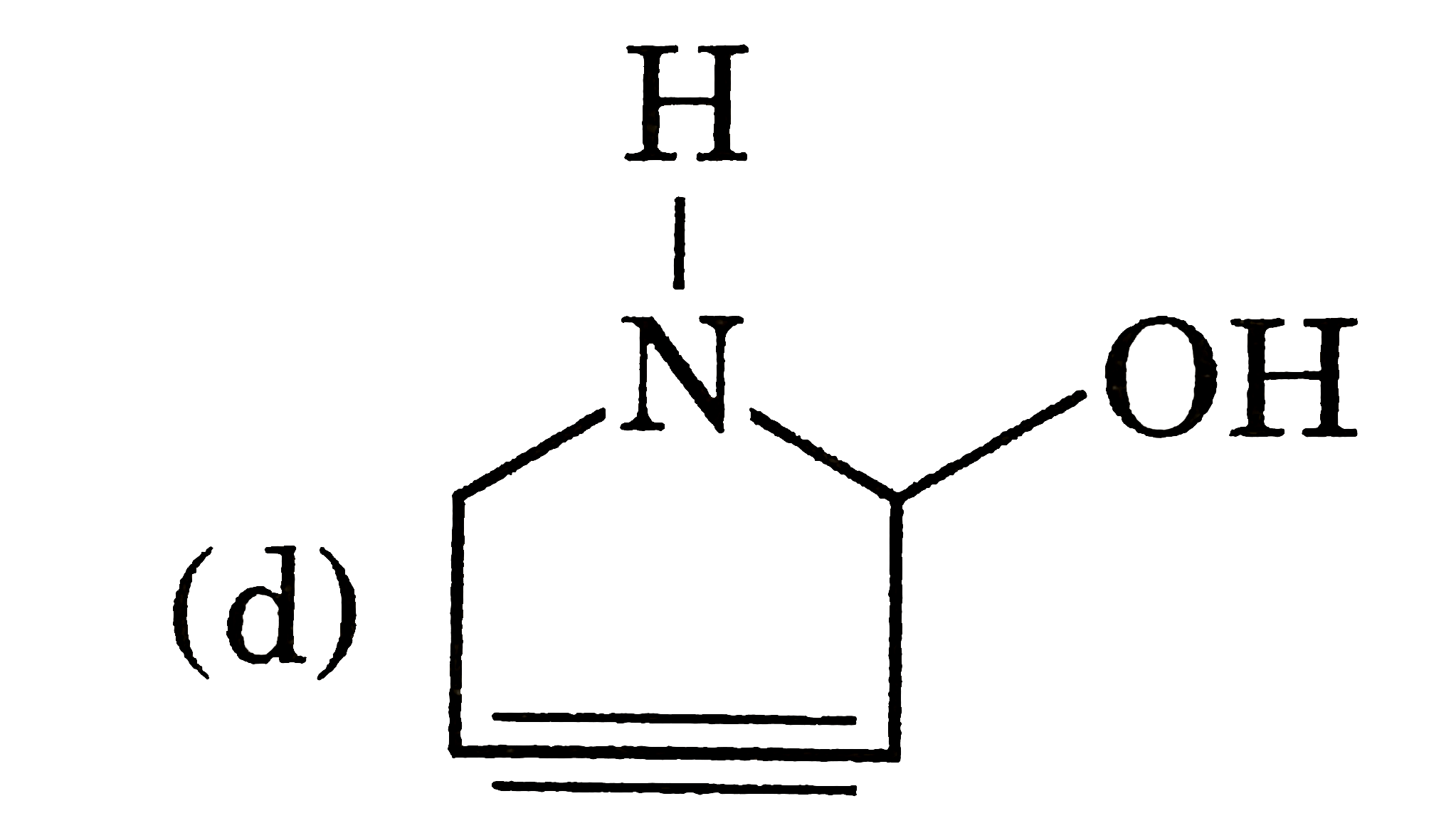
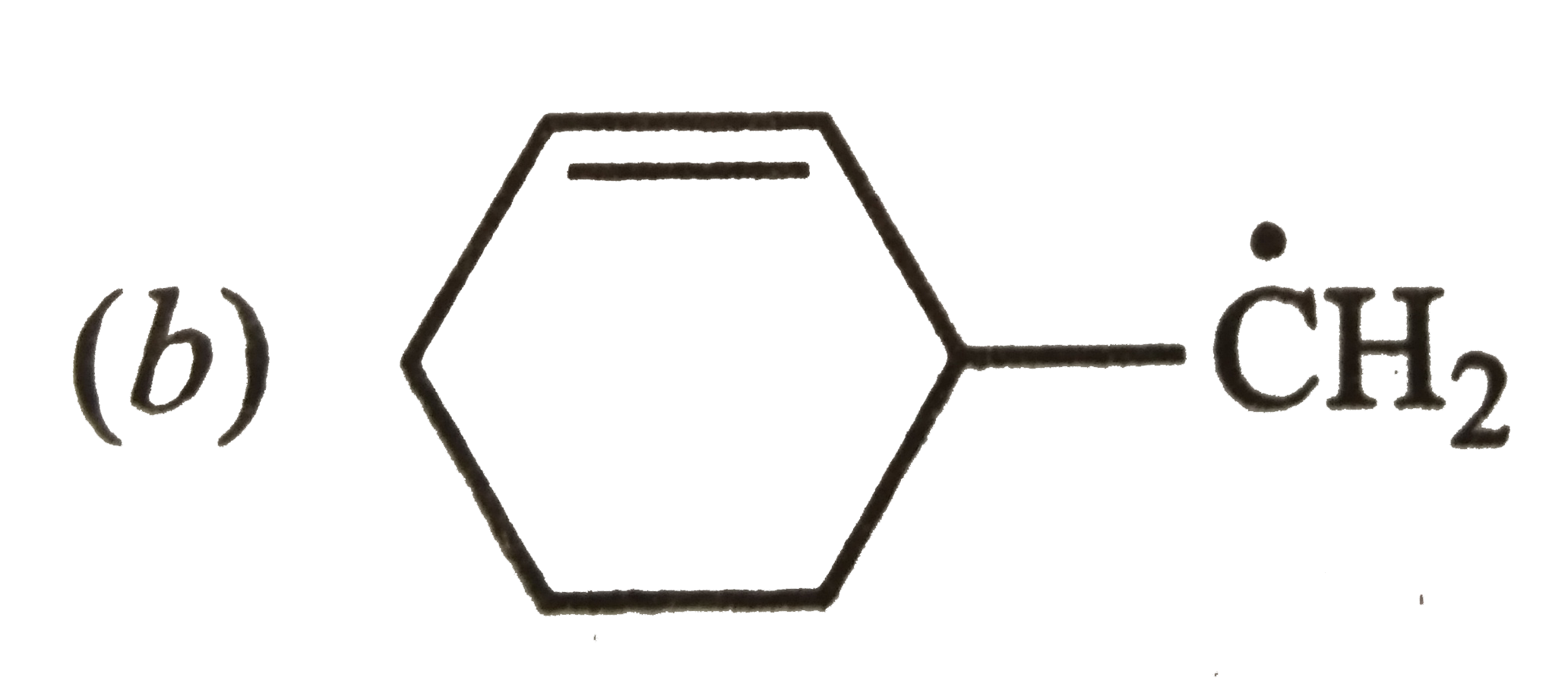
Most stable tautomers of is : |
|
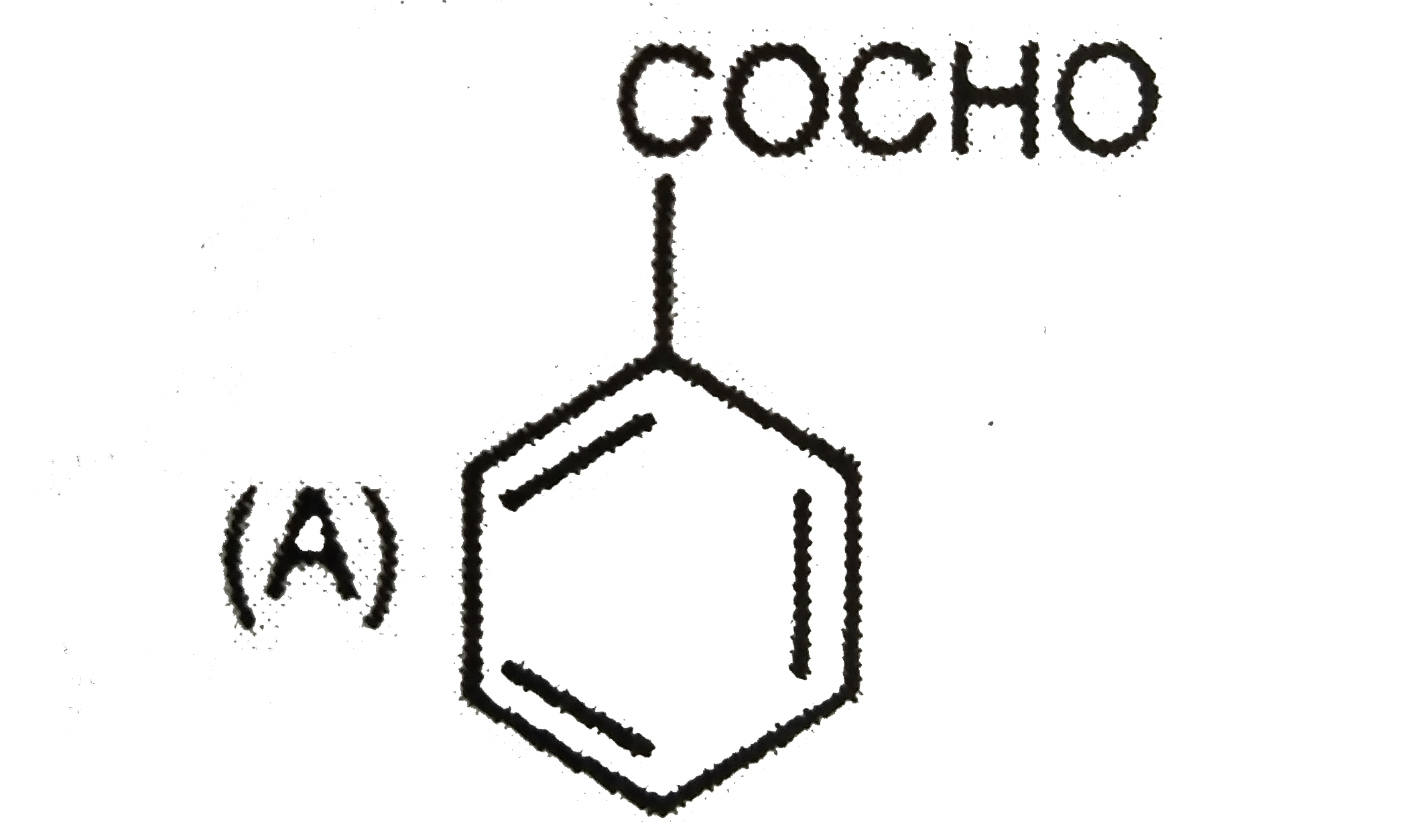
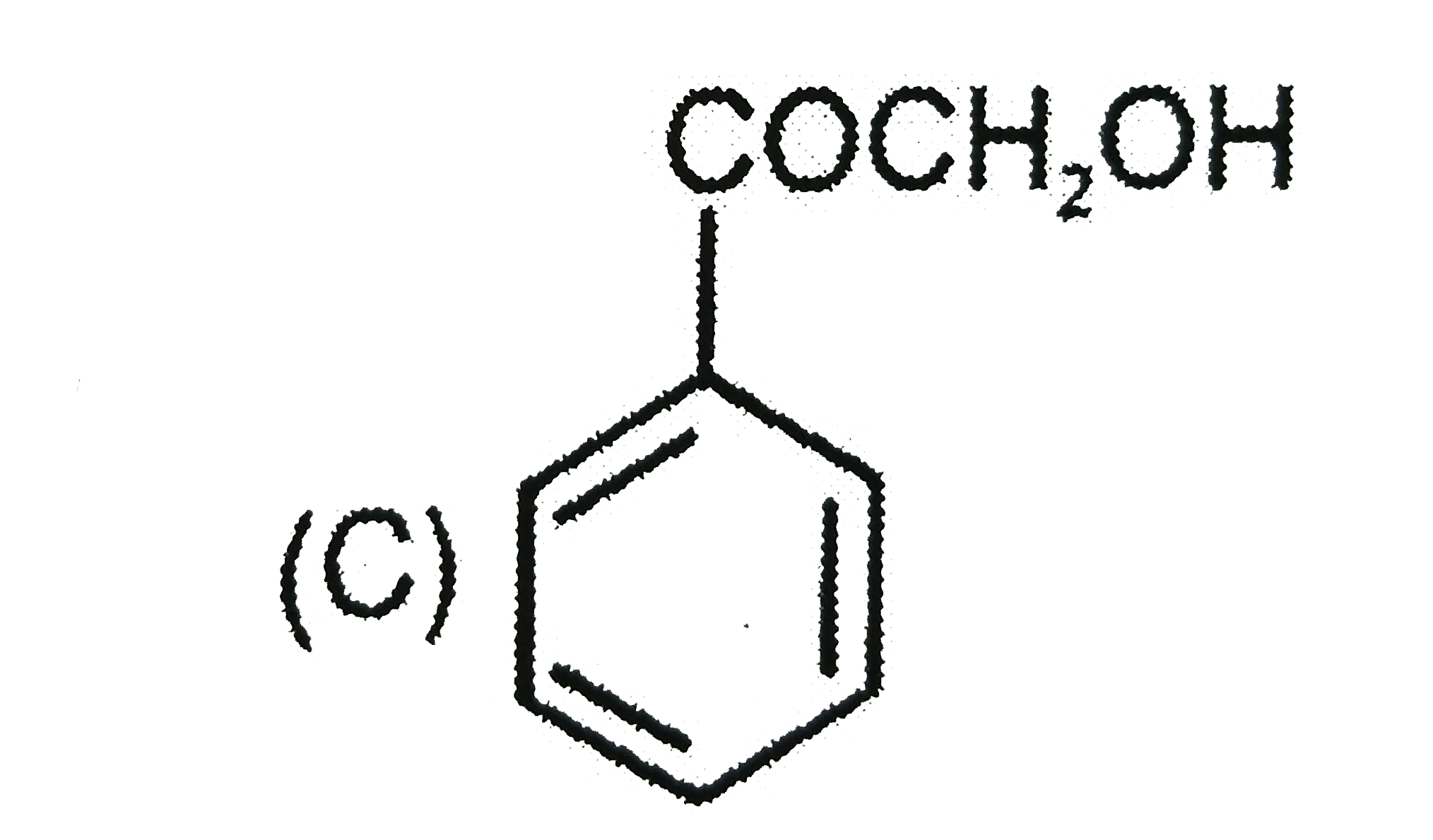
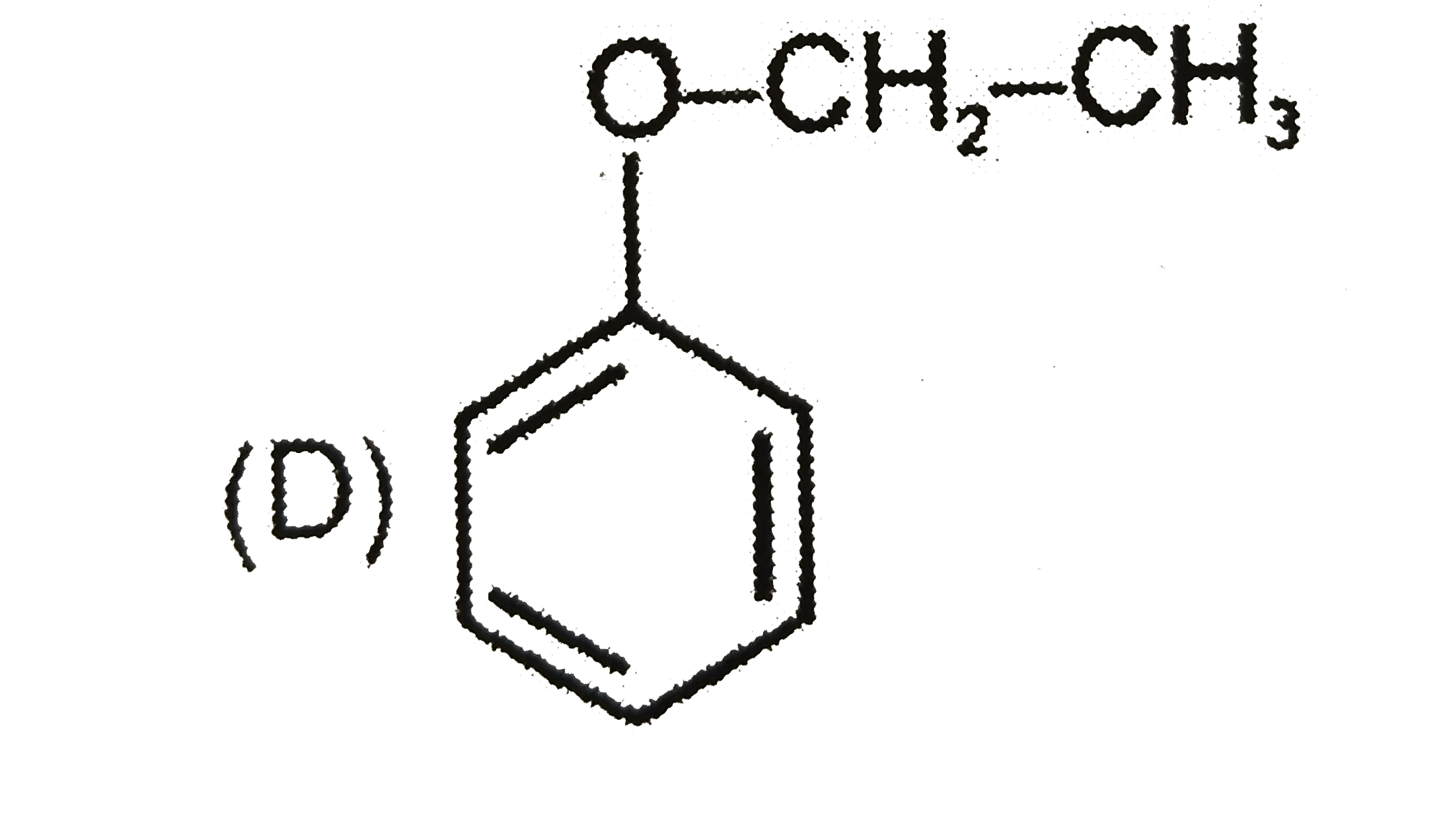
Answer»
|
|
| 25. |
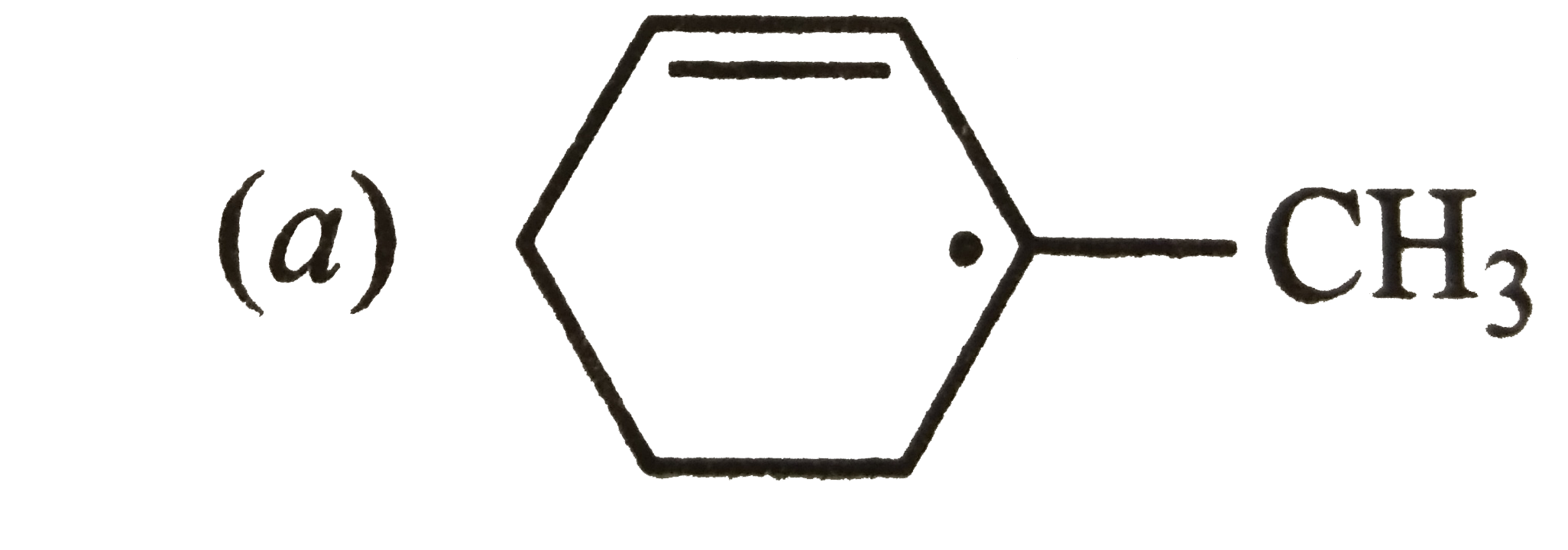
Most stable radical is |
|
Answer»
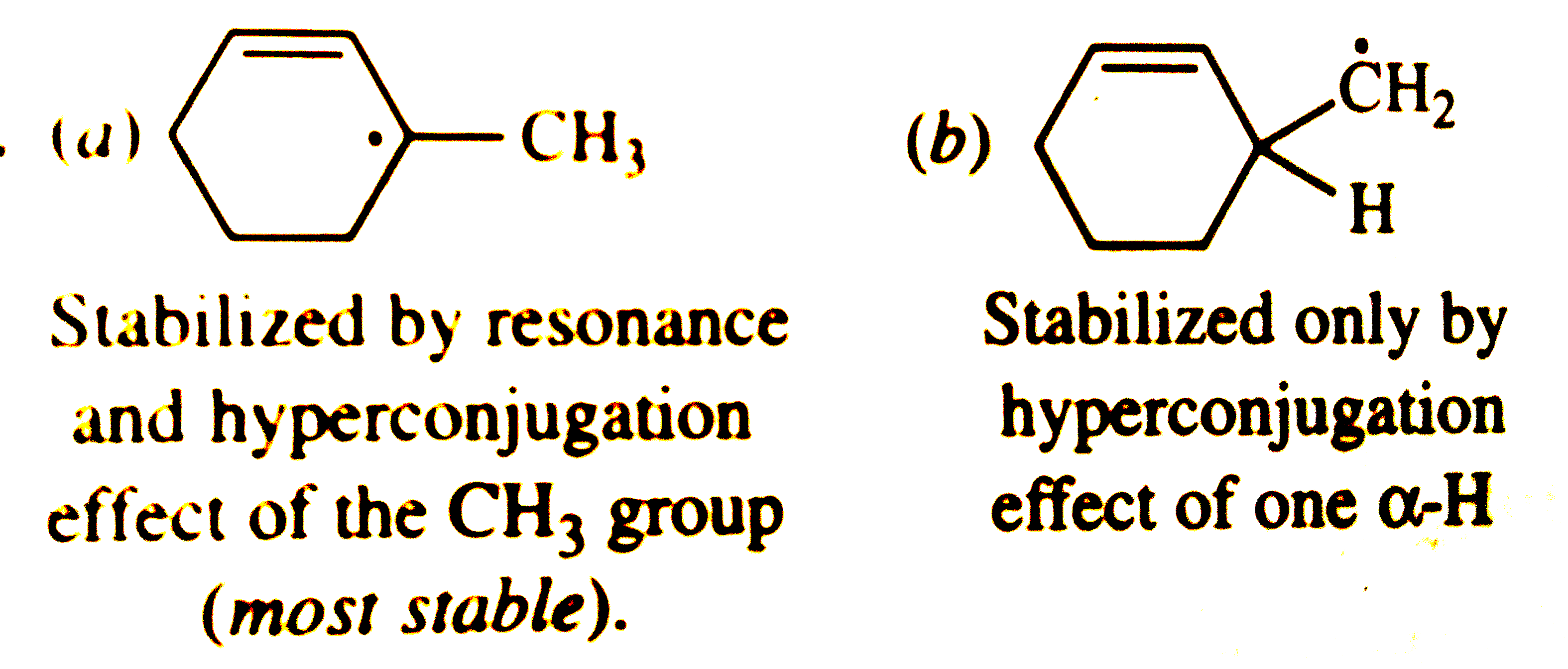 (c) `CH_(2)=CH-overset(*)(C)H_(2)` :- Stabilized by resonance only no HYPERCONJUGATION EFFECT (d) `CH_(2) = overset(*)(C)H_(2)` :- Not stabilized by any of these efects Thus, OPTION (a) is CORRECT. |
|
| 26. |
Most stable oxidation state of gold is |
| Answer» SOLUTION :GOLD exhibits .+1,+3 OXIDATION . But most stable oxidation state is +3 . | |
| 27. |
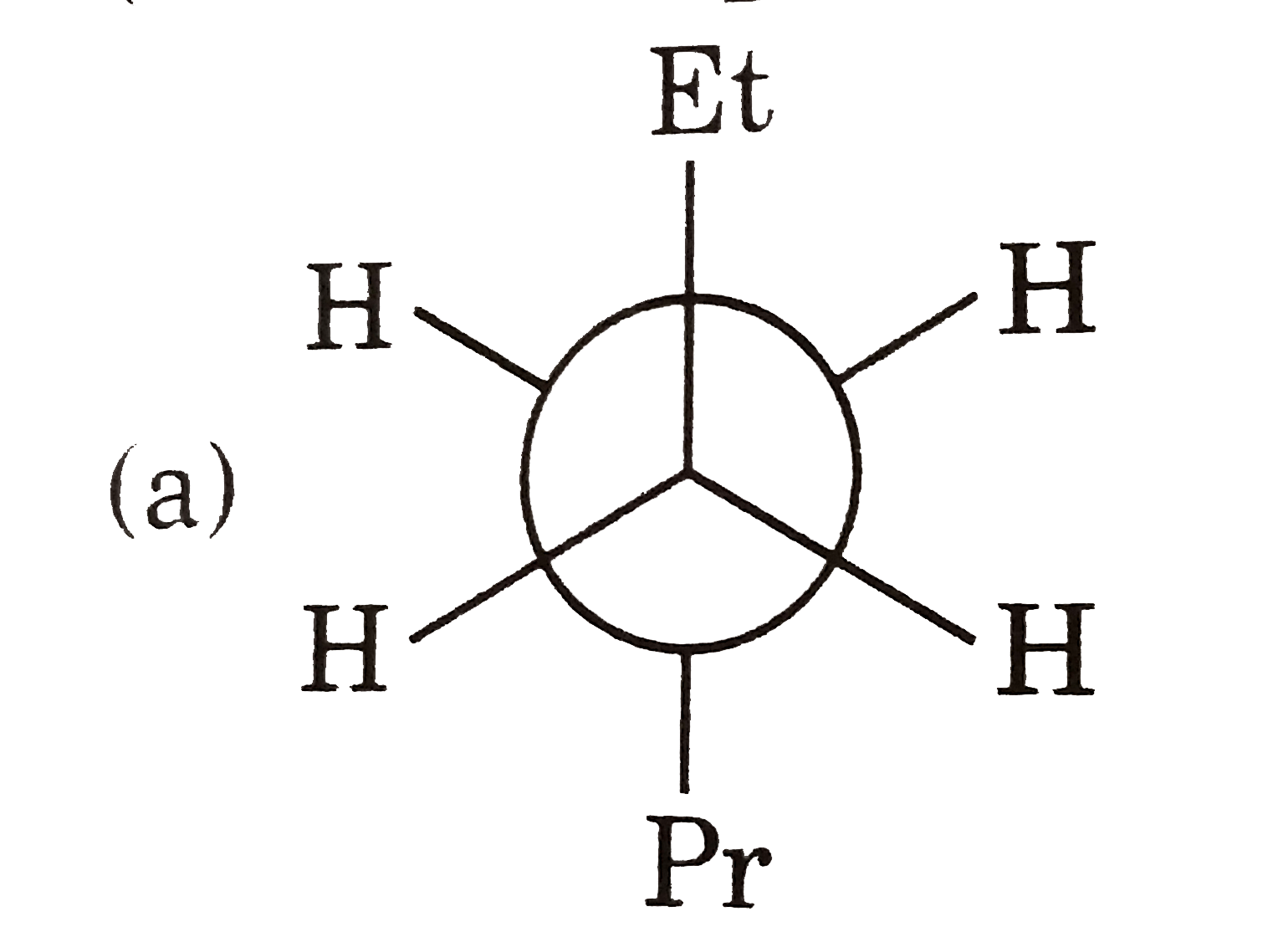
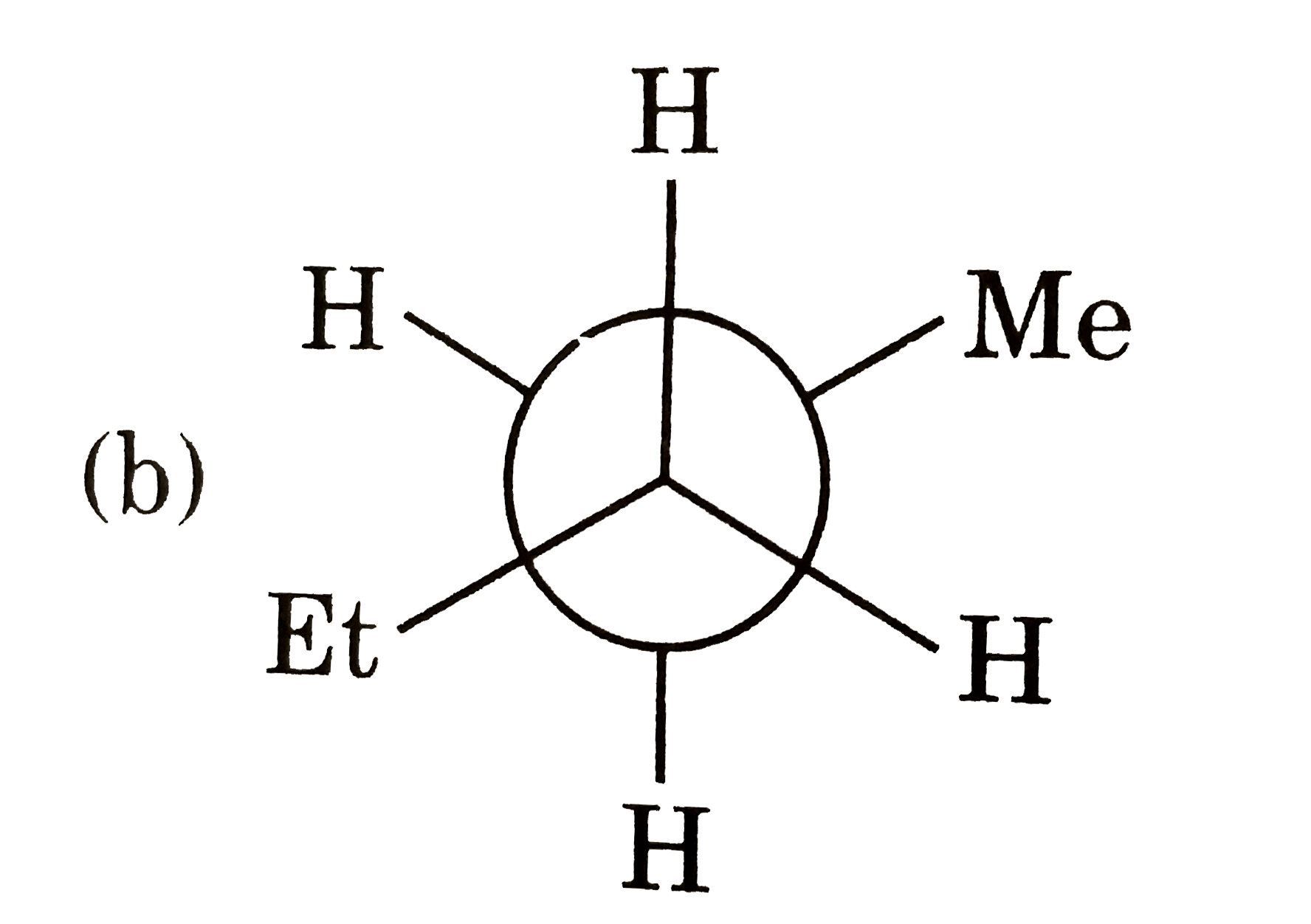
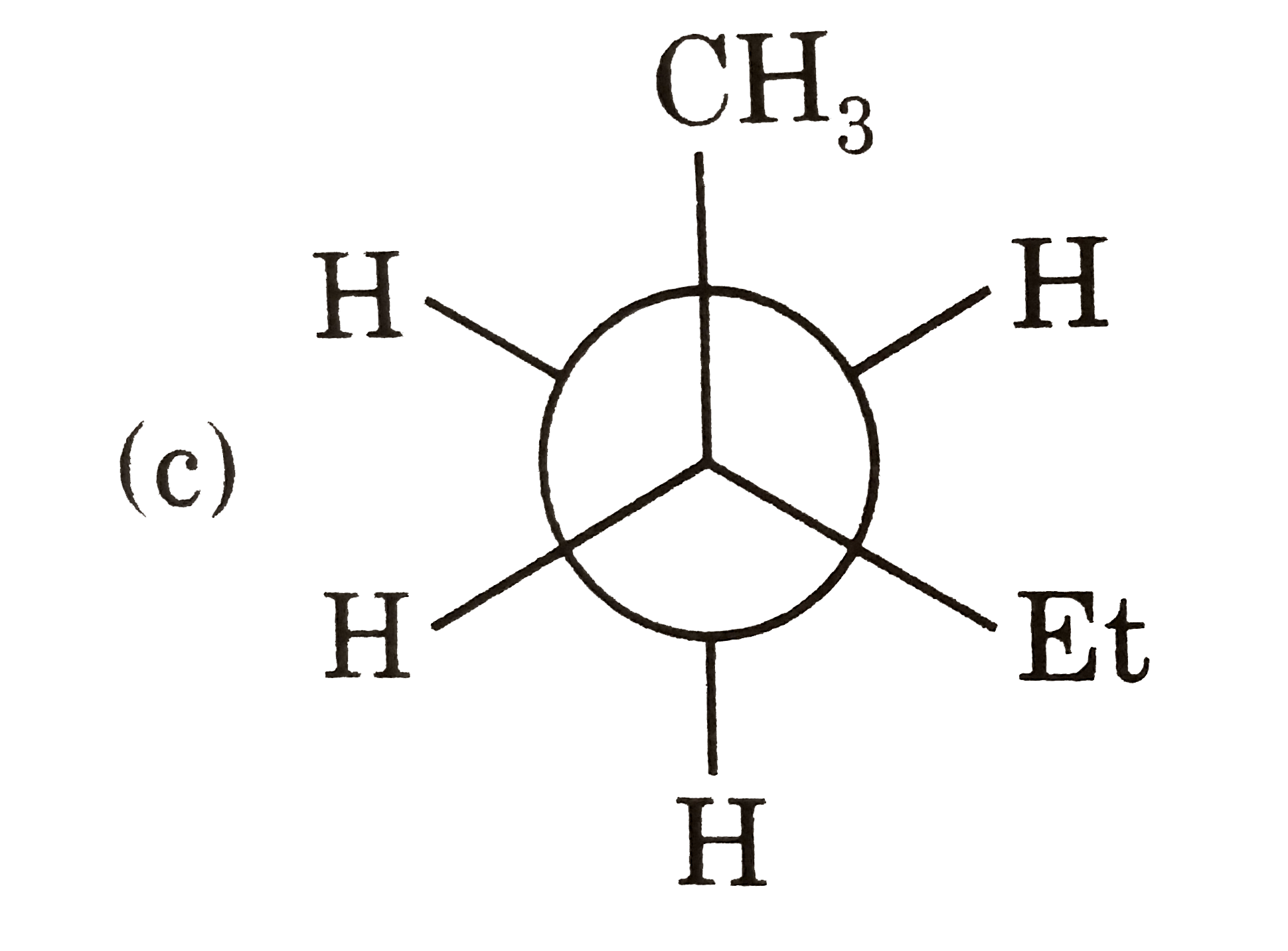
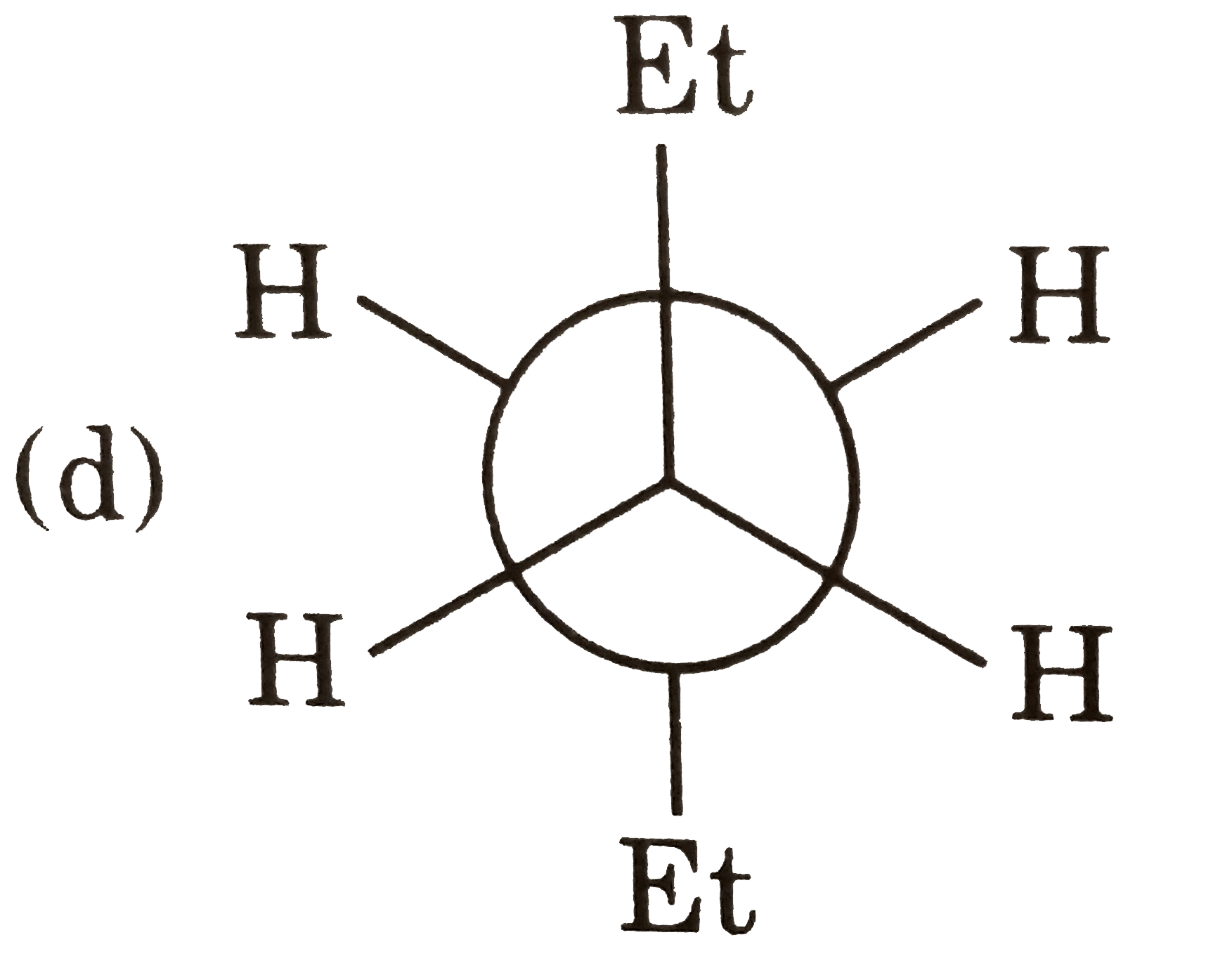
Most stable conformation of n-pentane is : ( Consider C_(2)-C_(3) bond rotation ) |
|
Answer»
|
|
| 28. |
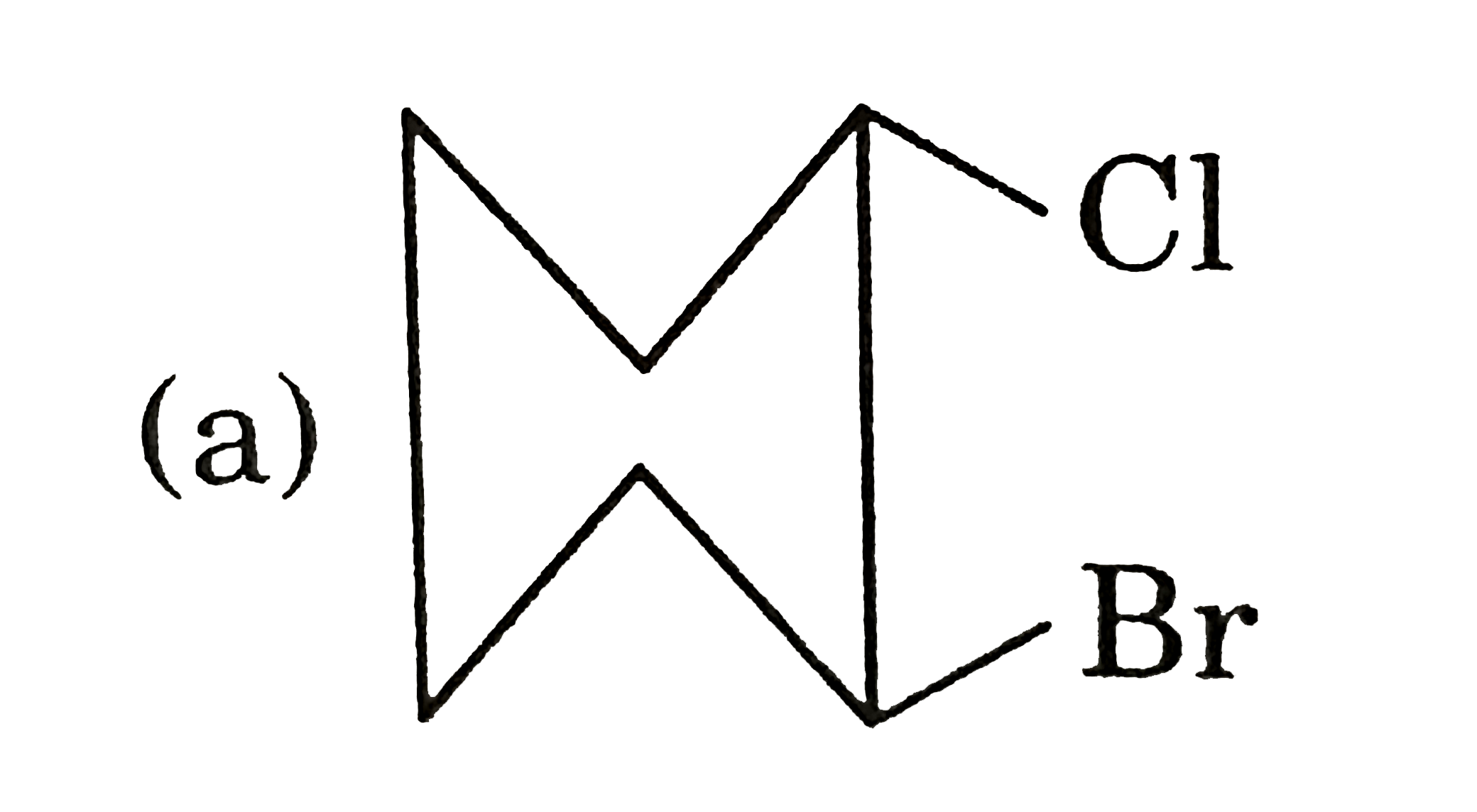
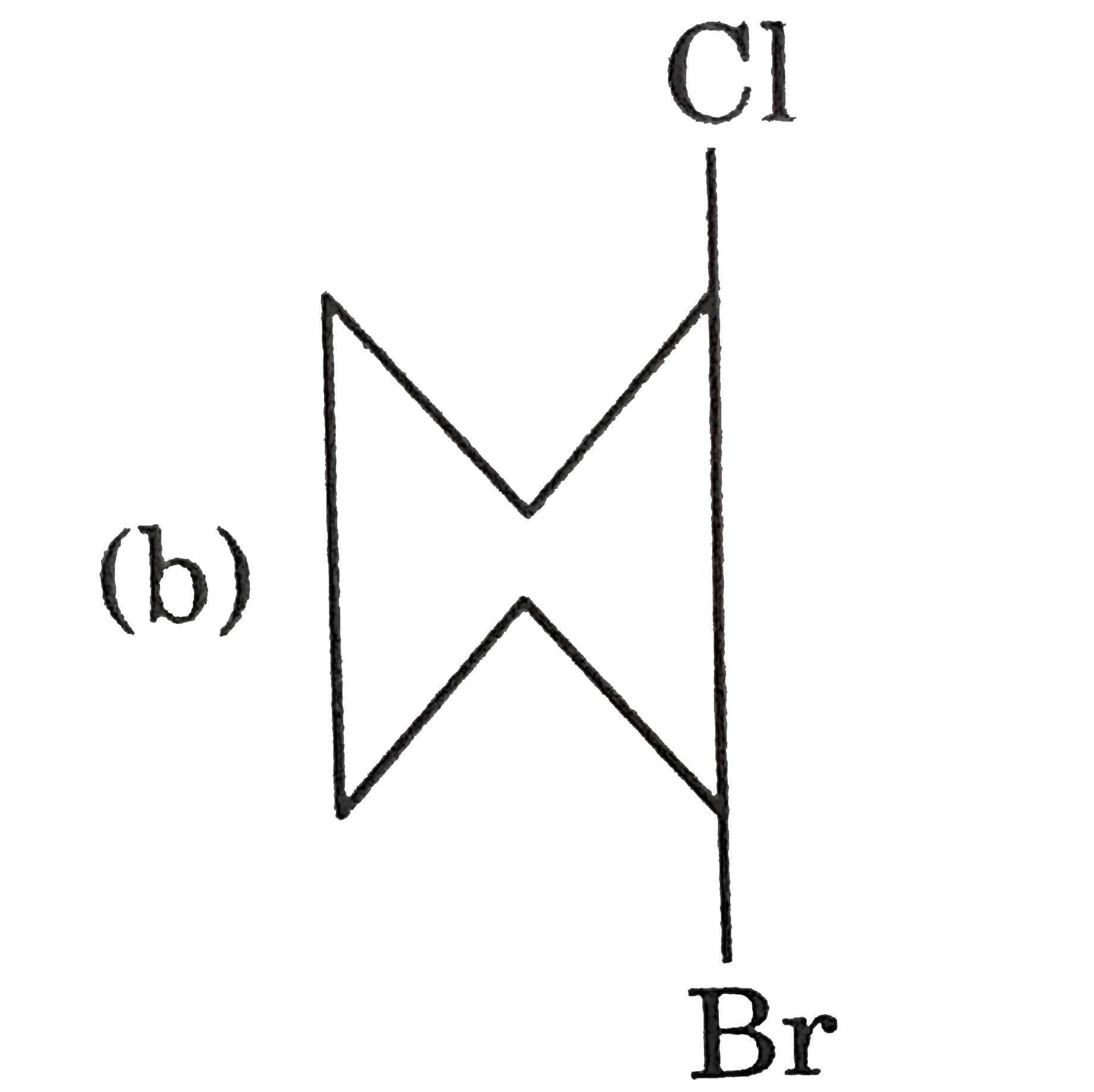
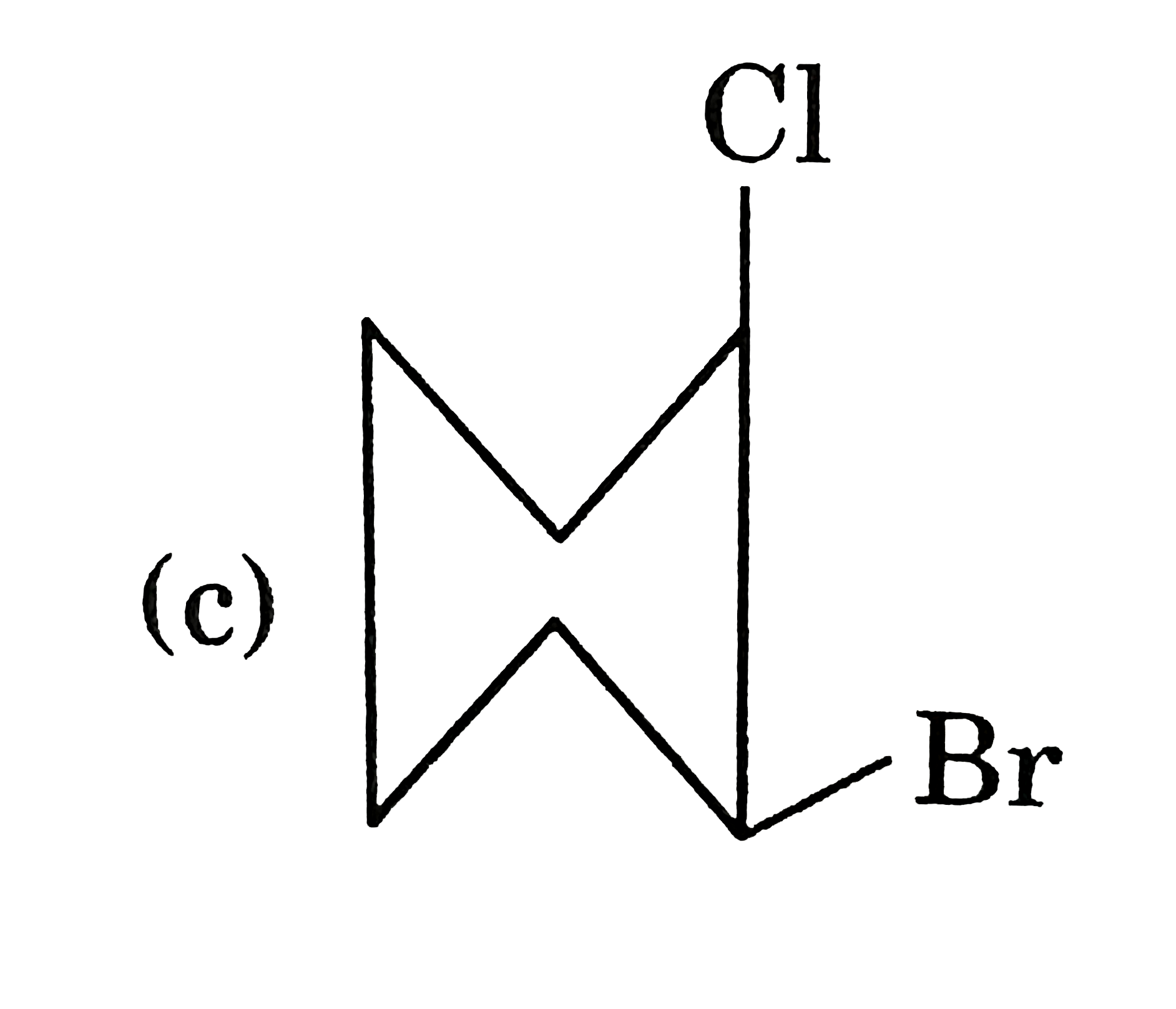
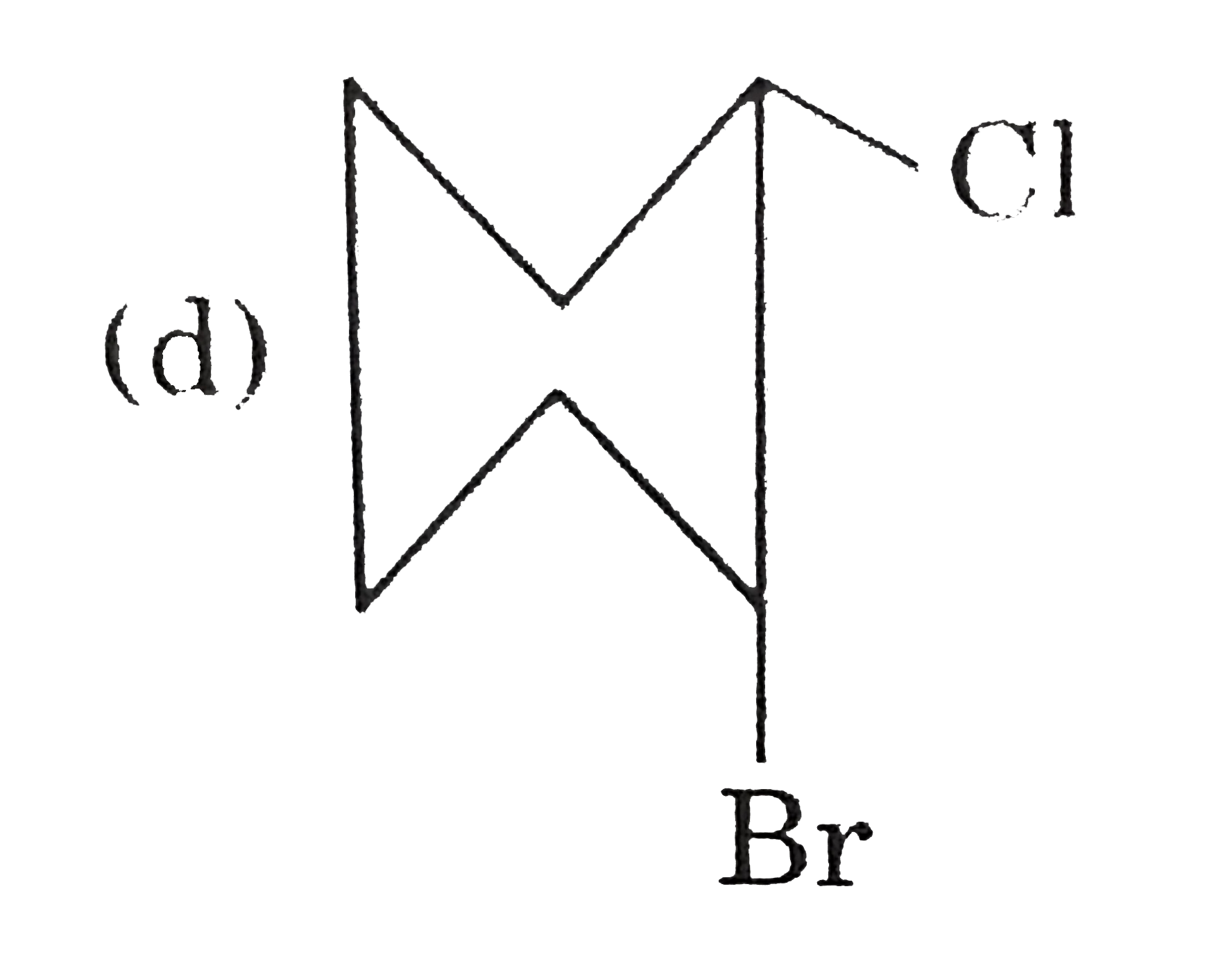
Most stable conformation of cis-1-bromo-2-chlore cyclohexane is : |
|
Answer»
|
|
| 29. |
Most stable carbocation in the following |
| Answer» Answer :D | |
| 31. |
Most often ordinary functional groups are attached with the following original chemical structure (iv) CH_(3) - CH_(2) - CH_(2) - CH_(2)- (v) CH_(2) = CH Which of these are coplanar systems: |
|
Answer» (i) and (V) |
|
| 32. |
Most of the non-metals are present in the long form of the periodic table in |
|
Answer» p-block |
|
| 33. |
Most of the metals which occur in native tate |
|
Answer» are very reactive |
|
| 34. |
Most of the indicators have a useful colour change over a pH range of .............. units. |
|
Answer» |
|
| 35. |
Most of the ionic substances |
|
Answer» Are non-electrolytes in MOLTEN state |
|
| 37. |
Most of hydrocarbons from petroleum are obtained by |
|
Answer» FRACTIONAL distilation |
|
| 38. |
Most insoluble salt of Li in water is |
|
Answer» `Li_(2)CO_(3)` |
|
| 39. |
Most favourable condition for the alcoholic fermentation of sugar is |
|
Answer» HIGH CONCENTRATION of solution, low TEMPERATURE, PLENTY of air supply |
|
| 41. |
Most aeroplanes cabins are artificially pressurized. Why ? |
| Answer» Solution :The pressure decreases with the increases in altitude because there are fewer MOLECULES per unit volume of air. Above 9200m (30,000 FT. ) for example. where most aeroplanes fly, the pressure is so low that ONE could pass out for LACK of oxygen. For this REASON most aeroplanes cabin are artifically pressurized. | |
| 42. |
Most acidic oxide in the periodic table is formed by an element in |
|
Answer» `2^(nd)` period , Group VI A |
|
| 44. |
Most abundant element in universe is |
|
Answer» Oxygen |
|
| 45. |
Which is the most abundant element in the universe? |
|
Answer» H |
|
| 46. |
Mosquito cannot walk on kerosene oil because its surface tension is less than that of water. |
|
Answer» |
|
| 47. |
Analyse the following graph between ionisation enthalpy and atomic number. |
|
Answer» Solution :The GRAPH shows the VARIATION of ionisation enthalpy along the ground of alkalimetals. The ionisation enthalphy DECRASES down the GROUP (from Li to Cs) On moving down the group, the atomic size increase due to addition of electrons in newer OUTHER shells. |
|
| 48. |
Moseley modified Mendeleev's periodic law based on his observation on the x-ray spectra of elements.The IUPAC name of the element with atomioc number 109 is …….. |
| Answer» SOLUTION :Unnilennium | |
| 49. |
Moreover, the salt (A) on heating with solid K_(2)Cr_(2)O_(7) and concentrated H_(2)SO_(4) produces deep red vapors which dissolve in sodium hydroxide solution forming a yellow solution. This yellow solution gives yellow precipitate with Ba(NO_(3))_(2) solution. On the basis of teh aforesaid characteristic informations answer the following questions: Select the correct statement. |
|
Answer» Aqueous solution of A reacts with `AgNO_(3)` solution to give white precipitate which TURNS YELLOW on TREATEMENT with sodium arsenite. 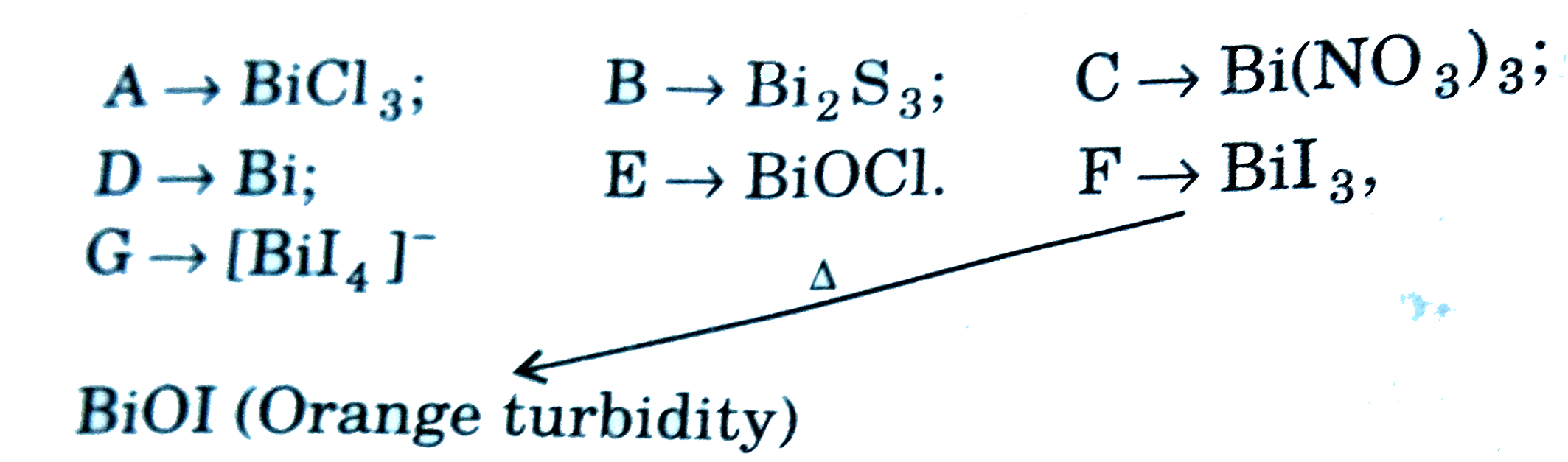
|
|
| 50. |
Moreover, the salt (A) on heating with solid K_(2)Cr_(2)O_(7) and concentrated H_(2)SO_(4) produces deep red vapors which dissolve in sodium hydroxide solution forming a yellow solution. This yellow solution gives yellow precipitate with Ba(NO_(3))_(2) solution. On the basis of teh aforesaid characteristic informations answer the following questions: Which of the following statements is incorrect? |
|
Answer» The black precipitate D is of bismuth 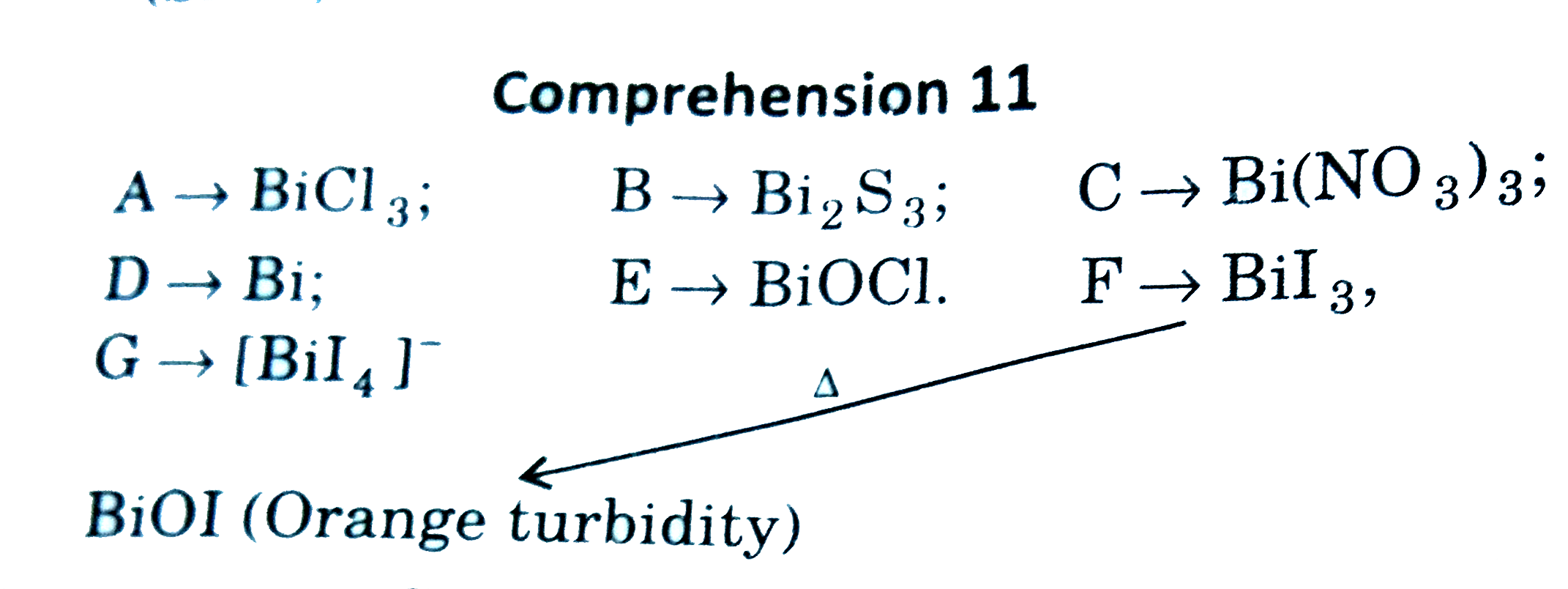 (d) `Bi^(3+)+C_(9)H_(7)ON +H^(+) +4I^(-) rarr C_(9)H_(7)ON.HBiI_(4)darr` (Red ppt.) (c) `Bi^(3+)+ C_(6)H_(3)(OH)_(3) rarr Bi(C_(6)H_(3)O_(3))darr +3H^(+)` (yellow ppt.) |
|