Saved Bookmarks
This section includes 7 InterviewSolutions, each offering curated multiple-choice questions to sharpen your Current Affairs knowledge and support exam preparation. Choose a topic below to get started.
| 1. |
In which equilibrium it will K_p=K_c. (i)CaCO_(3(s)) hArr CaO_((s)) + CO_(2(g)) (ii)2HI_((g)) hArr H_(2(g)) + I_(2(g)) (iii)N_(2(g)) + 3H_(2(g)) hArr 2NH_(3(g)) (iv)C_((s)) + O_(2(g)) hArr CO_(2(g)) (v)PCl_(5(g)) hArr PCl_(3(g)) + Cl_(2(g)) (vi)CO_((g)) + H_2O_((g)) hArr CO_(2(g)) + H_(2(g)) |
| Answer» Solution :In (II),(iv), and (vi), `K_p=K_c` because `Deltan_((G))`=ZERO | |
| 2. |
In which element's have maximum shielding effect for outermost electron ? |
|
Answer» Group-13, Period-2 |
|
| 3. |
In which elements has high electronegativity ? |
| Answer» Answer :c | |
| 4. |
In which directionn the value of (i) phi_(2_(p_(x))),(ii) phi_(2_(p_(y))) and (iii) phi_(2_(p_(z))) is the highest ? |
|
Answer» SOLUTION :(i) at the negative and positive DIRECTION of x-axis. (II) at the negative and positive direction of y-axis. (iii) at the negative and positive direction of z-axis. |
|
| 6. |
In which direction the value of d_(x^(2)-y^(2)) is the highest? |
| Answer» SOLUTION :ALONG X and y-axis. | |
| 7. |
In which direction the cell reaction would proceed if the E.M.F. of a galvanic cell is zero? |
| Answer» Solution :The cell reaction will be in equilibrium. THEREFORE, it will proceed in both the DIRECTIONS at equal RATE. | |
| 8. |
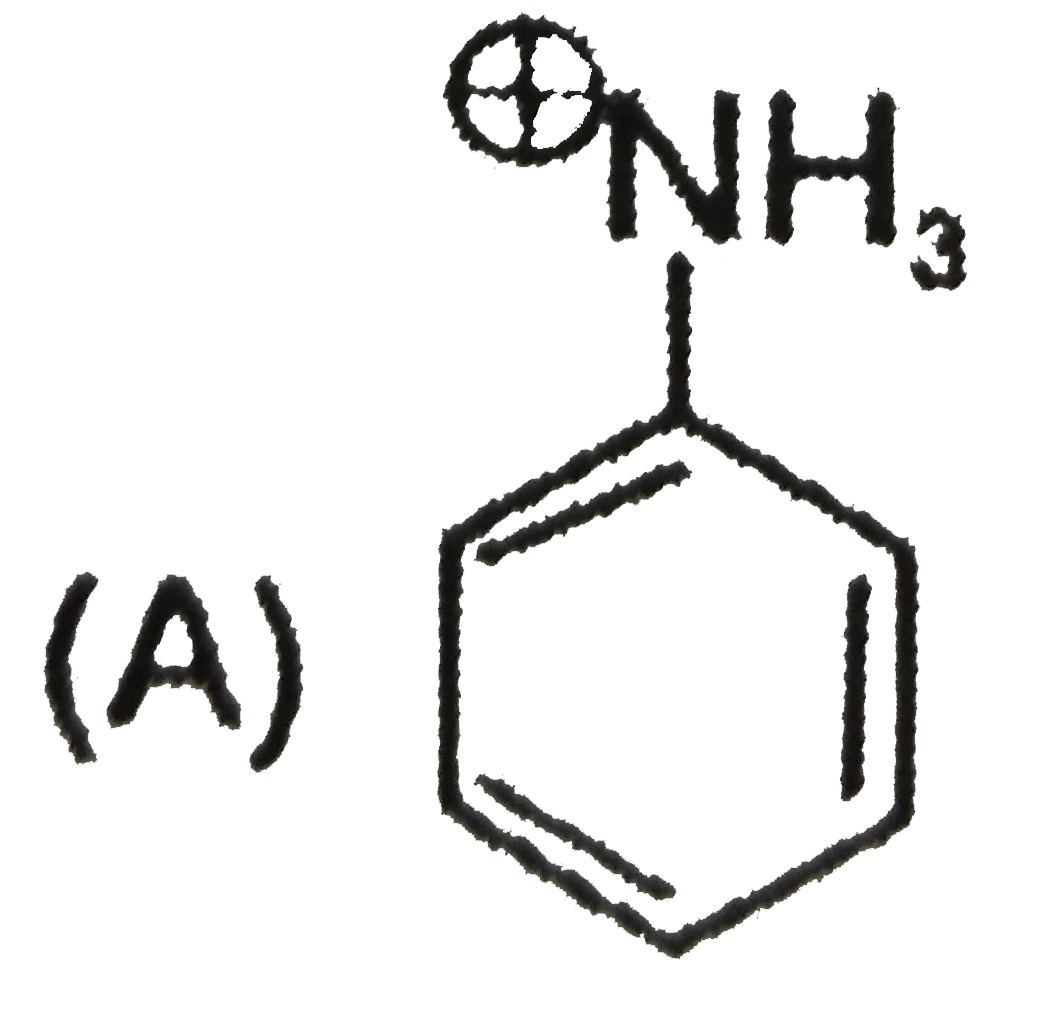
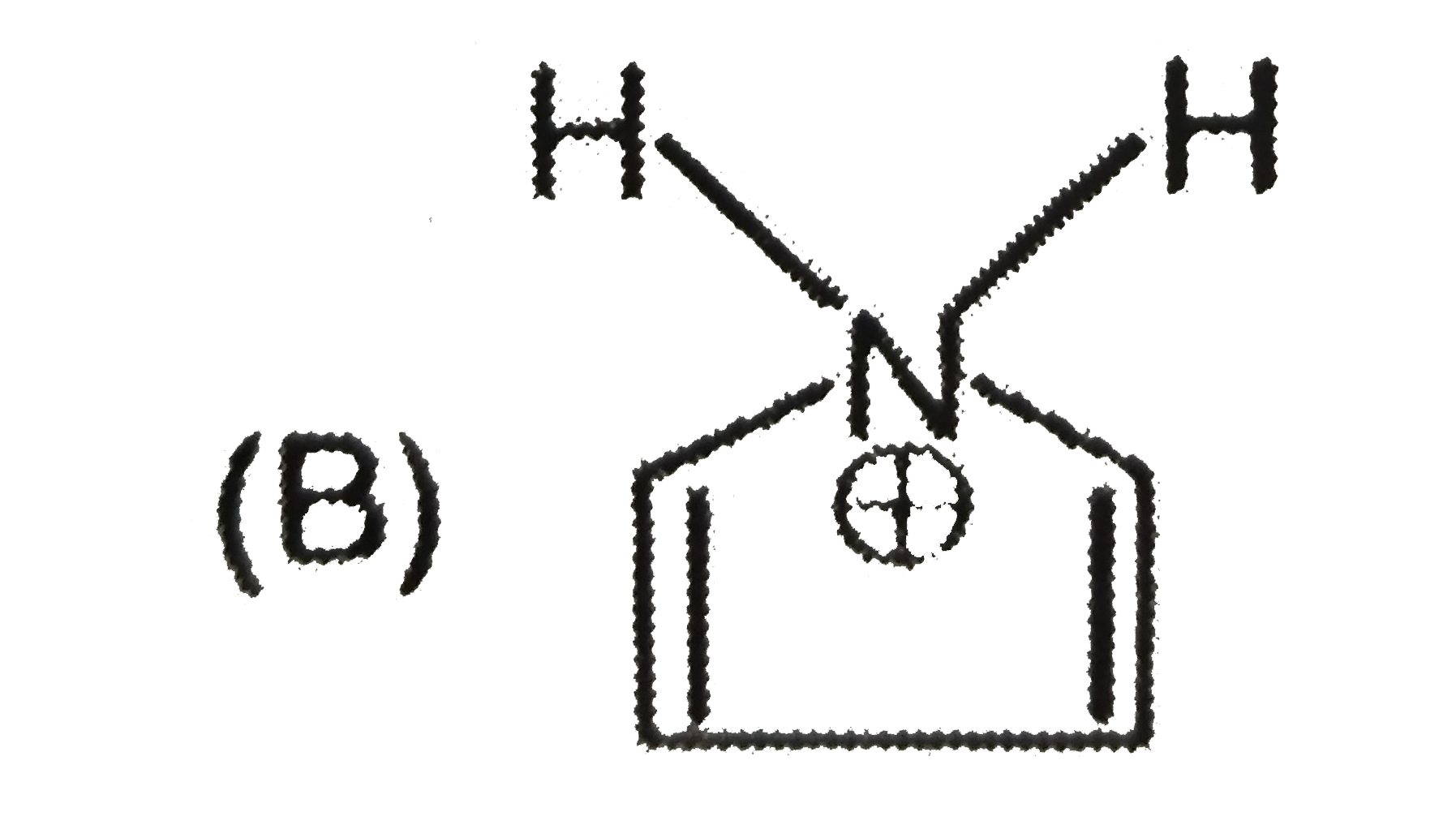
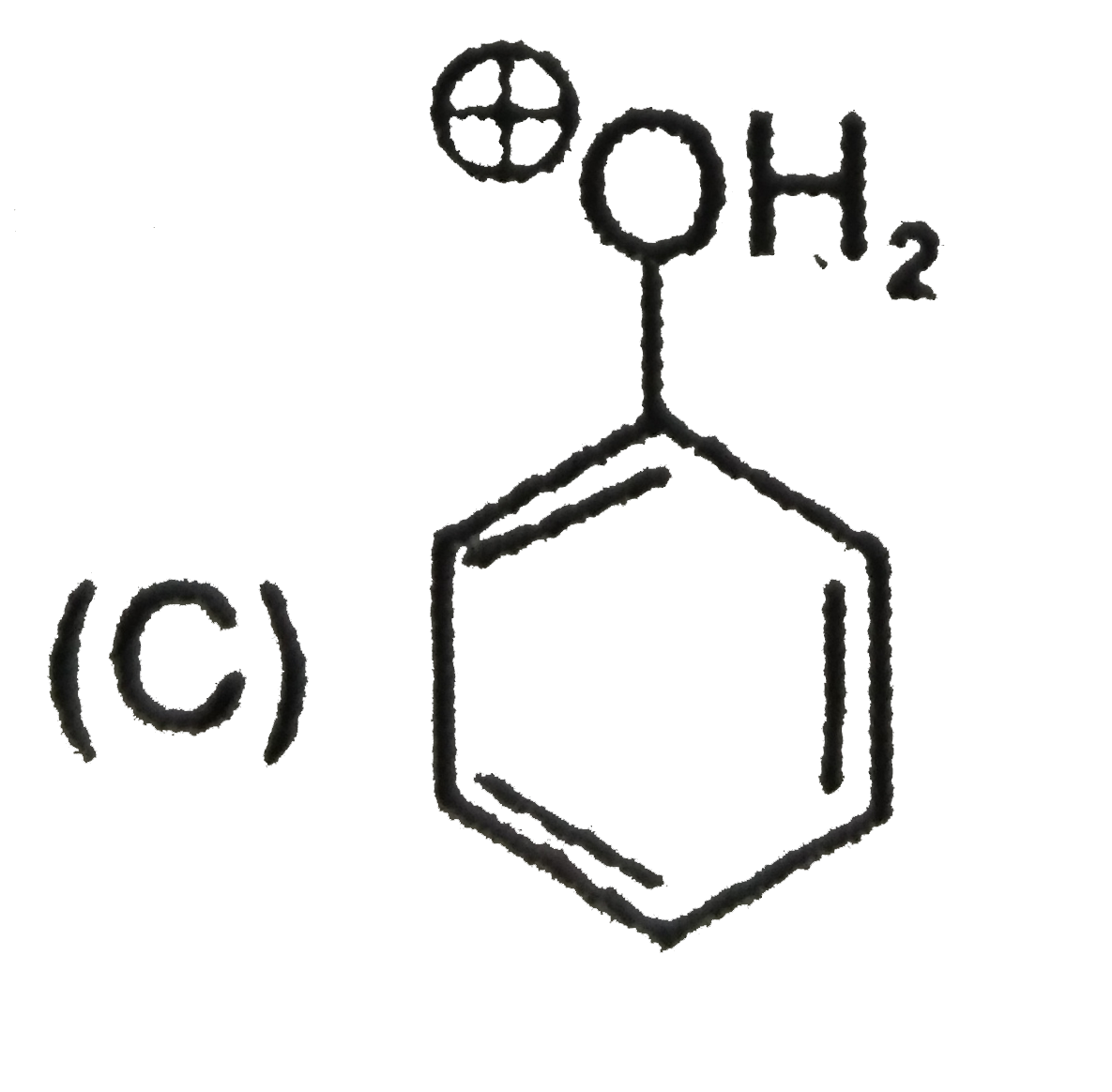
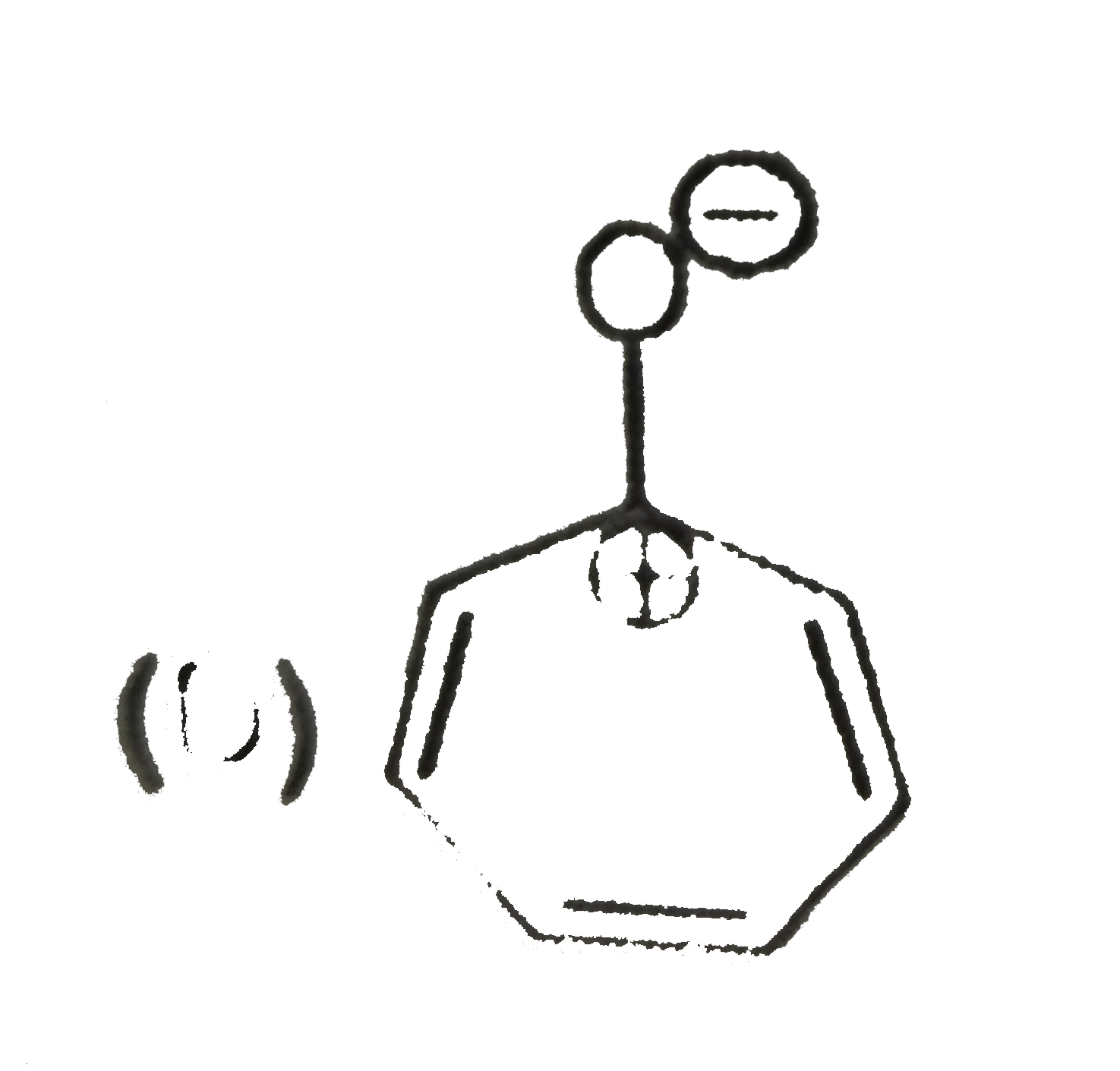
In which delocalisation of positive charge is possible ? |
|
Answer»
|
|
| 9. |
In which conditions does the most probable velocity of O_(2) molecules have maximum value and in which conditions does it have minimum value- |
|
Answer» `O_(2):P=1 atm, d(density)=0.0081g*ML^(-1)` |
|
| 10. |
In which condition real gas shows more deviation than Ideal gas ? |
| Answer» SOLUTION :HIGHER PRESSURE and LOWER TEMPERATURE. | |
| 11. |
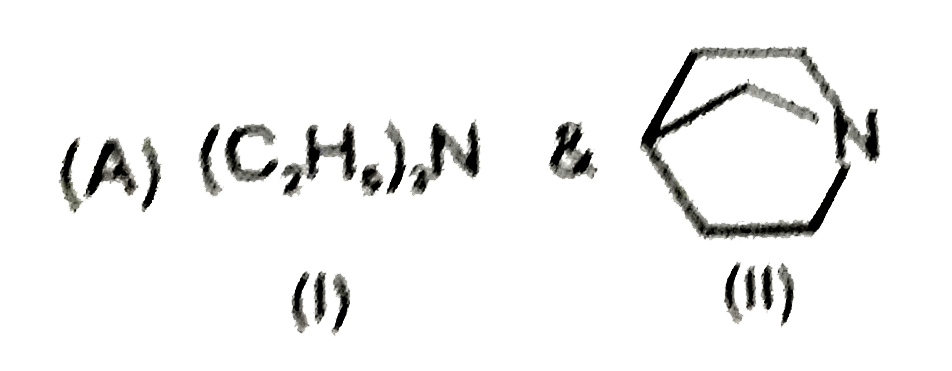
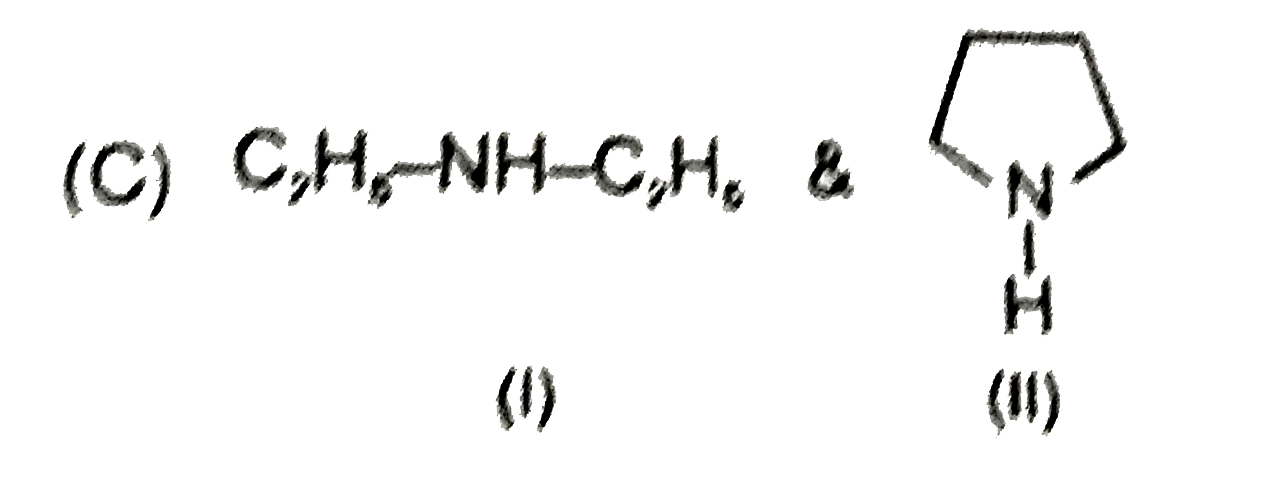
In which compounds (II) is more basic than (I) |
|
Answer»
|
|
| 12. |
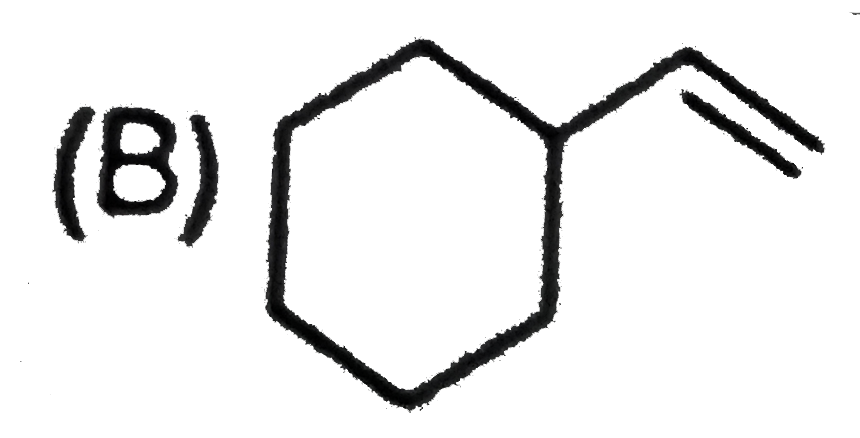
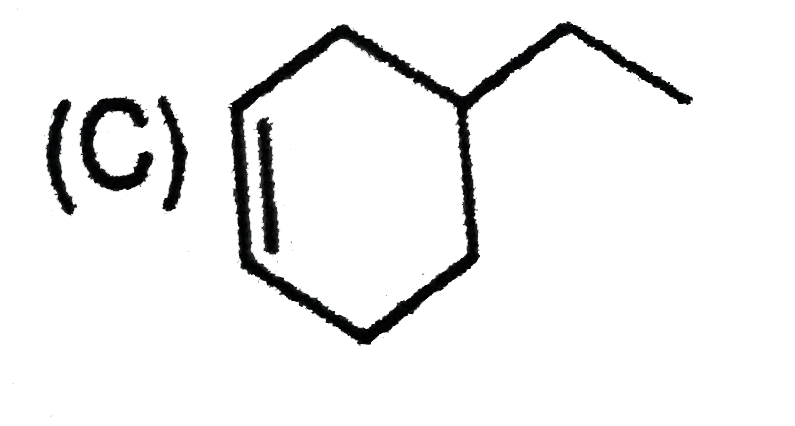
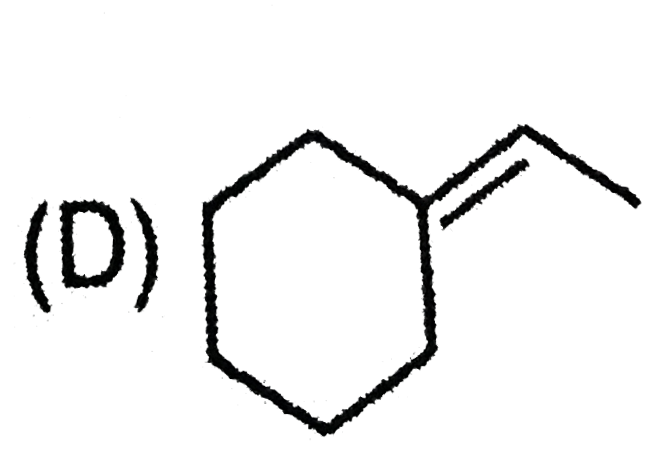
In which compound, cis-trans nomenclature cannot be used ? |
|
Answer» `CH_3-CH=CH-COOH` |
|
| 13. |
In which compound carbon does not possess sp^(2) hybridization? |
|
Answer» Acetone |
|
| 14. |
In which compound C-C bond length is highest? |
|
Answer» `C_(2)H_(4)` 
|
|
| 15. |
In which cases(s) , 1stmolecule in the pair has lower entroy per mole/ |
|
Answer» `H_(2)(g)` at `25^(@)` C ina volume of 10L and `H_(2)(g)` at `25^(@)` C in volume of50 L |
|
| 16. |
In which cases of maxing of a strong acid and a base each of 1N concentration, increases in temperature is the highest. |
|
Answer» `20ml` acid `-30ml` alkali |
|
| 18. |
In which case the order of acidic strength is not correct ? |
|
Answer» `HI gt HBr gt HCl` |
|
| 19. |
In which case is the number of molecules of water maximum? |
|
Answer» 18 ML of water |
|
| 20. |
In which case is the number of molecules of water maximum ? |
|
Answer» `10^(-3)`mole of water (B) 18 ml water = 18 g water = 1 mol water (C) 0.00224 L water vapour at (STP) `(0.00224)/(22.4) = 0.0001` mole `H_2O` (D) 0.18 g water = `(0.18)/( 18) = 0.1 ` mol water Among the four options, option (B) has maximum number of MOLES so it has maximum MOLECULES. |
|
| 21. |
In whichcase, effectivenuclearcharge isminimum ? |
|
Answer» `Be ` |
|
| 22. |
In which case change in entropy is negative? |
|
Answer» `2H_(G) to H_(2)(g)` |
|
| 23. |
In which case bond energy decreases from left to right ? |
|
Answer» `N_(2),P_(2),As_(2),Sb_(2)`<BR>`F_(2),CI_(2),Br_(2),I_(2)` |
|
| 24. |
In which case butane is formed? |
|
Answer» `2C_2H_5-CI+Na` |
|
| 25. |
In which C-C bond of CH_(3)CH_(2)CH_(2)Cl, the inductive effect is expected to be the least? |
| Answer» SOLUTION :INDUCTIVE effect DECREASES with INCREASE in distance from the electronegative ATOM. Hence, the effect is least in the bond between carbon `-3` and hydrogen. | |
| 26. |
In which C-C bond of CH_(3)CH_(2)CH_(2)Br, the inductive effect is expected to be the least? |
Answer» Solution : Magnitude of inductive EFFECT DIMINISHES as the number of intervening bonds increases. Hence, the effect is LEAST in the BOND between carbon -3 and hydrogen |
|
| 27. |
In which C-C bond of CH_3 CH_2 CH_2 Br, the inductive effect is expected to be least? |
|
Answer» Solution :The inductive EFFECT is LEAST in `C_2 - C_3` bond because the magnitude of inductive effect decreases as thenumber of intervening bonds increases. `overset(3)CH_2 - overset(2)CH_2 - overset(1)C H_2 - Br` |
|
| 28. |
In which block of the periodic table the electronegativities of the elements are very similar ? |
|
Answer» s |
|
| 29. |
In which alkane isomeraiztion will not occur ? |
|
Answer» `C_(2)H_(6)` |
|
| 30. |
In what ways lithium snows similarities to magnesium in its chemical behaviour |
|
Answer» SOLUTION :In what ways lithium snows similarities to magnesium in its chemical behavioí Both REACT with nitrogen to FORM nitrides (ii) Both react with O, to form me (iii) Both the elements have the te (iv) Both can form complex compounds |
|
| 31. |
In what ways lithium shows similarities to magnesium in its chemical behaviour ? |
|
Answer» Solution : The similarity between lithium and magnesium is particularly striking and arises because of their similar sizes. Atomic radii : Li (152 pm) , Mg (160 pm) Ionic radii : `Li^(+)`(76 pm) , `Mg^(2+)` (72 pm) The main points of similarity are : (i) Both lithium and magnesium are harder and lighter than other elements in the RESPECTIVE groups. (ii) Lithium and magnesium react slowly with WATER. Their oxides and hydroxides are much less soluble and their hydroxides decompose on heating. Both form a nitride, `Li_(3)N` and `Mg_(3)N_(2)`, by direct combination with nitrogen. (iii) The oxides, `Li_(2)O and MgO` do not combine with excess oxygen to give any superoxide. (iv) The carbonates of lithium and magnesium decompose easily on heating to form the oxides and `CO_(2)`. Solid hydrogen carbonates are not FORMED by lithium and magnesium. (v) Both LiCl and `MgCl_(2)` are soluble in ethanol. (vi) Both LiCl and `MgCl_(2)` are DELIQUESCENT and crystallise from aqueous solution as hydrates, `LiCl* 2H_(2)O`and `MgCl_(2)*8H_(2)O`. |
|
| 32. |
In what way lithium differs from other metals of the same group? |
Answer» SOLUTION :
|
|
| 33. |
In what way free radical affect the human body? |
|
Answer» SOLUTION : FREE radicals can disrupt cell membranes (ii) Increase the risk of MANY FORMS of CANCER (iii) Damage the interior lining of blood vessels (iv) leads to a high risk of heart disease and stroke |
|
| 34. |
In what way can it be proved that PH_(3) is basic in nature ? |
Answer» SOLUTION :`PH_(3)` reacts with acids like HI to form `PH_(4)I`. This shows that `PH_(3)` is basic in nature.  Due to the PRESENCE of a lone PAIR of ELECTRONS on `P,PH_(3)` acts as a Lewis base in the above reaction. |
|
| 35. |
In what respects H_(2) differs from alkali metals and halogens ? |
|
Answer» Solution :Difference with alkali metals. 1. Hydrogen is a non-metal whereas alkali metals are ELECTROPOSITIVE elements. 2. Hydrogen from diatomic MOLECULES whereas alkali metals do not. 3. Hydrogen mostly froms covalent compounds whereas alkali metals mostly from IONIC compounds. 4. The ionization energy of hydrogen is much higher than that of a alkali metals. The size of H is smaller than those of alkali metals. Difference with halogens 1. It has less tendency to form hydrides (H^(-))` as compare to halogens. 2. It does not have lone pair of electrons like halgens. 3. It is less reactiv than halogens due to HIGH bond dissociation energy. |
|
| 36. |
In what respect, the two successive members of a homologous series differ ? |
| Answer» SOLUTION :by `-CH_(2)` in their MOLECULAR FORMULA | |
| 37. |
In what respects does hydrogen resemble alkali metals ? How does it resemble halogen ? |
|
Answer» Solution :i. Resemble with alkali metals: 1. It has one VALENCE electron in s-orbital like alkali metals. 2. It can lose one electron to from H ion like alkali metal. 3. It is liberated at cathode during electrolysis of compounds like `H_(2)O` HCI etc. 4. It shows + 1 oxidation state like alkali metals. 5. It is a strong reducing agent like other metals. ii. Resemblance with halogen : 1. Hydrogen is non-metal like HALOGENS. 2. Hydrogen froms diatomic molecule like halogens. 3. It has IONIZATION energy HIGH like halogens. 4. Its electronegativity is similar to halogens. 5. It can gain one electron to from H - ion. 6. When NaH is electrolysed, hydrogen is liberated at anode like halogens. |
|
| 38. |
In what regions of the atmosphere, the temperature increases with altitude and in which regions it decreases. |
| Answer» Solution :TEMPERATURE INCREASES with altitude in stratosphere and THERMOSPHERE while it DECREASES in troposphere and MESOSPHERE | |
| 39. |
In what ratio by mass carbon monoxide and nitrogen should be mixed so that partial pressure exerted by each gas is same ? |
|
Answer» SOLUTION :P same = equal MOLES `implies (x)/(28) = y/(28) implies x/y = 28/28 = 1`. |
|
| 40. |
In what period and group will an element with Z=118 will be present? |
| Answer» Solution :The element with atomic NUMBER Z=118 present in 7 TH PERIOD and 18th group. | |
| 41. |
In what period and group will an element with Z-118 will be present? |
| Answer» SOLUTION :The element with atomic number Z = 118 is present in 7th PERIOD and 18TH GROUP | |
| 42. |
In what manner will increase of pressure affect the following equilibrium ? C(s) + H_(2)O (g) hArr CO(g) + H_(2) O (g) |
|
Answer» SHIFT in the FORWARD direction |
|
| 43. |
In what manner is the long form of periodic table better than Mendeleef's periodic table ? Explain with examples. |
|
Answer» Solution :he LONG form of periodic table is much better than Mendeleev.s periodic table because it classifies the element on the basis of the configurations of electron of the atom. The characteristics of this table are (i) Table contains 9 vertical columns, which are called as groups and 7 horizontal rows, which are called the periods. (ii) The groups are marked 0 to VIII, out of which group I to VII are subdivided into subgroups A and B. (iii) Elements of group (IA) (Li, Na, K, Rb, Cs and Fr) are known as alkali metals and the group IIA elements are (Be, Mg, Ca, Sr, Ba and Ra) are known as ALKALINE earth metals. Elements in group VIII A (E CI, Br, I and At) are called halogen FAMILY and elements in group VIII (He, Ne, Ar, Kr, Xe and Rn) are called noble gases or RARE gases. (IV) Group VIII has same elements placed together in one placed. These are called as transition triads, e.g., Fe, Co and Ni, Ru, Rh and Pd, Os, Ir and Pt ctc. In the `6^(th) and 7^(th)` period, 14 elements are present called as lanthanides and actinides respectively. (vi) Elements are grouped on bases on their electronic configuration into s, p, d and f blocks. (vii) This is a gradual change in properties they are seen from one end to the other. |
|
| 44. |
In what manner will increase of pressure affect the following equation ? C_((s)) + H_(2)O_((g)) hArr CO_((g))+ H_(2(g)) |
|
Answer» SHIFT in the forward direction |
|
| 45. |
In what manner is the long form ofperiodic table better than Mendeleef's periodic table? Explain with examples. |
|
Answer» The characteristics of this table are i) The table consists of 9 vertical columns, CALLED the groups and 7 horizontla rows, called the periods. ii) The grous are marked 0 to VIII out of which gruop I to VII are subdivided into subgroups A and B. iii) The group IA elements(Li, Na, K,Rb, Cs and Fr) are known as ALKALI metals and the group IIA elements (Be, Mg, Ca, Sr, Ba and Ra) are known as alkaline earth metals. Elements in group VIII A (F, Cl, Br, I and At) are called halogens and elements in group VII (He, Ne, Ar, Kr and Rn) are called noble gas or rare gases. iv) The group VII has there similar elements placed together in one place. These are called transition tridas, e.g., Fe,Co and Ni, Ru, Rh and PD, Os, Ir and Pt etc. v) in the 6th and 7th period, 14 elements PRESENT called as lanthanides and antinides respectively. vi) Based on their electronic configuration, elements have been grouped into s-,p-,d- and f- blocks. This has helped us to understand their properties more easily. vii) There is gradual change in properties seen from one end to the other. |
|
| 46. |
In what context are the following terms used: (i) Proton (ii) Diprotium? |
|
Answer» Solution :(I) Proton REPRESENTS nucleus which is positivelycharged `(H^(+))` (ii) DIPROTIUM is USED to represent molecular hydrogen `(H_(2))`. |
|
| 47. |
In what form does chemical energy get converted when the oxidising and reducing agents are present in the same solution? |
| Answer» SOLUTION :HEAT ENERGY | |
| 48. |
In what form does magnesium chloride occur in nature? |
| Answer» SOLUTION :CARNALLITE, `KCL . MgCl_2 . 6H_2O` | |
| 49. |
In water molecule, the two O - H bonds are oriented at an angle of 104.5^(@) . In BF_(3), the three B - F bonds are oriented at an angle of 120^(@) . In BeF_(2), the two Be - F bonds are oriented at an angle of 180^(@). Which of the following will have highest dipole moment ? |
|
Answer» `BeF_(2)` |
|
| 50. |
In volumetric experiment, it was found that a solution of KMnO_(4) is reduced to MnSO_(4). If the normality of solution is 1 N, then molarity of solution will be : |
|
Answer» Solution :Normality=Molarity `xx` Change in oxidation number `overset(+7)(KMnO_(4)) to overset(+2)(MnSO_(4))` Change in oxidation number=5 `therefore N=Mxx5` `1=Mxx5` M=0.2 |
|