Saved Bookmarks
This section includes 7 InterviewSolutions, each offering curated multiple-choice questions to sharpen your Current Affairs knowledge and support exam preparation. Choose a topic below to get started.
| 1. |
In which of the following halogen addition reactions, racemic mixture of products is formed? |
|
Answer»

|
|
| 2. |
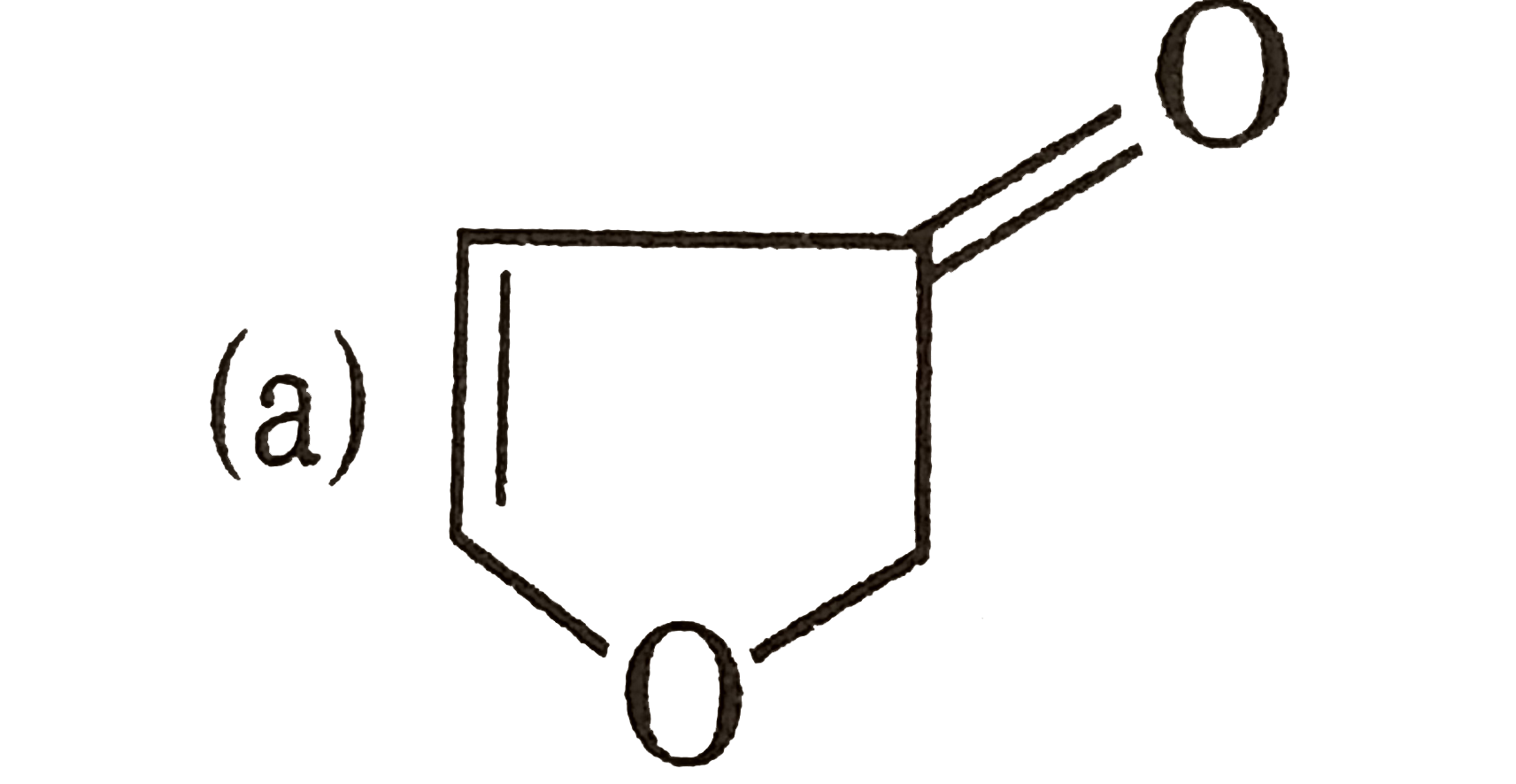
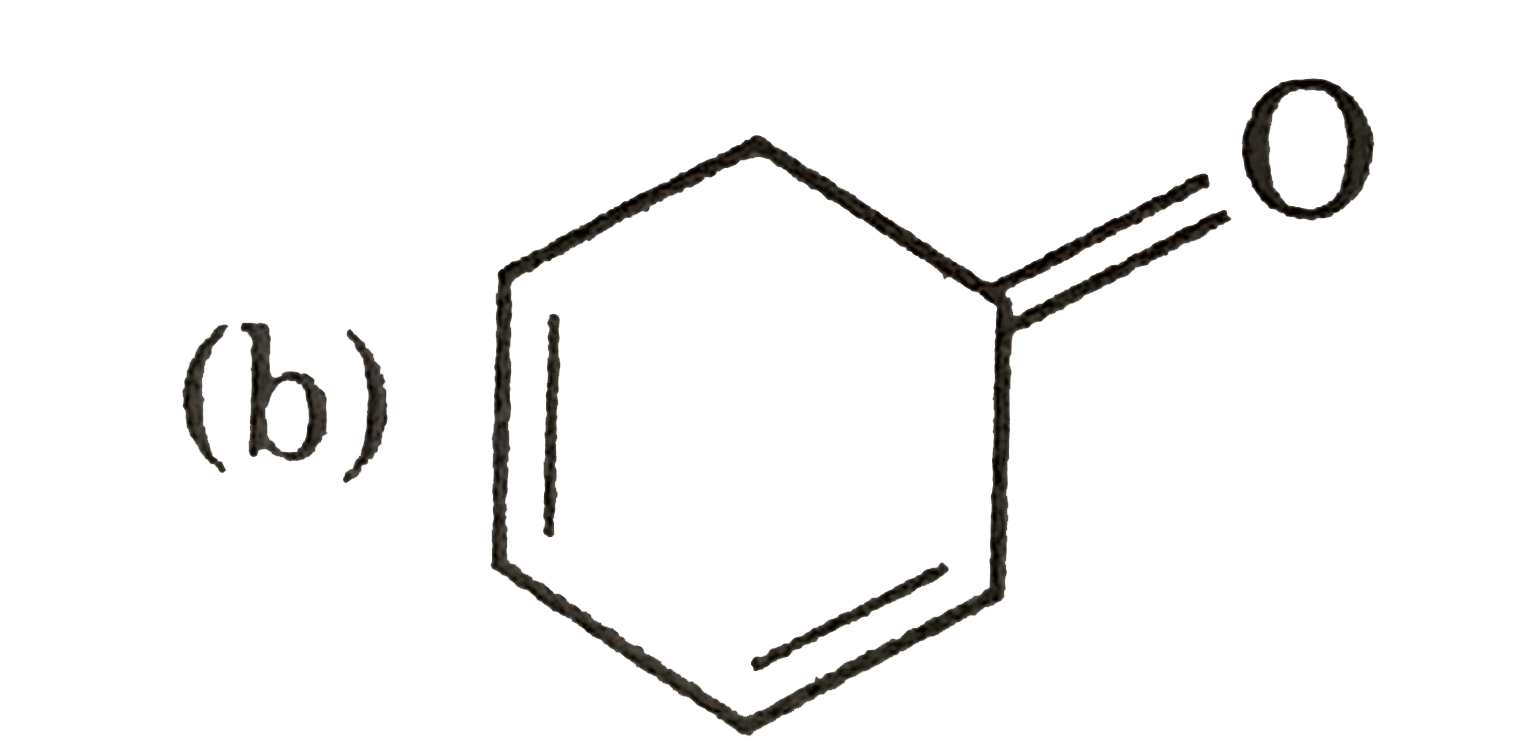
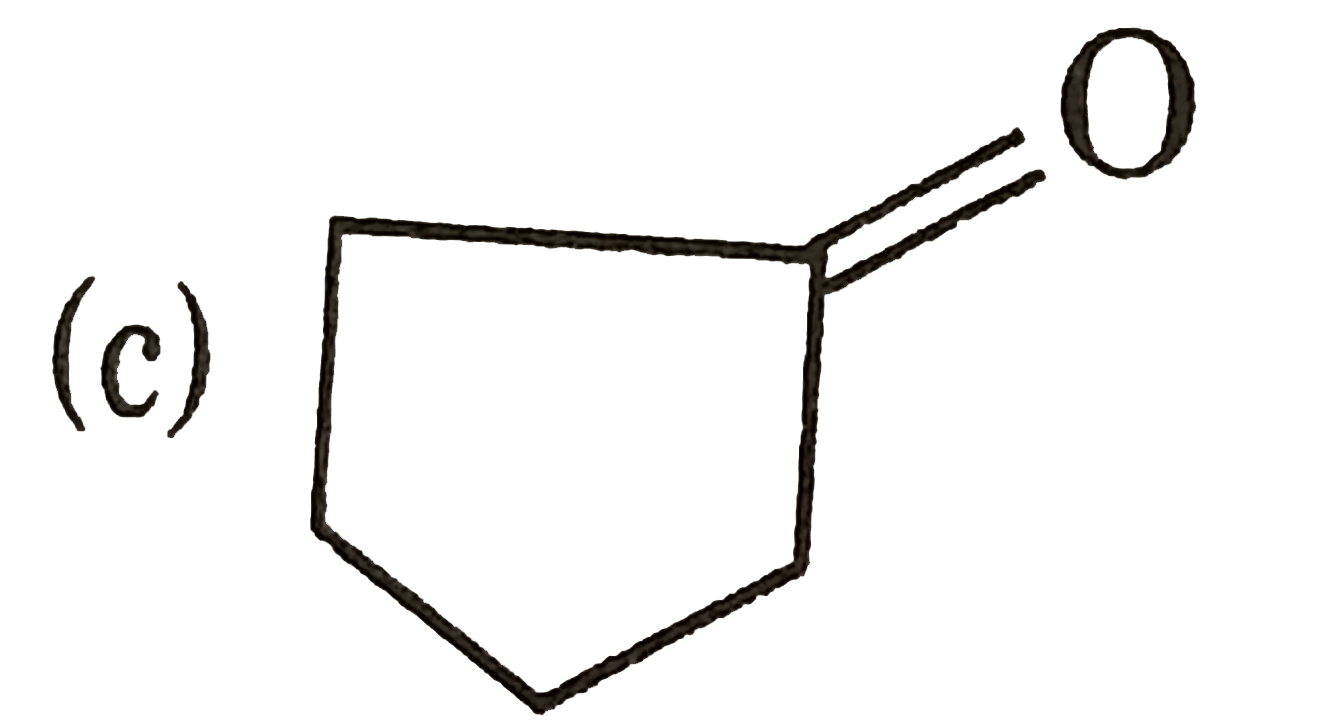
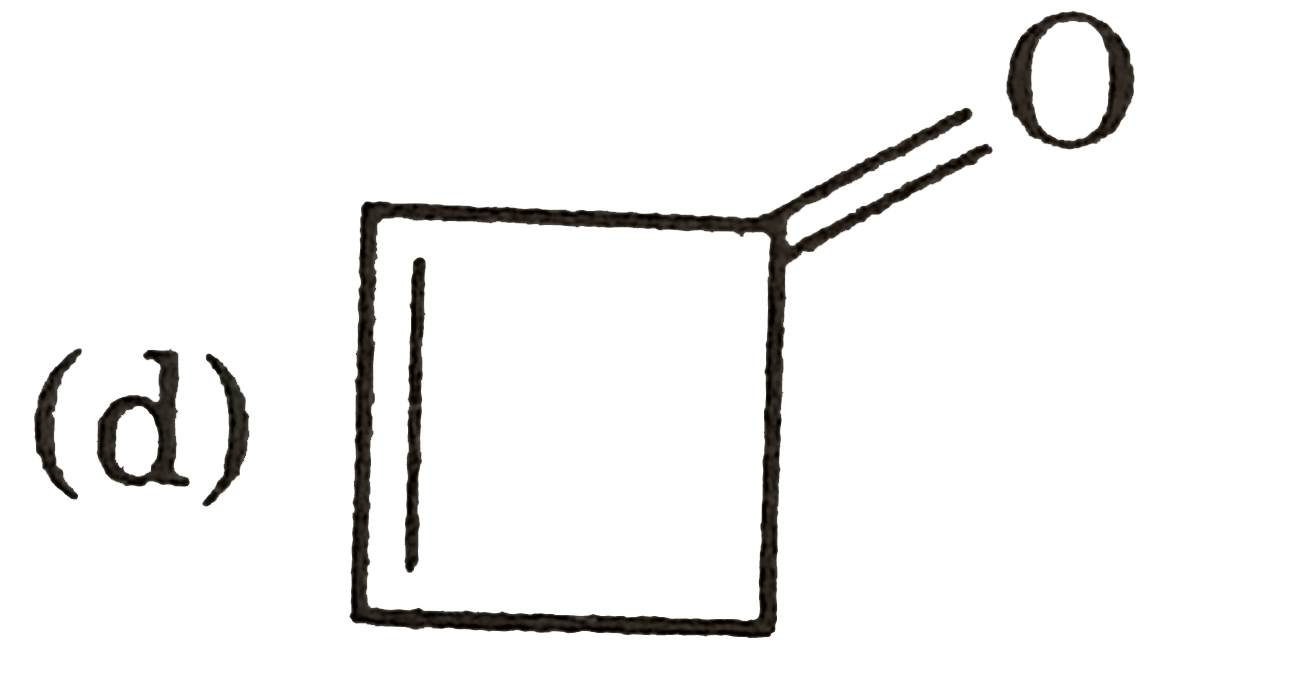
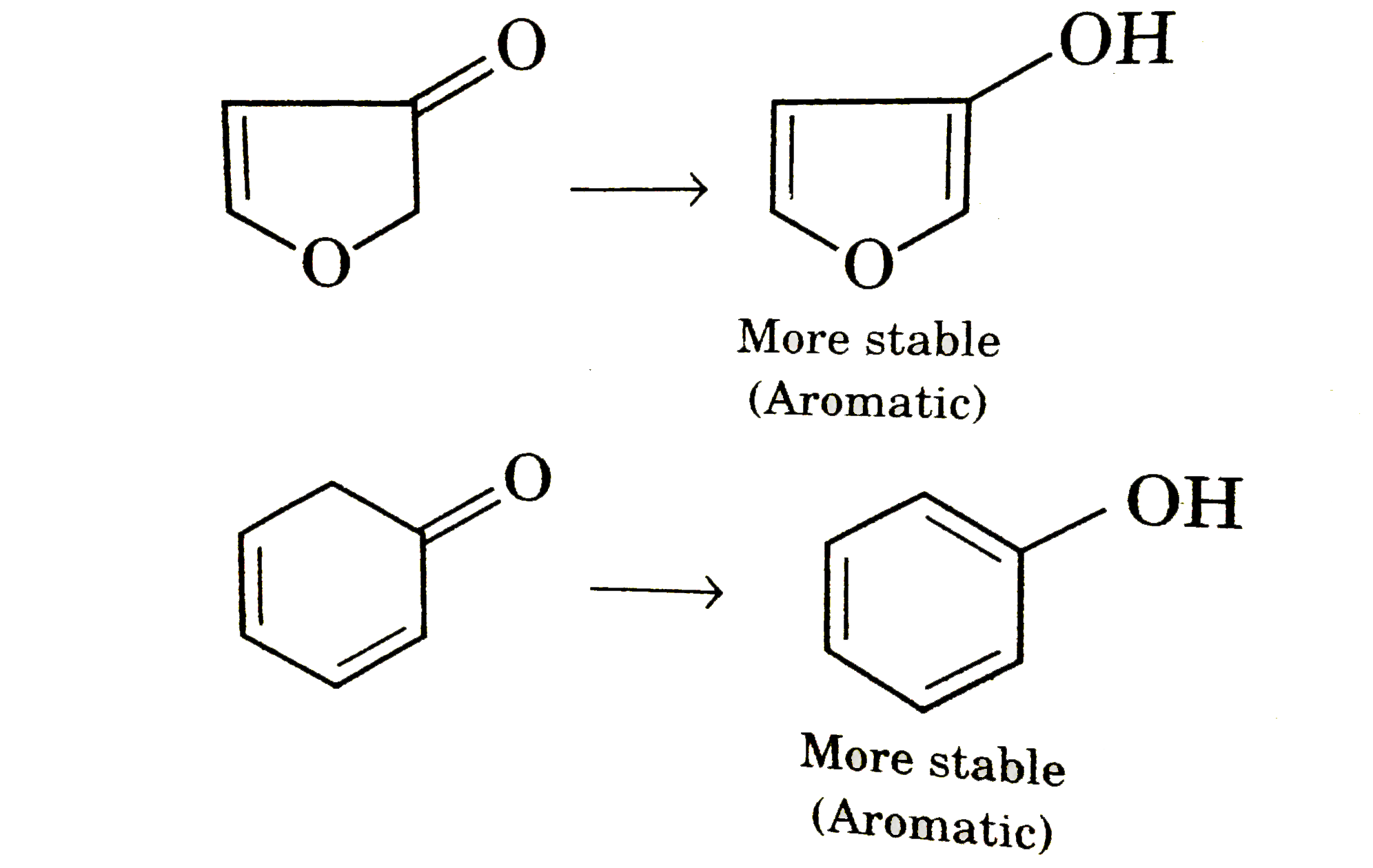
In which of the following, given tautomer has less contwnt at equilibrium? |
|
Answer»
|
|
| 3. |
In which of the following group, each member gives a positive iodoform test |
|
Answer» methanol, ethanol, propanone `CH_(3)-OVERSET(OH)overset(|)(CH) or CH_(3)-overset(O)overset(||)(C)-"group"` `CH_(3)-overset(OH)overset(|)(CH)-H"Ethanol"` `CH_(3)-overset(O)overset(||)(C)-H "Ethanal"` `CH_(3)-overset(OH)overset(|)(CH)-CH_(3) "Isopropyl alcohol"` |
|
| 4. |
In which of the following geometrical isomerism is possible ? |
|
Answer» `CH_(3)CH=C(CH_(3))_(2)` |
|
| 5. |
In which of the following functional groups, isomerism is not possible ? |
|
Answer» Alcohols |
|
| 6. |
In which of the following, functional group isomerism is not possible? |
|
Answer» Alcohols |
|
| 7. |
In which of the following, functional group isomerism is not possible ? |
|
Answer» Alcohols |
|
| 8. |
In which of the following first resonating structure is more stable than the second ? |
|
Answer» `Coverset(Theta)H_(2)-CH=OlarrrarrCH_(2)=CH-O^(Theta)` |
|
| 9. |
In which of the following equilibrium, the value of K_(p) is less than K_(c) ? |
|
Answer» <P>`N_2O_4 harr 2NO_2` |
|
| 10. |
In which of the following equilibrium, K_P and K_C are not equal ? |
|
Answer» `2NO(G) HARR N_2(g)+ O_2(g)` For option (d) `Deltan_g = 2-1=1` `:. K_P = K_C (RT)` |
|
| 11. |
In which of the following equilibrium, K_(p) and K_(c) are not equal ? |
|
Answer» `2NO(g)hArrN_(2)(g)+O_(2)(g)` |
|
| 12. |
In which of the following equilibrium K_c and K_p are not equal ? |
|
Answer» `2NO_((G)) HARR N_(2(g)) +O_(2(g))` `Deltan`=2-1=+1 `therefore K_p` and `K_c` are not equal. |
|
| 13. |
In which of the following equilibrium, change in pressure will not affect the equilibrium ? |
|
Answer» `N_(2(g))+3H_(2(g))hArr2NH_(3(g))` |
|
| 14. |
In which of the following equations, Delta H ^(0)reaction equals to Delta H _(f) ^(0) for the product ? |
|
Answer» `2CO _(2 (G)) + O _(2 (g)) to 2 CO _(2 (g))` |
|
| 15. |
In which of the following entropy increases? |
|
Answer» RUSTING of IRON |
|
| 16. |
In which of the following entropy decreases? |
|
Answer» MELTING of ice |
|
| 17. |
In which of the following does the reaction go almost to completion ? |
| Answer» Answer :A | |
| 18. |
In which of the following conversions there are changes of hybridisation and shape- |
|
Answer» `CH_(4) to C_(2)H_(6)`  `BF_(4)^(-)` on the other hand exhibits tetrahedral geometry with each F-B-F bond angle `109.5^(@)`. B-atom is `sp^(3)`-hybridised. |
|
| 19. |
In which of the following conversion Fe_2O_3//Crcatalyst is used. |
|
Answer» `C + H_2O to CO + H_2` |
|
| 20. |
In which of the following conversion brought about by H_2O_2 , maximum number of electrons are involved in the redox process |
|
Answer» Lead sulphide to lead sulphate |
|
| 21. |
On which of the following factors does internal energy depend upon |
|
Answer» `q =500 J,W 200J` |
|
| 22. |
In which of the following compounds , the oxidation number of iodine is fractional ? |
|
Answer» `IF_(7)` |
|
| 23. |
In which of the following compounds transition metal is in zero oxidation state ? |
|
Answer» `[Co(NH_(3))_(6)]Cl_(3)` |
|
| 24. |
In which of the following compounds the percentage of carbon atom is highest ? |
|
Answer» `CH_(3)-CH_(2)-CH_(3)` (A) `CH_(3)CH_(2)CH_(3) -= C_(3)H_(8)` `= 3 (C) + 8 (H)` `= 3 (12) + 8 (1)` `= 36 + 8` `= 44 g* "mol"^(-1)` and36 g Carbon in it. % C `= (100xx36)/(44) = 81.818 % C`......(A) `underset("OH")underset("|")(CH_(3)+CH-CH_(3)-=C_(3)H_(8)O)` `3(C) + 8(H) + 1(16)` `= 36+8 + 16` `= 60 g "mol"^(-1)` and 36 g C in it. `% C = (100xx36)/(60) = 60% C `.........(B) (C) `C_(12)H_(22)O_(11)` `= 12(C) + 22(H) +11(O)` `= 12(12)+22(1) + 11(16)` `= 144+22+176` `= 342g* "mol"^(-1)` and144 g C in it. `% C = (144xx100)/(342) = 42.105% C`......(C) (D) `CH_(3)COOH -= C_(2)H_(4)O_(2)` `=2(C)+4(H) +2(O)` `=2(12)+4(1)+2(16)` `= 24+4+32` `= 60 g "mol"^(-1)`and `24 g` C in it. `%C = (24)/(60) XX 100 = 40% C `.......(D) |
|
| 25. |
In whichone of the following compounds the oxidation numberof iodine is fractional? |
|
Answer» `IF_7` |
|
| 26. |
In which of the following compounds , the oxidation number of carbon is not zero ? |
| Answer» Answer :C | |
| 27. |
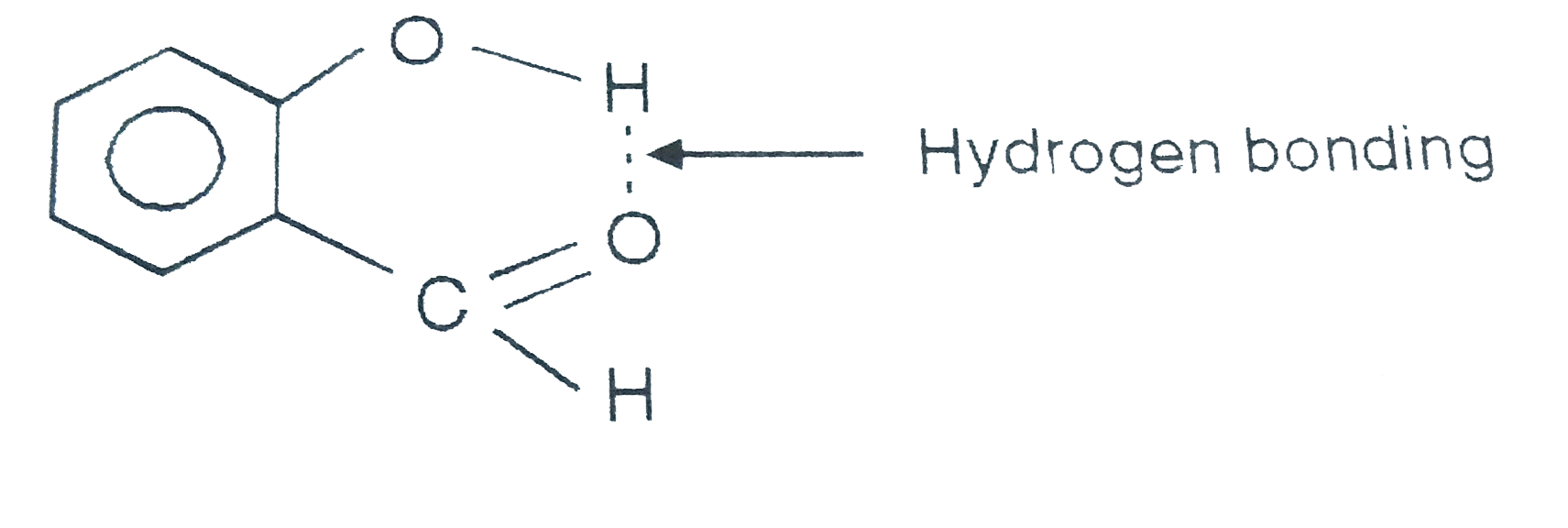
In which of the following compounds, the -OH group is least reactive |
|
Answer»
|
|
| 28. |
In which of the following compounds the carbon marked with asterisk is expected to have greatest positive charge? |
|
Answer» `""^(**)C H_3)-CH_(2)-Cl`  (B) In `""^(**)C H_(3)-CH_(2)-Mg^(+)Cl^(-)`, Mg is electropositive so, the repulsion of electron and positive charge of `""^(**)C" in " ""^(**)C H_(3)` is decreases  (C ) In `""^(**)C H_(3)-CH_(2)-Br` the STRENGTH of Br(-I) is less than Cl(-I) so, the carbon of `""^(**)C H_(3)CH_(2)Br` is become less positive  (D) Due to (+I) effect, the `-CH_(2)CH_(3)` group of `""^(**)C H_(3)-CH_(2)-CH_(3)` release the electron and increase the electron density of C in `""^(**)C H_(3)`  The electron density on carbon of `""^(**)C H_(3)` in `""^(**)C H_(3)-CH_(2)-Cl` is minimum and this carbon is MAXIMUM positive. |
|
| 29. |
In which of the following compounds the carbon marked with asterisk is expected to have greatest positive charge ? |
|
Answer» `.^(**)CH_(3)-CH_(2)-CL`  hasgreatest positive CHARGE since `Cl` atom has maximum `- I` effect. hasgreatest positive CHARGE since `Cl` atom has maximum `- I` effect.
|
|
| 30. |
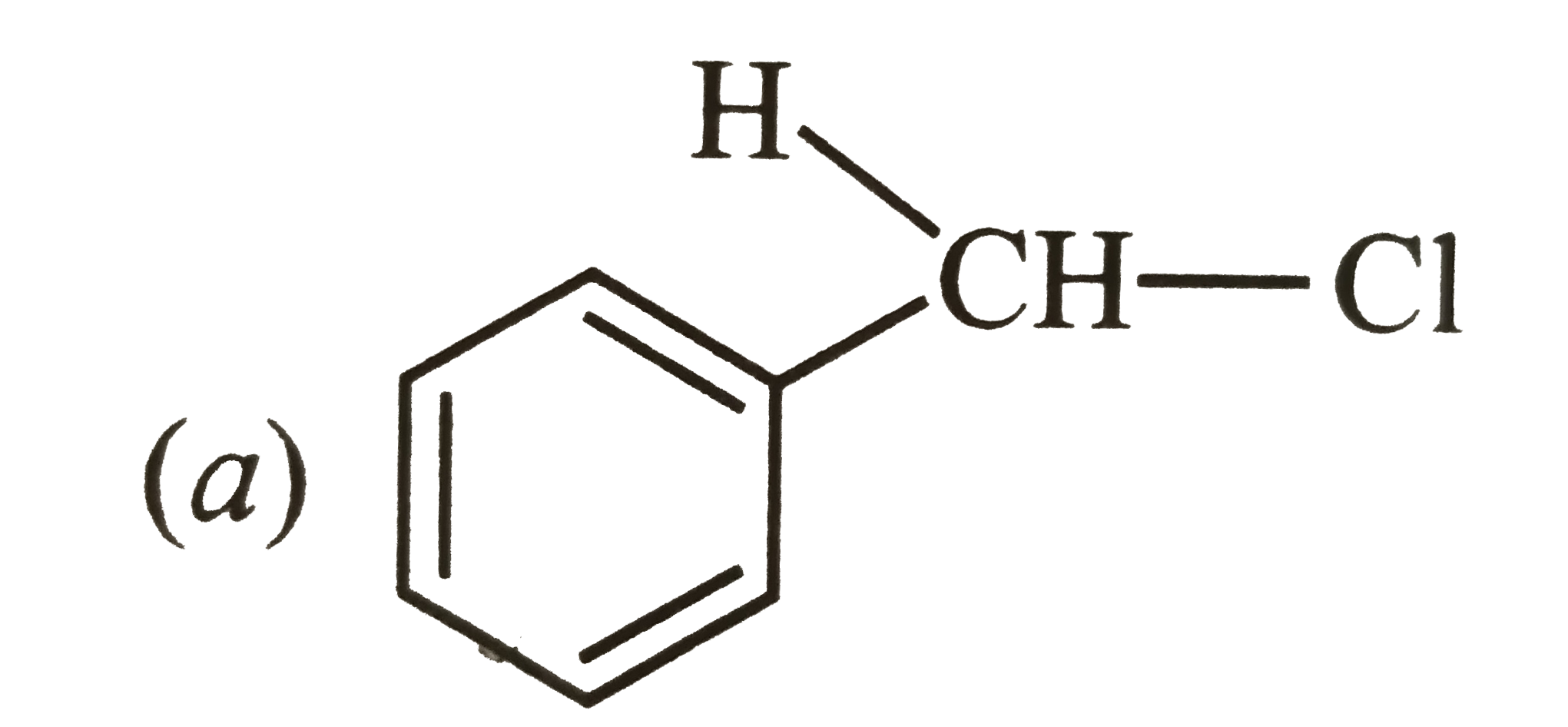
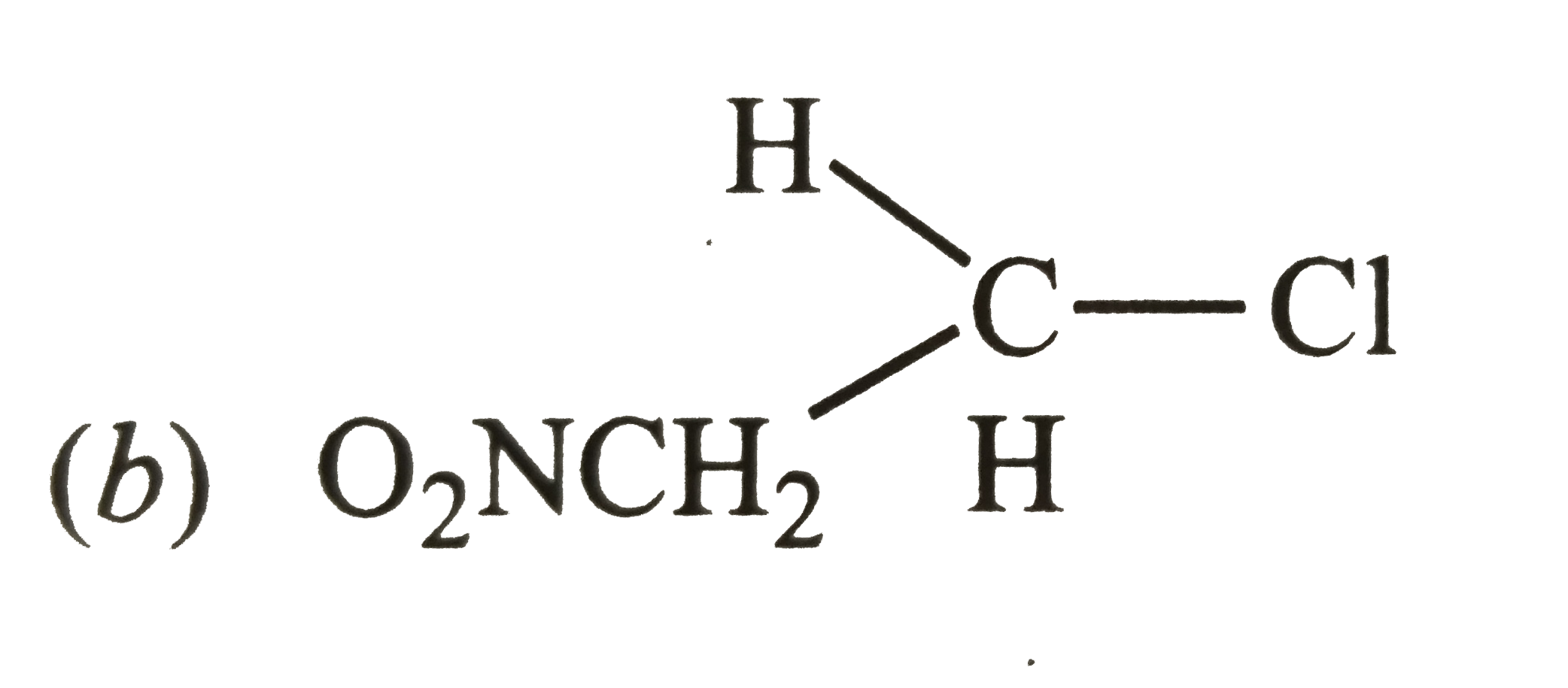
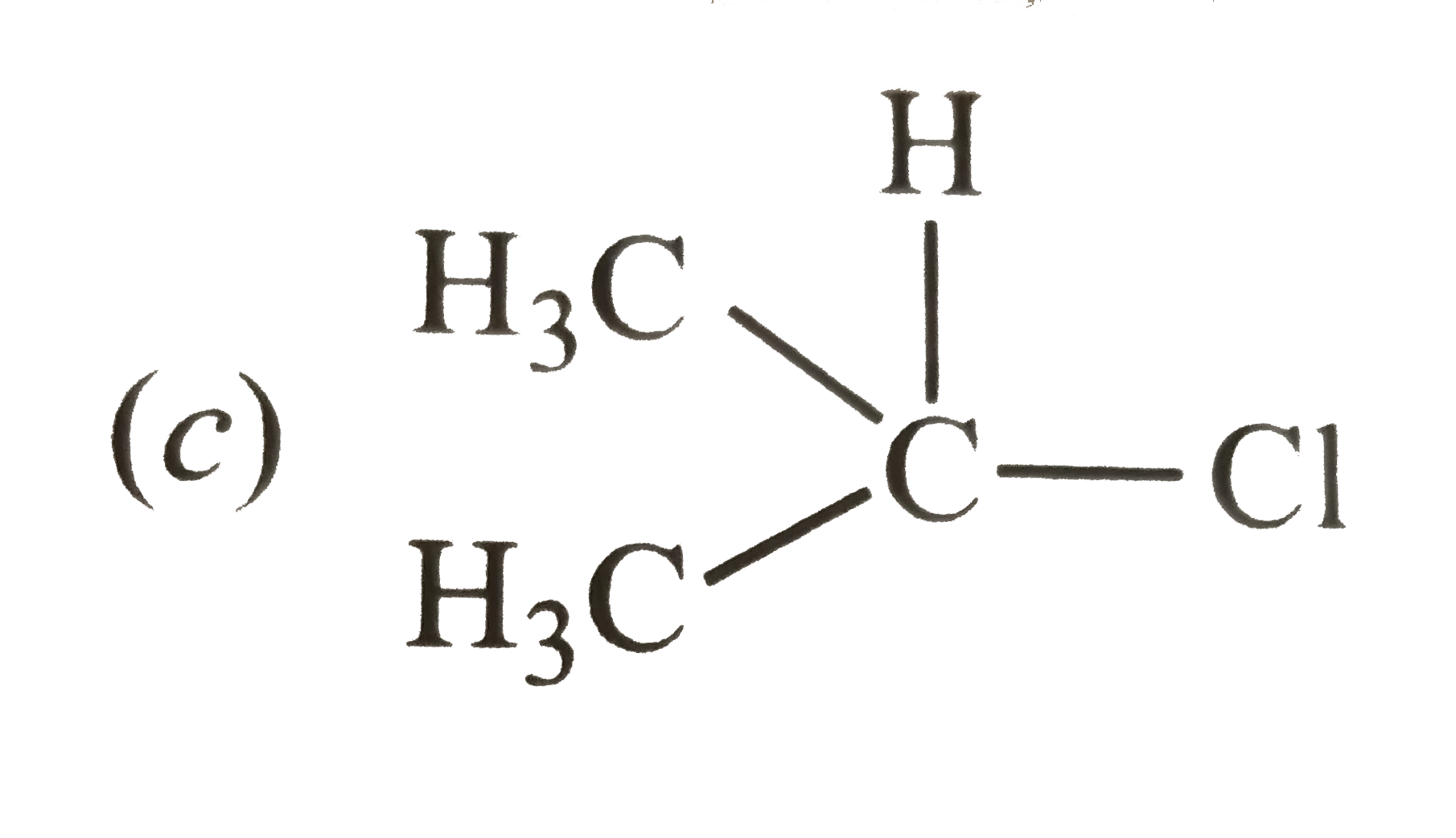
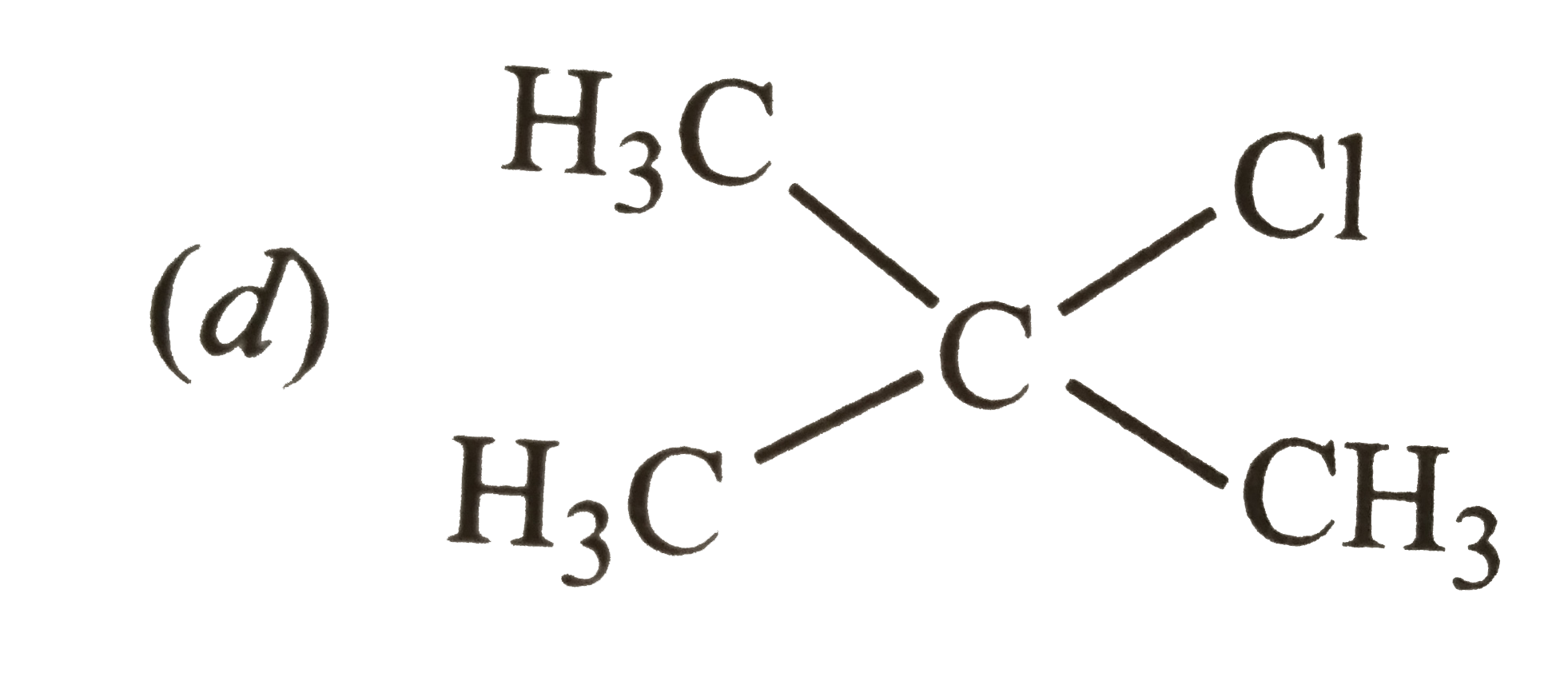
IN which of the following compounds, the C-Cl bond ionization shall give most stable carbonium ion ? |
|
Answer»
|
|
| 31. |
In which of the following compounds, the C-Cl bond ionisation shall give most stable carbonium ion? |
|
Answer»

|
|
| 32. |
In which of the following compounds the C-Cl bond ionisation shall give most stable carbonium ion ? |
|
Answer»
`(CH_(3))_(3)C^(+) gt C_(6)H_(5)CH_(2)^(+) gt (CH_(3))_(2)CH^(+) gt CH_(3)CH_(2)^(+)` Thus, OPTION (d) is correct. |
|
| 33. |
In which of the following compounds oxidation state of chlorine has two different values? |
|
Answer» `CaCl_(2)` In `Ocl^(-)1` ( hypochlorite ION oxidation state of Cl) `=-2+X=-1rArr x= +1` In `Cl^(-)` oxidation state of chlorine `=-1` |
|
| 34. |
In which of the following compounds oxygen exhibits an oxidations state of +2? |
|
Answer» `H_(2)O` |
|
| 35. |
In which of the following compounds nitrogen exhibits highest oxidation state? |
|
Answer» `N_(2)H_(4)` THUS, `N_(3)H` has the highest oxidation state of N. |
|
| 36. |
In which of the following compounds, nitrogen cannot be tested by Lassaigne.s test? |
|
Answer» `C_6H_5NH_2` |
|
| 37. |
In which of the following compounds, nitrogen exhibits highest oxidation state? |
| Answer» Answer :C | |
| 38. |
In the which of the following compounds mesomerie effect is possible?Vinyl chloride , b) Allyl chloride and c) 3- Butenal |
|
Answer» Solution :(a) Vinyl chloride `CH_(2) = CH- underset(..)overset(..)(Cl):` (b) Allyl chloride `CH_(2) = CH- CH_(2) - underset(..)overset(..)(Cl):` (C ) 3-Butenal `CH_(2) = CH- CH_(2) - underset(underset(H)(|))(C )= O` In vinyl chloride LONE pair and `pi` bond are in conjugation. Hence + M EFFECT is possible in iit. In allyl chloride, lone pair is not inconjugation with `pi` bond and in 3-butenal also conjugation is ABSENT. Thus in allyl chloride and 3-butenal, mesomeric effect is abscent. |
|
| 39. |
In which of the following compounds interamolecular hydrogen bonding is possible: (i) CH_(3)COOH (ii) CH_(3)COOH =C(OH)CH_(3). (iii) CH_(3)CONH_(2), (iv) HOCH_(2)CH_(2)OH, (v) PbCOC(OH)_(2)COPh (vi) (CH_(3))_(2)NH |
Answer» SOLUTION : 
|
|
| 40. |
In which of the following compounds, hybridisation of all C-atoms is not the same? |
|
Answer» Ethane |
|
| 41. |
In which of the following compounds H - bonding is strogest in the liquid phase |
|
Answer» HF |
|
| 42. |
In which of the following compounds does the central atom obey the octel rule ? |
|
Answer» `XeF_4` Hence in (d) `SCl_2` OCTEL rule is followed. |
|
| 43. |
In which of the following compounds does the central atom obey the octet rule ? |
|
Answer» `XeF_(4)` 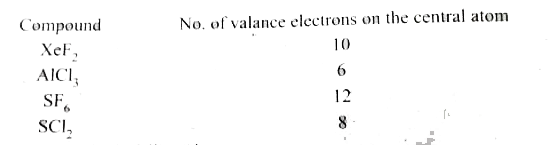
|
|
| 44. |
In which ofthe following compounds does not central atom obey the octet rule ? |
|
Answer» `XeF_(4)` 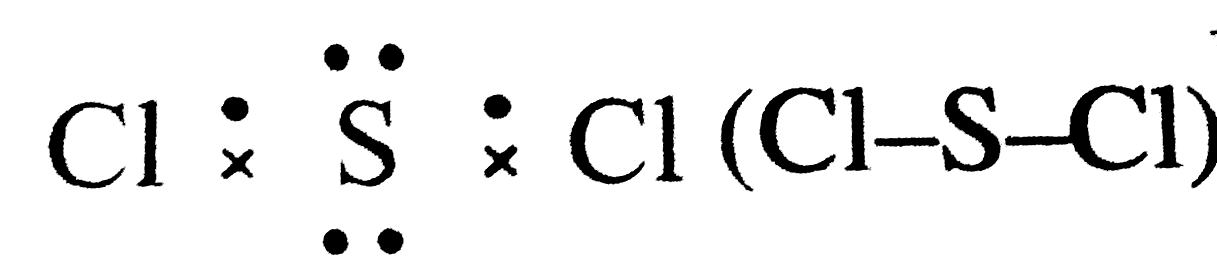 has complete octet around has complete octet aroundcentral ATOM (S) while `XeF_(4) and XeOF_(2)` have expended OCTETS and `AlCl_(3) and BF_(3)` have incomplete octets. |
|
| 45. |
In which of the following compounds does hydrogen has an oxidation state of -1? |
|
Answer» `CH_4` |
|
| 46. |
In which of the following compounds does carbon exhibit fractional oxidation state ? |
|
Answer» `C_(4) H_(4) O_(6)^(2-)` |
|
| 47. |
In which of the following compounds delocalisation of electrons and shifting of electron in the same direction ? |
|
Answer»
|
|
| 48. |
In which of the following compounds, carbon is in the lowest oxidation state ? |
|
Answer» `CH_(4)` |
|
| 49. |
In which of the following compounds carbon exhibits a velency of 4 but oxidation stae of -2? |
|
Answer» `CH_(3)CI` |
|