Saved Bookmarks
This section includes 7 InterviewSolutions, each offering curated multiple-choice questions to sharpen your Current Affairs knowledge and support exam preparation. Choose a topic below to get started.
| 1. |
Compoundof calcium(X)is thecheapestformofalkali, whichcan bedecomposedto giveback X at veryhightemperature.Xis _______. |
|
Answer» `CaCO_(3)` |
|
| 2. |
Compound of an element A with an alkali metal gave a neutral solution in water. In the periodic table the element A belongs to |
|
Answer» SECOND GROUP |
|
| 3. |
Compound obtained by passing CO_(2) through BaO_(2) in water is |
|
Answer» CO |
|
| 4. |
{:("Compound", " Magnetic property") , ("(A) NaCl" , "(p) Ferrimagnetic"),("(B) MnO" , "(q) Paramagnetic"),("(C) CrCl"_(3) , "(r) Ferromagnetic"),("(D) CrO"_(2) , "(s) Diamagnetic"),("(E) MgFe"_(2)O_(4) , "(i) Antiferromagnetic"):} |
|
Answer» A-p,B-r,C-q,D-t,E-s MnO - Antiferromagnetic, ` MgFe_(2)O_(4)` - Ferrimagnetic |
|
| 5. |
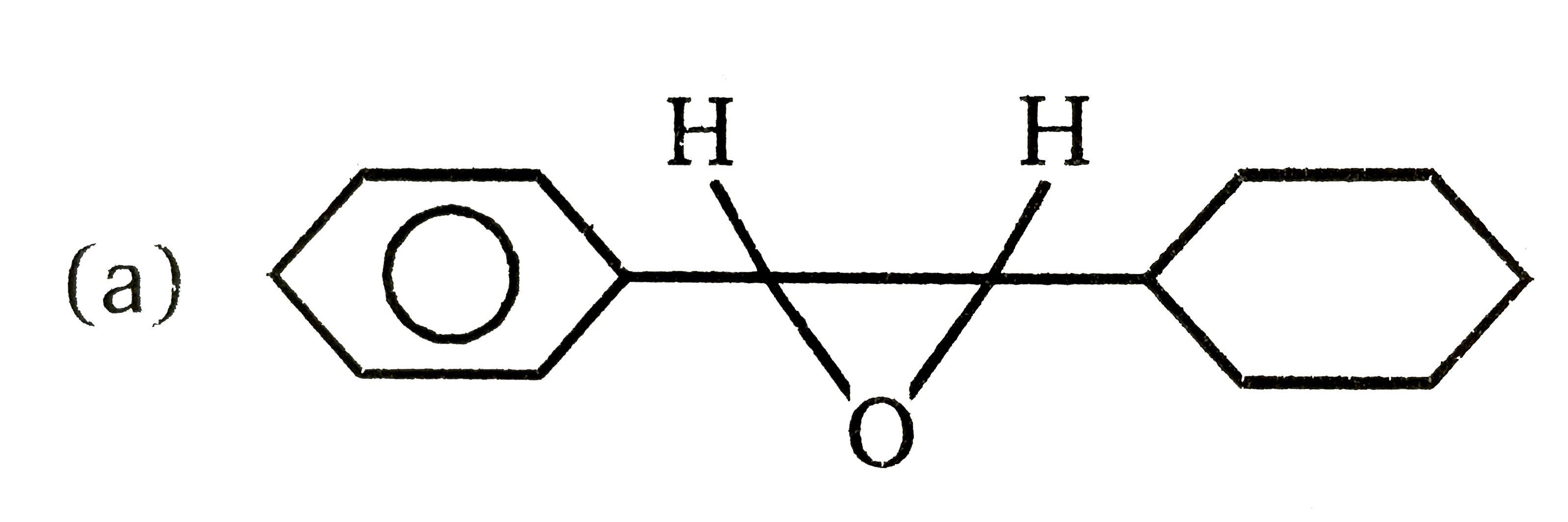
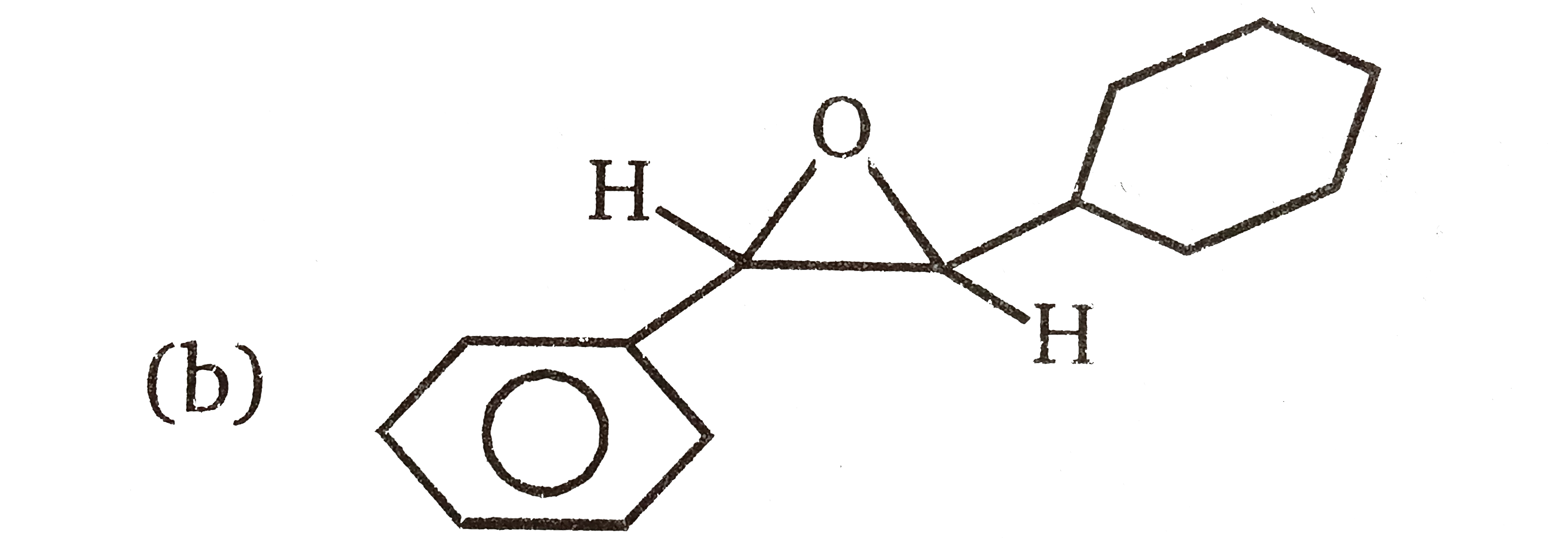
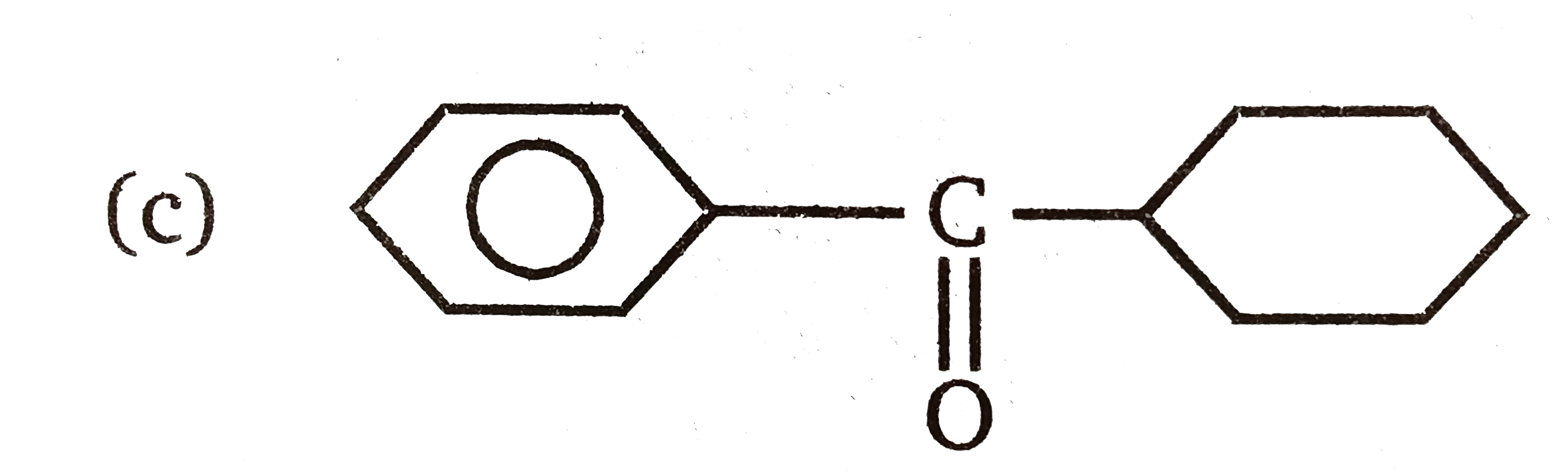
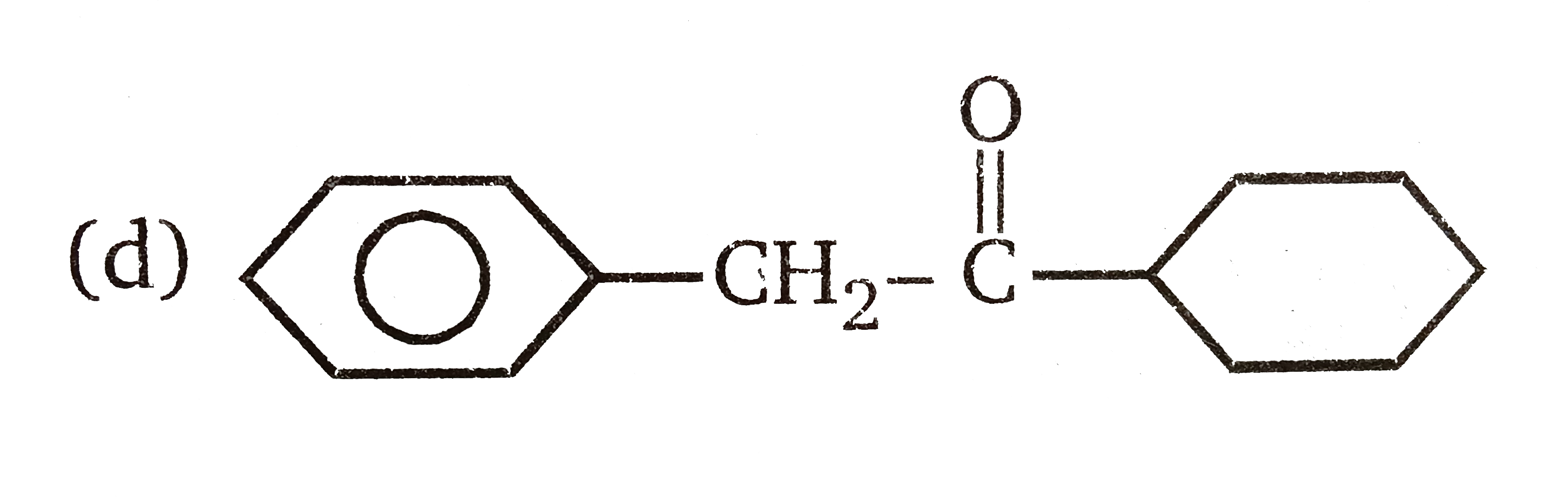
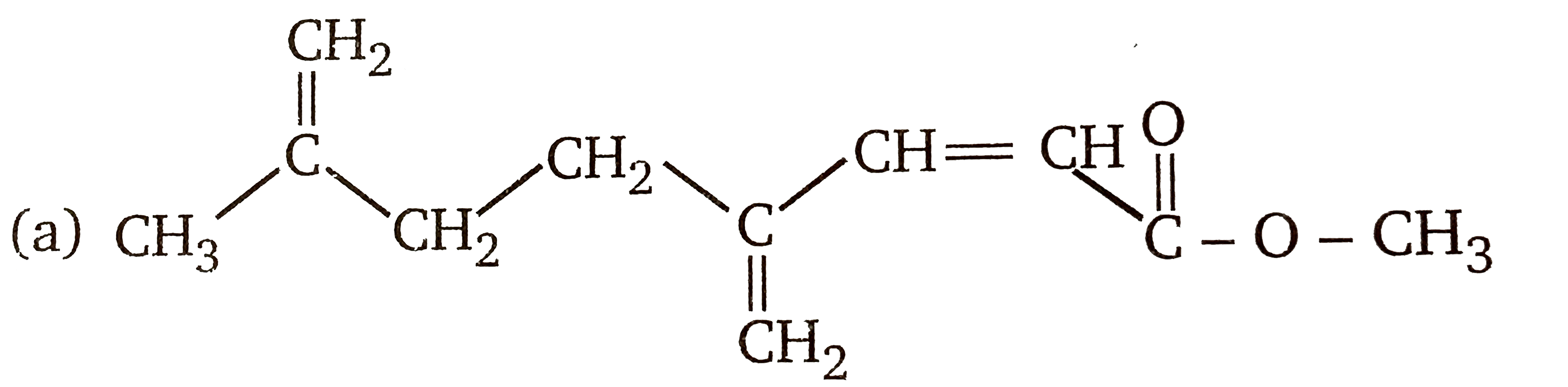
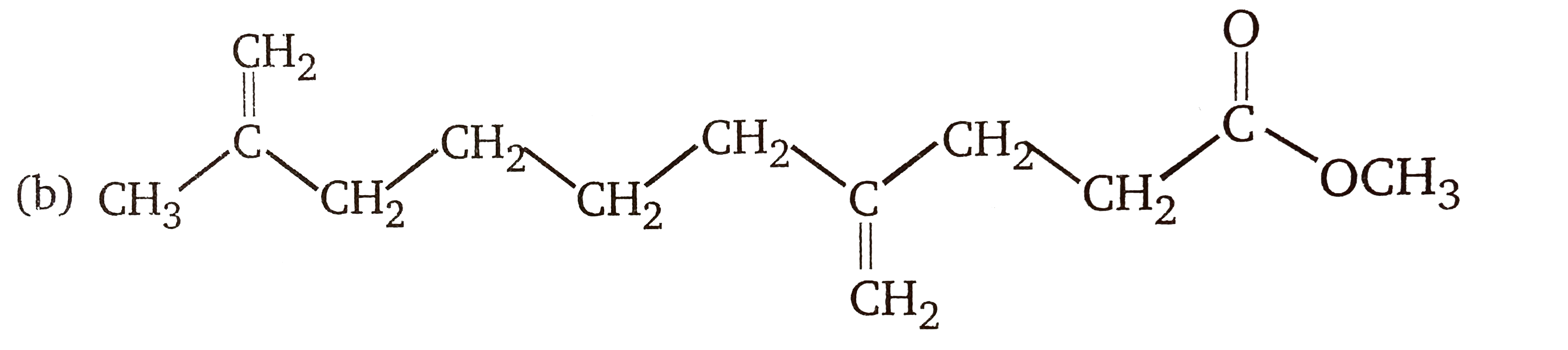
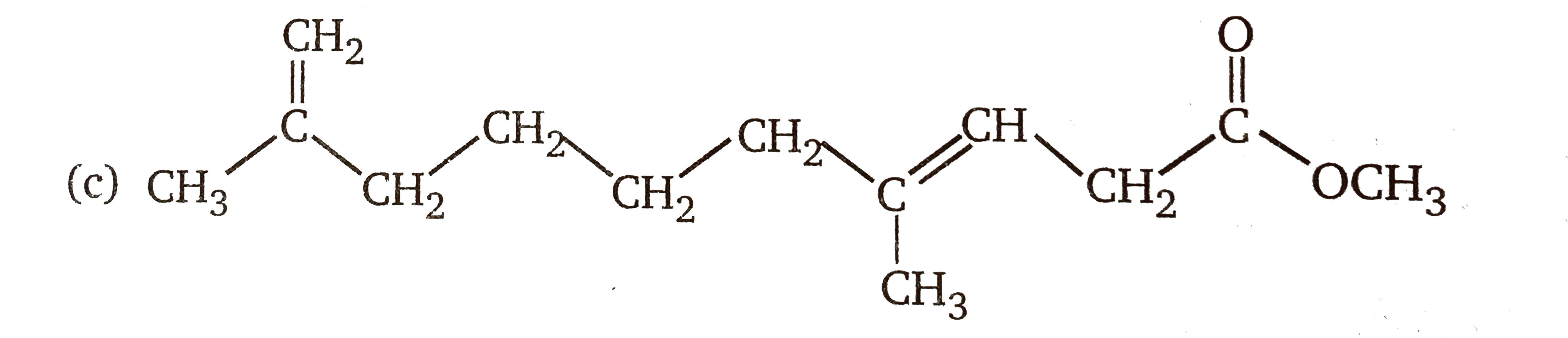
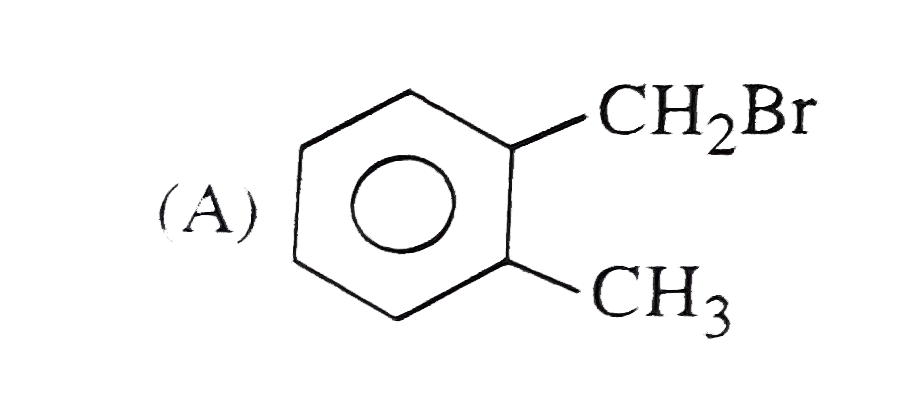
Compound . Find the structure of (X) |
|
Answer»

|
|
| 8. |
Compound (D)+I^(-)+H^(+) rarr Gas. Evolved gas is similar to: |
|
Answer» Gas-B `I rarr PbCrO_(4) (ACOH` insoluble) `HNO_(2) +I^(-) +H^(+) rarr NO` (Gas H) |
|
| 9. |
Compound containing Xe and F having 63.8%of Xe then calculate oxidation number of Xe. |
|
Answer» SOLUTION :XE : F `therefore63.8/133:37.2/19` `therefore0.48:1.95` `therefore1:4` `thereforeXe^(+4)` |
|
| 11. |
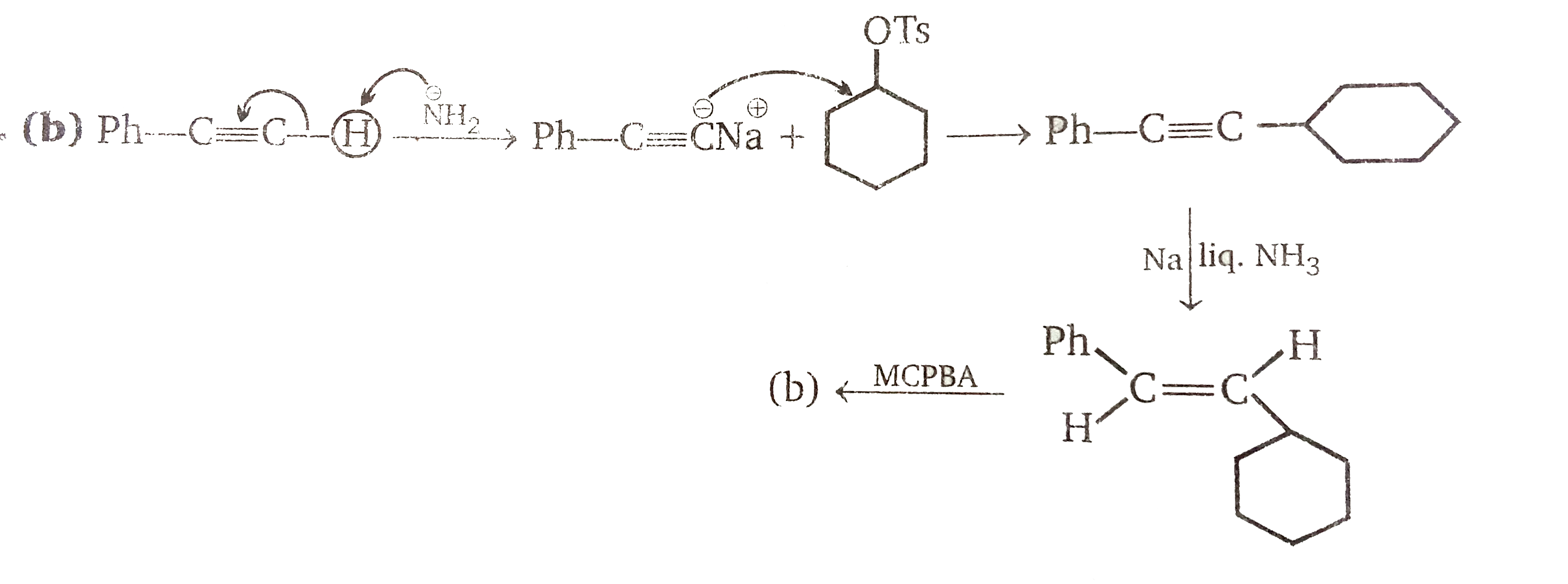
Compound (C) in above sequence of reaction is: |
|
Answer»
|
|
| 12. |
Compound 'C' and 'D' are respectively: |
|
Answer» `CaO +CaSO_(4)` |
|
| 14. |
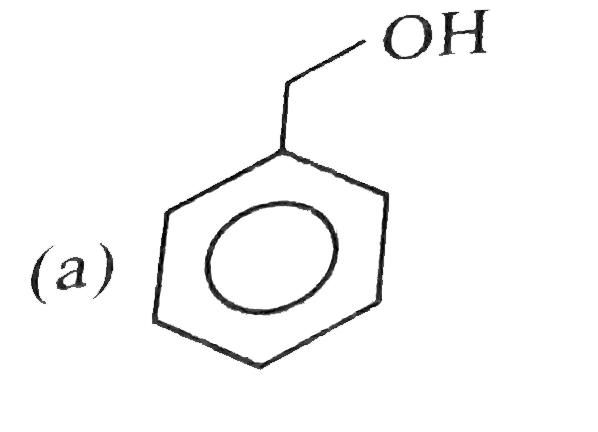
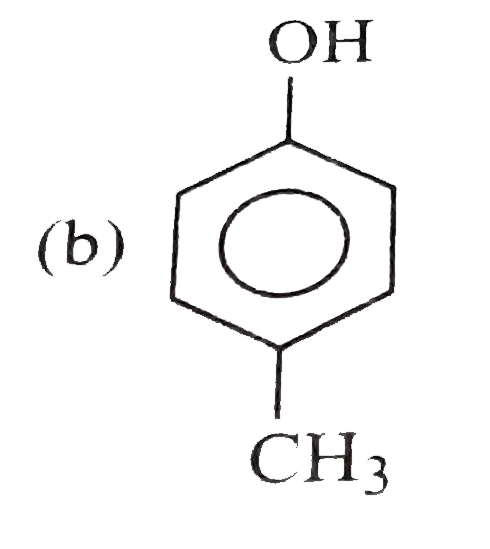
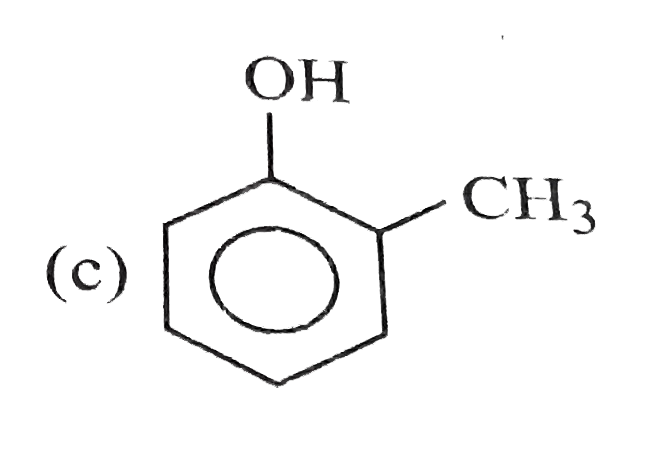
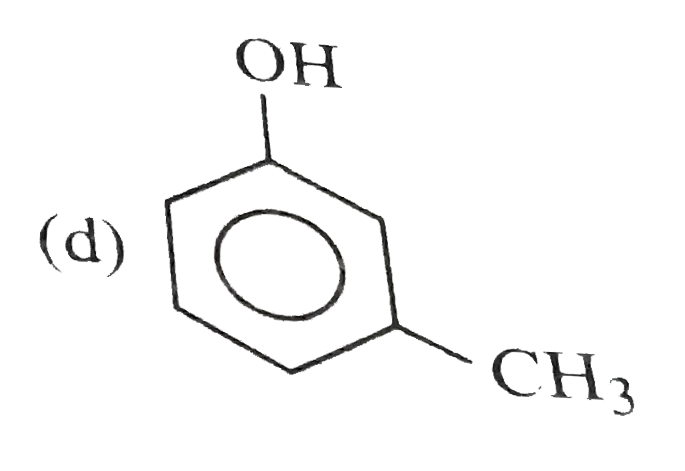
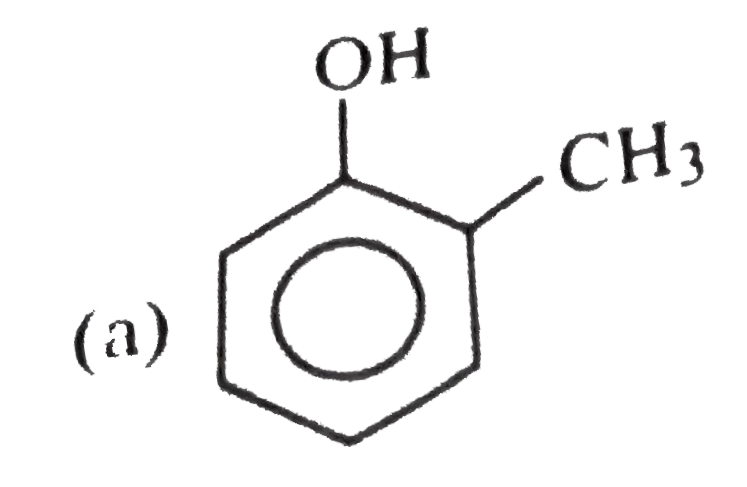
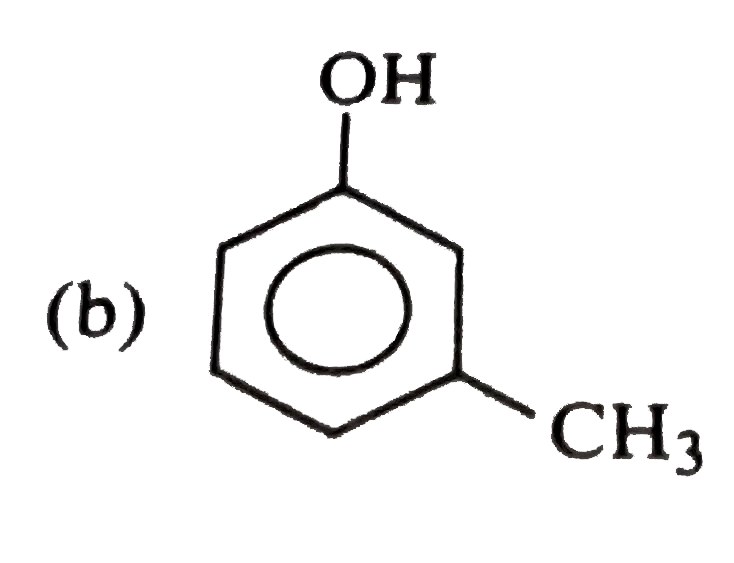
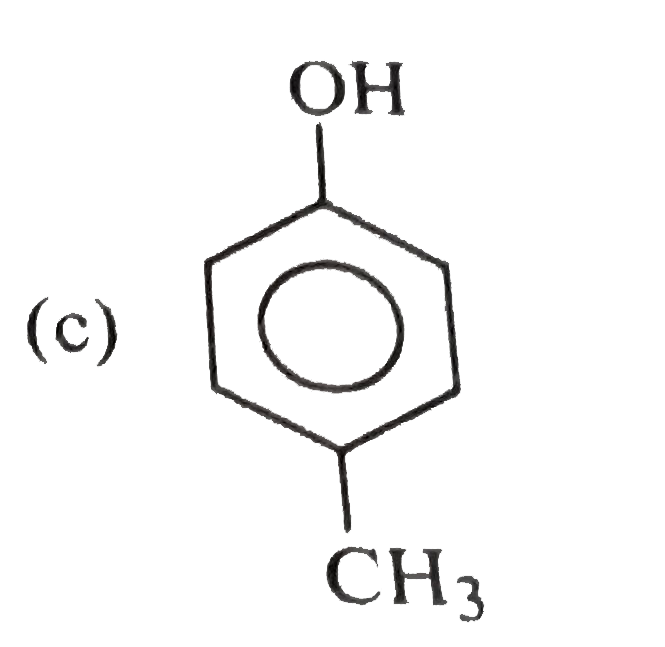
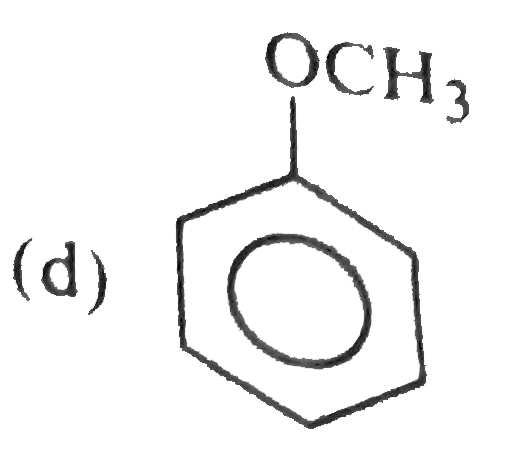
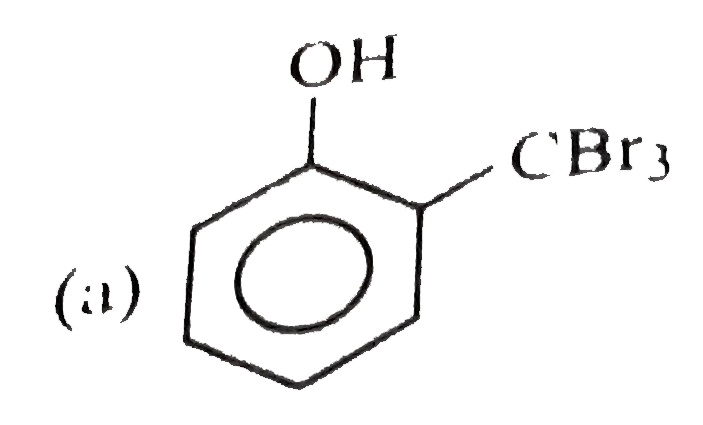
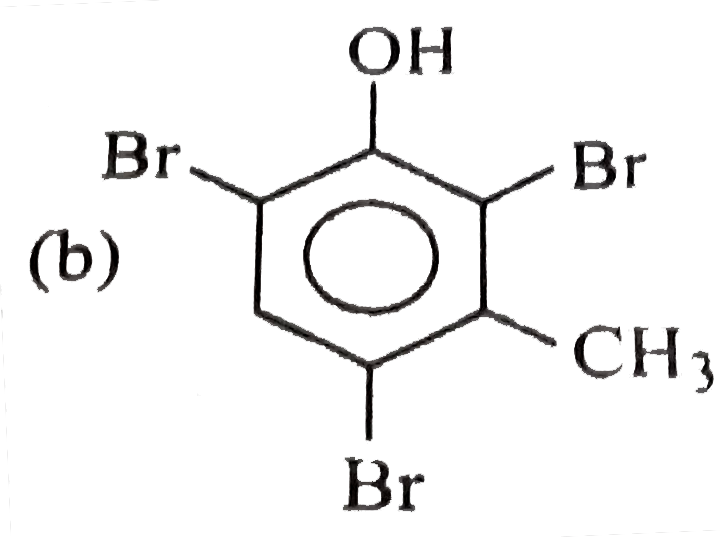
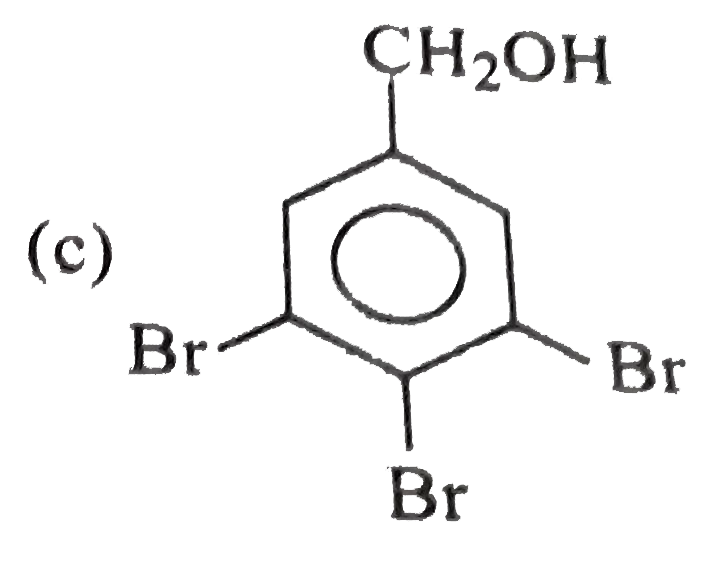
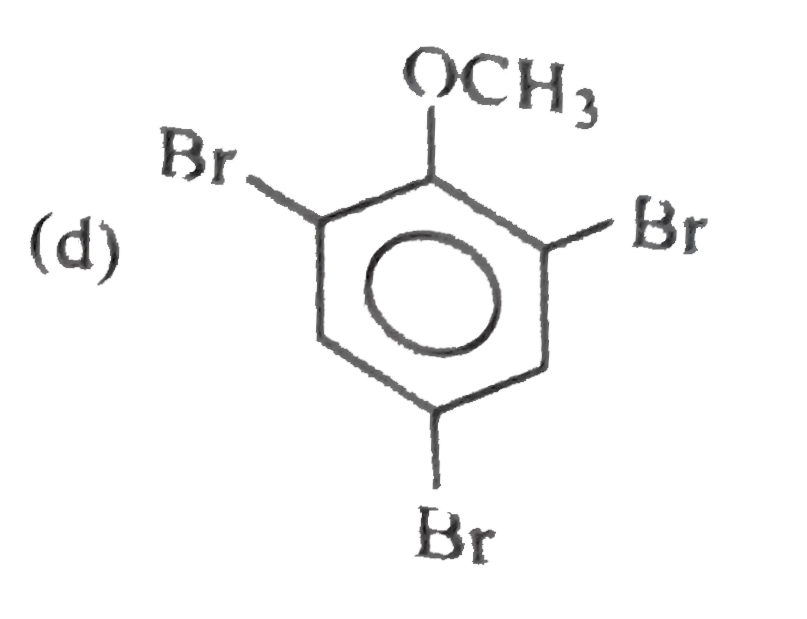
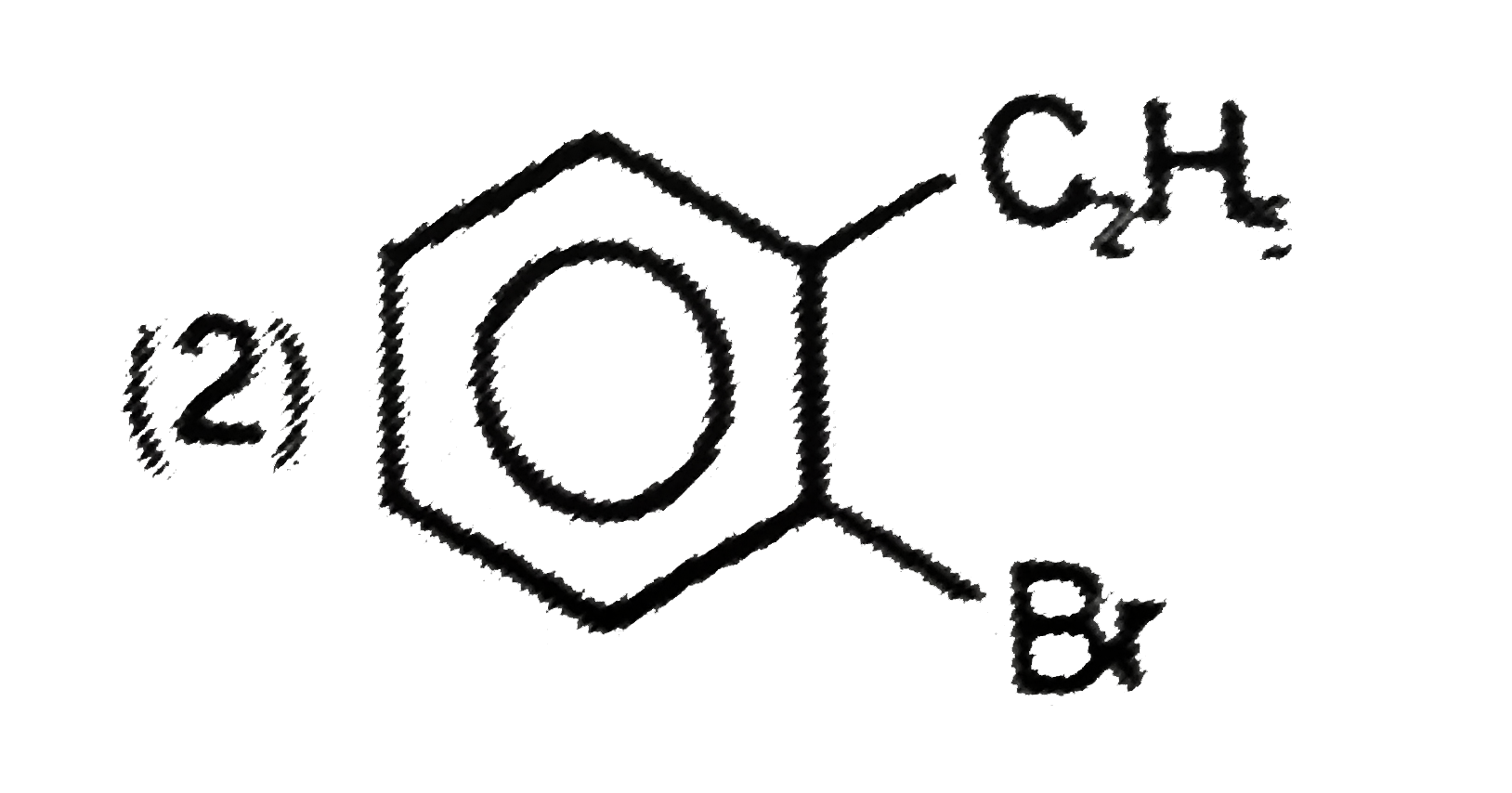
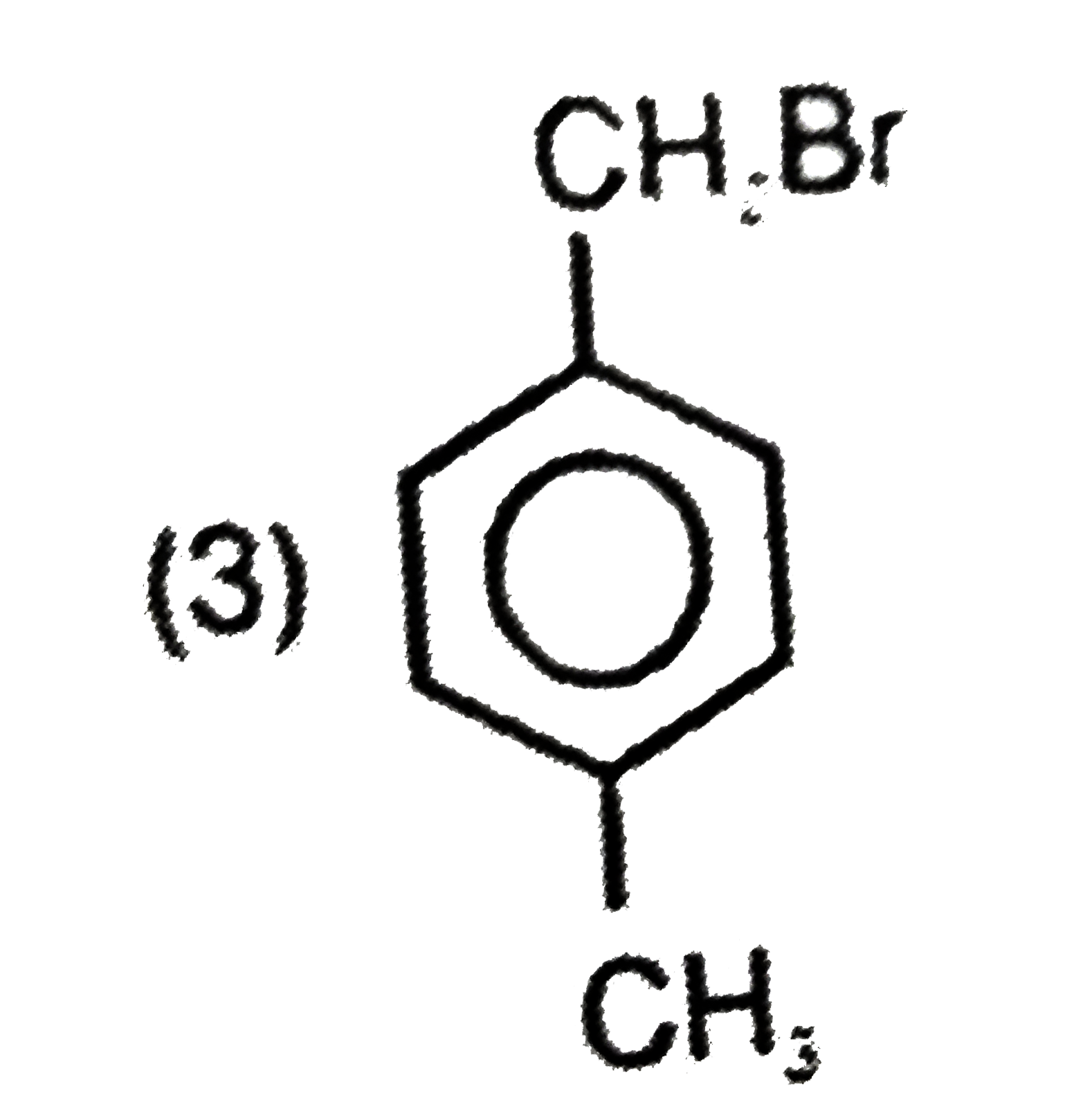
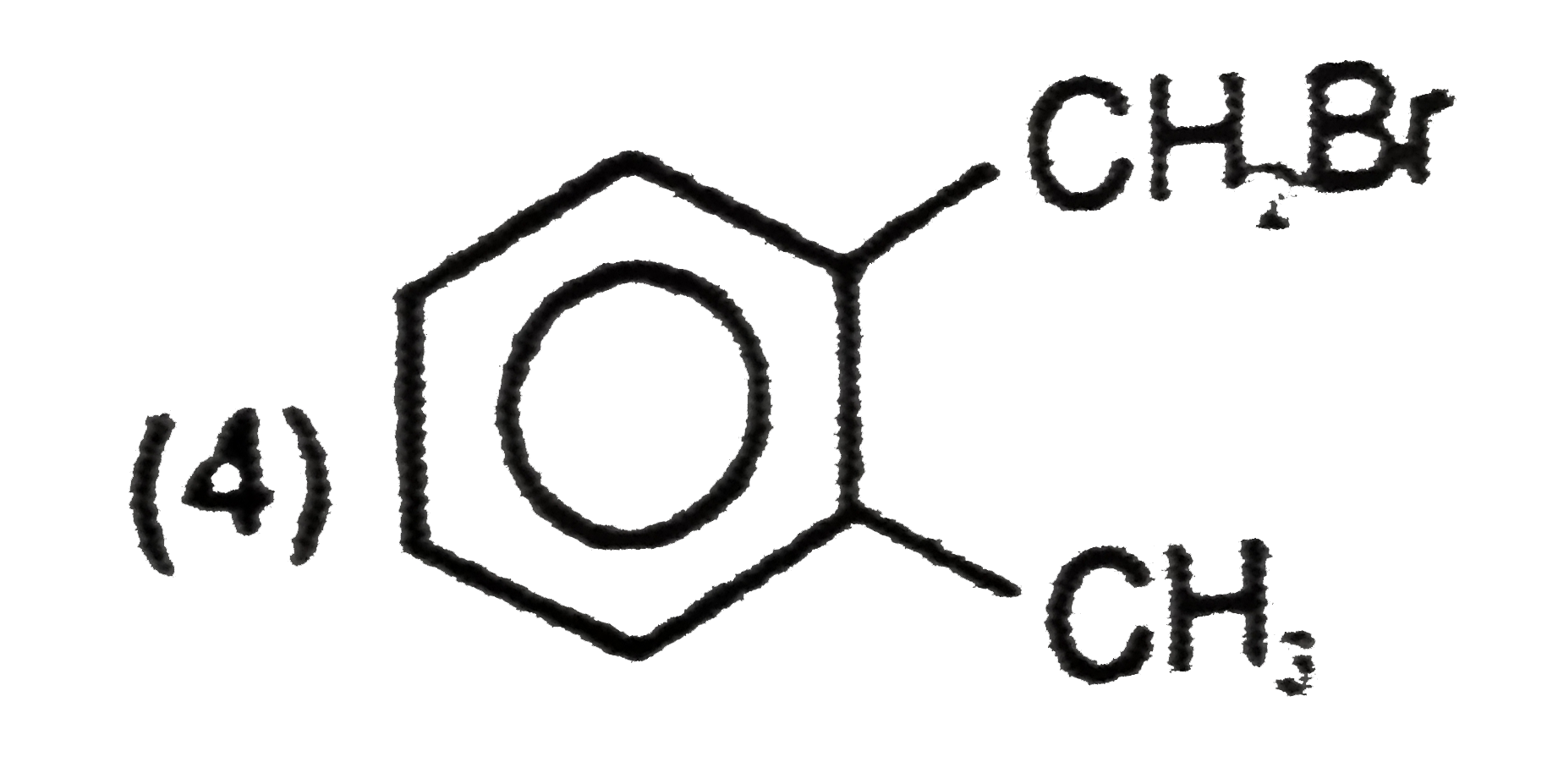
Compound (A)C_(7)H_(8)O is insoluble in aqueous NaHCO_(3) and dissolves in aqueous NaOH and gives a characteristic colour with neutral FeCl_(3) . When treated with Br_(2)(A) forms compound (B) C_(7)H_(5)O Br_(3). What could be the structure of compound (A) if neither dissolves in aq. NaHCO_(3) nor gives a characteristic colour with FeCl_(3)? |
|
Answer»
|
|
| 15. |
Compound (A)C_(7)H_(8)O is insoluble in aqueous NaHCO_(3) and dissolves in aqueous NaOH and gives a characteristic colour with neutral FeCl_(3) . When treated with Br_(2)(A) forms compound (B) C_(7)H_(5)O Br_(3). The most probable structure of compound A is : |
|
Answer»
|
|
| 16. |
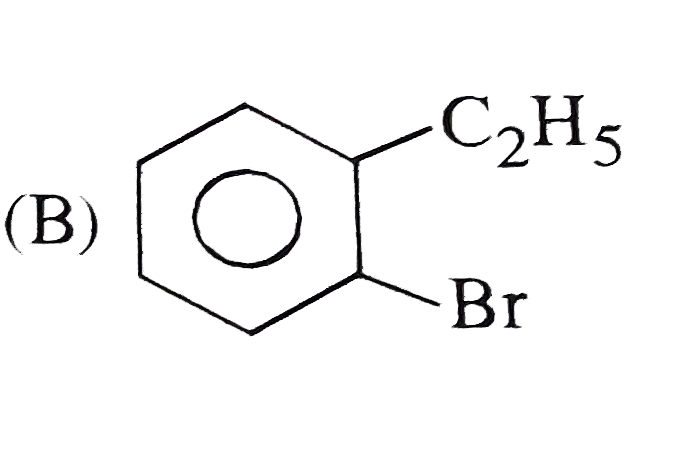
Compound (A)C_(7)H_(8)O is insoluble in aqueous NaHCO_(3) and dissolves in aqueous NaOH and gives a characteristic colour with neutral FeCl_(3) . When treated with Br_(2)(A) forms compound (B) C_(7)H_(5)O Br_(3). The structure of compound (B) would be : |
|
Answer»
|
|
| 17. |
Compound A(C_6H_(12)) does not absorb H_(2) in presence of Ni. It forms two monochloro isomers on photochemical chlorination . Its structure can be |
|
Answer»
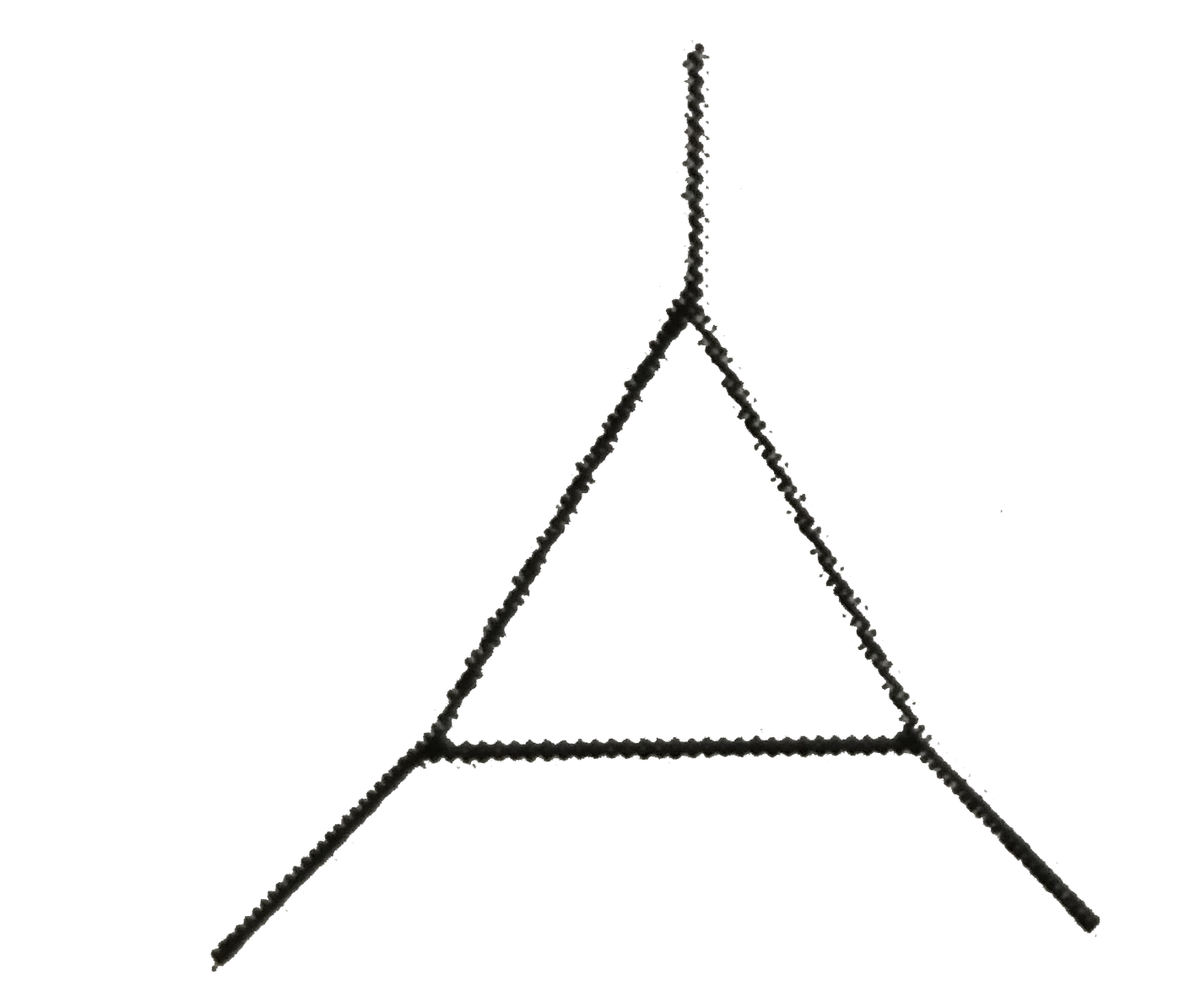 have two types of CHEMICALS different hydrogen ATOMS so it forms two monochlorol lisomers on photochemical chlornation. have two types of CHEMICALS different hydrogen ATOMS so it forms two monochlorol lisomers on photochemical chlornation.
|
|
| 18. |
Compound A(C_(3)H_(5)N) gives preripitate with Tollen's reagent and H_(2) gas is also evolvedon addition on Li metal. Compound A can be |
|
Answer» `CH_(3)-CH_(2)-C-=N` |
|
| 19. |
Compound A, which is a degradation product of the antibiotic vermiculine has following structure |
|
Answer»
It is ALSO obtained by rductive ozonolysis of `C (C_(11)H_(18)O_(2))`. |
|
| 20. |
Compound Aon oxidation with OsO_4 // NaIO_4 gives cyclo hexanedial. Structure of compound A will be : |
|
Answer»

|
|
| 21. |
Compound A is produced by absorbing dinitrogen trioxide in NA_(2)CO_(3) solution. Compound A is : |
|
Answer» `Na_(2)O` |
|
| 22. |
Compound 'A' is having water of crystallization by the number of: |
|
Answer» 10 |
|
| 23. |
Compound 'A' is found to contain 36.5 % Na,25.4 % S and 38.1 % O. Its molecular mass is 126. Calculate the molecular formula of the compound. The compound 'A' is easily oxidised to another compound 'B'. Calculate the percentage composition of 'B'. |
|
Answer» `{:("Element","Percentage","Atomic mass","Gram toms (Moles)","Atomic ratio (Molar ratio)","SIMPLEST whole no. ratio"),("Na",36.5,23,(36.5)/(23)=1.59,(1.59)/(0.79)=2,2),("S",25.4,32,(25.4)/(32)=0.79,(0.79)/(0.79)=1,1),("O",38.1,16,(38.1)/(16)=2.38,(2.38)/(0.79)=3,3):}` Empirical formula of the compound `= Na_(2)SO_(3)` Step II. Molecular formula of compound 'A' Empirical formula mass `= 2 xx 23 + 32 + 3 xx 16 = 126 u` Molecular mass = 126 u `n=("Molecular mass")/("Empirical formula mass")=(126)/(126)=1` `:.` Molecular formula of the compound `'A' = n xx` Empirical formula `= 1 xx Na_(2)SO_(3)=Na_(2)SO_(3)` Step III. Percentage composition of compound 'B' `underset((A))(Na_(2)SO_(3))overset([O])(rarr)underset((B))(Na_(2)SO_(4))` Molecular mass of `B = 2 xx 23+32 + 4 xx 16 = 142 u` Percentage of `Na = (46)/(142) xx 100 = 32.4 %` Percentage of `S = (32)/(142) xx 100 = 22.54 %` Percentage of `O = (64)/(142) xx 1000 = 45.07 %`. |
|
| 25. |
Compound 'A' is: |
|
Answer» `CaSO_(4).2H_(2)O` |
|
| 26. |
Compound (A) is: |
|
Answer» oxalate SALT (F) `Na_(2)S_(2)O_(3)` (H) `[Bi(S_(2)O_(3))_(3)]^(3-)` (X) `rarr HCOOH (C) H_(2)` (E) `Na_(2)SO_(3)` (G) `Bi_(2)(S_(2)O_(3))_(3)` (I) `Ag_(2)S_(2)O_(3)` (J) `Ag_(2)S` (K) `[Ag(S_(2)O_(3))_(2)]^(3-)` |
|
| 27. |
Compound 'A' gives red precipitate with Cu_(2)Cl_(2)//NH_(4)OH solution and decolourises bromine water. The compound 'A' can be |
|
Answer» `CH_(2)=CH-UNDERSET(O)underset(||)(C)-CH_(3)` |
|
| 28. |
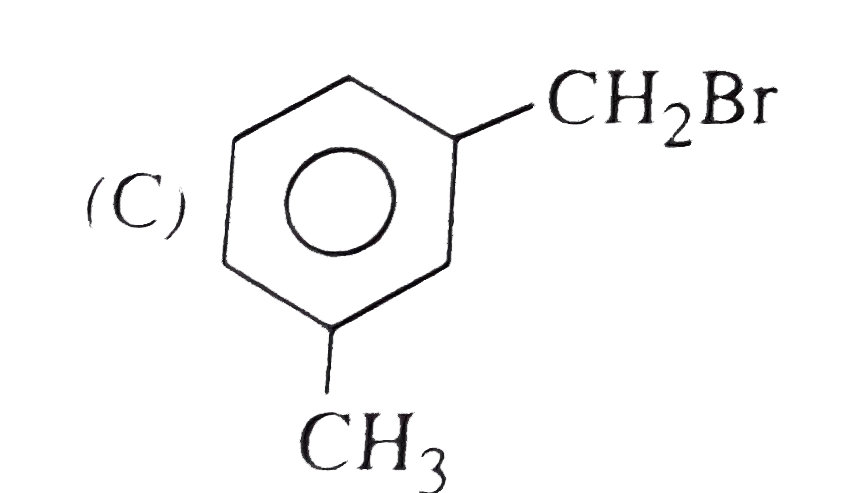
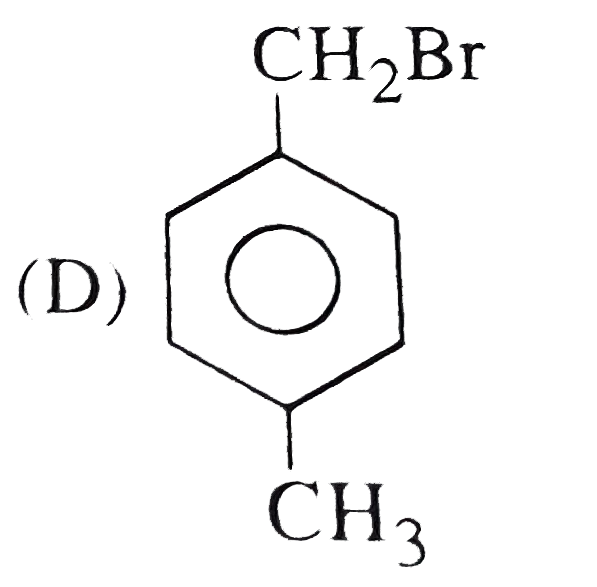
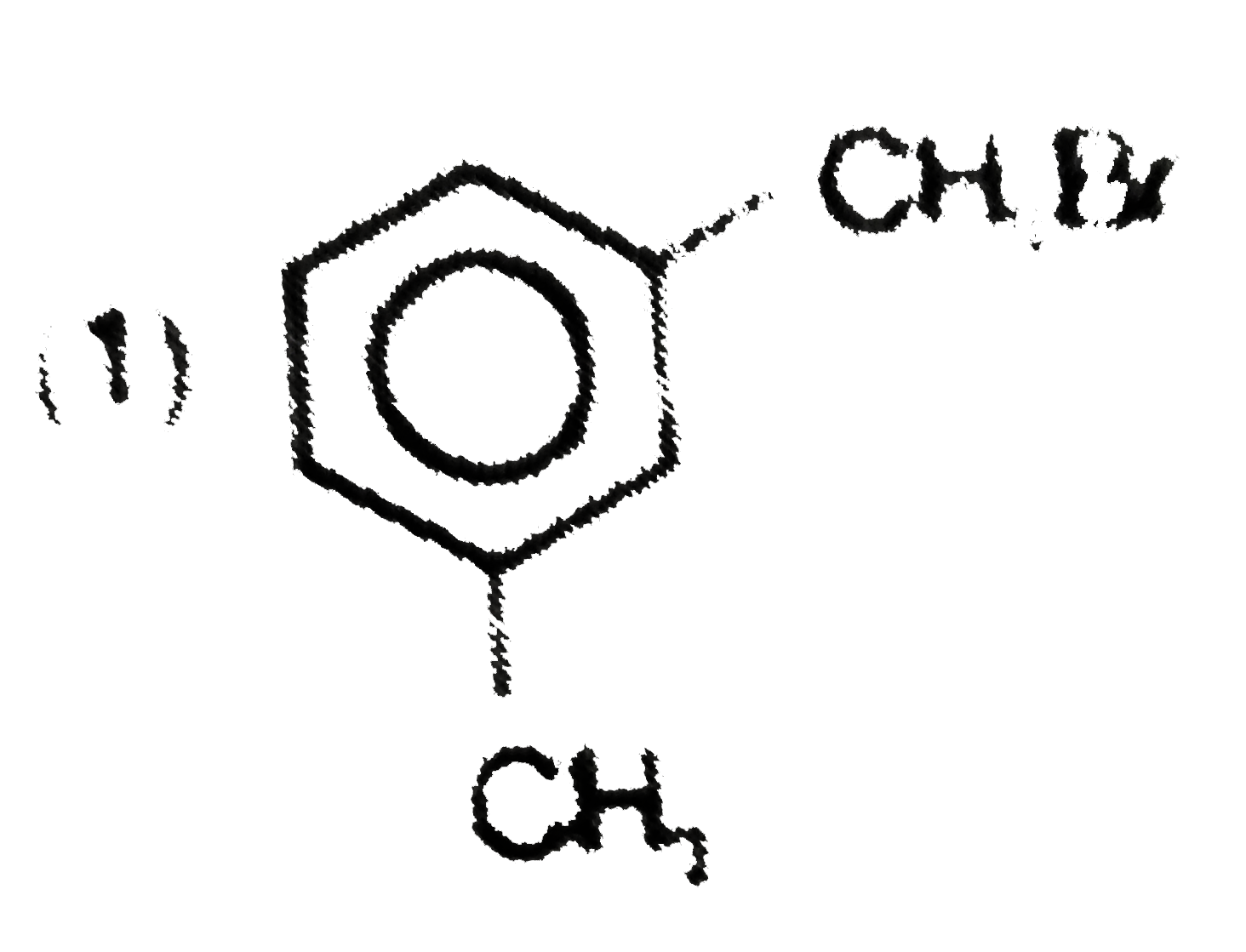
Compound (A) C_(8)H_(9)Br, gives a light yellow precipitate when warmed with alcoholic AgNO_(3) (B) easily form anhydride on heating. Identify the compound (A) |
|
Answer»
(A) is di-substituted `:.` option A is true 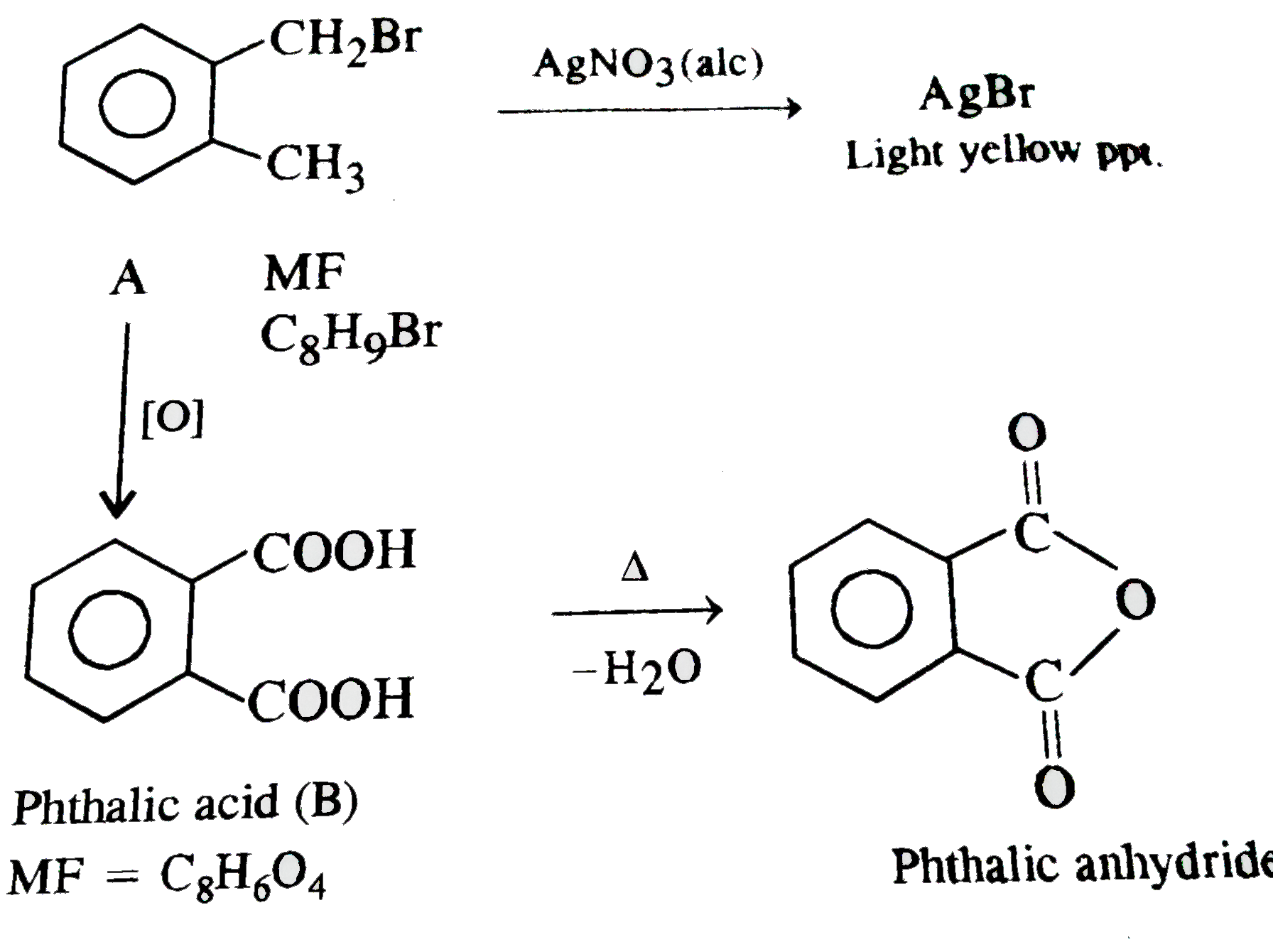
|
|
| 29. |
Compound (A) (C_8H_8O) on treatment with NH_2OH.HCI gives (B) and (C) rearrange to give (D) and (E), respectively, on treatment with acid. (B), (C),(D)and (E) are all isomers of molecular formula (C_8H_9NO) . When (D) is boiled with alcoholic KOH, an oil (F) (C_6H_7N) separates out. (F) reacts with CH_3COCI to give back (D). On the other hand. (E) on boiling with alkali followed by acidification gives a white solid (G) (C_7H_6O_2). Identify (A)to (G). |
Answer» SOLUTION :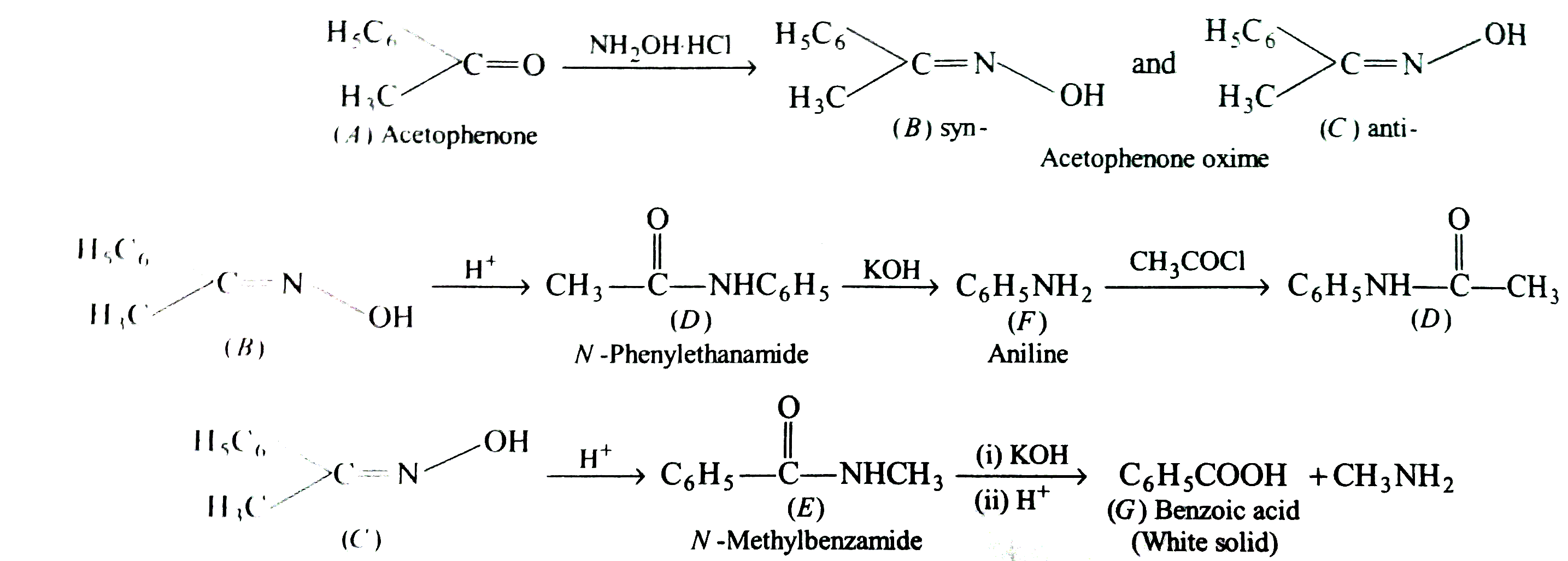
|
|
| 30. |
Compound (A), C_(6)H_(3)Br, gives a white precipitate when warmed with alcoholic AgNO_(3). Oxidation of (A) gives an acid (B). C_(6)H_(3)O_(4). (B) easily forms anhydride on on heating. Identify the compound (A). |
|
Answer»
|
|
| 31. |
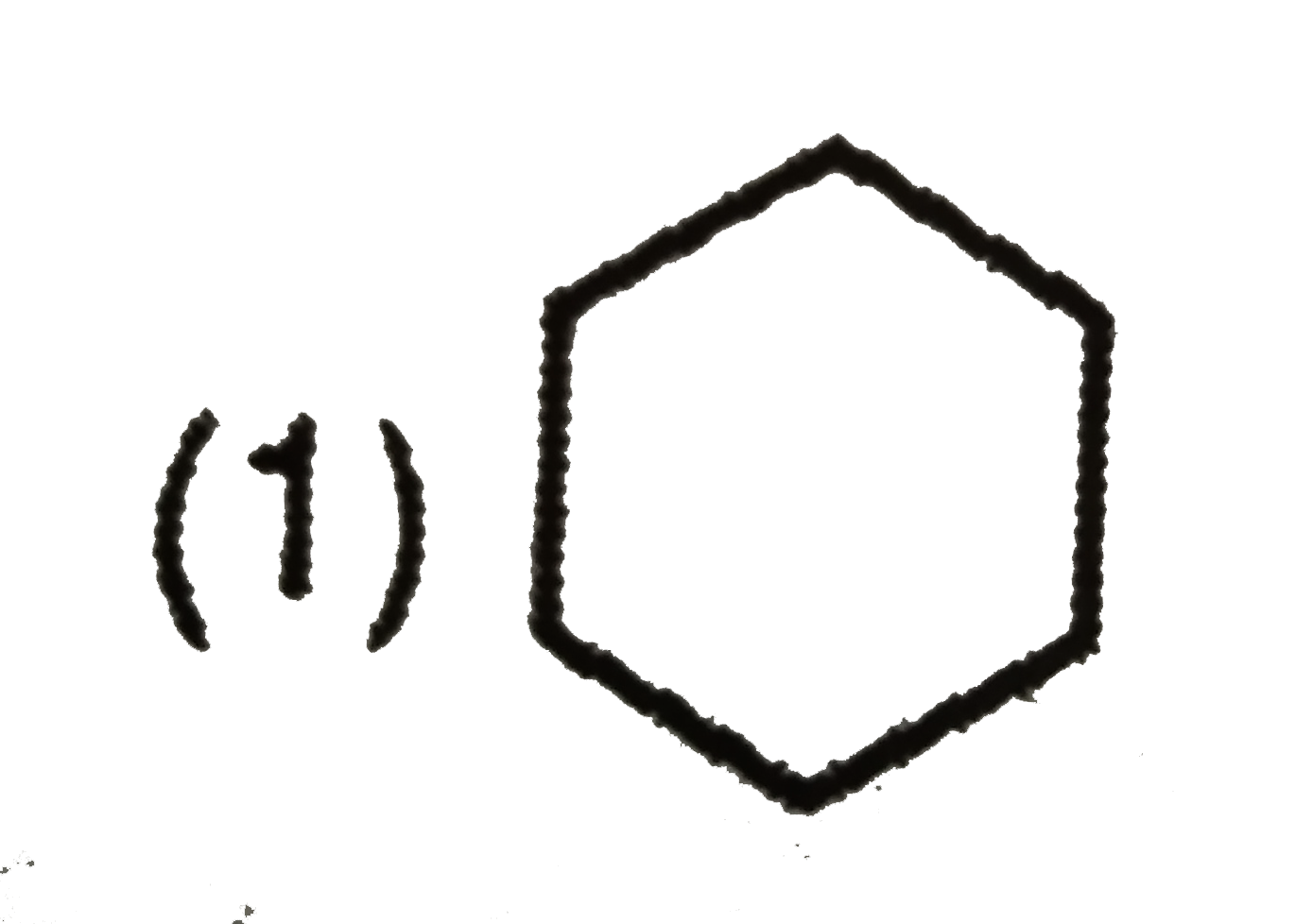
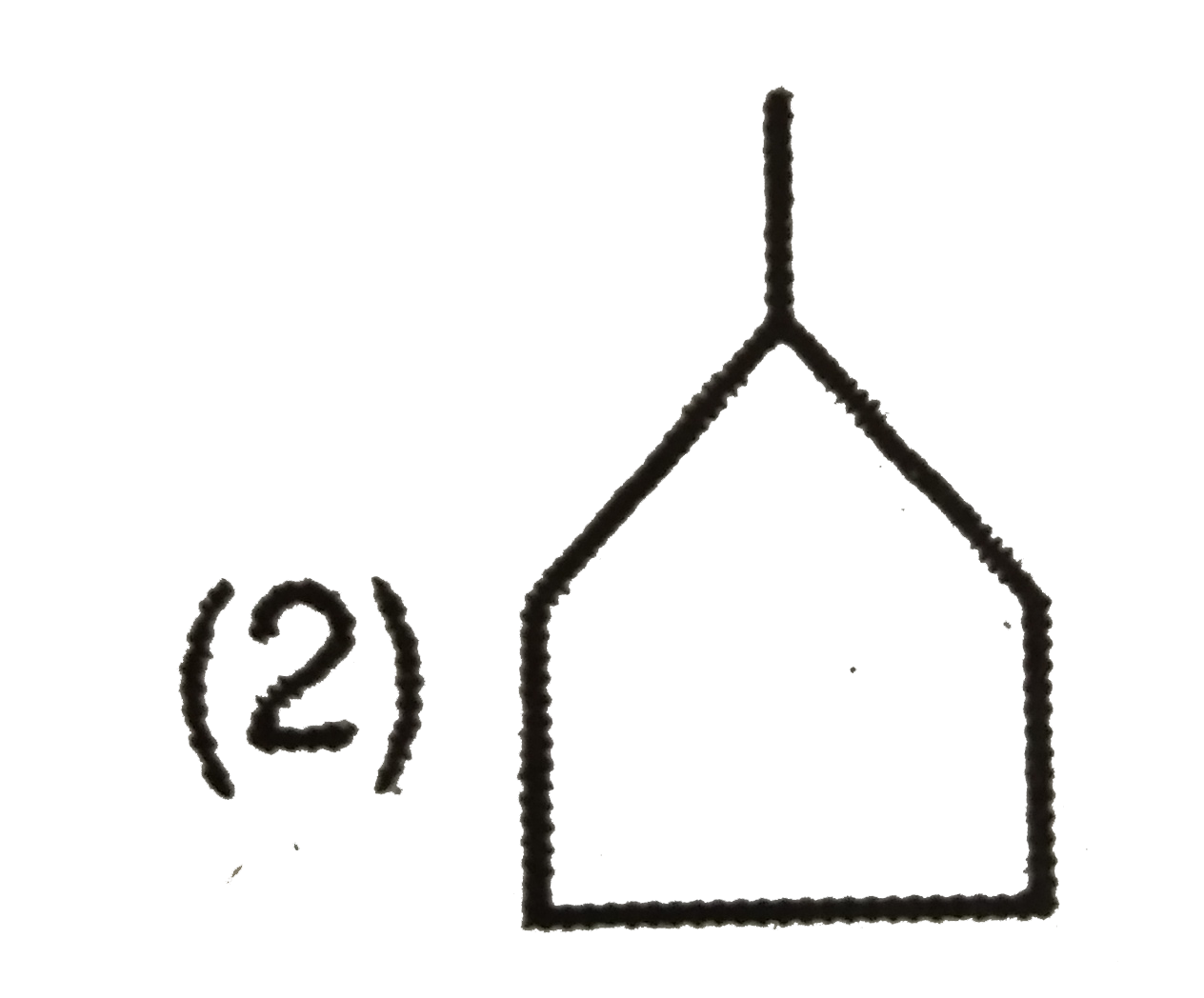
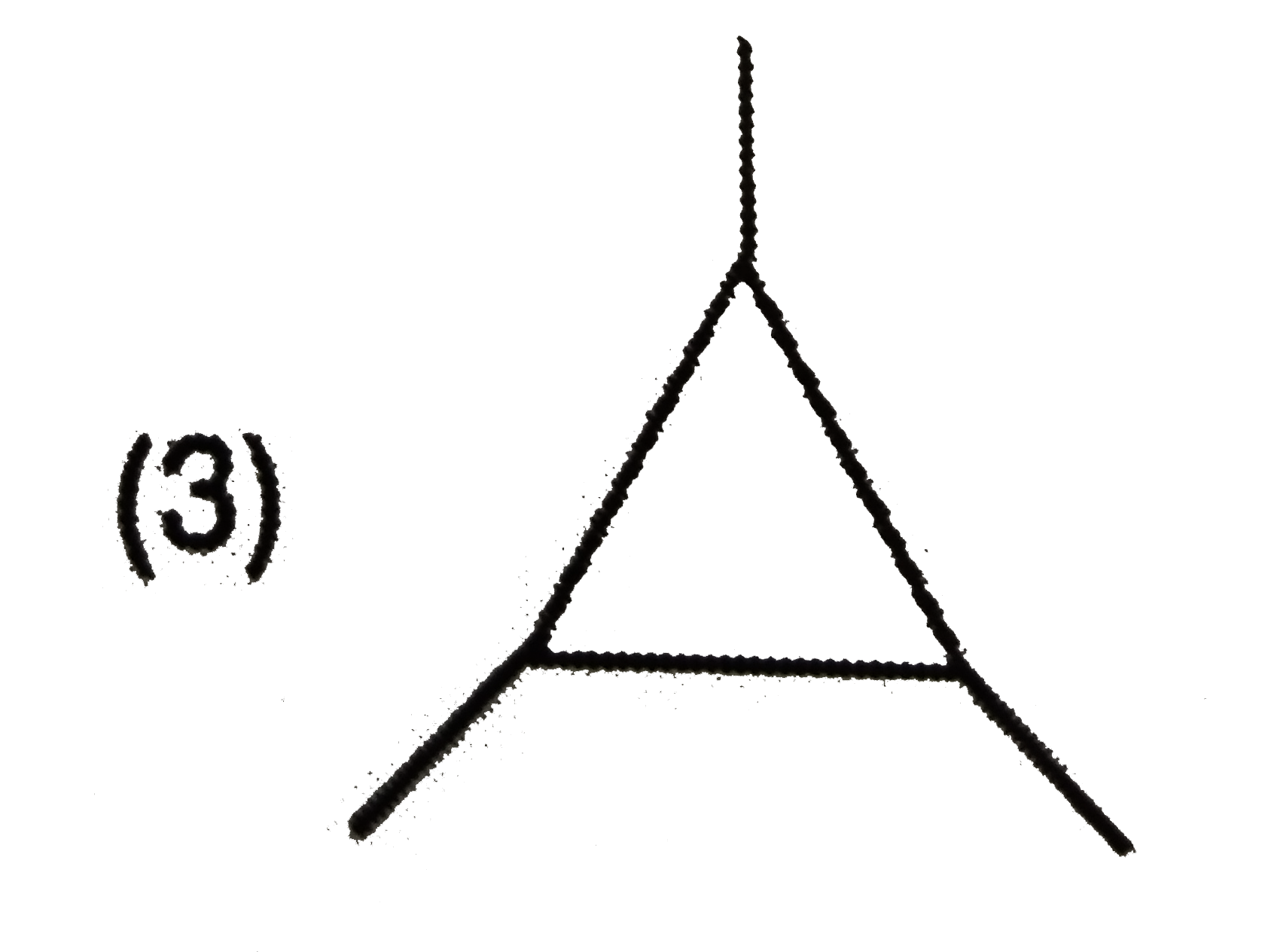
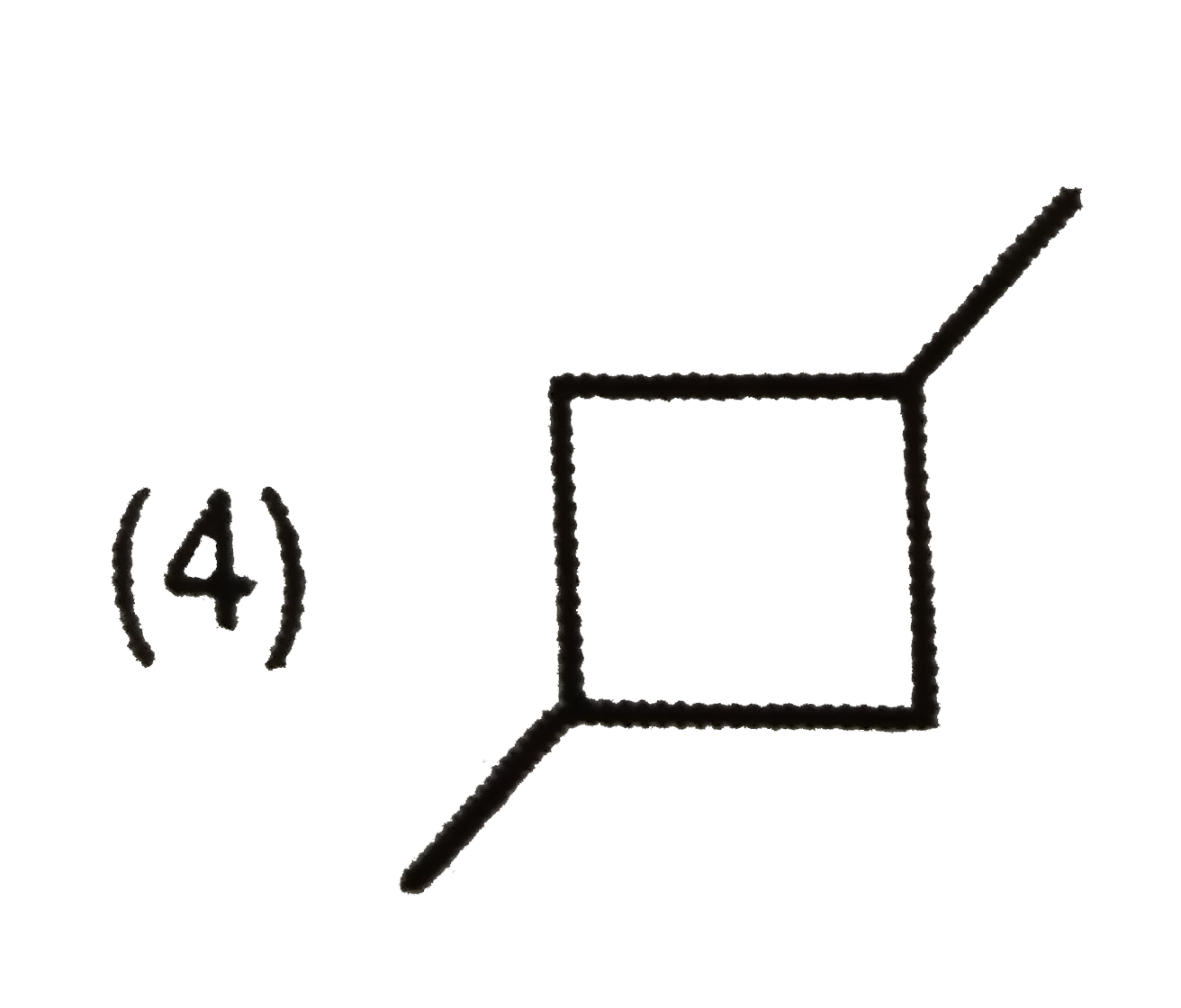
Compound (A) C_5H_(10) does not dissolve in cold dil. H_2SO_4. What is (A) ? |
|
Answer»
|
|
| 32. |
Components of rectified spirit cannot be separated by distillation because |
|
Answer» it FORMS an Azeotropic mixture |
|
| 33. |
Compolete the following equations : (i) Na_(2)O_92)+ 2H_(2) O to (W) +H_(2)O_(2) (ii) 2KO_(2)+2H_(2)O to (X) +(Y) +O_(2) (iii) Na_(2) O+ CO_(2)to (Z). |
|
Answer» `{:(W, X , Y , Z) , (4Na, K_(2)O , H_(2)O_(2) , Na_(2)CO_(3)):}` `2KO_(2)+ 2H_(2)O to underset((X))(2KOH)+ underset((Y))(H_(2)O_(2))+ O_(2)` `Na_(2) O+CO_(2) to underset((Z))(Na_(2) CO_(3))` |
|
| 35. |
Complete the reactions and identify the products. CH_(3) - underset(underset(OH)(|))(CH) - CH_(3) overset(H^(+)//K_(2)Cr_(2)O_(7))rarr A overset((O))rarr B |
Answer» SOLUTION :
|
|
| 36. |
Complete the reactions and identify the products. |
Answer» SOLUTION :
|
|
| 37. |
Complete the reaction: Zn(s)+2H^(+)(aq)to |
|
Answer» |
|
| 38. |
Complete the reaction: C(s)+H_(2)O(g)overset(Delta)(to) |
|
Answer» |
|
| 39. |
Complete the reaction: CO(g)+H_(2)O(g)overset(Delta)(to) |
|
Answer» |
|
| 40. |
Complete the reaction, C CI_(4) |
Answer» SOLUTION :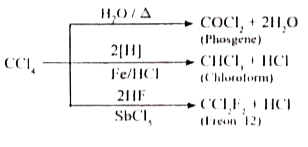
|
|
| 41. |
Complete the reaction ,C_2H_5NH_2 overset(C_2H_5Br)underset(-HBr)to ? overset(C_2H_5Br)underset(-HBr)to ? overset(C_2H_5Br)underset(-HBr)to? |
| Answer» Solution :`underset(I^(@)-amine)(C_2H_5NH_2)overset(C_2H_5Br)underset(-HBR)to underset(2^(@)-amine)((C_2H_5)NH) overset(C_2H_5Br)underset(-HBr)to underset(3^(@)-amine)((C_2H_5)N)overset(C_2H_5Br)underset(-HBr)tounderset("quarternary AMMONIUM salt")((C_2H_5)_4N^(+)BR)` | |
| 42. |
Complete the reaction as follows. Pyrolysis of kerosene : |
| Answer» Solution :`UNDERSET("kerosene")underset("Dodecane")(C_(12)H_(26)) underset("PD, Pt, Ni")overset("Pyrolysis 973K")rarr underset("Alkane")underset("HEPTANE")(C_(7)H_(16))+underset("Alkene")underset("Pentene")(C_(5)H_(10))+"other products"` | |
| 43. |
Complete the reaction as follows. n-Hexane overset("Aromatization")rarr |
Answer» SOLUTION :
|
|
| 44. |
Complete the reaction as follows. Pyrolysis of hexane : |
Answer» SOLUTION :
|
|
| 45. |
Complete the reaction as follows. Oxidation 2-methylpropane reaction : |
| Answer» Solution :`underset("2-methaylpropane")((CH_(3))_(3)CH) underset(+(O))overset(KMnO_(4))rarr underset("2-methaylpropane-2-ol")((CH_(3))_(3)C-OH)` | |
| 46. |
Complete the reaction as follows. Liberation of dihydrogen gas reaction : |
| Answer» Solution :`underset("Methane")(CH_(4(G))) + underset("STEAM")(H_(2)O_((g))) underset(1273K)OVERSET(NI)rarr underset("monoxide")underset("Carbon")(CO_((g))) + underset("DIHYDROGEN")(3H_(2(g)))` | |
| 47. |
Complete the reaction as follows. n-Heptane overset("Aromatization")rarr |
Answer» SOLUTION :
|
|
| 48. |
Complete the reaction as follows. Incomplete combustion of methane : |
| Answer» Solution :`underset("METHANE")(CH_(4(G))) + O_(2(g)) underset("combustion")OVERSET("INCOMPLETE")rarr C_((s)) + underset("Carbon")(2H_(2)O_((l)))` | |
| 49. |
Complete the reaction as follows. Controlled chlorination of ethane : |
| Answer» Solution :`underset("Ethane")(CH_(3))-CH_(3)+Cl_(2) overset(HV)RARR underset("Chloroethane")(CH_(3)-CH_(2)Cl)+HCl` | |