Saved Bookmarks
This section includes 7 InterviewSolutions, each offering curated multiple-choice questions to sharpen your Current Affairs knowledge and support exam preparation. Choose a topic below to get started.
| 1. |
Geometrical isomers differ in |
|
Answer» POSITION of FUNCTIONAL group |
|
| 2. |
Geometrical isomerism results because molecules has : |
|
Answer» a centre of symmetry |
|
| 3. |
Geometrical Isomerism Molecules having same molecular formula but differing in the orientation of atoms in a space due to resistricted rotation. Compound which do not exhibit geometric isomerism |
|
Answer» ether |
|
| 4. |
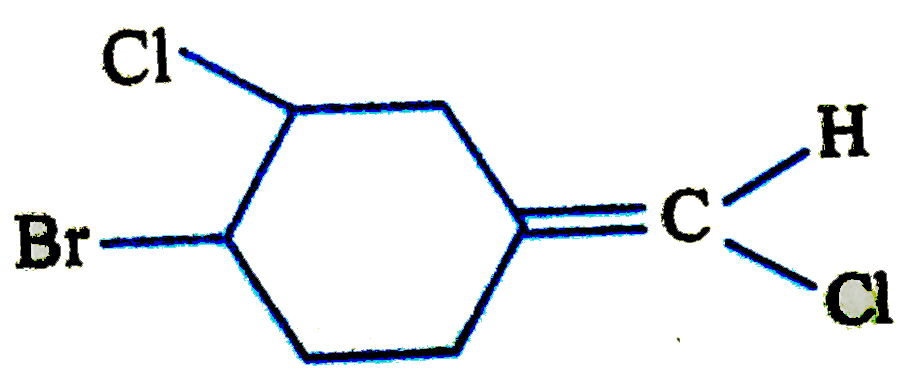
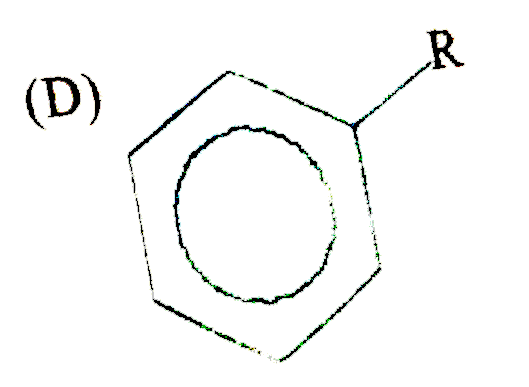
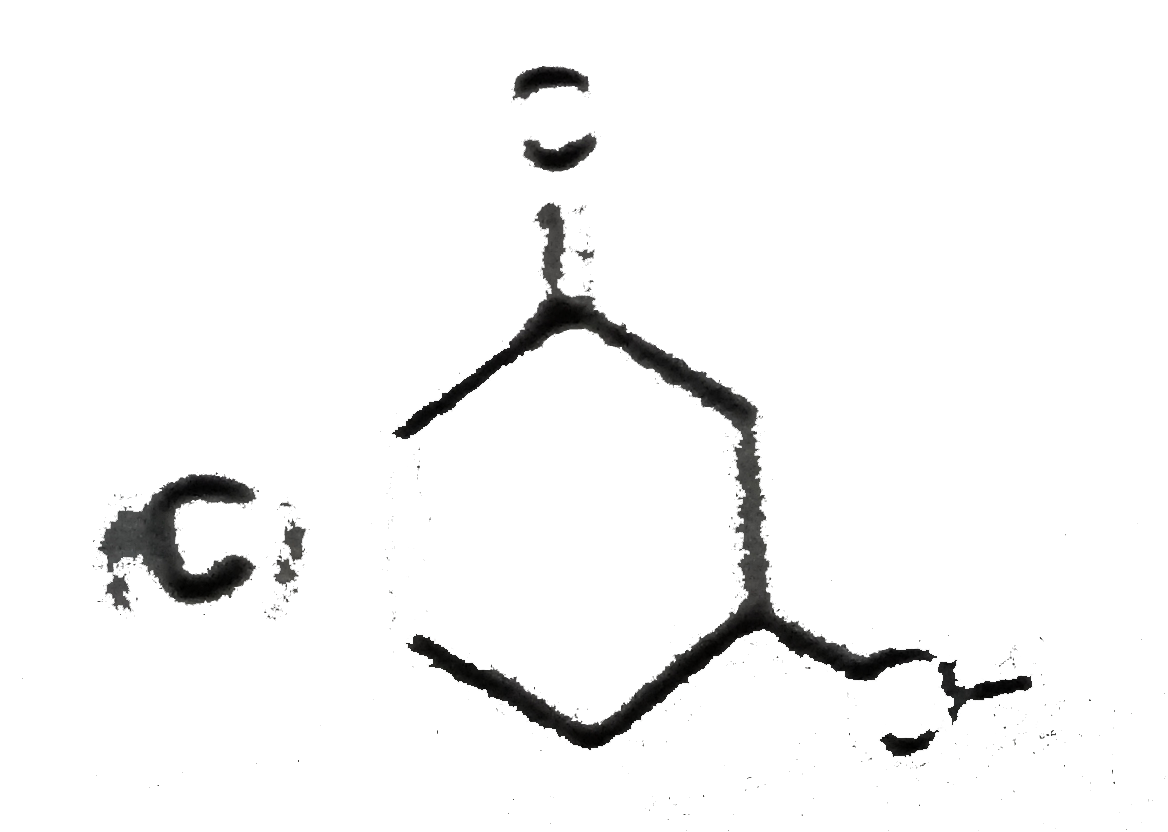
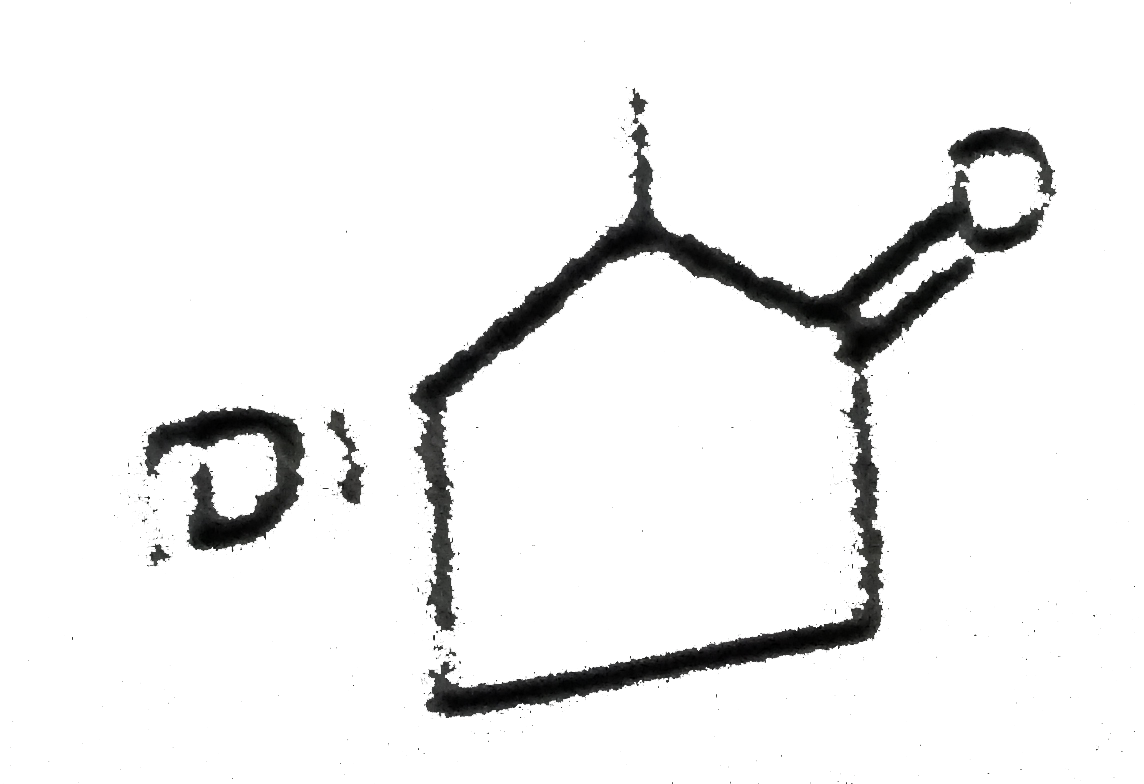
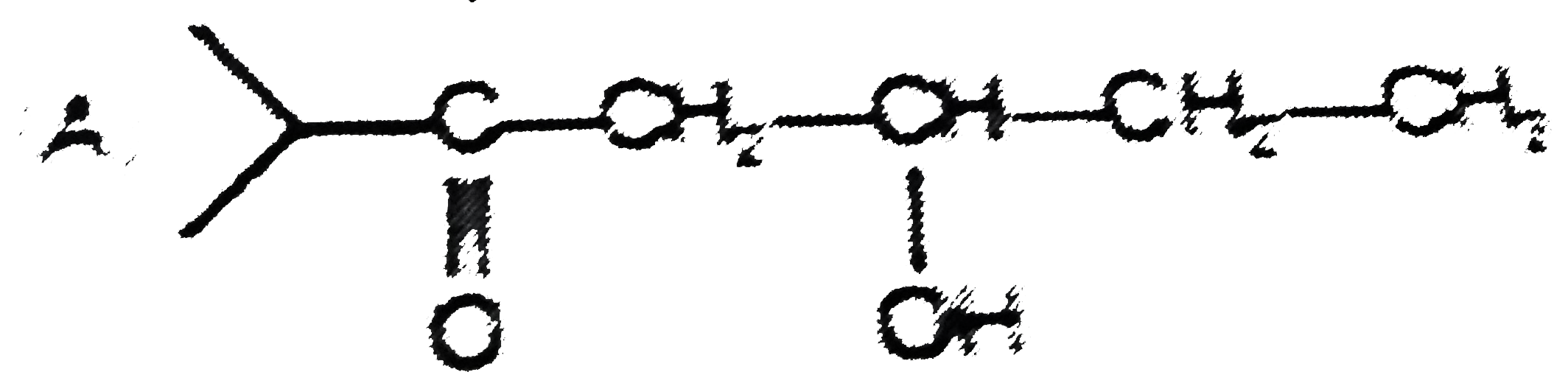
Geometrical isomerism is shown by |
|
Answer»
|
|
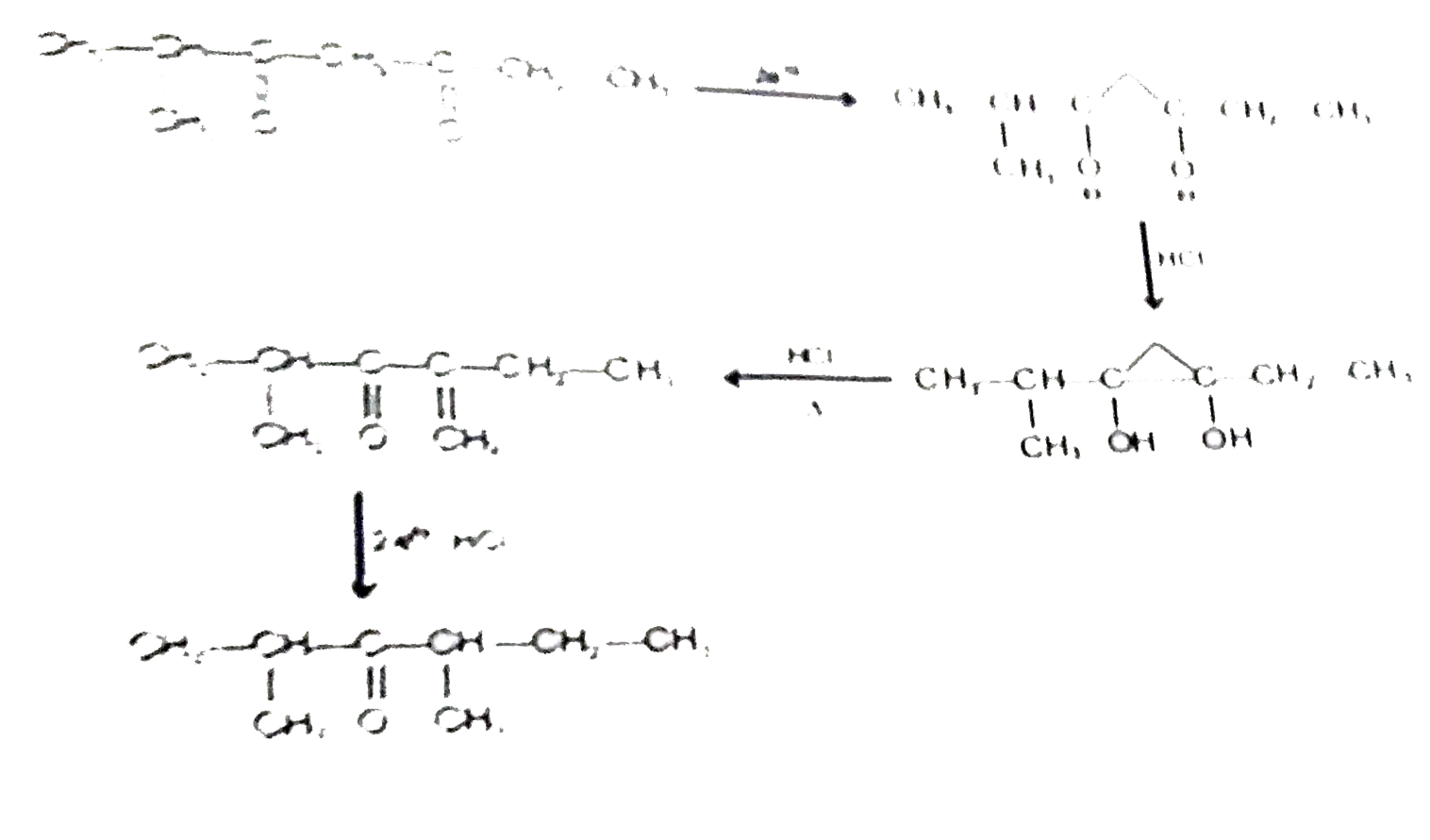
| 5. |
Geometrical isomerism is possible in: |
|
Answer» isobutene  can SHOW GEOMETRICAL ISOMERISM |
|
| 6. |
Geometrical isomerism is possible in : |
|
Answer» FORMALDEHYDE hydrozone |
|
| 7. |
Geometrical isomerism is possible about which of the following multiple bonds? |
|
Answer» `C = N` |
|
| 8. |
Geometrical isomerism is not shown by |
|
Answer» `(CH_3CH_2)_2C = C - undersetoverset(|)(CH_3)(C )H_2CH_3` |
|
| 9. |
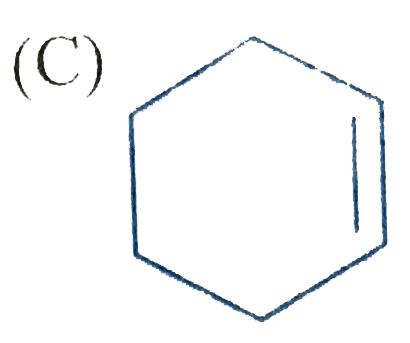
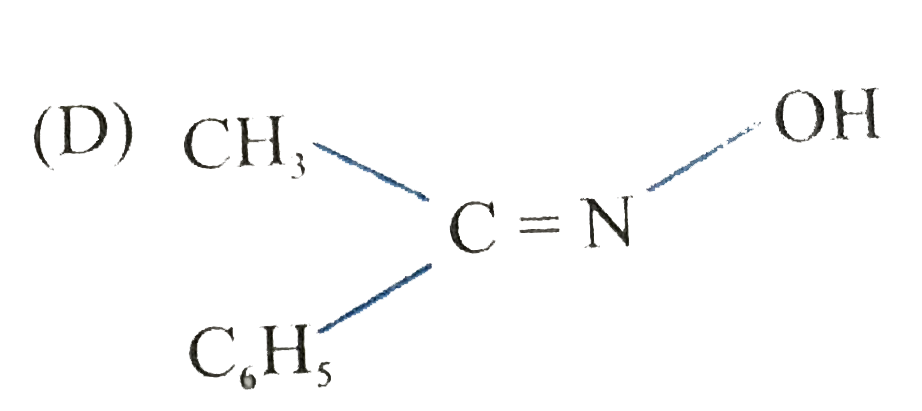
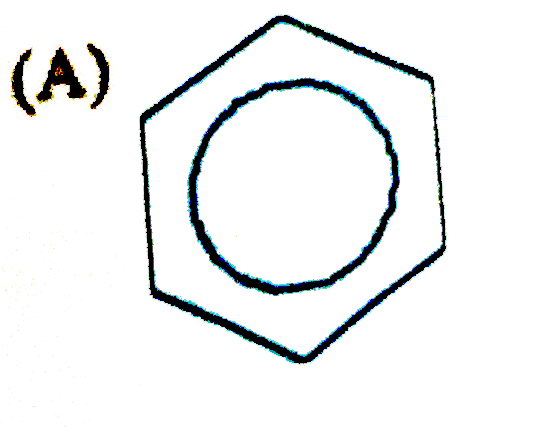
Geometrical isomerism is not possible in |
|
Answer» 2,4-hexadiene 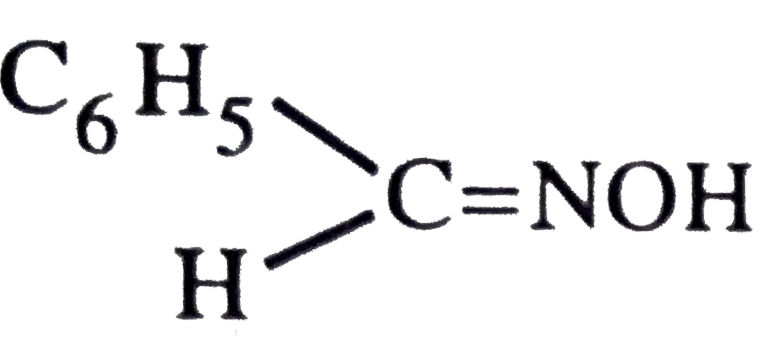 shows geometrical isomerism around C=N bond. shows geometrical isomerism around C=N bond.`CH_3CH = CHCH_3` and ClCH=CHCl SHOW geometrical isomerism around C =C bond 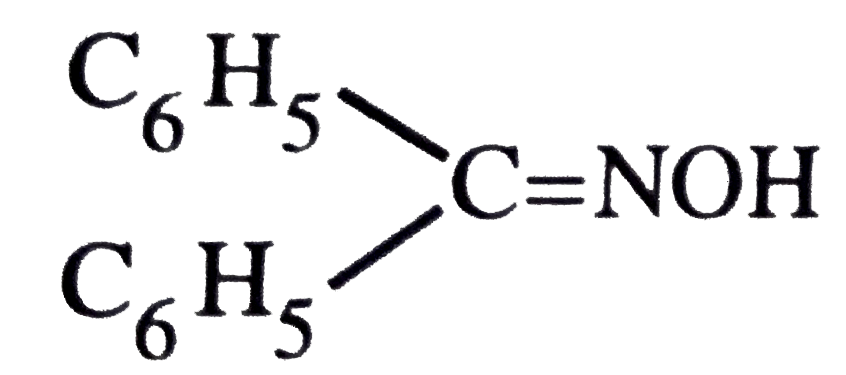 Benzophenone oxime having TWO identical GROUPS on the doubly bonded carbon does not show geometrical isomerism. Benzophenone oxime having TWO identical GROUPS on the doubly bonded carbon does not show geometrical isomerism.
|
|
| 10. |
Geometrical isomerism is caused |
|
Answer» by RESTRICTED rotation around C=C bond |
|
| 11. |
Geometrical isomerism CH_(3)-(CH_2)_(3)-O-CH_(3), CH_(3)-CH_(2)-O-CH_(2)-CH_(2)-CH_(3) CH_(3)-underset(CH_(3)underset(|)"CH"-OCH_(2)-CH_(3) is |
|
Answer» POSITION ISOMERISM |
|
| 12. |
geomerical isometism happens due to.......... around p bond |
|
Answer» |
|
| 13. |
Genetic information containing molecules is known as….. |
| Answer» SOLUTION :DNA (deoxynucleic ACID) | |
| 15. |
Generally the melting points of isomeric alkanes decreases with branching but among isomeric pentanes, neopentane with two branches has the highest melting point. Why is it so ? Explain. |
| Answer» SOLUTION :The reason being that neopentane is highly SYMMETRICAL . As a result, it fits CLOSELY in the LATTICE thereby INCREASING the forces of attraction and hence the melting point. | |
| 17. |
Generally the ionisation potential in a period increases, but there are some exceptions. The one which is not an exception is |
|
Answer» Be & B |
|
| 18. |
Generally solids sink into water but ice floats on water. Explain why ? |
| Answer» SOLUTION :Ice floats on water because it has lower densit than water. The reason for lower density is that in ice, `H_(2)O` molecules are linked together through hydrogen bonds LEAVING large vacant spaces INBETWEEN giving it a cage-like structure which occupies large volume. | |
| 19. |
Generallythe firstionizationenergyincreases along aperiod.Butthere aresome exceptions. One whichis not anexception is |
|
Answer» N andO Howeverin case of Naand Mgionizationenthalpyincreasesas teh nuclearchargeincreases. Thereforeoption (b ) is correct. |
|
| 20. |
Generally rate of the reaction depends on the concentration of |
|
Answer»
|
|
| 21. |
Generally it is more difficult to purify organic compounds than inorganic compounds because |
|
Answer» They are quite unstable |
|
| 22. |
Generally liquid drops assume spherical shape because |
|
Answer» A SPHERE has MAXIMUM surface area |
|
| 23. |
Generally, during the clemmenson reduction gt C=O group converts into gt CH_(2) after reacting with (conc. HCl+Zn-Hg). But in case of beta-diketo compounds, its give unexpected products. Product (X), (X) will be : |
|
Answer»

|
|
| 24. |
Generally, during the clemmenson reduction gt C=O group converts into gt CH_(2) after reacting with (conc. HCl+Zn-Hg). But in case of beta-diketo compounds, its give unexpected products. |
|
Answer»
|
|
| 25. |
Generalised Friedel craft acylation is observed |
|
Answer»
|
|
| 27. |
General electronic configuration of outermost orbit of d-block element is … |
|
Answer» `(N -1) d^(1-10) ns^(1-2)` |
|
| 28. |
General Characteristics of the Compounds of the Alkali Metals. |
|
Answer» Solution :On combustion in excess of air, lithium forms mainly the oxide, `Li_(2)O`(plus some peroxide `Li_(2)O_(2)`), sodium forms the peroxide, `Na_(2)O_(2)` (and some superoxide `NaO_(2)` ) whilst potassium, rubidium and caesium form the superoxides, `MO_(2)` . Under appropriate conditions pure compounds `M_(2)O, M_(2)O_(2) and MO_(2)` may be prepared. The increasing stability of the peroxide or superoxide, as the SIZE of the metal ion INCREASES, is due to the stabilisation of large anions by LARGER cations through lattice energy effects. These OXIDES are easily hydrolysed by water to form the hydroxides. The oxides and the peroxides are colour less when pure, but the superoxides are yellow or orange in colour. The superoxides are also paramagnetic. Sodium peroxide is widely USED as an oxidising agent in inorganic chemistry. |
|
| 29. |
Gelatin is often used as an ingredient in the manufacture of ice cream of |
|
Answer» CAUSING mixture to solidify |
|
| 30. |
Gd(64) has ………..Unpairedelectronswithsum of spin……… |
|
Answer» Solution :E.C. of Gd (Z=64)is `[Xe] 4f^(7)5d^(1)6S^(2)` Thus , it has 8 UNPAIRED electrons and sumof spins of 8unpairedelectrons`=8 xx (1)/(2)= 4` |
|
| 31. |
Gay Lussac's Law of Gaseous Volumes. |
|
Answer» Thus,100 mL of hydrogen combine with 50 mL of oxygen to give 100 mL of water VAPOUR. `{:("Hydrogen",+,"Oxygen",rarr,"Water",),(100mL,,50 mL,,100 mL,):}` Thus, the volumes of hydrogen and oxygen which combine together (i.e. 100 mL and 50 mL) BEAR a simple ratio of 2 : 1. Gay-Lussac.s discovery of integer ratio in volume relationship is actually the law of definite proportions by volume and stated earlier, was with RESPECT to mass. |
|
| 33. |
Gastric juice contains about 3.0 g HCI per litre. If a person produces about 2.5 L of gastric juice per day, how many antacid tablets each containing 400 mg of Al (OH)_3 are needed to neutralise all the HCI produced in one day. |
|
Answer» |
|
| 34. |
Gasoline is obatined from crude petroleum oil by its |
|
Answer» FRACTIONAL distilation |
|
| 35. |
Gasoline has an enthalpy of combustion 24000 kJ/mol gallon. When gasoline burns in an automobile engine, approximately 30% of the energy released is used to produce mechanical work. The remainder is lost as heat transfer to the engine's cooling system. As a start on estimating how much heat transfer is required, calculate what mass of water could be heated from 25^(@)C to 75^(@)C by the combustion of 1.0 gallon of gasoline in an automobile?(Given : C(H_(2)O)=4.18 J//g^(@)C) |
|
Answer» 34.45 KG `=(24 XX 10^(6)xx0.7)//(4.18xx50)` `=80383 " gor"80.383 " kg"` |
|
| 36. |
The table indicates the value of vander Waal's constant a in L^(2)atm mol 2. The gas which can most easily be liquefied is ? |
|
Answer» `O_2` |
|
| 37. |
Gases tend to behave non-ideally at low temperatures and high pressures. The deviation from ideal behaviour can be explained by considering two types of corrections. They are volume correction and pressure correction. Which assumption of kinetic theory is not followed when a real gas shows non-ideal behaviour ? |
|
Answer» Gas molecules move at random with no attractive forces between them |
|
| 38. |
Gases tend to behave non-ideally at low temperatures and high pressures. The deviation from ideal behaviour can be explained by considering two types of corrections. They are volume correction and pressure correction. Following represents equation of state for a mules of real gas[P + (n^2a)/(V^2)][V-nb] = nRT.Select incorrect statement for a real gas |
|
Answer» Constant 'a' is a measure of force of ATTRACTION among gas molecules |
|
| 39. |
Gases tend to behave non-ideally at low temperatures and high pressures. The deviation from ideal behaviour can be explained by considering two types of corrections. They are volume correction and pressure correction. Select incorrect statement(s) : |
|
Answer» Volume CORRECTION is due to finite size of molecules and pressure correction is due to force of ATTRACTION between molecules. |
|
| 40. |
Gases SO_(2), NH_(3) and C_(2)H_(6) are filled in a closed container at 298 K temperature. If a small hole is made in the container, what will be the correct order of partial pressure of gases after 2 hours. (Atomic weight of S = 32 g, N = 14 g , C = 12 g , H = 1 g) |
|
Answer» <P>`P_(NH_(3))LT P_(C_(2)H_(6))lt P_(SO_(2))` |
|
| 41. |
Gases show ideal gas behaviour at |
|
Answer» high PRESSURE and high temperature |
|
| 42. |
Gases responsible for acid rain are |
|
Answer» No and `NO_(2)` |
|
| 43. |
Gases possess characteristic critical temperatureswhichdepend upon the magnitude of intermolecular forces between the gas particles. Critical temperatures of ammonia and carbon dioxide are 405.5 K and 304.10 Krespectively. Which of these gases wil liquefy first when you start cooling from 500 K to their critical temperature ? |
| Answer» Solution :Higher the critical temperature, more easily the gas liquesfies. As `NH_(3)` has higher critical temperature, on cooling down from 500 K, the critical temperature of `NH_(3)` will be REACHED first. Hence, `NH_(3)` will be liquefied first `CO_(2)` will be liquefied only on further cooling. | |
| 44. |
Gases possess characteristic critical temperature which depends upon the magnitude of intermolecular forces between the gas particles. Critical temperatures of ammonia and carbon dioxide are 405.5 K and 304.10 K respectively. Which of these gases will liquify first when you start cooling from 500 K to their critical temperature ? |
| Answer» Solution :Ammonia will liquify first because its critical TEMPERATURE will be reached first. Liquifraction of `CO_(2)` will REQUIRE more cooling. | |
| 45. |
Gases posses characteristic critical temperature which depends upon the magnitude of intermolecular forces upon the magnitude of intermolecular forces between the particles. Following are the critical temperature of some gases. {:("Gases",H_(2),He,O_(2),N_(2)),("Critical temperature",,,,),("in Kelvin",33.2,5.3,154.3,126):} From the above data what would be the order of liquefaction of these gases ? Start writing the order from the gas liquefying first |
|
Answer» `H_(2).He,O_(2),N_(2)` |
|
| 46. |
Gases don't settle at the bottom of a container? |
| Answer» SOLUTION :GASES by definition are the least dense state of matter. They have negligible intermolecular forces of attraction. So they are all free to roam separately. So the least dense gas PARTICLES will not sink at the BOTTOM of a container. | |
| 47. |
Gases deviate from ideal behavior at high pressure. Which of the following statement(s) is correct for non-ideality? |
|
Answer» at high pressure the collision between the gas molecule become enormous |
|
| 48. |
Gases deviate from ideal behavior at high pressure which of the following is correct for non-ideallty? |
|
Answer» At HIGH pressure the collision between the gas molecule BECOME enormous |
|
| 49. |
Gases deviate from behavior at high pressure. Which of the following statement(s) is correct for non-ideality? |
|
Answer» at hgih pressure the COLLISION between the GAS molecule become enormous |
|
| 50. |
Gases best follow the facts given below A) An ideal gas obeys the mathematical relation PV=nRT B) Rates of diffusion of two gases are in the reciprocal ratio of square roots of their molecular weight C) Total pressure of a mixture of non reacting gases is given by the algebric sum of their partial pressure What is the mass of water vapour in 1 m^3 of air with 0.4 relative humidity at 300K? (Aqueous tension at 300K = 3.6 K Pa) |
|
Answer» 22.12 gm |
|