Saved Bookmarks
This section includes 7 InterviewSolutions, each offering curated multiple-choice questions to sharpen your Current Affairs knowledge and support exam preparation. Choose a topic below to get started.
| 1. |
Draw figure of framwork model, ball and stick model and space filling model of methane. |
Answer» SOLUTION :
|
|
| 2. |
Draw diagrams showing the formation of a double bond and a triple bond between carbon atoms in C_(2) H_(4) and C_(2) H_(2) molecules. |
|
Answer» Solution :In `C_(2) H_(4)` (Ethene) one C - C `sigma` BOND one C-C`PI` bond is there. In `C_(2) H_(2)` (Ethyne ) Triple bond FORM bond two carbon. 
|
|
| 3. |
Draw cis trans isomers for the followingcomounds (a) 2 lchoro 2 butene (b) CH_(3)-CH=CH-CH_(2)-CH_(3) |
Answer» SOLUTION :
|
|
| 4. |
Draw cis and trans isomers of the following compounds. Also write their IUPAC names : (i) CHCl = CHCl (ii) C_(2)H_(5)C CH_(3) = C CH_(3)C_(2)H_(5) |
Answer» Solution :(i) Isomers of CHCl = CHCl :  (ii) STEREO isomers of `C_(2)H_(5)C CH_(3) = C CH_(3)C_(2)H_(5)` and its NAMES as FOLLOWS.  
|
|
| 5. |
Drawdiagram for sigma p-p overlapping. |
Answer» SOLUTION :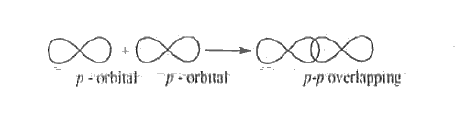
|
|
| 6. |
Draw cis and trans structures of CHBr=CHBr |
Answer» SOLUTION :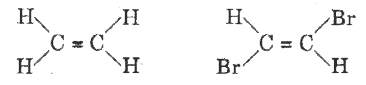
|
|
| 7. |
Draw bond line formulas of all the cyclic compoundshaving molecular formula C_(5)H_(10) and give their IUPAC names |
Answer» SOLUTION :FIVE ISOMERS are PREDICTED. 
|
|
| 8. |
Draw and name the structureal formula for C_(4)H_(8) |
|
Answer» Solution :(i) `CH_(3) -CH =CH- CH_(3) to`Butene (II)`CH_(2) = CH- CH_(2) - CH_(3)to 2` = butene |
|
| 9. |
Draw and namethe possiblestructural formulaforC_(4)H_(10) |
|
Answer» Solution :`C_(4)H_(10)` hastwopossiblestructuralformulatheyare `(i) CH_(3)- CH_(2) - CH_(3) - CH_(2) to` n- BUTANE `(ii)CH_(5)-underset(CH_(3)) underset(|)(C H) - CH_(4) to`TWO- butane |
|
| 10. |
Draw and label a Born-Haber cycle for the formation of calcium oxide. |
| Answer» SOLUTION :Can TAKE from SOURCE FILE | |
| 11. |
Write short notes on Ortho and Para hydrogen. |
Answer» SOLUTION :MOLECULAR HYDROGEN have ORTHO and para form in which the nuclear spins are aligned or opposed, RESPECTIVELY.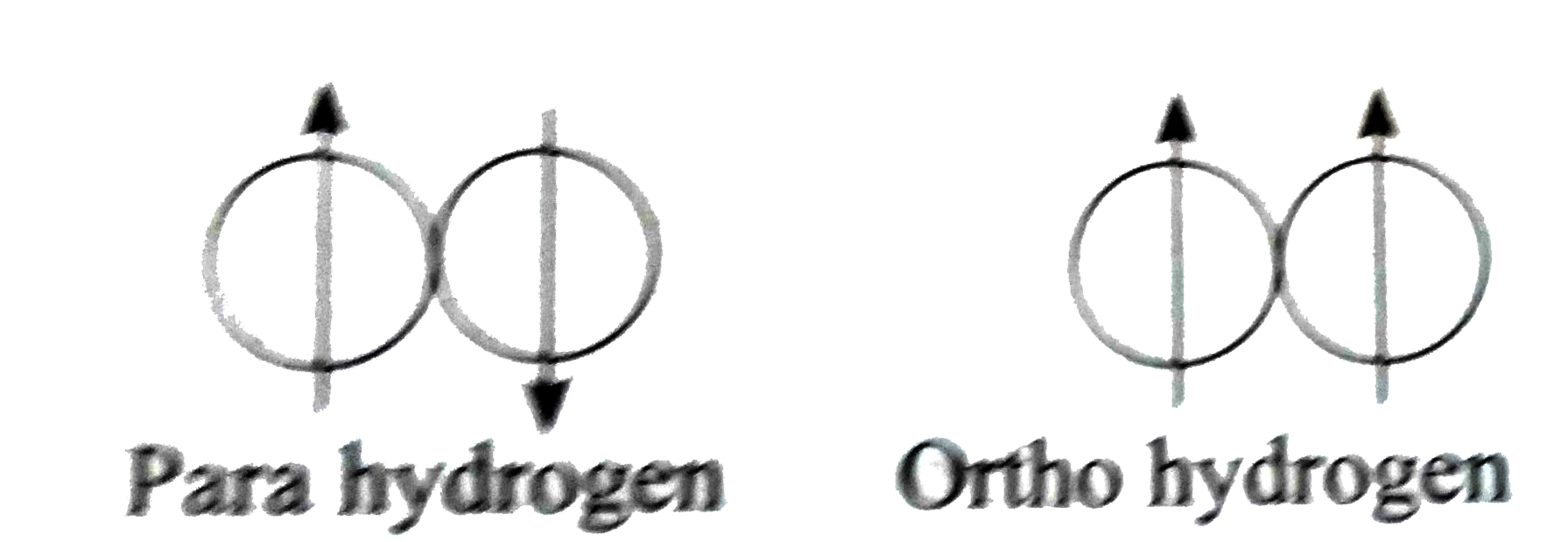
|
|
| 12. |
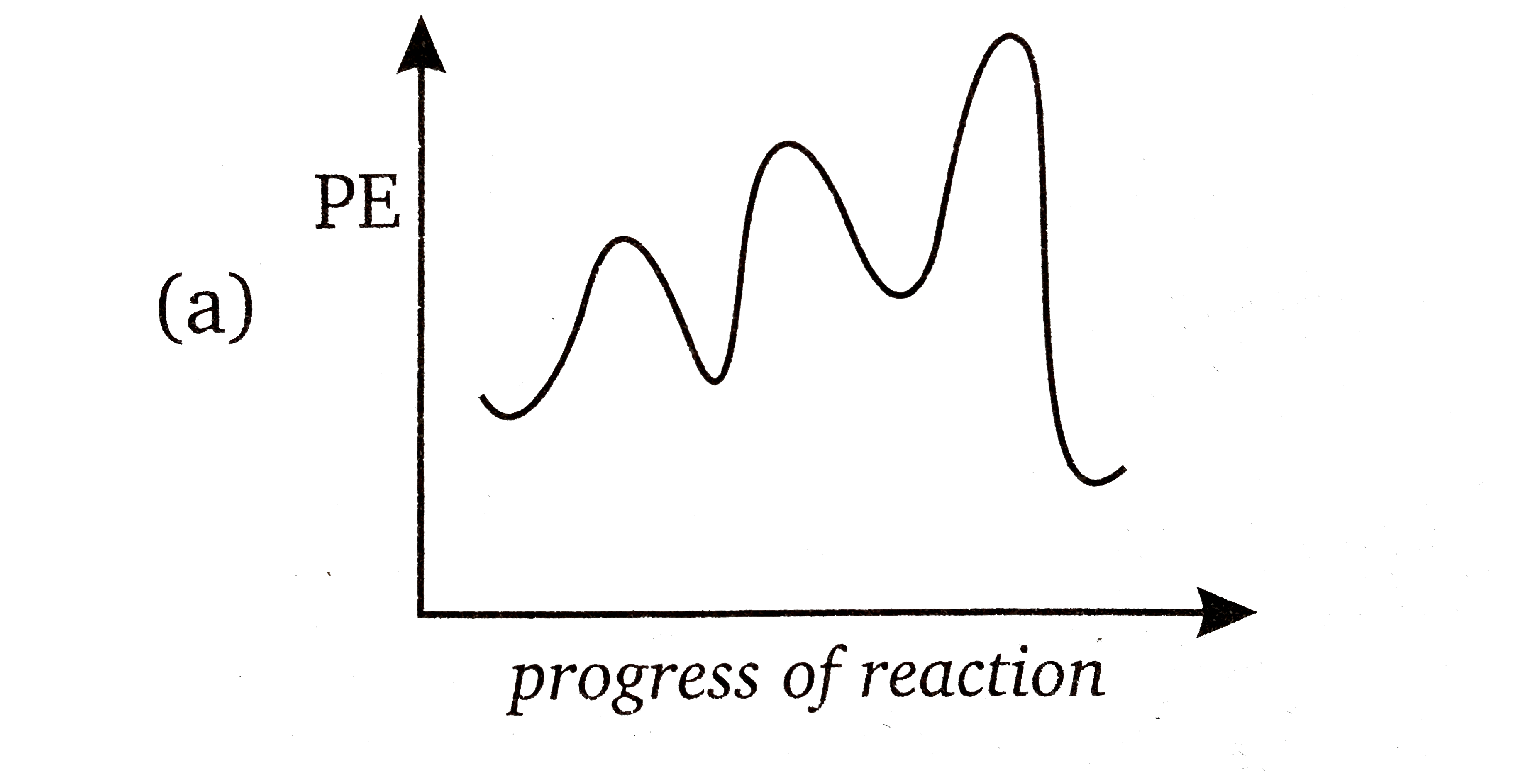
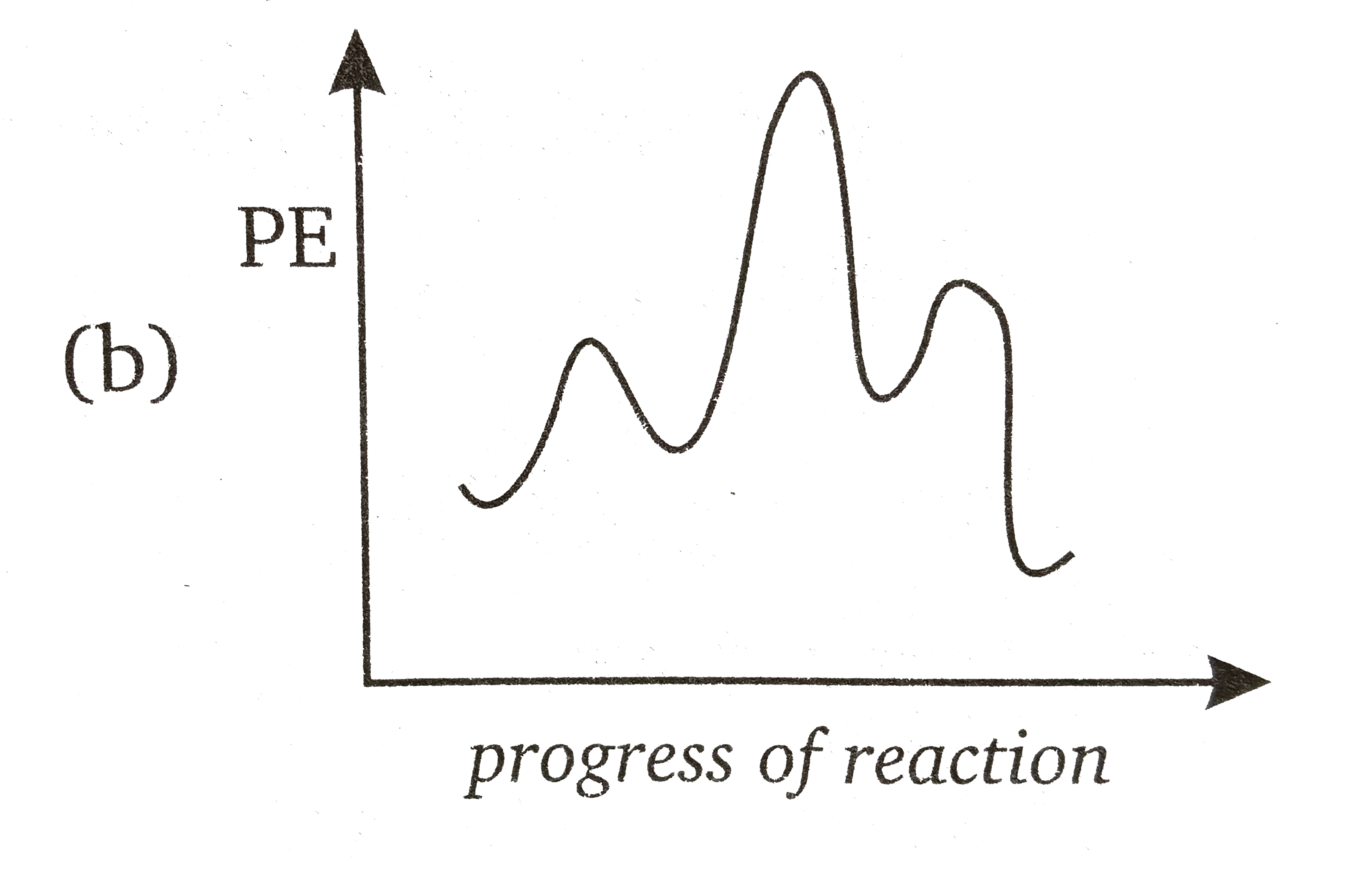
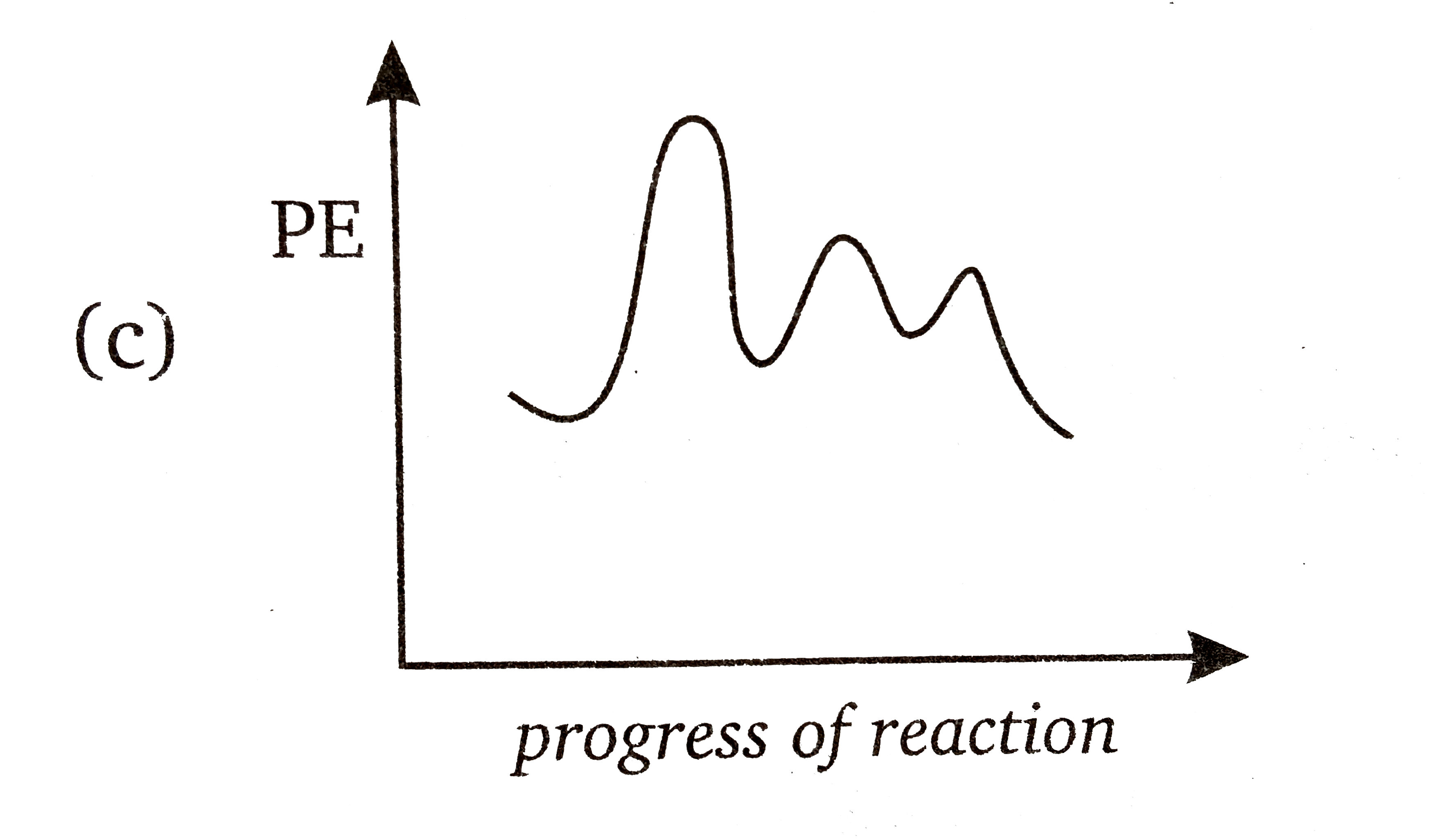
Draw an energy profile diagram for a three step reaction in which first step is slowest and last step is fastest. (Assume that reaction is exothermic) |
|
Answer»
`:.` greater is `E_(a)`, the SMALLER is K i.E., rate of reaction `prop (1)/("height of ENERGY barrier")` It should be noted that step leading to the height peak will not be rate determining step id the concentration used in some other step is sufficiency high. Since first step is rate determining step. `:.` First peak should be high as is (c). |
|
| 13. |
Draw a simplified form of periods and elements present in modern period table. |
Answer» SOLUTION :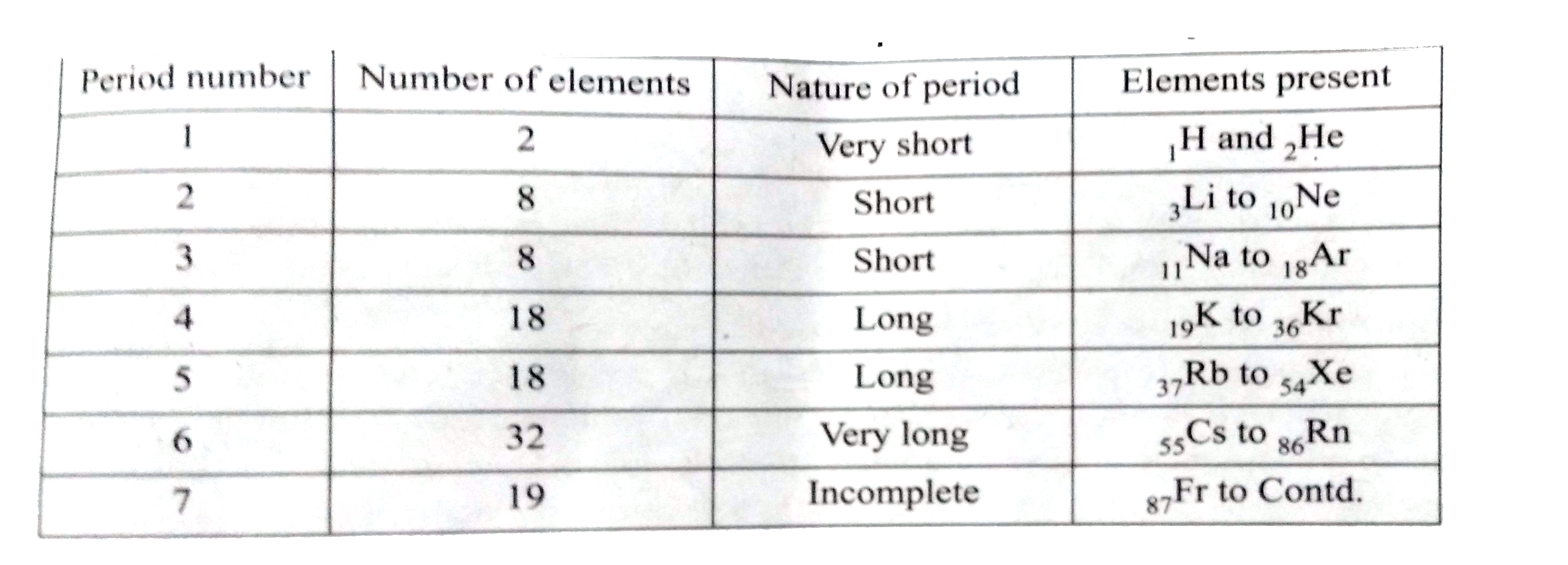
|
|
| 14. |
Draw a graph of log P vs log (1/V) for a fixed amount of a gas at constant temperature. |
|
Answer» Solution :According to BOYLE's LAW `P=(k)/(V)` take log of both sides we have log `P=log((1)/(V))+logk` ltbr. Comparing it to `y=mx+C` w FIND that GRAPH between log P vs. log (1/V) should be a STRAIGHT line with slop equal to log. |
|
| 15. |
Draw a diagram to show the orbital overlap to form p-bond. |
Answer» SOLUTION :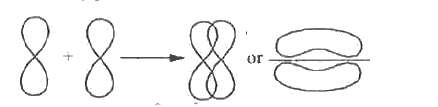
|
|
| 16. |
Draw a diagram to show orbital overlap to form a s bond. |
Answer» SOLUTION :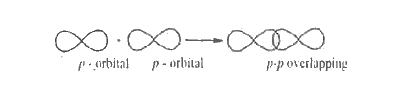
|
|
| 17. |
Draw a diagram of bubble plate type fractionating column. When do we require such type of a column for separating two liquids. Explain the principle involved in the separation of components of a mixture of liquids by using fractionating column. What industrial applications does this process have ? |
Answer» Solution :If the difference in boiling point two liquid is different than fractional distillation method is used.The vapour of liquid mixture condence before that it pass through the column. This distillation column is arrenge withround bottom flask as shown in figure. If the difference in boiling point is very less than bubble plate type fractionating column is used as shown in figure  In bubble plate, the tower is divided into number of COMPARTMENTS by means of shelveshaving openings. The openings are COVERED with caps called bubble caps. Each shelf is provided with an overflow pipe which keeps the liquid to a certain level and there allows the rest to trickle down to the lower shelf. Such type of column is used for continuous separation of bulk quantity of liquids. For example, distillation of fermented liquid for manufacture of rectified spirit. INDUSTRIAL application: (i) Separation of crude oil PETROLEUM industry in to various useful fractions such as GASOLINE. kerosene oil, diesel oil, lubricating oil etc. (ii) Separation of wetere and methanol from pryolisneous acid obtained by destructive distillation of wood |
|
| 18. |
Draw a diagram of bubble plate type fractionating column. When do we requir such type of a column for separating two liquids. Explain the principle involved in the separation of components of a mixture of liquids by using fractionating column. What industrial applications does this process have ? |
|
Answer» Solution :If the difference in boiling points of two liquids is not much, fractional distillation is used. The techniques is, VAPORS of liquid mixture are passed through a fractionating column before CONDENSATION, fitted over the mouth of the round bottom flask. Vapours of the liquid with higher boiling point condense before the vapours of the liquid with lower boiling point. The vapours rising up in the fractionating column become RICH in more volatile component. Fractionating column provides may surfaces for heat EXCHANGE between ASCENDING vapurs and descending condensed liquid. The vapurs become richer in low boiling component. 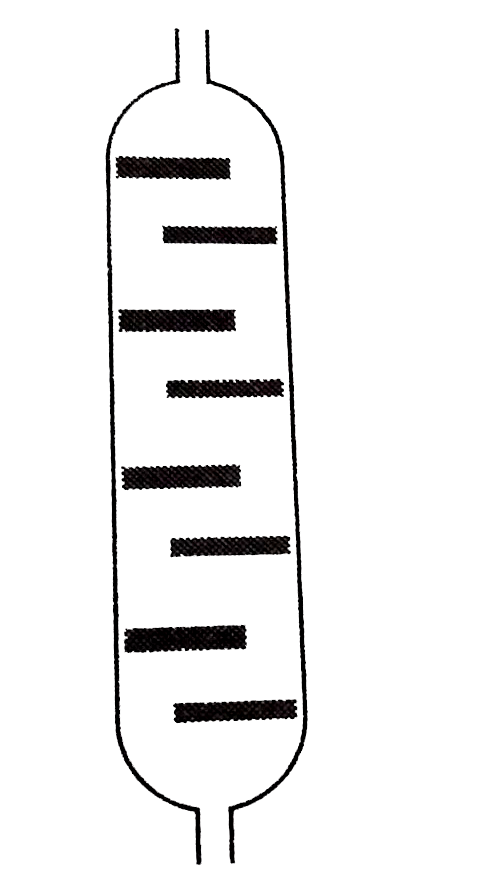 One of technological application of fractional distillation is to separate different fraction of crude oil in petroleum industly into various fractions like gasoline, kerosene oil, diesel oil, lubricating oil, etc. Another application is the separation of acetone and methanol form pyroligneous acid obtained by destructive distillation of wood. |
|
| 19. |
d_pi - p_pi bonding exists in |
|
Answer» DIAMOND |
|
| 21. |
Double sulphates of a divalent and trivalent metal crystallised with 24 molecules of water of crystallisation are called pseudoalums and are not isomorphous with true alums. Which of them is//are pseudoalums ? |
|
Answer» `MnSO_(4). Al_(2)(SO_(4))_(3). 24H_(2) O` |
|
| 22. |
Double bond in unsaturated hydrocarbons can be located by |
|
Answer» OZONOLYSIS reaction |
|
| 24. |
Double bonded carbons are involved in |
|
Answer» `SP^(3)` HYBRIDISATION |
|
| 25. |
Dominance of strong repulsive forces among the molecules of the gas (Z = compressibility factor) |
|
Answer» DEPENDS of Z and indicates that Z=1 |
|
| 26. |
Domianance of strong repulsive forces among the molecules of the gas (Z=compressibility factor) |
|
Answer» depends on Z and indicated by Z=1 |
|
| 27. |
Dolute nitric acid is generally not used for the preparation of original solution for the basic radicals because it : |
|
Answer» it is a reducing agent `2HNO_(3) rarr H_(2)O + 2NO_(2) + O` `H_(2)S + O rarr H_(2)O + S` This will interfere with the detection of `Cd^(2+)` and `As^(3+)` IONS which also FORM yellow precipitates of CdS and `As_(2)S_(3)` respectively |
|
| 28. |
Domestic waste mostly constitute |
|
Answer» Non-biodegradable POLLUTANTS |
|
| 29. |
Domestic waste mostly constitues |
|
Answer» Non-BIODEGRADABLE pollutants |
|
| 30. |
Dolastatin is an anti cancer compound isolated from Indian sea have Dobabella ausiculasia. One mole of it acidic hydrolysis yield how many products are formed. |
Answer» 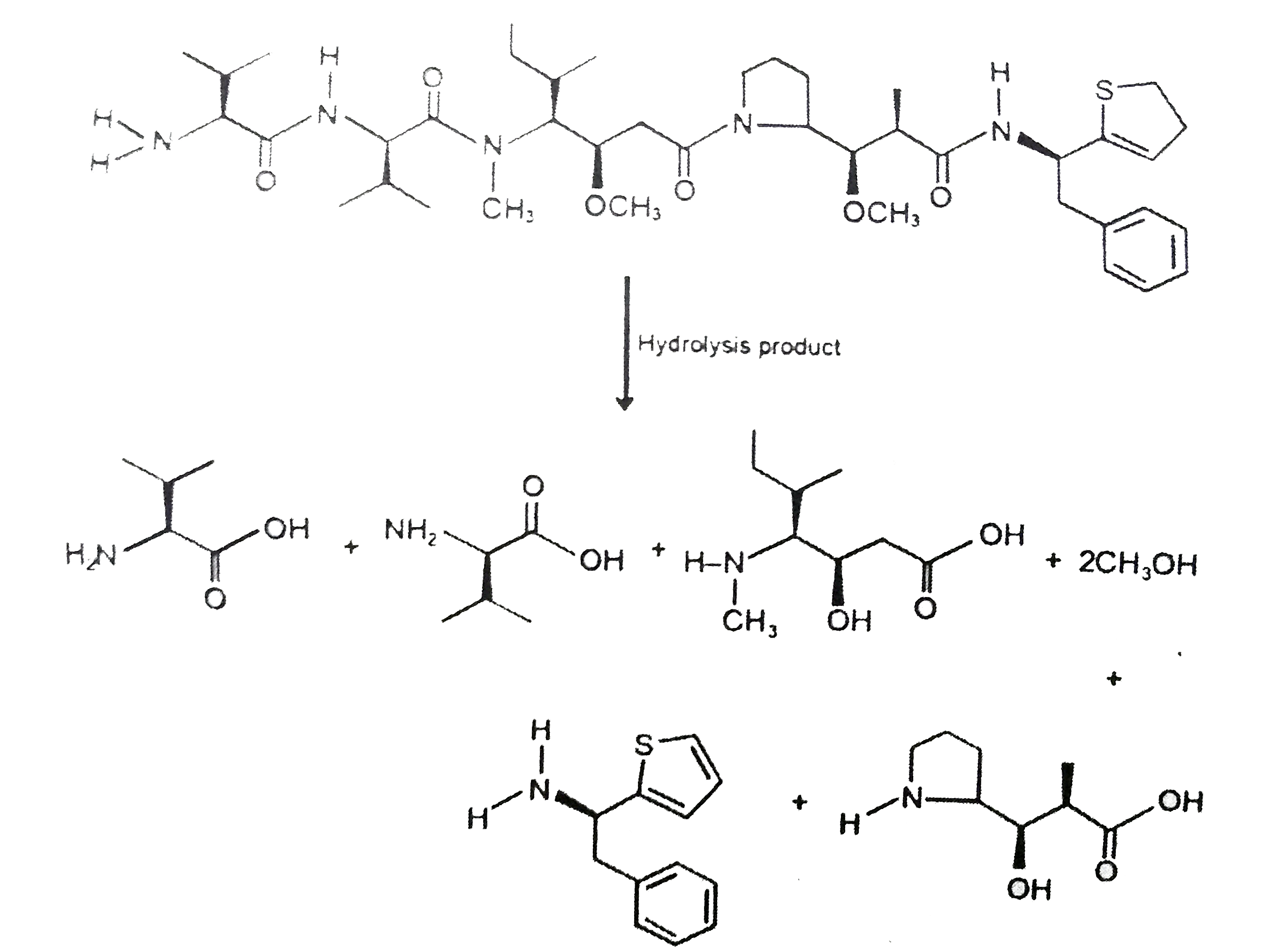
|
|
| 31. |
Dolamite is double salt. How is it commercially used for preparing magnesium sulphate ? |
|
Answer» Solution :Dolamite is commercially CHEAP. On treating with sulphuric acid it givess a mixture of MAGNESIUM sulphate and calcium suplhate. Calcium suphate is relatively LESS SOLUBLE . Hence ,calcium sulphate is separated from aqueous solution by FRACTIONAL crystallisation . |
|
| 32. |
Does the temperature remain constant in an adiabatic process ? |
| Answer» Solution :No, the TEMPERATURE of the SYSTEM need not be constant. An ADIABATIC process may be associated with EITHER increase or decrease in temperature of the system. | |
| 33. |
Does the number of moles of reaction products increase, decrease or remain same when each of the following equilibria is subjected to a decrease in pressure by increasing the volume? (a)PCl_(5(g)) hArr PCl_(3(g)) +Cl_(2(g)) (b)CaO_((s)) + CO_(2(g)) hArr CaCO_(3(s)) (c)3Fe_((s)) + 4H_2O_((g)) hArr Fe_3O_(4(s)) + 4H_(2(g)) |
|
Answer» Solution :(a)`PCl_(5(G))hArr PCl_(3(g)) +Cl_(2(g))` increase (b)`CaO_((s)) + CO_(2(g)) hArrCaCO_(3(s))` decrease (c) `3Fe_((s)) + 4H_2O_((g)) hArr Fe_3O_(4(s)) + 4H_(2(g))` no change . Because, the pressure is decreases so, the REACTION occurs towards the less mol of gas PHASE to high mol means reaction TAKE place in such way moles of gases phase increases. 
|
|
| 34. |
Does the number of moles of reaction products increase , decrease or remain same when each of the folllowing equilibria is subjected to a decrease by increasing the volume ? |
|
Answer» <P> Solution :Applying Le Chatelier's PRINCIPLE , on decreasing the pressure , equilibrium shifts to the direction in which pressure increases , i.e., number of moles of gaseous substantces is more . Thus , moles of reaction PRODUCTS will ( a) INCREASE (b) decrease (c)remainsame` (:'n_(p) = n_(r)"gaseous ")` |
|
| 35. |
Does propene exhibit geometrical isomers? Give reason. |
|
Answer» Solution :Propene does not exhibit geometrical isomerism. All alkenes with identical substrate do not SHOW geometrical isomerism. Geometrical isomerism is possible only when each double BONDED C atom is attached to two different atoms or groups. Eg. In propene no geometrical isomers are possible because one of the double bonded CARBON has two identical H atoms. |
|
| 36. |
Does resonance always lead to stabilization of cyclic conjugated systems ? |
Answer» Solution :Resonance is a hypothetical concept which has been developed to explain the extra stability of cyclic conjugated SYSTEMS containing (4 n + 2) `pi`-electrons. In case of cyclic systems containing 4 n `pi`-electrons, resonance actually destabilizes the molecules and makes them ANTIAROMATIC THOUGH we can STILL write resonance structures as SHOWN below :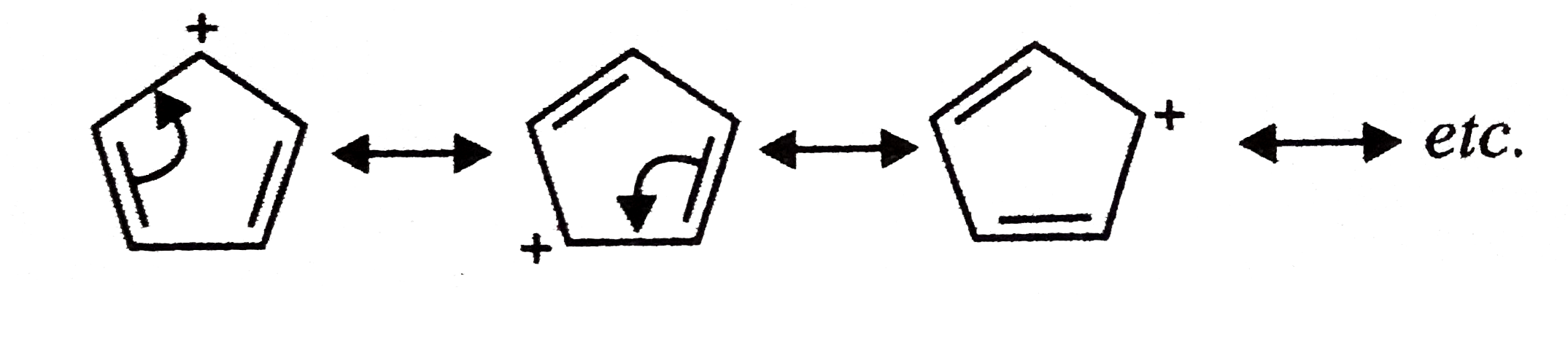
|
|
| 37. |
Does hydrogen bond involved the overlapping in atomic orbital ? |
|
Answer» |
|
| 38. |
Does H_(2)O" and "H_(2)S possess same bond angle ? Explain |
Answer» Solution : The BOND angle of HSH is `92.2^(@)` and that of `H_(2)O` is `104.5^(@)` The HIGHER bond angle in water molecule is DUE to the higher ELECTRONGATIVITY of oxygen (in `H_(2)O`) than sulphur (in `H_(2)S`)`. |
|
| 39. |
Does acetylene react with Fehling's solution ? |
| Answer» Solution :No, because Fehling's solution contains `Cu^(2+)` ions which do not react with acetylene. Acetylene REACTS with only `Cu^+`ions. That is why it GIVES red PPT. of copper acetylide with AMMONIACAL CuCl solution and not with Fehling's solution. | |
| 40. |
Do you thinkthat anhydrousand hydrous aluminium chloridewill have differentsolubilitiesis diethyl either ? Comment . |
Answer» Solution :ANHYD. `AlCl_(3)` is an electron-deficientcompoundwhilehydrated`AlCl_(3)`is not. Therefore,anhyd. `AlCl_(3)` is more solublein diethyl etherbecausethe OXYGEN atomof etherdonatesa pair of electrons to the vacent p-orbital on the Al atom in `AlCl_(3)` FORMING a coordinatebond.  In case of HYDRATED `AlCl_(3)` , Al is not electrondeficientsince `H_(2)O` has already donateda pair of electron to it. |
|
| 41. |
Do you observe any soil pollution in your neighbourhood ? What efforts will you make for controlling the soil pollution ? |
|
Answer» Solution :Agricultural pollutants like industrial waste water and pesticides, fertilizers etc. are the main sources of soil pollution. It is very important to maintain soil quality and fertility in ORDER to sustain vegetation. DDT like insecticides are SOLUBLE in water because of this, it survives very long in the soil. Pesticides such as Aldrin and Dieldrin are nonbiodegradable as it is very poisonous to the environment. It causes discomfort in body ACTIVITIES by entering the diet. This is also true for bad waste of industries because you also have elements like PB, Hg, Cd, As. The best way to do this it to periodically check the soil pollution. Before freeing dirty water. It is necessary to clean it by proper procedure. |
|
| 42. |
Do you think that heavy water ca be usd for drinking purposes? |
|
Answer» Solution :(i). Heavy water `(D_(2)O)` CONTAINS a proton and a neutron. This makes deuterium about twice as heavy as protium, but it is not radioactive. So heavy water is not radioactive. (ii). If you drink heavy water, you don.t NEED to worry about radiation poisoning. but it is not completely safe to drink, because the biochemical reaction in our cells are afected by the difference INTHE mass of hydrogen atoms. (iii). If you drink an appreciable volume of heavy water, you might feel dizzy because of the DENSITY difference. it would change the density of FLUID in your inner ear. so it is unlikely to drink heavy water. |
|
| 43. |
Do you think that heavy water can be used for drinking purposes ? |
|
Answer» Solution :(i) The chemical reactions shown by WATER and heavy water are nearly identical. (ii) However, due to differences in masses of hydrogen and deuterium, such reactions OCCUR at different rates. (iii) The rates of reaction involving `D_2O` are slower than those involving `H_2O`. (iv) If `D_2O` is consumed, the enzyme catalysed BIOCHEMICAL reaction will occur slower than their optimum rate. (v) The enzymes may then lose their ability to catalyse a biochemical reaction. (vi) THUS heavy water will interface and DISTURB the biological process and hence it is not suitable for drinking purpose. |
|
| 44. |
Do you think that heavy water can be used for drinking purposes? |
|
Answer» Solution :(i) Heavy water `(D_(2)O)` contains a proton and a neutron. This MAKES DEUTERIUM about twice as heavy as protium, but it is not radioactive. So heavy water is not radioactive. (ii) If you drink heavy water, you don.t need to worry about radiation poisoning. But it is not completely safe to drink, because the biochemical reaction in our cells are affected by the difference in the mass of hydrogen atoms. (iii) If you drink an APPRECIABLE VOLUME of heavy water, you might feel dizzy because of the density difference. It would change the density of fluid in your inner ear. So it is unlikely to drink heavy water. |
|
| 45. |
Do you expect the carbon hydrides of the type (C_(n)H_(2n+2)) to act as Lewis acid or base ? Justify your answer. |
| Answer» Solution :Carbon hydrides of the type `(C_(N)H_(2n+2))` are electron-precise hydrides. In other words, they have exact number of electrons required to form covalent BONDS. Therefore, they do not have any tendency to either gain or lose electrons and HENCE they neither ACT as Lewis acids nor Lewis bases. | |
| 46. |
Do you expect the carbon hydrides of the type C_n H_(2n+2)to act as .Lewis. acid or base ? Justify your answer. |
| Answer» Solution :Carbon hydrides of type `(C_n H_(2n+2))`are electron precise hydrides. In other words, they have EXACT NUMBER of electrons required to FORM covalent bonds. Therefore, they do not have any tendency to either gain or lose electrons and hence they neither ACT as lewis acids nor lewis bases. | |
| 47. |
Do you expect the carbon hydride of the type (C_(n)H_(2n+2)) to act Lewis acid or base? Justify you answer. |
| Answer» Solution :It is NEITHER a Lewis acid nor a Lewis BASE. In all the hydrides belonging to this type, the carbon atoms have complete octet. Therefore, these hydrides behave as normal covalent hydrides also called saturated hydrocarbons or alkanes, `(e.g., CH_(4),C_(2)H_(6),C_(3)H_(8)etc)`. These are also called electron PRECISE hydrides. We shall study in DETAILS about these hydrides at a later stage in unit 13. | |
| 48. |
Do you expect different products in solution when aluminium (III) chloride and potassium chloride treated separately with (i) normal water (ii) acidified water and (iii) alkaline water ? Write equations wherever necessary. |
|
Answer» SOLUTION :`AlCl_3` : The aqueous solution containing acidic nature. (i)`AlCl_(3(s)) + H_2O_((l)) to Al(OH)_(3(s)) + 3H_((aq))^(+) + 3Cl_((aq))^(-)` (ii) In acidified water `H^+` ion react with `Al(OH)_3` and give `Al^(3+)` in and `H_2O`. Thus the `Al^(3+)` and `Cl^-` ion obtain from `AlCl_3` in acidified water. (III)`AlCl_(3(s)) underset"water"OVERSET"Basic" to [Al(OH)_4]_((aq))^(-) + 3Cl_((aq))^(-)` `[Al(OH)_4]_((aq))^(-) to AlO_(2)^(-) + 2H_2O_((l))` KCl : KCl is a salt of strong acid and strong base and reacts with `H_2O`. The `K^+` and `Cl^-` obtain by only DISSOCIATION reaction. `KCl_((s)) overset(H_2O)to K_((aq))^(+) + Cl_((aq))^(-)` The aqueous solution of KCl is neutral. There is no reaction between ions in acidic/basic solution of KCl. |
|
| 49. |
Do you expect different products in solution when aluminium (III) chloride and potassium chloride are treated separately with (i) normal water (ii) acidified water , and (iii) alkaline water ? Write equations wherever necessary. |
|
Answer» Solution :KCl is the salt of a strong acid anda strong base. It does not undergo hydrolysis in normal water. It just dissociates to give `K^(+)(aq) and Cl^(-)(aq)` ion. `KCl(s) overset("Water")to K^(+)(aq) + Cl^(-)(aq)` Since the aqueous solution of KCl is neutral , therefore, in acidified water or in ALKALINE water,the ions do not react further and stay as such. `AlCl_(3)` on the other hand, is a salt of a weak base `Al(OH)_(3)` and a strong acid HCl. Therefore, in normal water, it undregoes hydrolysis to form `Al(OH)_(3), H^(+) and Cl^(-)` ions. In acidic water, the `H^(+)` ions react with `Al(OH)_(3)` to form `Al^(3+)(aq)` ions and `H_(2)O`. Thus, the acidic water, `AlCl_(3)` exists as `Al^(3+)` (aq) and `Cl^(-)` ions. `AlCl_(3)(s) overset("Acidified water")to Al^(3+)(aq) + 3CL^(-)(aq)` In alkaline water, `Al(OH)_(3)` reacts to form soluble tetrahydroxoaluminate complex or meta-aluminate ion, i.e., `Al(OH)_(3)(s) + OH^(-)(aq) to underset("Tetrahydroxoaluminate")([Al(OH)_(4)]^(-)(aq) ) ` or ` underset("meta-aluminate ion")(AlO_(2)^(-)(aq)) + 2H_(2)O(l)` The complete EQUATION may be written as : `AlCl_(3)(s) overset("Alkaline water")to underset(AlO_(2)^(-)(aq) + 2H_(2)O(l) + 3Cl^(-)(aq))underset({:darr OH^(-):}"")(Al[OH]_(4)^(-)(aq)+3Cl^(-)(aq))` |
|