Saved Bookmarks
This section includes 7 InterviewSolutions, each offering curated multiple-choice questions to sharpen your Current Affairs knowledge and support exam preparation. Choose a topic below to get started.
| 1. |
Certain amount of oxygen gas was passed over heated carbon, where 80% of oxygen added was converted into CO gas, as per reaction 2C(s)+O_(2)(g)rarr2CO(g) If gaseous mixture left is allowed to effuse, then, ratio of rate of effusionof CO to O_(2) will be: |
|
Answer»
|
|
| 2. |
Certain amount of N_(2)O_(4) is taken in a closed vessel at 1 atm and 27^(@)C. Heating to 327^(@)C, 20%of the gaseous substance decomposes to give its monomer. Calculate the final pressure in the vessel. What is vapour density of gaseous mixture at 327^(@)C ? |
| Answer» SOLUTION :2.4 ATM, 38.4 | |
| 3. |
Certain amount of argon at 1 atm and 300 K expands reversibly and adiabatically from 1.25 Lto 2.5 L. If C_(v) for Ar is 12.48JK^(-1)mol^(-1), calculate the enthalpy charge. |
|
Answer» |
|
| 4. |
Certain amount of a gas at 25^@C and 76cm Hg occupies volume of 12.0L. What will be the pressure at a height where temperature is 10^@C and volume is 12.8L? |
|
Answer» Solution :Equation of STATE is given as, `(P_(1)V_(1))/(T_(1)) = (P_(2)V_(2))/(T_(2))` `P_(1) = 76CM Hg, P_(2) = ? , V_(1) = 12.0L, V_(2) = 12.8L, T_(1) = 298K, T_(2) = 283K` The PRESSURE at the given HEIGHT ` = P_(2) = (P_(1)V_(1))/(T_(1)) xx (T_(2))/(V_(2)) = (76 xx 12 xx 283)/(12.8 xx 298) = 67.66 ` cm Hg |
|
| 5. |
Ceric ammonium suphate and potassium permanganate are used as oxidising agents in acidic medium of ferrous ammonium suphate to ferric sulphate the ratio of number of moles of cerium ammonium suphate requred of moles of cerium ammonium suphate rquired per mole of ferrous ammoniium suphate to the number of moles of KMnO_(4) required per mole of ferrous ammonium suphate is |
|
Answer» 5 `(NH_(4))Ce(SO_(4))_(2)=Ce^(4+)` and `(NH_(4))_(2)FeSO_(4)6H_(2)O=Fe^(2+)` now `Ce^(+)+e^(-)rarrCe^(3+)` `Fe^(2)rarrFe^(3+)+e^(-)` since reduction of `KMnO_(4)` is a `5 e^(-)` change and oxidation of `(NH_(4))_(2)SO_(4) FeSO_(4).6H_(2)O` is a `1e^(-)` change therefore oxidation of 1 mole of `(NH_(4))_(2) SO_(4)FeSO_(4)6H_(2)O` will require `1//5` mole of `KMnO_(4)` Further sicne reduction of `(NH_(4)A^(2))SO_(4)Ce(SO_(4)^(2))`is a `1 e^(-)` change and that of oxidation of therefore oxidation of 1 one moleof `(NH_(4)^(2))SO_(4)Ce(SO_(4))` thus the ratio of the number of MOLES of and `KMnO_(4)` required to oxidise 1 mole of `(NH_(4))(SO_(4)FeSO_(4).6H_(2))O` is `1:1//5` or1 |
|
| 6. |
Ceric ammonium sulphate and potassium permanganate are used as oxidising agents in acidic medium for oxidation of ferrous ammonium sulphate to ferric sulphate. The ratio of number of moles of ceric ammonium sulphate required per mole of ferrous ammonium sulphate to the number of moles of KMnO_(4) required per mole of ferrous ammonium sulphate is : |
|
Answer» `5.0` `2KMnO_(4)+8H_(2)SO_(4)+10 FeSO_(4).(NH_(4))_(2)SO_(4).6H_(2)O to ` `K_(2)SO_(4)+2MnSO_(4)+5Fe_(2)(SO_(4))_(3)+10(NH_(4))_(2)+SO_(4)+68H_(2)O` `therefore 1 " MOLE of" FeSO_(4)(NH_(4))_(2)SO_(4).6H_(2)O " consumes " 1//5` mole of `KMnO_(4)` `Fe^(2+)+Ce^(4+) to Fe^(3+)+Ce^(3+)` Required ratio`=(1)/(1//5)=5.0` |
|
| 7. |
Cement, the important building material is a mixture of oxides of several elements. Besides calcium, iron and sulphur, oxides of elements of which of the group (s) are present in the mixture ? |
|
Answer» Group-2 (i)CaO (50-60%) (ii)`SiO_2` (20-25%) (iii)`Al_2O_3` (5-10%) (iv)`SO_2` (1-2%) (V)`Fe_2O_3` (1-2%) (v) MgO(2-3%) Cement contains oxides of group-2 (Ca), group 13 (Al) and group-14 (Si). |
|
| 8. |
Cement, the important buildig material is a mixtureof oxides of several elements. Besidescalcium, iron and sulphur, oxides of elements of which of the group (s) are presentin the mixture |
|
Answer» group 2 |
|
| 11. |
Cement is a mixture of |
|
Answer» LIME, SAND and alumina |
|
| 12. |
Cement is a |
|
Answer» MAGNESIUM ALUMINIUM SILICATE |
|
| 13. |
Cellulose dispersed in ethanol is called |
|
Answer» emulsion |
|
| 15. |
Ce-58 is member of |
|
Answer» s-block |
|
| 16. |
C(Diamond )to C(Graphite), DeltaH=-ve,this indicates that _____ |
|
Answer» graphite is more stable than diamond |
|
| 17. |
C(diamond) rarr C(graphite), delhaH = -ve, this indicates that |
|
Answer» GRAPHITE is more STABLE than diamond |
|
| 18. |
CDCl_(3) is extensively used as a solvent for scanning NMR spectra. How can it be prepared from CHCl_(3) ? |
|
Answer» SOLUTION :DUE to -I-effect of the three Cl ATOMS, the atoms, the electron density in the C-H bond DECREASES. In other words, hydrogen in `CHCl_(3)` is slightly acidic and thus can be easily abstracted by a strong base such as `OH^(-)` to form `""^(-)"CC"l_(3)` which then reacts with `D_(2)O` to form `CDCl_(3)` `underset("Chloroform")(Hto "CC"l_(3)) underset(-H_(2)O)overset(OH^(-))to `""_(-):"CC"l_(3)overset(D_(2)O) to underset("Chloroform")underset("Deuterated")(CDCl_(3))+ DOH` |
|
| 19. |
"CCl"_(4)does not reachwith water but SiCl_(4) does . Why so ? |
| Answer» Solution :Due to the presence of d-orbitalsin SI, `SiCl_(4)`reacts with waterbut due to the ABSENCE of d-orbitals in `C, "CCl"_(4)` does not react with `H_(2)O`. | |
| 20. |
CCl_4 is insoluble in water because |
|
Answer» `H_(2)` O is non POLAR |
|
| 21. |
CB_(2) layer gives a test for |
|
Answer» `Cl^(-)` only<BR>`Br^(-)` and `I^(-)` |
|
| 22. |
Caustic soda is used to separate a mixture of ferric chloride and aluminium chloride. Explain. |
|
Answer» Solution :Both FERRIC chloride and aluminium chloride react with caustic SODA to GIVE the respective metal hydroxides. `FeCl_(3)+3NaOHrarr Fe(OH)_(3)+2NaCl` `AlCl_(3)+3NaOH RARR Al(OH)_(3)+3NaCl` `Fe(OH)_(3)` is basic, but `Al(OH)_(3)` is amphoteric. `Al(OH)_(3)` is soluble in excess caustic soda to give sodium meta aluminate. `Al(OH)_(3)+NaOHrarrNa[Al(OH)_(4)]` `Fe(OH)_(3)`is insoluble and is separated by filtration. |
|
| 23. |
Caustic soda is |
|
Answer» Efflorescent |
|
| 25. |
..................cause kidney damage. |
|
Answer» CADMIUM, MERCURY |
|
| 26. |
Cations are present in the intersitial sites in ………. |
|
Answer» FRENKEL DEFECT |
|
| 27. |
Cations are present in the interstitial sites in ______ |
|
Answer» FRENKEL DEFECT |
|
| 28. |
Cationic radius is smaller than its corresponding neutral atom. Justify this statement. |
|
Answer» Solution :When an neutral ATOM lose one or more electrons it FORMS CATION. `Na toNa^(+) +e^(-)` • The radius of this cation (T )is decreased than its parent atom (TN) • When an atom is charged to cation, the number of nuclear charge BECOMES greater than the number of orbital electrons. Hence the remaining electrons are more strongly attracted by the nucleus. Hence the cationic radius is smaller than its CORRESPONDING neutral atom. |
|
| 29. |
Cation exchange resins is a ......... group containing organic molecule. |
|
Answer» `SO_2` |
|
| 30. |
Cation exchange resin contain large organic molecule with _____ group. |
|
Answer» |
|
| 31. |
Cathode rays are produced in the discharge tube when a voltage of about .... volts is applied and the pressure of the gas inside is of the order of....atm |
| Answer» SOLUTION :10,000 VOLTS, `10^(-4)` ATM | |
| 32. |
Cathode rays are deflected towards___________. |
|
Answer» ELECTROMAGNETIC waves |
|
| 33. |
Catenation is not a property of element with |
|
Answer» VALENCY 1 |
|
| 34. |
Catenation, i.e,linking of similaratoms depends on size andelectronic configuration of atoms. The tendencyof catenation in Group 14 elements follows the order : |
|
Answer» `C gt Si gt GE gt SN` |
|
| 35. |
Catenation i.e., linking of similar atoms depends on size and electronic configuration of atoms. The tendency of catenation in group-14 elements follows the order : |
|
Answer» `C GT Si gt Ge gt Sn` `C gt gt Si gt Ge approx Sn gt Pb` |
|
| 36. |
Categorise the molecules which disobey the octet rule and explain them with suitable example. |
|
Answer» Solution :Exception to the octet rule can be categorized into following three types. (i) Molecules with electron deficient CENTRAL atoms (ii) Moecules containing odd electrons (iii) Moleucles with expanded valence shells (i) Molecuels with electron decient centralatoms : Let us considerboron trifluoride , as an example. The central atom boron has three valence electron and each fluorine has seven valence electrons. The Lewis structure is `:underset(* *)overset(* *)(F)-underset( :underset(* *)(F: ))underset(|) B -underset(* *)overset(* *) (F):` In the above structure, only six electrons around boron atom. Moving a lone PAIR from one of the uorine to FORM additional bond as shown below. `:underset(* *)overset(* *)(F)-underset( :F: )underset(||) B -underset(* *)overset(* *) (F):` However , the above structure is unfavourable as the most electrongative atom uorine shows positive formal charge and hence the structure with incomplete octet is the favourable one. Molecules such as `BCl_(3), BeCl_(2)`, etc ... also have incomplete octets. (ii) Molecules containing odd electrons : Few molecules have a central atom with an odd number of valence electrons . For examole, in nitrogen dioxide and nitric oxide all the atoms does not have octet conguration .e lewis structure of the above molecules are shown in the figure. (iii) Moleculeswith expanded valence shells : In molecules such as sulphur hexauoride `(SF_(6))`, phosphorous pentachloride `(PCl_(5))` the central atom has more than eightvalence electrons around them. Here the central atomcan accommodate additional electronpairs by using outer vacant d orbitals. In `SF_(6)` the central atom sulphur is surrounded by six bonding pair of electrons or twelve elecrons. 
|
|
| 37. |
Categorise the redox reactions that occur in our daily life. |
|
Answer» SOLUTION :FADING of the colour of the clothes Burning of cooking GAS, FUEL , wood , etc. Rusting of Iron Extraction of METALS. |
|
| 38. |
Catalytic union of H_2 and O_2to get H_2O_2is found in |
|
Answer» Electrolysis of 50% `H_2SO_4` |
|
| 39. |
Catalytic poison acts by |
|
Answer» chemically combining with catalyst |
|
| 40. |
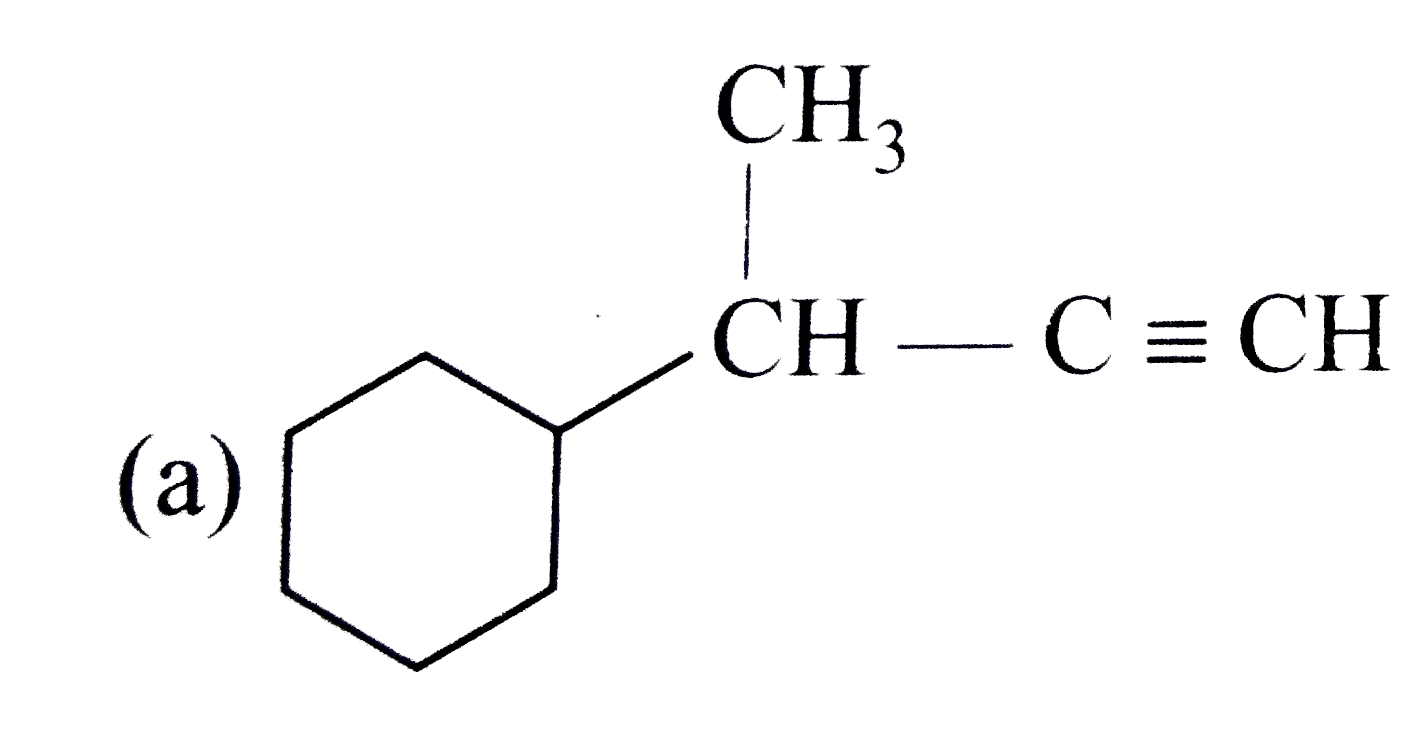
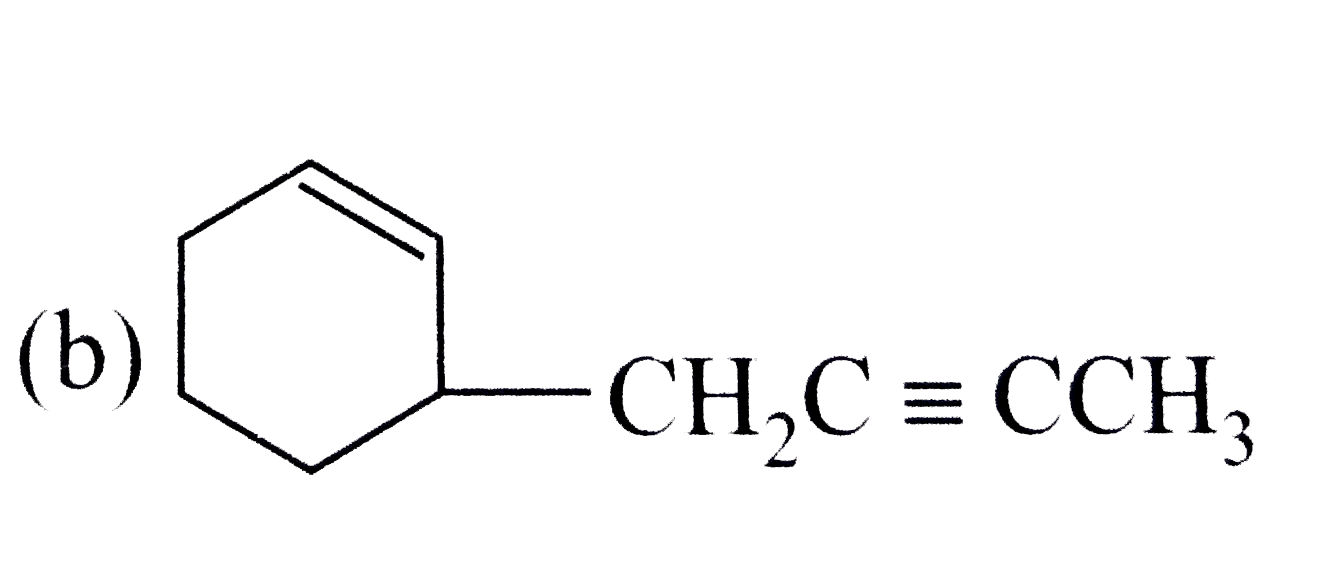
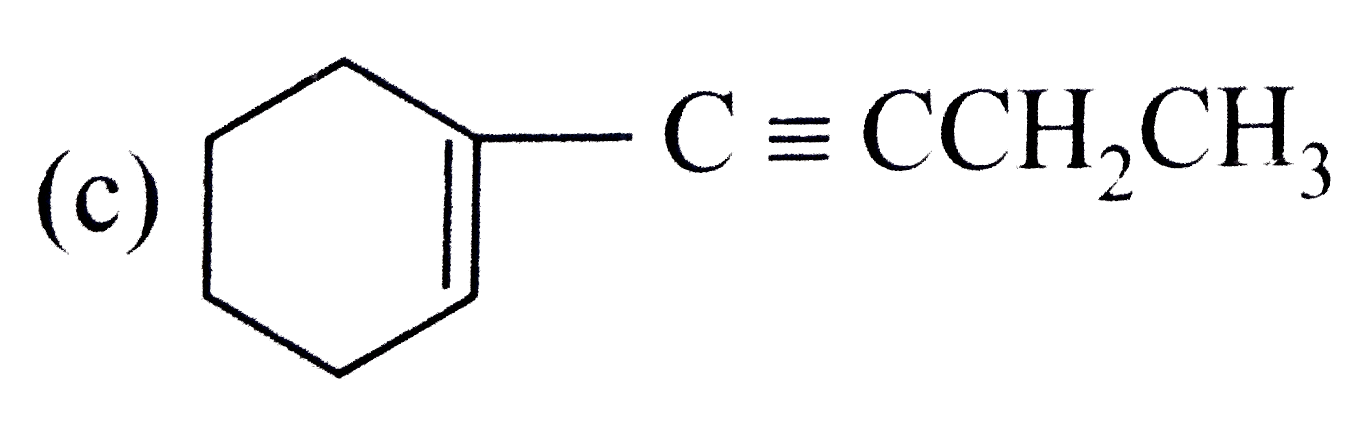
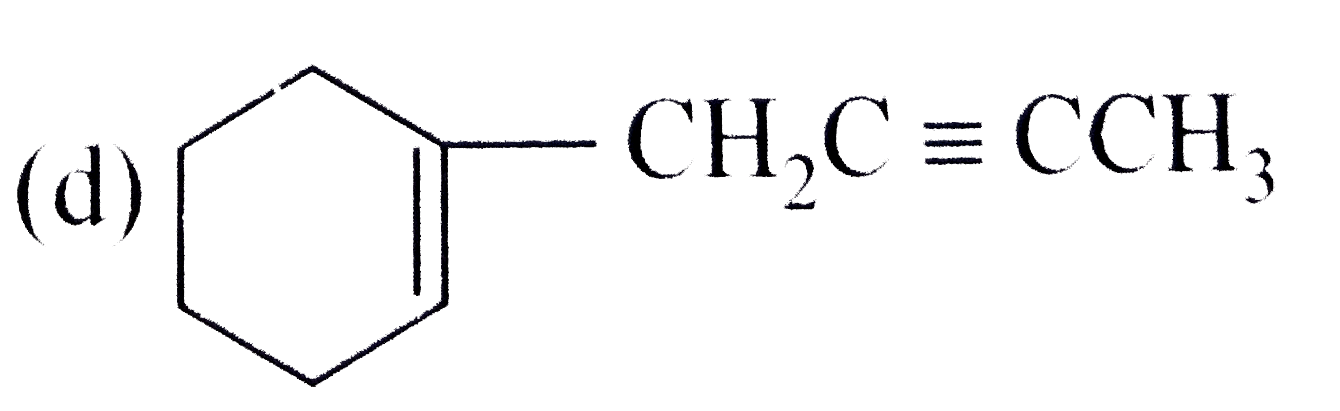
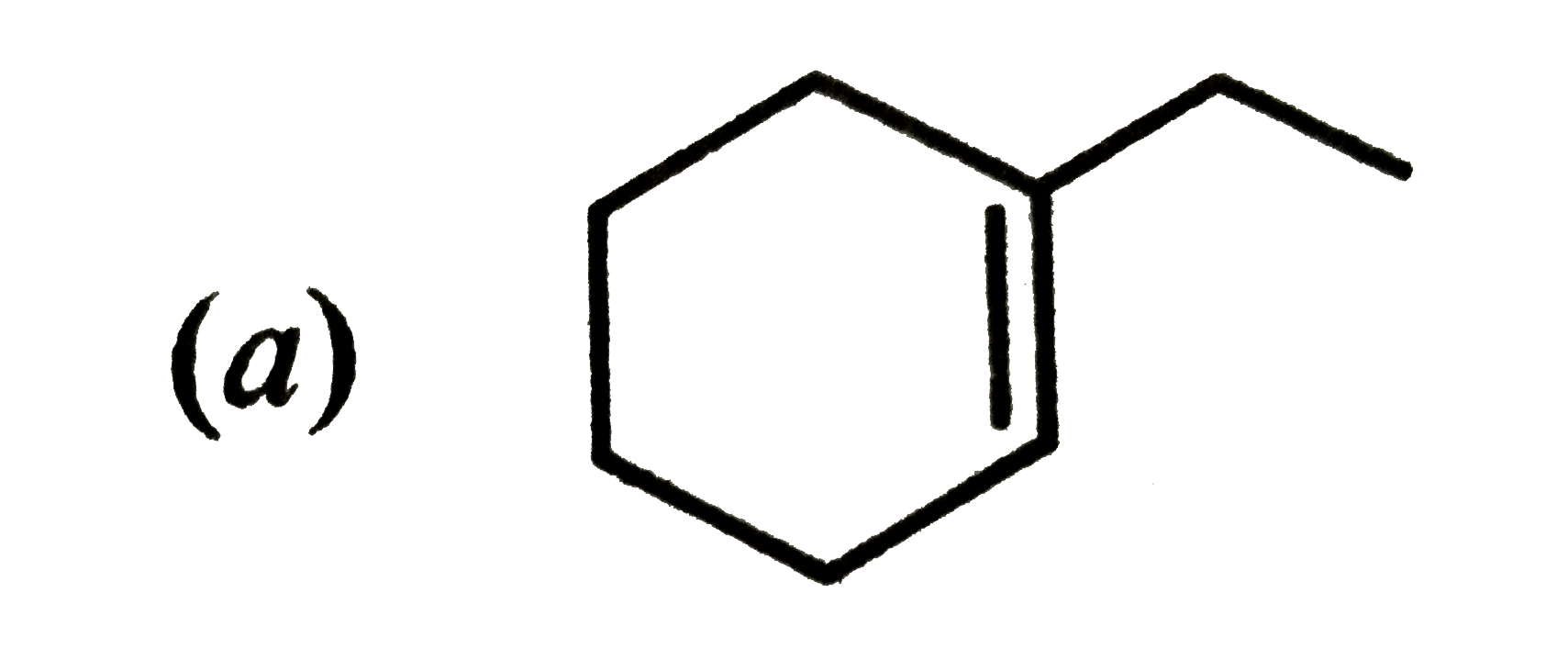
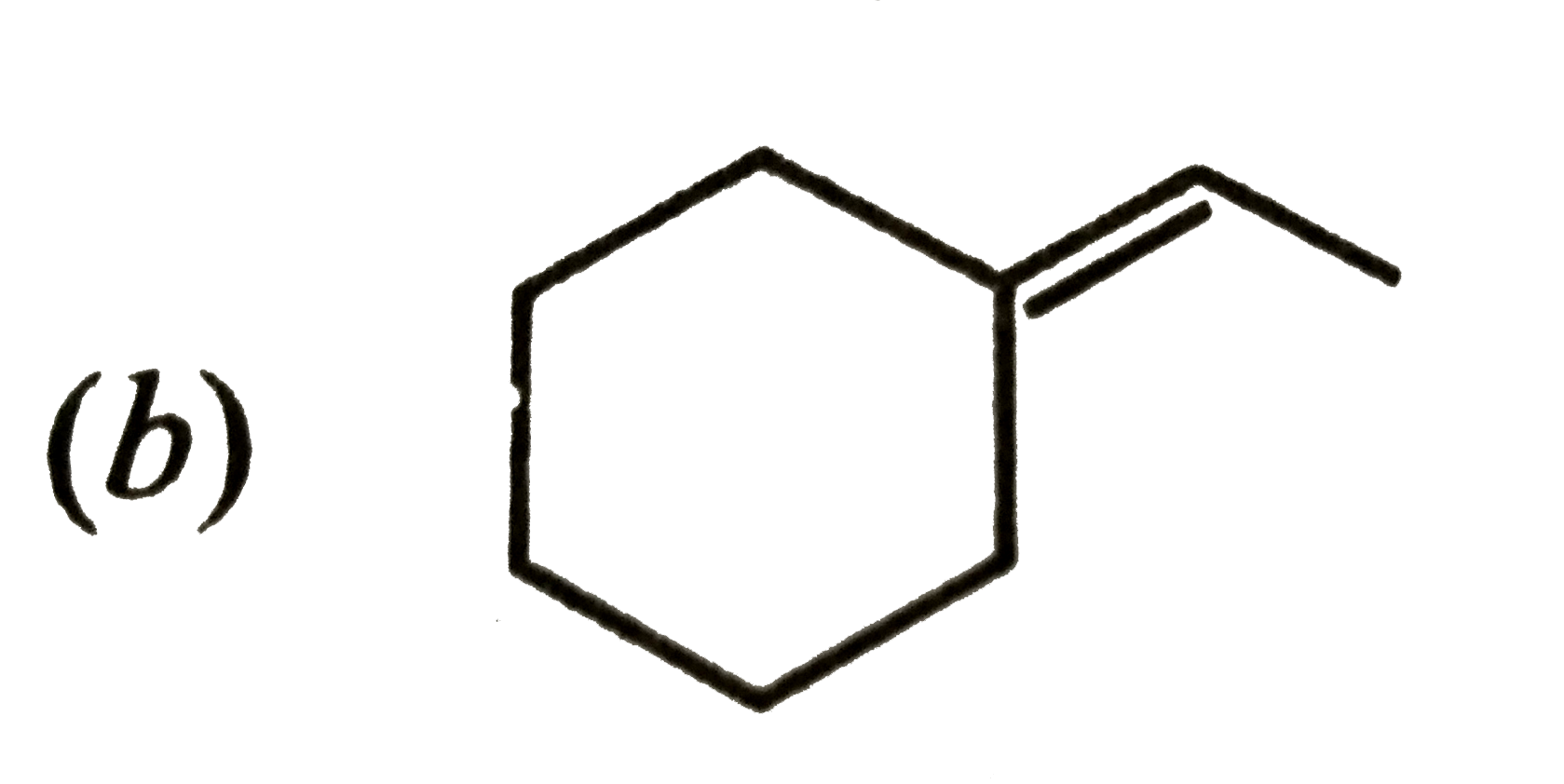
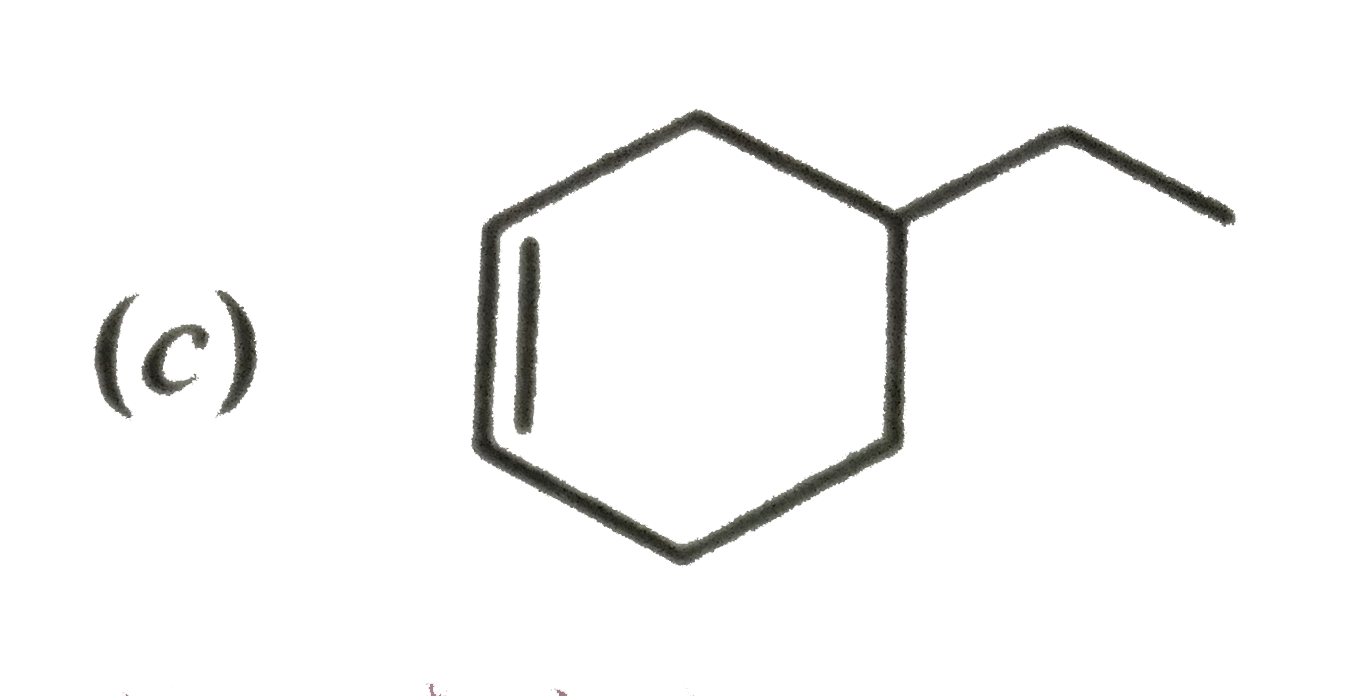
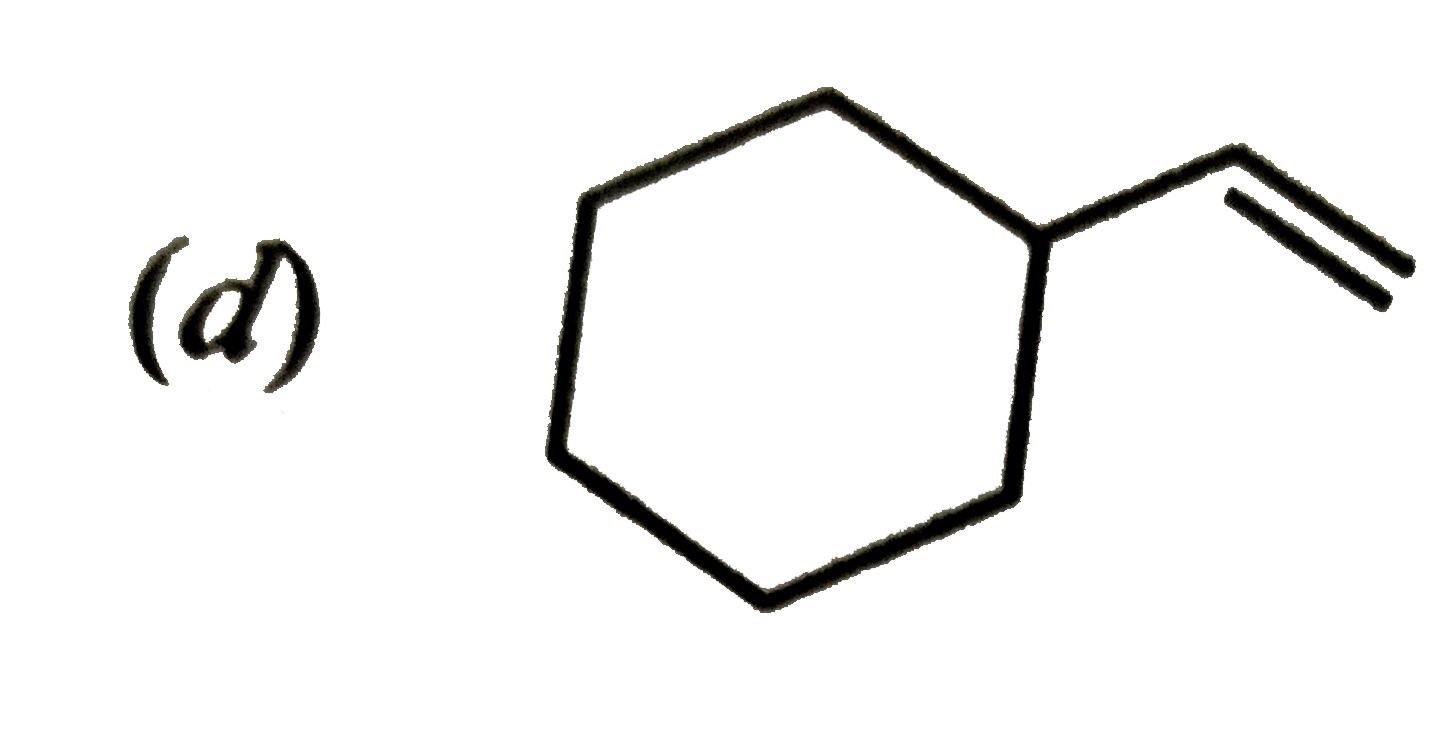
Catalytic hydrogenation of compound 'X'(C_(10)H_(14)) givesbutyl cyclohexane. Treatment of 'X' with Cu(NH_(3))_(2)+NaNH_(2). When 'X' is first reactedwith H_(2)//Ni_(2)B and then oxidatively ozonized, a non resolvable compound is formed. The organic compound 'X' is |
|
Answer»
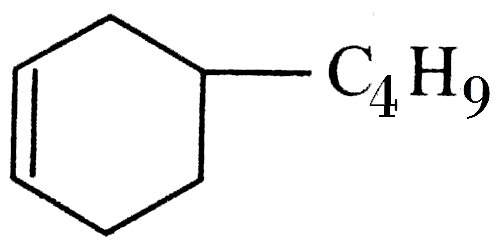 `Cu(NH_(3))_(2)^(+)` gives no ppt.`implies` no terminal triple bond but gives ppt. with `Cu(NH_(3))_(2)^(+)` on treatment of `NH_(2)^(-)` `implies` there is internal triple bond. In the ring triple bond is not POSSIBLE. `H_(2) //Ni_(2)B` treatment reduces triple bond to double bond. Now possible options are `(b)(C)` and `(d)`. Oxidative ozonolysis gives NON `-` resolvable compound. So only `(d)` is possible. 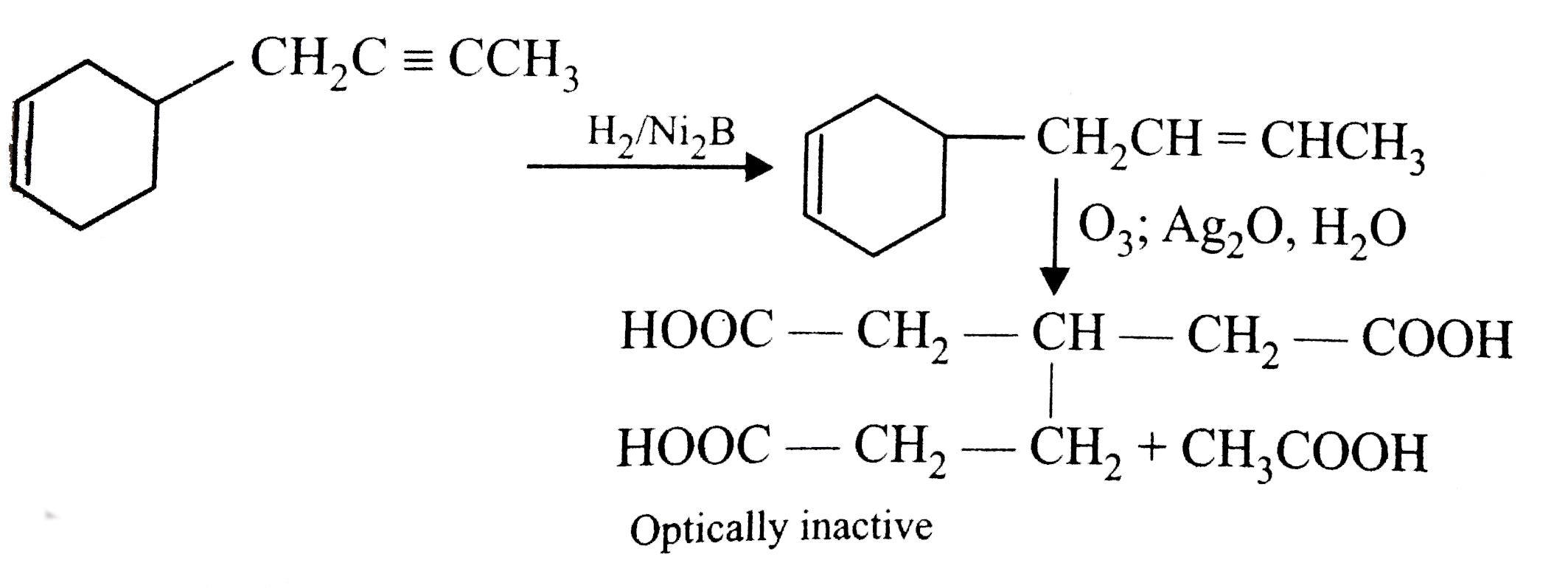
|
|
| 41. |
Catalytic hydrogenation involves addition of hydrogen to a gt C = Clt or -C -= C- bond in presence of a metal catalyst such as Ni, Pt, Pd, etc. These are called heterogeneous catalysts. Both H_2 and alkene/alkyne get adsorbed on the surface of the metal , and syn-addition of hydrogen atoms takes place. The relative rates of hydrogenation follows the order: -C-=C- gt gt C=C lt gt C=o lt C_6H_6 If sodium or lithium in liquid ammonia is used, anti-addition of H-atoms occurs across -C-=C-bond. These reducing agents can also be used to reduce double bonds of benzene rings and conjugated dienes but not of isolated dienes. The catalytic hydrogenation of which of the following alkenes is most exothermic ? |
|
Answer»
`therefore` Theoretical enthalpy of hydrogenation of benzene should be `=3xx-199.5=-358.5 KJ mol^(-1)` SINCE the resonance ENERGY of benzene =`150.4 KJ mol^(-1)` `therefore` Actual enthalpy of hydrogenation of benzene =`-358.5-(-150.4)=-208.1 kJ mol^(-1)` |
|
| 42. |
Catalytic hydrogenation involves addition of hydrogen to a gt C = Clt or -C -= C- bond in presence of a metal catalyst such as Ni, Pt, Pd, etc. These are called heterogeneous catalysts. Both H_2 and alkene/alkyne get adsorbed on the surface of the metal , and syn-addition of hydrogen atoms takes place. The relative rates of hydrogenation follows the order: -C-=C- gt gt C=C lt gt C=o lt C_6H_6 If sodium or lithium in liquid ammonia is used, anti-addition of H-atoms occurs across -C-=C-bond. These reducing agents can also be used to reduce double bonds of benzene rings and conjugated dienes but not of isolated dienes. Which of the following functional groups is most easily reduced. |
|
Answer» GT C=O |
|
| 43. |
Catalytic hydrogenation involves addition of hydrogen to a gt C = Clt or -C -= C- bond in presence of a metal catalyst such as Ni, Pt, Pd, etc. These are called heterogeneous catalysts. Both H_2 and alkene/alkyne get adsorbed on the surface of the metal , and syn-addition of hydrogen atoms takes place. The relative rates of hydrogenation follows the order: -C-=C- gt gt C=C lt gt C=o lt C_6H_6 If sodium or lithium in liquid ammonia is used, anti-addition of H-atoms occurs across -C-=C-bond. These reducing agents can also be used to reduce double bonds of benzene rings and conjugated dienes but not of isolated dienes. [A]underset"Catalyst"overset"Lindlar's"larrCH_3-C-=C-CH_3underset(liq. NH_3)overset" Na in"to [B] [A] and [ B] are respectively |
|
Answer» cis, trans-2-butene |
|
| 44. |
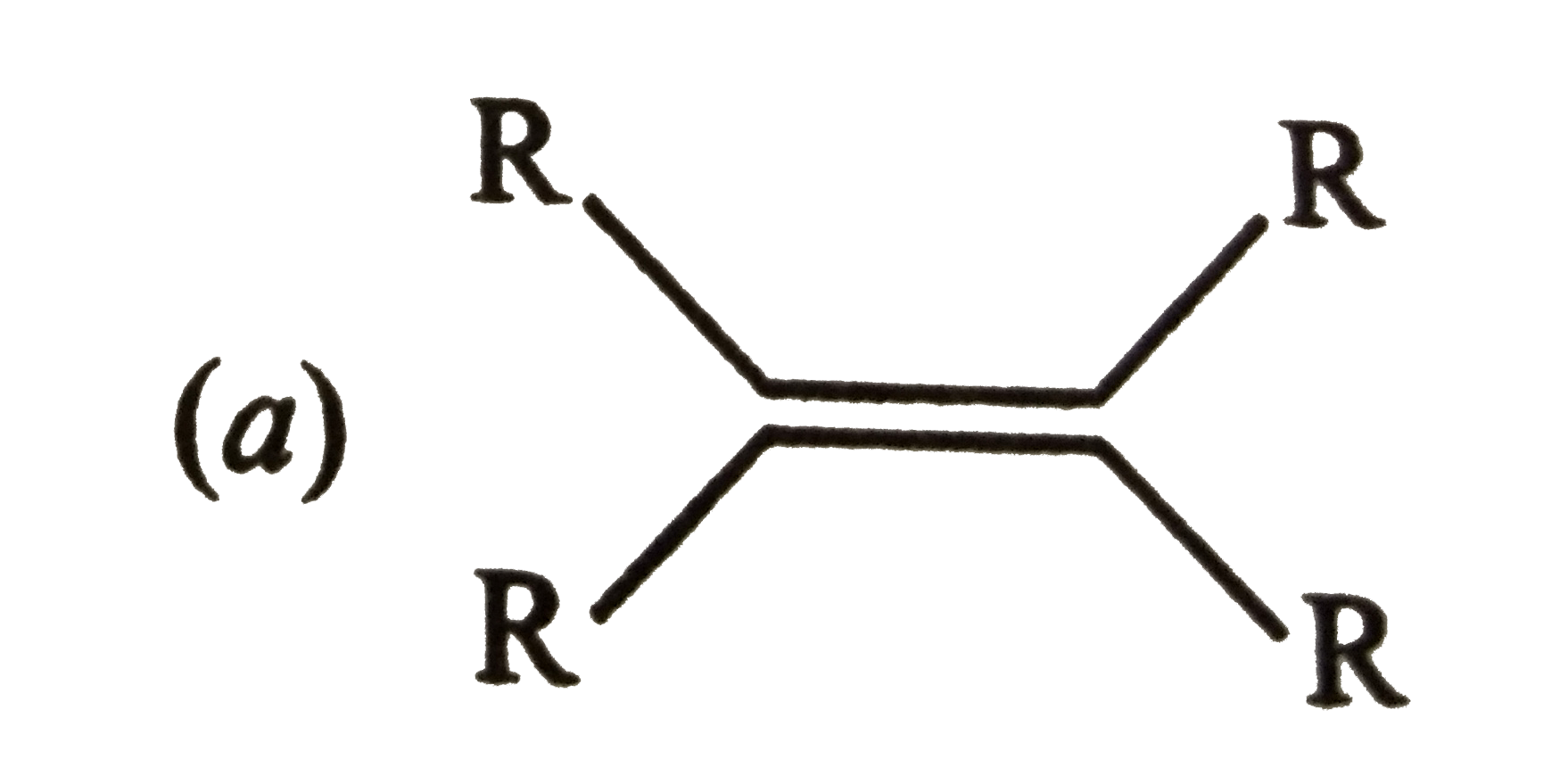
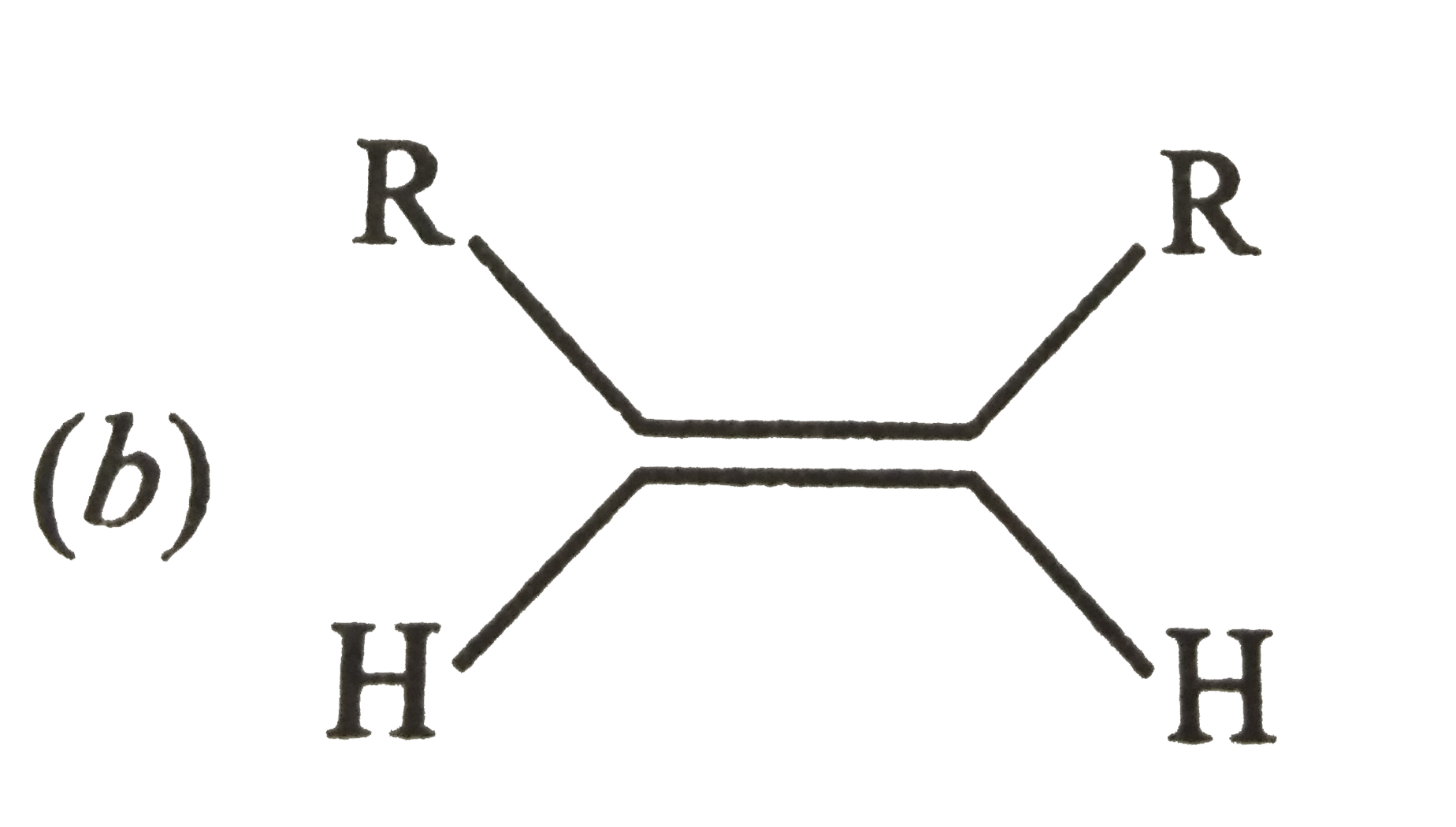
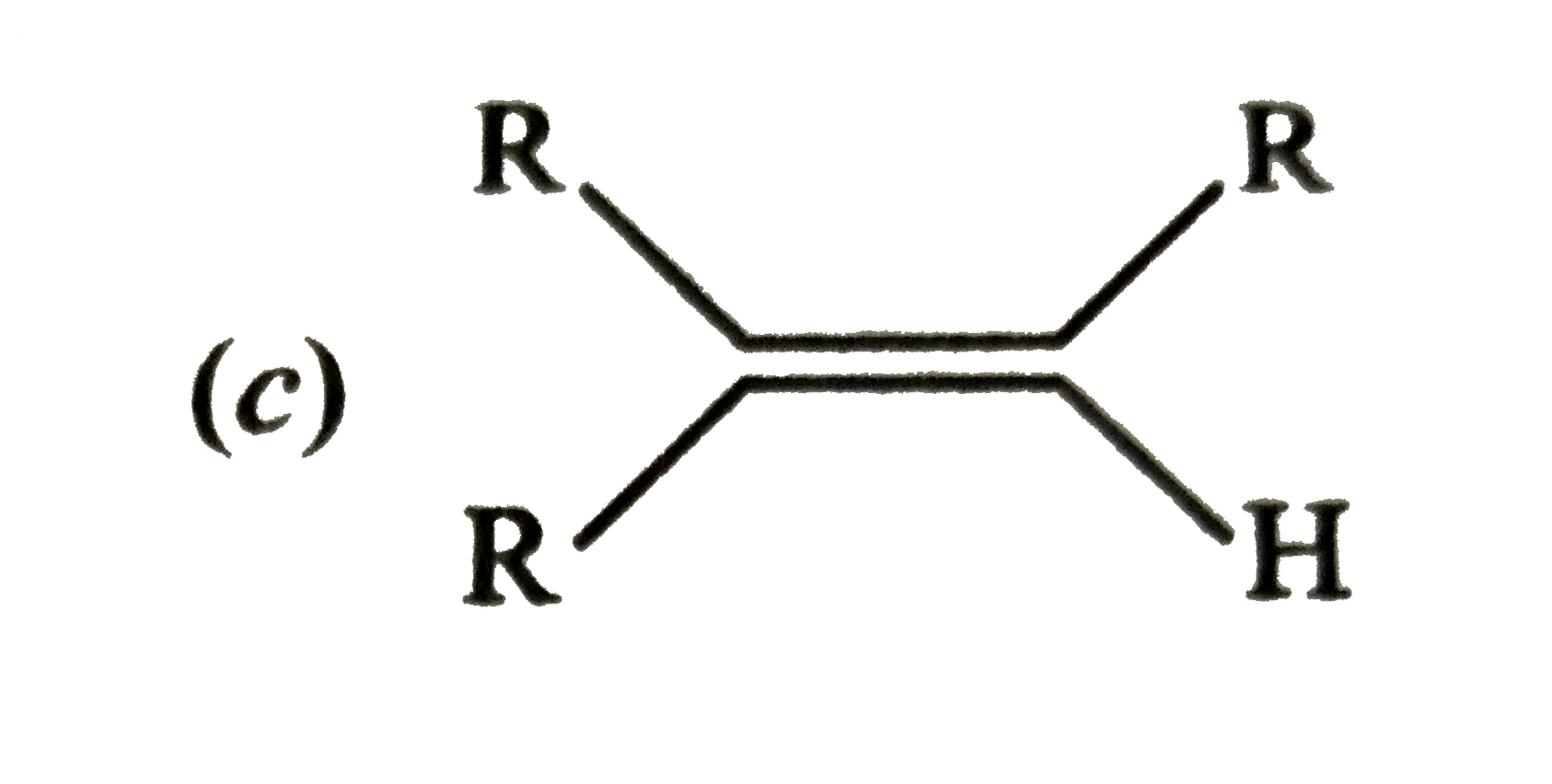
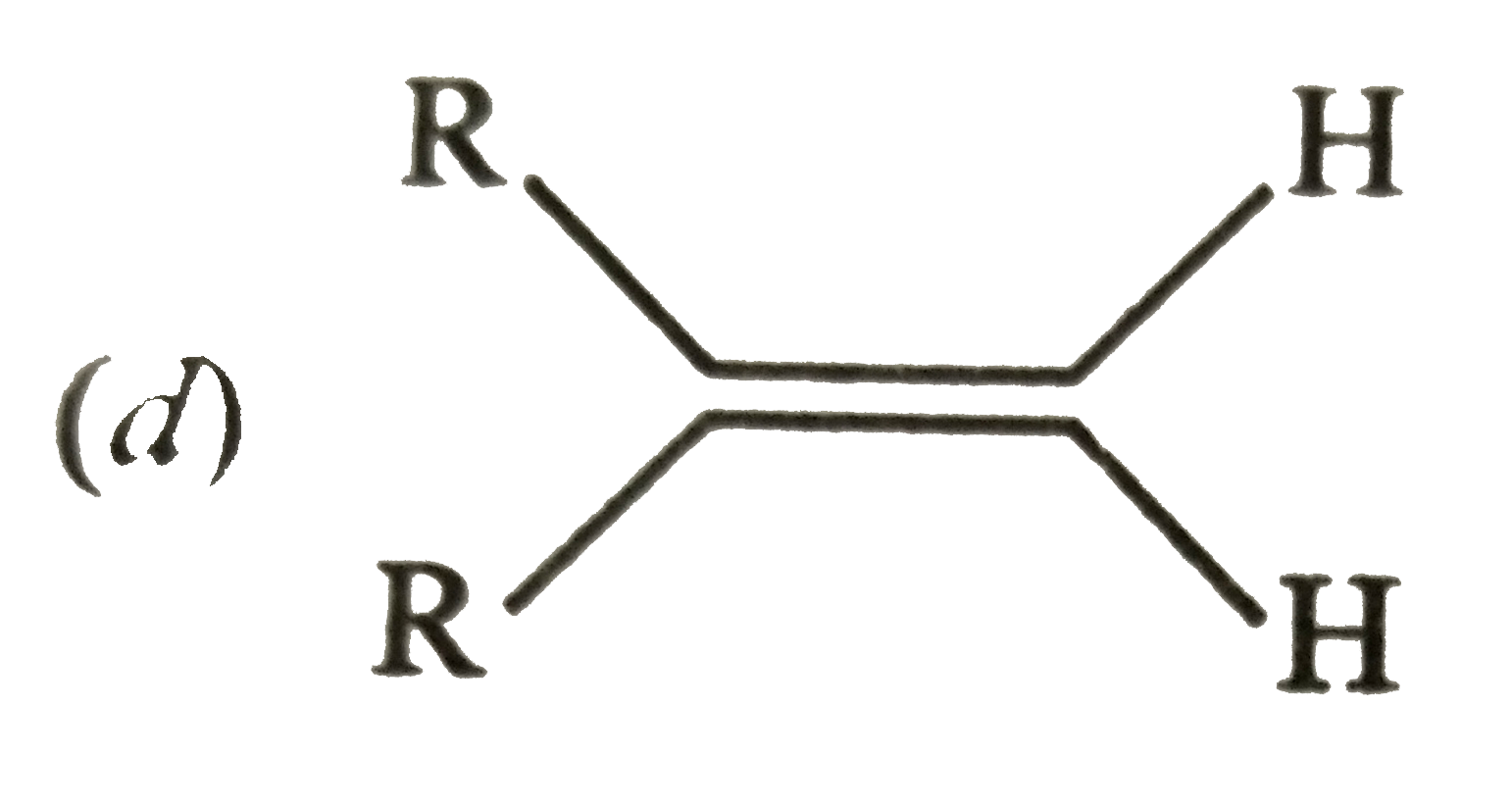
Catalytic hydrogenation involves addition of hydrogen to a gt C = Clt or -C -= C- bond in presence of a metal catalyst such as Ni, Pt, Pd, etc. These are called heterogeneous catalysts. Both H_2 and alkene/alkyne get adsorbed on the surface of the metal , and syn-addition of hydrogen atoms takes place. The relative rates of hydrogenation follows the order: -C-=C- gt gt C=C lt gt C=o lt C_6H_6 If sodium or lithium in liquid ammonia is used, anti-addition of H-atoms occurs across -C-=C-bond. These reducing agents can also be used to reduce double bonds of benzene rings and conjugated dienes but not of isolated dienes. Which of the following alkenes will react most readily with H_2 under catalytic hydrogeneration conditions ? |
|
Answer»
|
|
| 45. |
Catalytic dehydrogenation of methyl cyclohexane, obtained from petroleum gives a liquid which on treatment with chloro sulphonic acid at 370K yields a mixture to two isomers (A) and (B) ,C_7H_7SO_2CI. The major isomer (A) reacts with ammonia to form (C), which on oxidation with permanganate gives compound (D). On heating. compound (D) gives a well knownsweetening agnet (E), The minor isomer (B) also with ammonia to give a compound (F) which on treatment with NaCIO//NaOH gives an antiseptic (G). Identify (A) to (G) with proper reasoning . |
Answer» SOLUTION :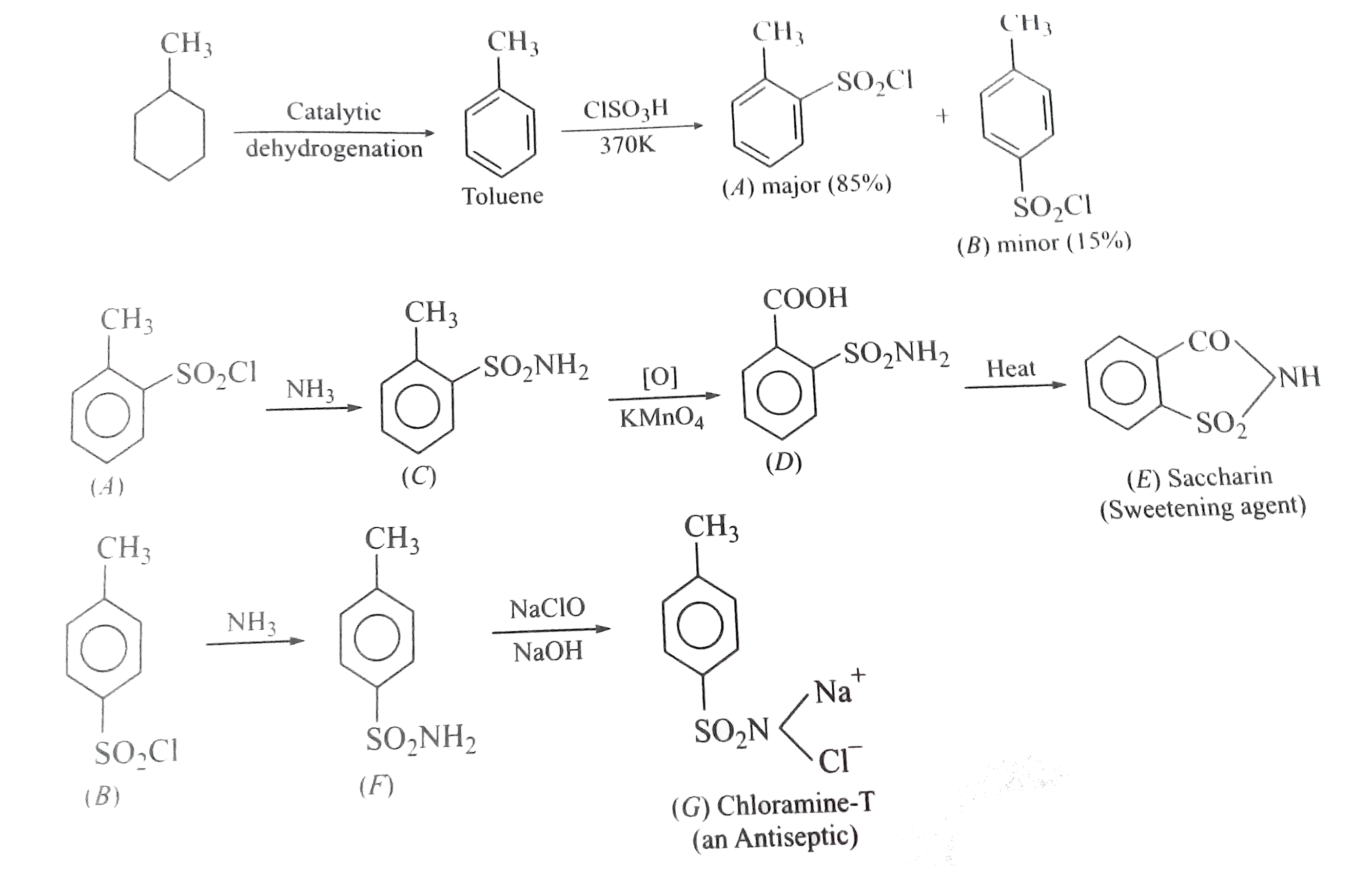
|
|
| 46. |
Catalystic hydrogenation is most easy in alkenes of the type |
|
Answer» `R_(2)C=CH_(2)` 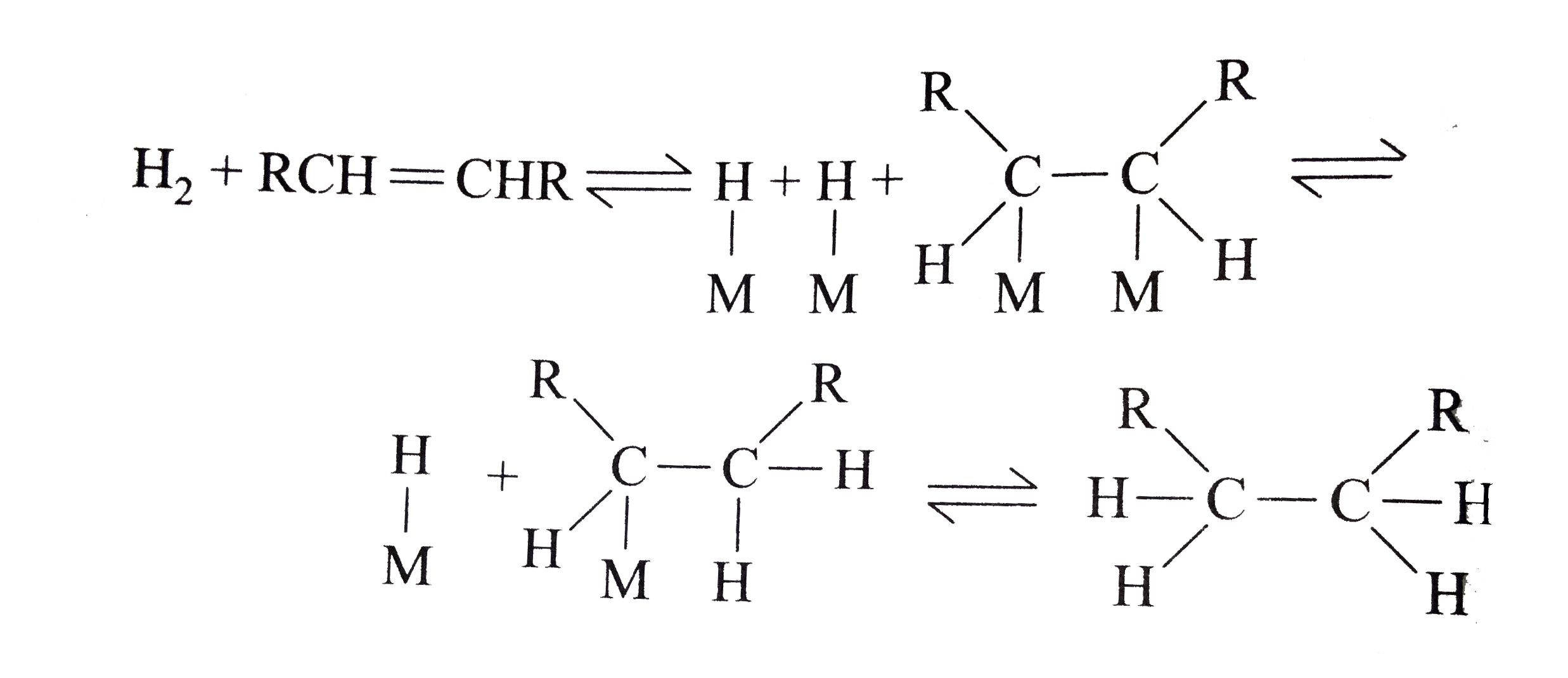 Here, `M` stands for metal catalyst. |
|
| 47. |
Catalyst used in dimerisation of acetylene to prepare chloroprene is |
|
Answer» `HgSO_4+ H_2SO_4` |
|
| 48. |
Catalyst speeds up the attainment of equilibrium by providing a new pathway having a _________ . |
|
Answer» LOWER ACTIVATION ENERGY |
|
| 49. |
Catalyst only: |
|
Answer» DECREASE ACTIVATION energy |
|
| 50. |
Cassiterite is concentrated by |
|
Answer» LEVIGATION |
|