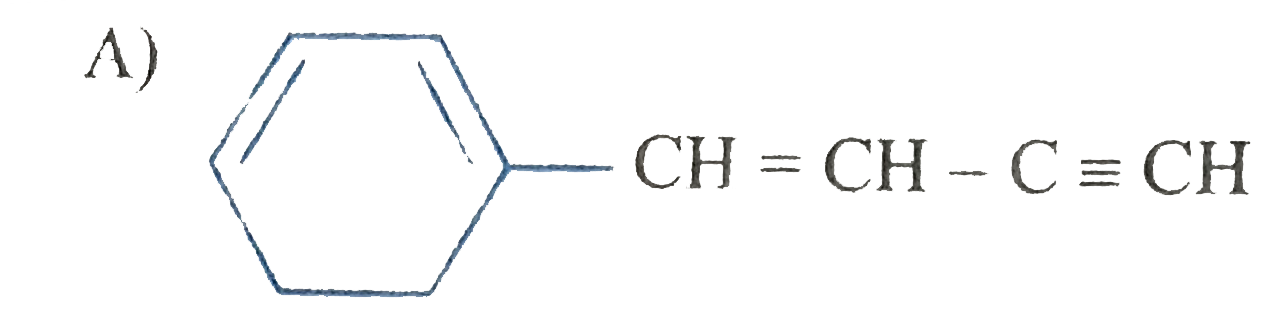
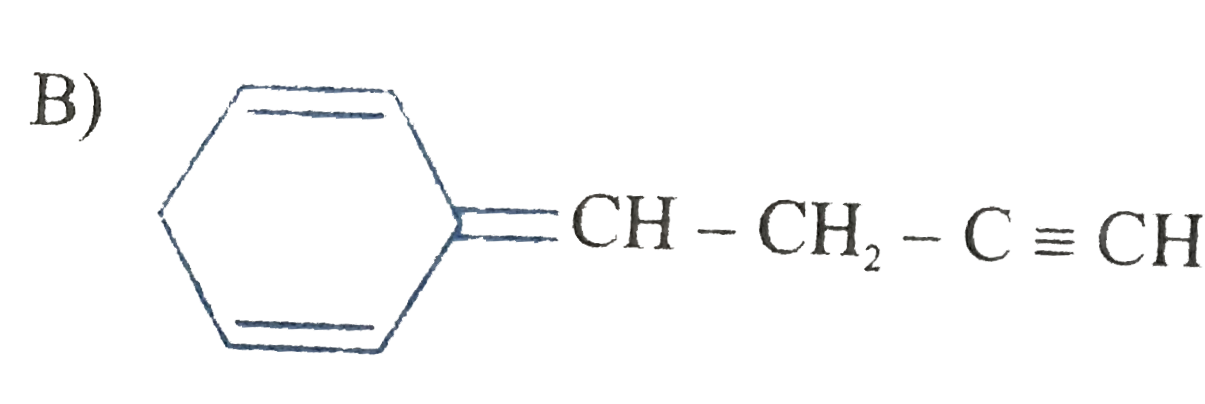
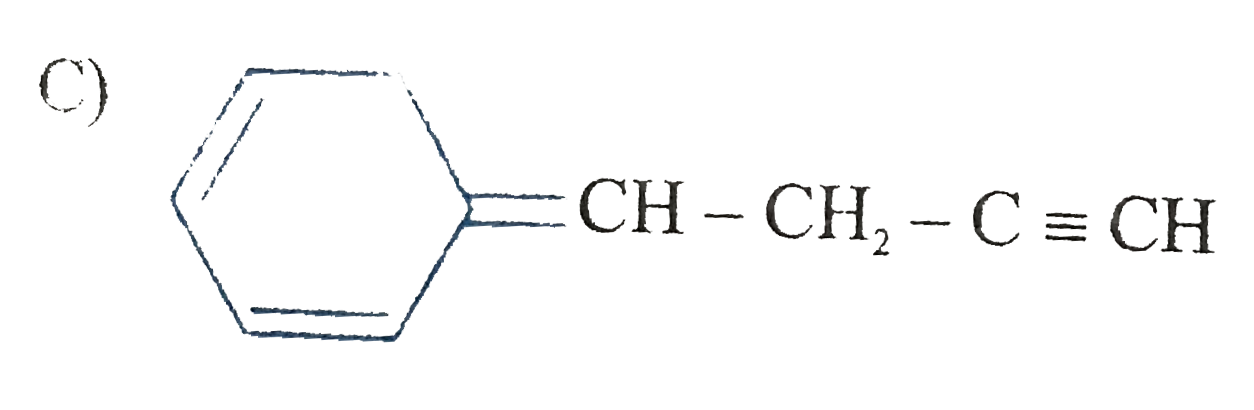
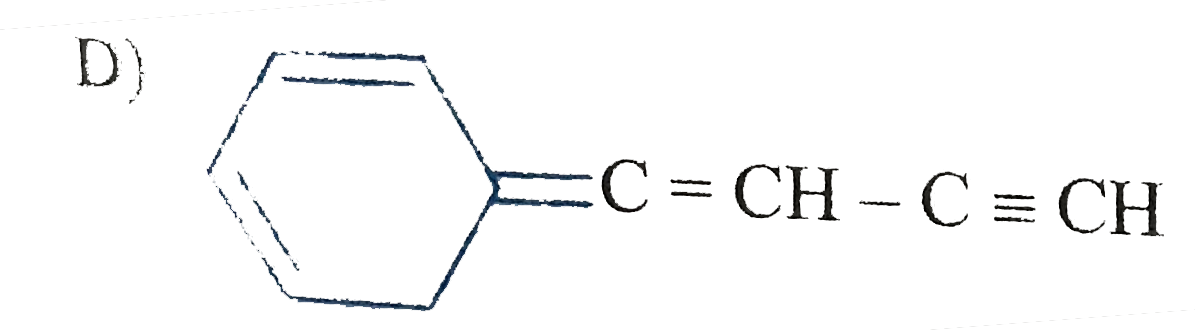
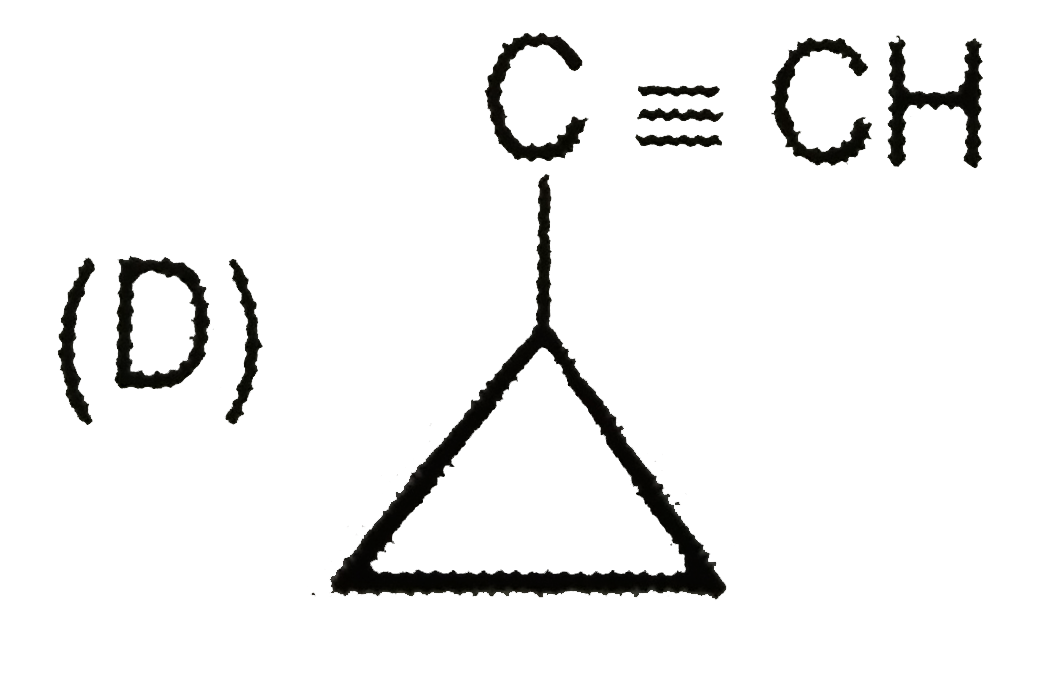
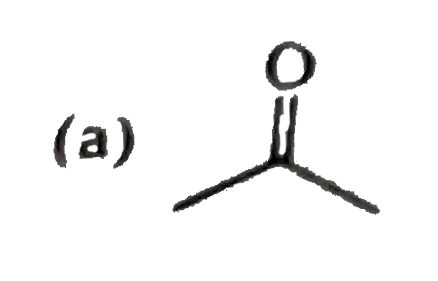
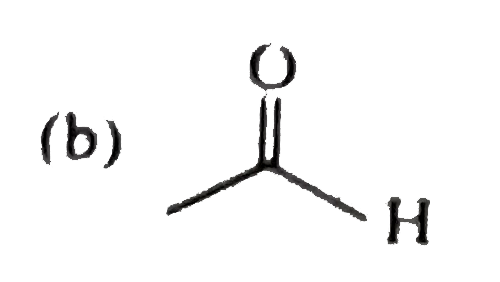
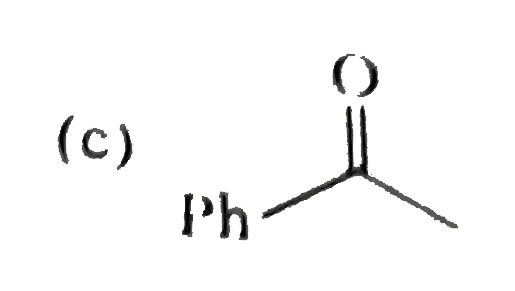
Saved Bookmarks
This section includes 7 InterviewSolutions, each offering curated multiple-choice questions to sharpen your Current Affairs knowledge and support exam preparation. Choose a topic below to get started.
| 1. |
Comprehension given below is followed by some multiple choice questions. Each question has one correct option. Choose the correct option. In the modern periodic table, elements are arranged in order of increasing atomic numbers which is related to the electronic configuration. Depending upon the type of orbitals receiving the last electron, the elements in the periodic table have been divided into four blocks, viz, s, p, d and f. The modern periodic table consists of 7 periods and 18 groups. Each period begins with the filling of a new energy shell. In accordance with the Aufbau principle, the seven periods (1 to 7) have 2, 8, 8, 18, 18, 32 and 32 elements respectively. The seventh period is still incomplete. To avoid the periodic table being too long, the two series of f-block elements, called lanthanoids and actinoids are placed at the bottom of the main body of the periodic table. (i) The element with atomic number 57 belongs to |
|
Answer» s-block This behaviour can be explained on the basis of higher STABILITY of the XENON core (inert GAS) Z = 56 (Barium), After on the addition of the next electron (i.e. `57^(th))` should occur in 4f-orbital in accordance with aufbau principle. This will however, tends to destabilize the xenon. (Z = 54), configuration ` (4d^(10),4f^(0) 5s^(2) 5p^(6)5d^(0))` since the 4f-orbital lie inside the core. `57^(th)` electron prefers to enter into the 5d-orbital which lies outside the xenon core and its energy is slightly than that of 4f-orbital. Instability caused due to the addition of one electron to the higher energy state of 5d- orbital instead of the lower energy state of 4f-orbital. THEREFORE, the electronic configuration of La (Z = 57) is `5d^(1) 6s^(2)` rather than the expected `4f^(1)6s^(2)` |
|
| 2. |
Comprehension given below is followed by some multiple choice questions. Each question has one correct option. Choose the correct option. In the modern periodic table, elements are arranged in order of increasing atomic numbers which is related to the electronic configuration. Depending upon the type of orbitals receiving the last electron, the elements in the periodic table have been divided into four blocks, viz, s, p, d and f. The modern periodic table consists of 7 periods and 18 groups. Each period begins with the filling of a new energy shell. In accordance with the Aufbau principle, the seven periods (1 to 7) have 2, 8, 8, 18, 18, 32 and 32 elements respectively. The seventh period is still incomplete. To avoid the periodic table being too long, the two series of f-block elements, called lanthanoids and actinoids are placed at the bottom of the main body of the periodic table. The last element of the p-block in 6th period is represented by the outermost electronic configuration. |
|
Answer» `7s^(2)7p^(6)` Therefore, `6^(th)` PERIOD starts with the filling of 6sorbital and ends when 6p-orbitals are completely fully filled. According to Aufbau principal, 4f and 5d-orbitals are fully filled. Therefore, the electronic configuration of the last element of the p-block in the `6^(th)` period is `6s^(2)4f^(14)5d^(10)6p^(6) or 4f^(14)5d^(10)6s^(2)6p^(6)` |
|
| 3. |
Comprehensiongiven below is followedby somemultiplechoicequestions.Eachquestion hasonecorrect option. Choosethe correctoption. In themodernperiodic tableelementsare arranged inorder of increasingatomicnumbers which is related to the electronicconfiguration . Dependingupon thetype of orbitalsreceiving the last electron the elements in the periodictable havebeen dividedinto four blocksviz, s, p, d and f. The modern periodictable consists of 7 periodsand 18groups.Each period begins withthe fillingof a new energy shell . Inaccordance withthe aufbau principle, the sevenperiods (1 to 7)have 2,8,8 ,18,18, 32 and 32elements respectively. Toavoidthe periodictable beingtoo long theseriesoff-blockelements calledlanthanoids and actinoidsare placed at thebottomof the main body ofthe periodictable. |
|
Answer» (i) The element with atomicnumber57belongs to (ii) Eachperiodstartswith thefillingof electrons in a newprincipalenergyshell. Therefore6thperiod startswiththe fillingof 6s-orbital and end when6p-orbitals are completelyfilled. In between4f and5d- orbitals are filled in accordancewithaufbauprinciple. thusthe outermostelectronicconfigurationof thelastelementof the p- blockin the6thperiodis `6s^(2)4f^(14)5d^(10) ` or `4f^(14) 5d^(10)6s^(2)6p^(6)` Thusoption ( c) ISCORRECT. (iii) Refer to Ansto Q.2 and Q.3. page `3//61` (iv) The fifthperiod.Since the4thperiodhas 18elementthereforethe atomicnumberof theelementwhichliesimmediately abovethe elementwith atomicnumber43 is= 43 -18 = 25. Nowthe electronicconfigurationof elementwith Z= 25 is`1s^(2)2s^(2)2p^(6)3s^(2)3d^(5)4s^(2)` i.e.,option( a) iscorrect Eachperiodends witha noblegas. Theatomicnumbersof noblegases(i.e.,group18 elements ) are2, 10 , 18 ,36 , 54and 86. Thereforeelementswith atomicwith atomicnumbers 35 (36-1) , 53 (54-1)and85 (86 -1) lie in a groupbeforenoblegasesi .e., halogens (group 17) elements.Thusthe element withatomicnumbers35,53 and85 are allhalogens i.e.,option( b) is correct. |
|
| 4. |
Comprehension # 9 A 10ml mixture of N_(2), a alkane & O_(2) undergo combustion in Eudiometry tube. There was contraction of 2ml, when residual gases are passed are passed through KOH. To the remaining mixture comprising of only one gas excess H_(2) was added & after combustion the gas product is absorbed by water. causing a reduction in volume of 8ml. Gas produced after introduction of H_(2) in the mixture? Identify the hydrocarbon. |
|
Answer» `CH_(4)` `{:(n=7),(CH_(4)):}` |
|
| 5. |
Comprehension # 9 A 10ml mixture of N_(2), a alkane & O_(2) undergo combustion in Eudiometry tube. There was contraction of 2ml, when residual gases are passed are passed through KOH. To the remaining mixture comprising of only one gas excess H_(2) was added & after combustion the gas product is absorbed by water. causing a reduction in volume of 8ml. Gas produced after introduction of H_(2) in the mixture? Volume of O_(2) remained after the first combustion? |
| Answer» Answer :C | |
| 6. |
Comprehension # 7 Oleum is considered as a solution of SO_(3) in H_(2)SO_(4), which is obtained by passing SO_(3) in solution of H_(2)SO_(4). When 100g sample of oleum is diluted with desired weight of H_(2)O then the total mass of H_(2)SO_(4) obtained after dilution is known as % labelling in oleum. For example, a oleum bottle labelled as 109% H_(2)SO_(4) means the 109gtotal mass of pure H_(2)SO_(4) will be formed when 100g of oleum is diluted by 9g of H_(2)O which combines combines with all the free SO_(3) present in oleum to form H_(2)SO_(4) as SO_(3)+H_(2)OrarrH_(2)SO_(4) 1 g of oleum sample is diluted with water. The solution required 54 mL of 0.4 N NaOH for complete neutralization. The % of free SO_(3) in the sample is : |
|
Answer» Solution :`H_(2)SO_(4)+2NaOH rarr Na_(2)SO_(4)+2H_(2)O` `{:(,H_(2)SO_(4),+,2NaOHrarrNa_(2)SO_(4)+2H_(2)O),(,(0.4xx54)/(2xx1000),,0.4 N),(,,,54 ml):}` `wt`. Of `H_(2)SO_(4) = 1.058 gm` MOLE of `H_(2)O = (0.0584)/(18)` `n_(SO_(3)) = 0.003244` `wt`. of `SO_(3) = 0.26 gm` `%` free `SO_(3) = 26` |
|
| 7. |
Comprehension # 7 Oleum is considered as a solution of SO_(3) in H_(2)SO_(4), which is obtained by passing SO_(3) in solution of H_(2)SO_(4). When 100g sample of oleum is diluted with desired weight of H_(2)O then the total mass of H_(2)SO_(4) obtained after dilution is known as % labelling in oleum. For example, a oleum bottle labelled as 109% H_(2)SO_(4) means the 109gtotal mass of pure H_(2)SO_(4) will be formed when 100g of oleum is diluted by 9g of H_(2)O which combines combines with all the free SO_(3) present in oleum to form H_(2)SO_(4) as SO_(3)+H_(2)OrarrH_(2)SO_(4) If excess water is added into a bottle sample labelled as 112% H_(2)SO_(4) and is reacted with 5.3 g Na_(2)CO_(3) then find the volume of CO_(2) evlovedat 1atm pressure and 300 K temperature after the completion of the reaction |
|
Answer» `2.46 L` `{:((112)/(98),(5.3)/(106),""0.05),(1.1428,0.05,):}` `V_(co^(2)) = 0.05xx24.63 = 1.23l` |
|
| 8. |
Comprehension # 9 A 10ml mixture of N_(2), a alkane & O_(2) undergo combustion in Eudiometry tube. There was contraction of 2ml, when residual gases are passed are passed through KOH. To the remaining mixture comprising of only one gas excess H_(2) was added & after combustion the gas product is absorbed by water. causing a reduction in volume of 8ml. Gas produced after introduction of H_(2) in the mixture? Volume of N_(2) present in the mixture? |
|
Answer» Solution :`NH_(3) = 8 ML` `{:(N_(2)+3H_(2)rarr2NH_(3)),(4ml""8):}` |
|
| 9. |
Comprehension # 6 The percentage labelling of oleum is a unique process by means of which, the percentagecomposition of H_(2)SO_(4), SO_(3) (free) and SO_(3) (combined) is calculated. Oleum is nothing but it is a mixture of H_(2)SO_(4) and SO_(3) i.e., H_(2)S_(2)O_(7),which is obtained by passing. SO_(3) in solution of H_(2)SO_(4). In order of dissolve free SO_(3) in oleum, dilution of oleum is done, in which oleum converts into pure H_(2)SO_(4). It is shown by the reaction as under : H_(2)SO_(4)+SO_(3)+H_(2)Orarr2H_(2)SO_(4)("pure") or ""SO_(3)+H_(2)OrarrH_(2)SO_(4)("pure") When 100g sample of oleum is diluted with desired weight of H_(2)O("in" g), then the total mass of pure H_(2)SO_(4) obtained after dilution is known as percentage labelling in oleum. For example, if the oleum sample is labelled as ""109%H_(2)SO_(4)" it means that 100 g of oleum on dilution with 9m of H_(2)O provides109g pure H_(2)SO_(4), in which all free SO_(2) in 100g of oleum is dissolved. For "118% H_(2)SO_(4) labelled oleum, if the number of moles of free SO_(3), number of moles of H_(2)SO_(4) and number of moles of H_(2)O be x, y and z respectively, then what will be value x+y+z ? |
|
Answer» `3.2` |
|
| 10. |
Comprehension # 6 The percentage labelling of oleum is a unique process by means of which, the percentagecomposition of H_(2)SO_(4), SO_(3) (free) and SO_(3) (combined) is calculated. Oleum is nothing but it is a mixture of H_(2)SO_(4) and SO_(3) i.e., H_(2)S_(2)O_(7),which is obtained by passing. SO_(3) in solution of H_(2)SO_(4). In order of dissolve free SO_(3) in oleum, dilution of oleum is done, in which oleum converts into pure H_(2)SO_(4). It is shown by the reaction as under : H_(2)SO_(4)+SO_(3)+H_(2)Orarr2H_(2)SO_(4)("pure") or ""SO_(3)+H_(2)OrarrH_(2)SO_(4)("pure") When 100g sample of oleum is diluted with desired weight of H_(2)O("in" g), then the total mass of pure H_(2)SO_(4) obtained after dilution is known as percentage labelling in oleum. For example, if the oleum sample is labelled as ""109%H_(2)SO_(4)" it means that 100 g of oleum on dilution with 9m of H_(2)O provides109g pure H_(2)SO_(4), in which all free SO_(2) in 100g of oleum is dissolved. What volume of 10 M NaOH ("in" mL) will be required to react completely with free SO_(3) in 118% labelled oleum sample? |
|
Answer» `500 ML` |
|
| 11. |
Comprehension # 3 Branched - chain alkanes are named according to the following rules. (1)Longest chain Rule - Locate the longest continuous chain of carbon atoms. This chain determines the parent name of the alkane. (2) Lowest set of locants -The longest continuous chain are numbered by arabic numerals 1,2,3,4....from one end of chain to the other, in such a manner that carbon atom carrying first substituent gets the lowest number. (3) Name of the branched chain alkane - The substituent name and the parent alkane are joined in one word and there isa hyphen between the number and the substituent name. (4) Alphabetical order of the side chains- When two or more substituent group should be listed alphabetically. (5) Numbering of different alkyl groups at equivalent positions - If two different alkyl groups are present atequivalent positions the numbering of the parent chain is done in such a way that alkyl group which comes first in the alphabetical order gets the lower number. (6) Naming of same alkyl groups at different positions - When two or more substituents are identical, indicate this by the use of prefixes di, tri, tetra and soon. Commas are used to separate number from each other. (7) Rule of larger number of subsitiuents - If a compound has two or more chains of the same length, the parent hydrocarbon is the chain with the greater number of substituents.(8) Numbering the complex substituent - Name such as iso-propyl, sec-butyl and tert-butyl are acceptable substituent name is the IUPAC system of nomenclature but systematic name are preferable. Systematic substituent names are obtained by numbering the substituent starting at the carbon that is attached to the parent hydrocarbon. Thismeans that the carbon that is attached to the parent hydrocarbon is always the number-1 carbon of the substituent.In following compound CH_(3)-CH_(2)-underset(CH_(3))underset(|)overset(CH_(3))overset(|)(C)-underset(CH_(3))underset(|)(CH)-overset(CH_(3))overset(|)(CH)-CH_(2)-CH_(3)The IUPAC name of the compound is ? CH_(3)-CH_(2)-underset(CH_(3))underset(|)(CH)-overset(CH_(3)-CH-CH_(2)-CH_(2)-CH_(3))overset(|)(CH)-underset(CH_(2)-CH_(3))underset(|)(CH)-CH_(2)-CH_(3) |
|
Answer» 5-Ethyl-3-Methyl-4-(1-Methylpropyl) octane |
|
| 12. |
Comprehension # 4 A monobasic acid of weight 15.5 g is heated with excess of oxygen & evolved gases when passed through KOH solution increased its weight by 22 g and when passed through anhydrousCaCI_(2), increased its weight by 13.5 g. When the same mass of this organic acid is reacted with excess of silver nitrate solution form 41.75 g silver salt of the acid which on ignition gave the residue of weight 27 g. The molar masses of the acid & its silver salt repectively are : |
|
Answer» `60,168` |
|
| 13. |
Comprehension # 2 In addition to the standar ring systems (such as cyclohexane), cyclic compounds can also be bicylic tricylic, etc. or they can be spirocyclic, bicyclic or bridge head carbons. The point of attachment of two rings are called bridge head atoms. The formal names of bicyclic and related ring system are based on (a) Total number of atoms in the molecule. (b) The number of atoms in each bridge connecting the bridge head atoms. These number are written square bracket in decreasing order. Spirocyclic compounds have two fused rings, but only one bridge head atom. Spirocyclic compounds and named like bicyclic compounds, but have the prefix spirocyclo. Answer the following question :Select the correct statements about the following compounds : |
|
Answer» It is a tricyclic COMPOUND |
|
| 14. |
Compounds with same molecular formula but differing in their structure are said to be structural isomers. What type of structural isomerism is shown by…… CH_(3)-S -CH_(2)-CH_(2)-CH_(3) and CH_(3)-S - overset(overset(CH_(3))(|))(C H)-CH_(3) |
Answer» SOLUTION :These isomers containing same molecular formula `C_(4)H_(10)S`. And DIFFER in the position of the FUNCTIONAL group. So they are position isomers. Thus,   May be reagrded as position isomers. They cannot be regarded as metamers since metamers have different no. of carbon atoms on either SIDE of the fun group. But has, the no. of carbon atom on either side of sulphur atom (fun group) is the same i.e. 1 and 3 (A) `CH_(3) - S - overset(1)(C )H_(2)- overset(2)(C )H_(2) - overset(3)(C )H_(3)` Methyl-n-propyl thioether or Methyl sulphoxy -n-propene (B) `CH_(3)- S - overset(overset(overset(1)(C H_(3)))(2|))(CH)- overset(3)(C )H_(3)` Methyl sulphoxy-(2-methyl) propene or Iso propyl methyl thioether |
|
| 15. |
Compounds with C_(4)H_(11)N as molecular formula can exhibit |
|
Answer» POSITION ISOMERISM |
|
| 16. |
Compounds which readily undergo hydrolysis are |
|
Answer» `C Cl_(4)` `BCl_(3)+3H_(2)OtoB(OH)_(3)+3HCl` `SiCl_(4)+4H_(2)OtoH_(4)SiO_(4)+4HCl` |
|
| 17. |
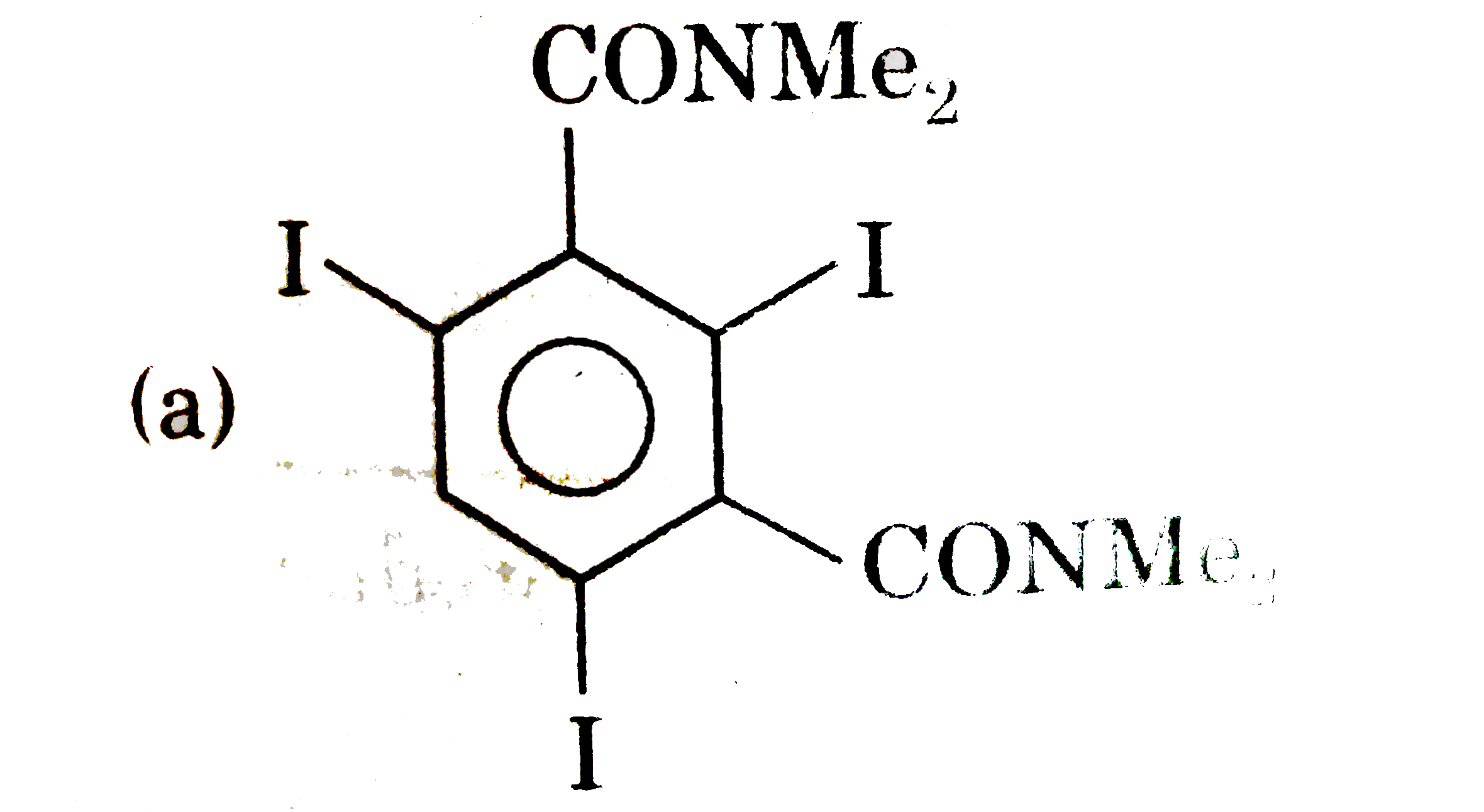
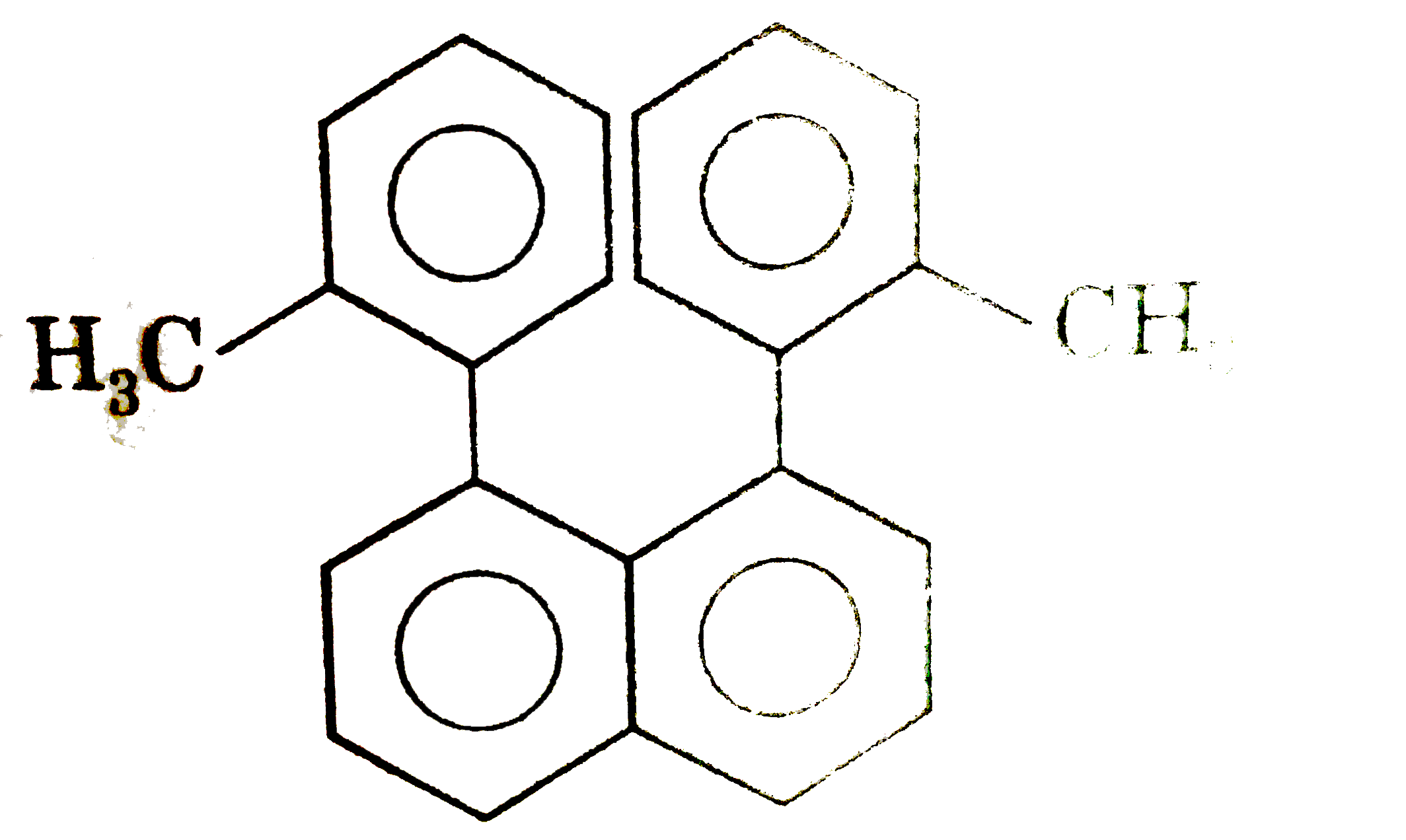
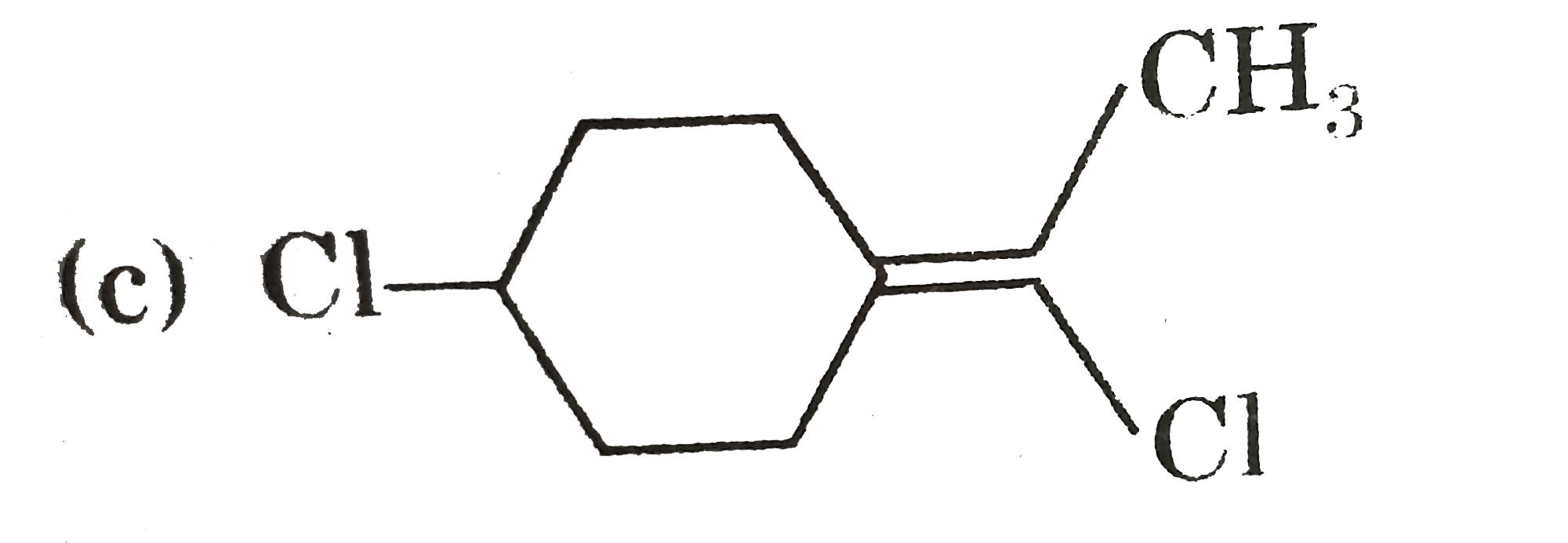
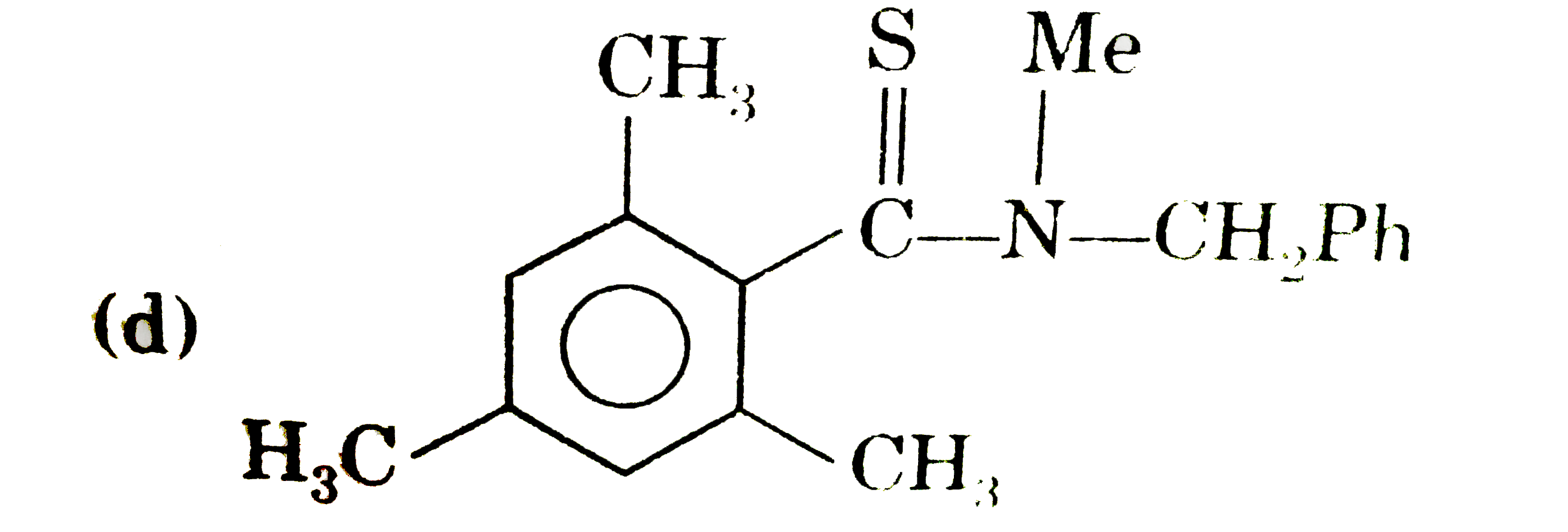
Compound(s) that on hydrogenation produce(s) optically inactive compound(s) is(are) |
|
Answer»

|
|
| 18. |
Compounds of which of the following elements can act as the catalyst in aromatic substitution reaction ? |
|
Answer» GA,Tl |
|
| 20. |
Compound(s) of Na insoluble in water at room temperature (is) are |
|
Answer» Glauber's salt |
|
| 21. |
Compounds of group 2 elements are less soluble in water than the corresponding salts of group 1 elements due to |
|
Answer» their HIGHER ionisation ENTHALPY |
|
| 22. |
Compounds of alkaline earth metals are less soluble in water than the corresponding alkali metals salts due to : |
|
Answer» their INCREASED covalent character |
|
| 23. |
Compounds 'I' and 'J' both have same M.F. i.e.C_7H_(14) 4. Both are optically active and both rotatethe plane-polarized light in the same direction. On catalytic hydrogenation 'l' and 'J'? yields same compound 'K' (C_7H_(16)) which is optically active. Then the structure of 'K' is |
|
Answer» 2,3 – DIMETHYL butane |
|
| 24. |
Compounds I and II can be distinguished by using reagent. {:("(I)",,"(II)"),("4-Hydroxy-4-methypent-2-enoic acid",,"5-Hydroxypent-2-ynoic acid "):} |
Answer» 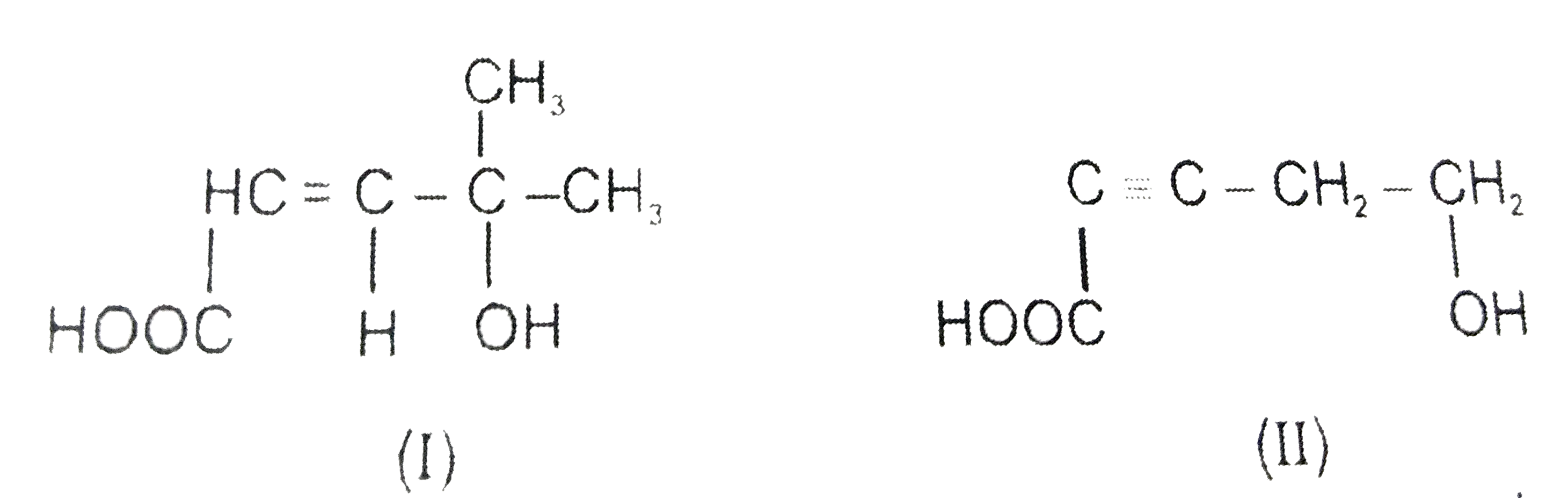 (i) Gives immediate turbidity by LUCAS reagent and (II) does not gives turbidity appriciably. |
|
| 25. |
Compounds having the same molecular formula, same structure with different configuration are called stereoisomers and the phenomenon is called stereoisomerism. The phenomenon is broadly classified with three types called (a) geometrical isomerism (b) optical isomerism and (c) conformational isomerism.Which of the following compounds possess only three stereoisomers |
|
Answer» a. 2, 3-dichloropentane |
|
| 26. |
Compounds having the same molecular formula, same structure with different configuration are called stereoisomers and the phenomenon is called stereoisomerism. The phenomenon is broadly classified with three types called (a) geometrical isomerism (b) optical isomerism and (c) conformational isomerism. Which of the following compounds possess diastereisomerism CH_(3)underset(I)(CH)=CHCH_(3)""CH_(3)-underset(II)(CH_(2))-CH=CH_(2)""CH_(3)-underset(III)underset(CH_(3))underset(|)(C)=CHCH_(3) |
|
Answer» I, II |
|
| 27. |
Compounds having the same molecular formula, same structure with different configuration are called stereoisomers and the phenomenon is called stereoisomerism. The phenomenon is broadly classified with three types called (a) geometrical isomerism (b) optical isomerism and (c) conformational isomerism. Which of the following compounds exhibit both geometrical as well as optical isomerism |
|
Answer» `CH_(2)=CH-CH-UNDERSET(OH)underset(|)CH-CH_(3)` |
|
| 28. |
Compounds having the same molecular formula but different structures are classified as structural isomers. Structural isomerism include chain, position, functional, group isomerism and metamerism. answer the following questions on the basis of above paragraph : (i) What is functional isomerism ? (ii) CH_(3)OC_(3)H_(7) and C_(2)H_(5)OC_(2)H_(5) represent which type of isomers ? |
|
Answer» Solution :(i) In this type of isomerism, the isomers having the same molecular formula have different FUNCTIONAL groups and also belong to different FAMILIES. For details, consult section 12.20. (II) these are regarded as metamers since they DIFFER in the nature of the alkyl groups the same functional GROUP. |
|
| 29. |
Compounds having some empirical formula always have same |
|
Answer» MOLECULAR MASS |
|
| 30. |
Compounds having boiling points widely apart 40k and above can be purified by_________. |
|
Answer» Crystallisation |
|
| 31. |
Compound 'Z' is: |
|
Answer»
|
|
| 32. |
Compound X will be |
|
Answer»
|
|
| 33. |
Compound X on reduction with LiAlH_(4) gives a hydride Y containing 21.72% hydrogen and other products. The compound Y reacts with air expolosively resulting in boron trioxide. What are X and Y respectively ? |
|
Answer» `BCl_(3), B_(2)H_(6)` 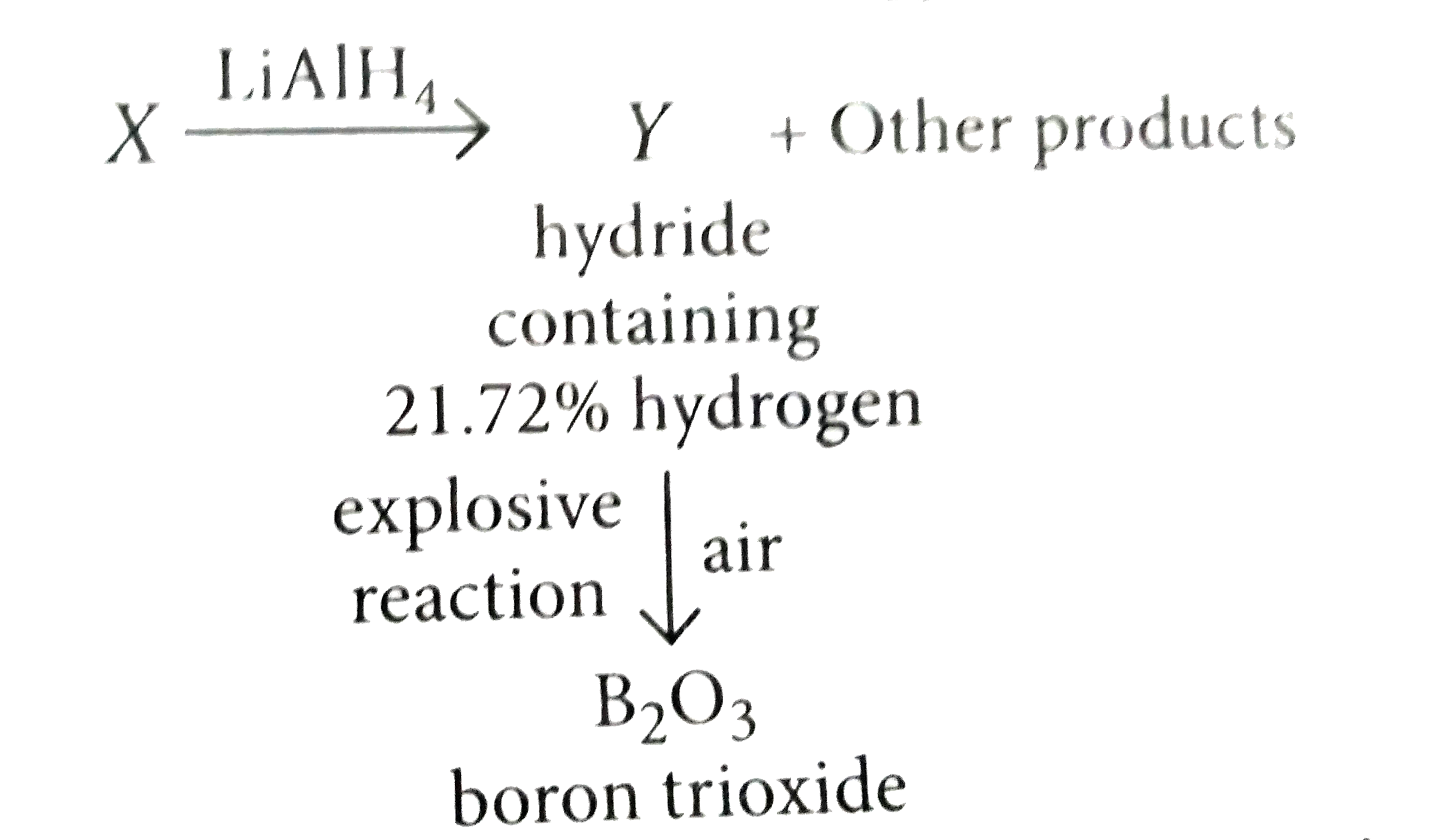 From the reaction scheme and the properties, it is clear that the COMPOUND Y is boron hydride. The boron hydride that contains 21.72% hydrogen is `B_(2)H_(6)`. So, Y is `B_(2)H_(6)` (dibrorane). `B_(2)H_(6)` is obtained by the reduction of `BCl_(3)` by `LiAlH_(4)`. So, X is `BCl_(3)`. Reactions : `underset((X))(4BCl_(3))+3LiAlH_(4)rarr 3LiCl+underset((Y))(2B_(2)H_(6))+3AlCl_(3)` `underset((Y))(B_(2)H_(6))+underset("from AIR")(3O_(2))overset("EXPLOSIVE")rarr B_(2)O_(3)+3H_(2)O` |
|
| 34. |
Compound X one treatment with HI give Y, Y on treatment with ethanolic KOH gives Z (an isomer of X). Ozonolysis of Z (with H_2O_2 workup) gives a two -carbon carboxylic acid and four carbon ketone . Hence, X is : |
|
Answer» 2-methyl-2-pentene |
|
| 35. |
Compound X onreductionwith LiAlH_(4) givesa hydride Y containing 21.72% hydrogenalong withother products. The compound Y reactswith airexplosively resultingin borontrioxide. Identify Xand Y. Givebalancedequations involved in the formation of Y and its reactionwith air. Drew thestructure of Y. |
|
Answer» Solution :Step 1. To determine the molecular formulaand structureof compound Y. (i) Since the hydride Y reacts with airforming boron TRIOXIDE, Therefore, `Y` must be an hydrideof boron. (ii)`%H = 21.72%` (Given) `:. %B = 100-21.72 = 78.28%` Now, `B : H = (78.28)/(11) :(21.72)/(1)= 7.12:21.72 = 1: 3 , :. E.F. " of "Y = BH_(3)` Since boron forms two types of hydrides, i.e., `B_(n)H_(n+4)` (nidoboranes) and `B_(n)H_(n+6)` (arachnoborans), therefore Y must bea nidoboranewith `n = 2`. Thus, M.F. of `Y = B_(2)H_(6)`. It Y is `B_(2)H_(6)` (diborane), then its structuremust be as follows : Bridges `B"........."H = 134` pm Terminal `B "______" = 119` pm Step 2. To determine the structureof the compound X. Since compound T i.e, `B_(2)H_(6)` is formedby reduction of compound X with `LiAlH_(4)`, therefore , X musteither `BCl_(3)` or `BF_(3)`. `underset(X)(4BF_(3)) + 3LiAlH_(4) overset("other")rarr underset(Y)(2B_(2)H_(6)) + 3LiAlF_(4)` The equation representing the reaction of Y with `O_(2)` maybe written as follows : `underset("Diborane",Y)(B_(2)H_(6)) + 3O_(2)rarr underset("Boron trioxide")(B_(2)O_(3)) +3H_(2)O` Thus, `X = BF_(3)` and `Y = B_(2)H_(6)`. 
|
|
| 36. |
Compound 'X' on ozonolysis give 'Y' what is the structure of 'X' : |
|
Answer»
 Longest CHAIN RULE & least SUM rule Longest CHAIN RULE & least SUM rule
|
|
| 37. |
Compound 'X' of molecular formula C_(4)H_(10)O on treatment wit Lucas reagent at room temperature gives compound 'Y'. When compound 'Y' is heated with alcoholic KOH, it gives isobutene. Compound 'X' and 'Y' are respectively. |
|
Answer» 2-Methyl-2-propanol and 2-Methyl-2-chloropropane Thus (X) is 2-methylpropan-2-ol and (Y) is 2-chloro-2-methylpropane. |
|
| 38. |
compound X is tested and the results are shown in the following table. |{:("Test","Result",),("Aqueous NaOH is added and heated gently.","Gas released turns moist red litmus paper blue",),("Dilute HCl is added","Gas is evolved accompanied by brisk effervescence. It turns lime water milky and acidified " K_(2)Cr_(2)O_(7) " paper green.",):}| The compound X contains |
|
Answer» Ammonium and SUPHITE ions |
|
| 39. |
Compound 'X' is |
|
Answer» 1-Methylcyclopropane |
|
| 41. |
Compound 'X' give positive test with 2,4- DNP and with I_(2)//NaOH compound (X) may be : |
|
Answer»
|
|
| 42. |
Compound X (C_(5)H_(10)O) is a chiral alcohol. It is catalytically hydrogenated to an achiral alcohol Y (C_(5)H_(12)O) and oxidized by activated MnO_(2) to an achiral carbonyl compound Z (C_(5)H_(8)O). Compound X is |
|
Answer» 1-penten-3-ol |
|
| 43. |
Compound (X) and (Y) can be distinguished by |
|
Answer» TOLLEN's REAGENT |
|
| 44. |
Compound X and Y are obtained by the reaction of Cl_(2) with cold and dilute solution of NaOH and compounds X and Z are formed with hot and concentrated slution of NaOH. The compound Y and Z repeactively are |
|
Answer» `NACL, NACLO` |
|
| 45. |
Compound which show potical isomerism is/are : |
|
Answer»
|
|
| 46. |
Compound which show optical isomersm is/are : |
|
Answer»
|
|
| 47. |
compound which of the following statements are correct regarding the COMPOUND. |
|
Answer» COMPOUND is aromatic. 
|
|
| 48. |
Compound that fails to give effervescence with NaHCO_(3) is |
|
Answer» `C_(6)H_(5)overset(+)(N)H_(3)Cl` |
|
| 49. |
Compound S_(4)N_(4) decompose completely into S_(X(g)) and N_(2(g)). If all measurements are made at same P & T each volume of S_(4)N_(4) gives 4.0 volume of gaseous product. The value of X is_________ |
|
Answer» |
|
| 50. |
Compound P Liberates H_(2) Gas with Na metal. P gives white precipitate with tollen's reagent, there is no response towards Lucas reagent and compound Q gives instant turbidity with anhydrous ZnCl_(2)/HCl, and with sodium metal 1 mole of compound Q liberates liberates 11.2 litre H_(2) gas at STP. find the structural formula of compound P and Q . |
|
Answer» P is `CH_(2)=CH-overset(O)overset(||)(C)-H` `CH_(3)-overset(CH_(3))overset(|)underset(OH)underset(|)(C)-CH_(2)-O-CH_(3)` gives turbidity with anhydrous `ZnCl_(2)//HCl` and liberates half mole `H_(2)` gas with sodium metal |
|