Saved Bookmarks
This section includes 7 InterviewSolutions, each offering curated multiple-choice questions to sharpen your Current Affairs knowledge and support exam preparation. Choose a topic below to get started.
| 1. |
In the reactions AlCl_3 +Cl to AlCl_4 ^(-)Cl^(-)acts as |
|
Answer» Bronsted acid |
|
| 2. |
In the reaction X_((g))+ Y_((g)) hArr 2Z_((g)),2 moles of X, I mole of Y and I mole of Z are placed in a 10 lit vessel and allowed to reach equilibrium. If final concentration of Z is 0.2 M, then K_(c). for the given reaction is |
|
Answer» 1.6  but `(Z) = 1+alpha=0.2, alpha=0.8` `K_(C)=(((1+alpha)/(10))^(2))/(((2-2)/(10))((1-alpha)/(10)))=(16)/(3)` |
|
| 3. |
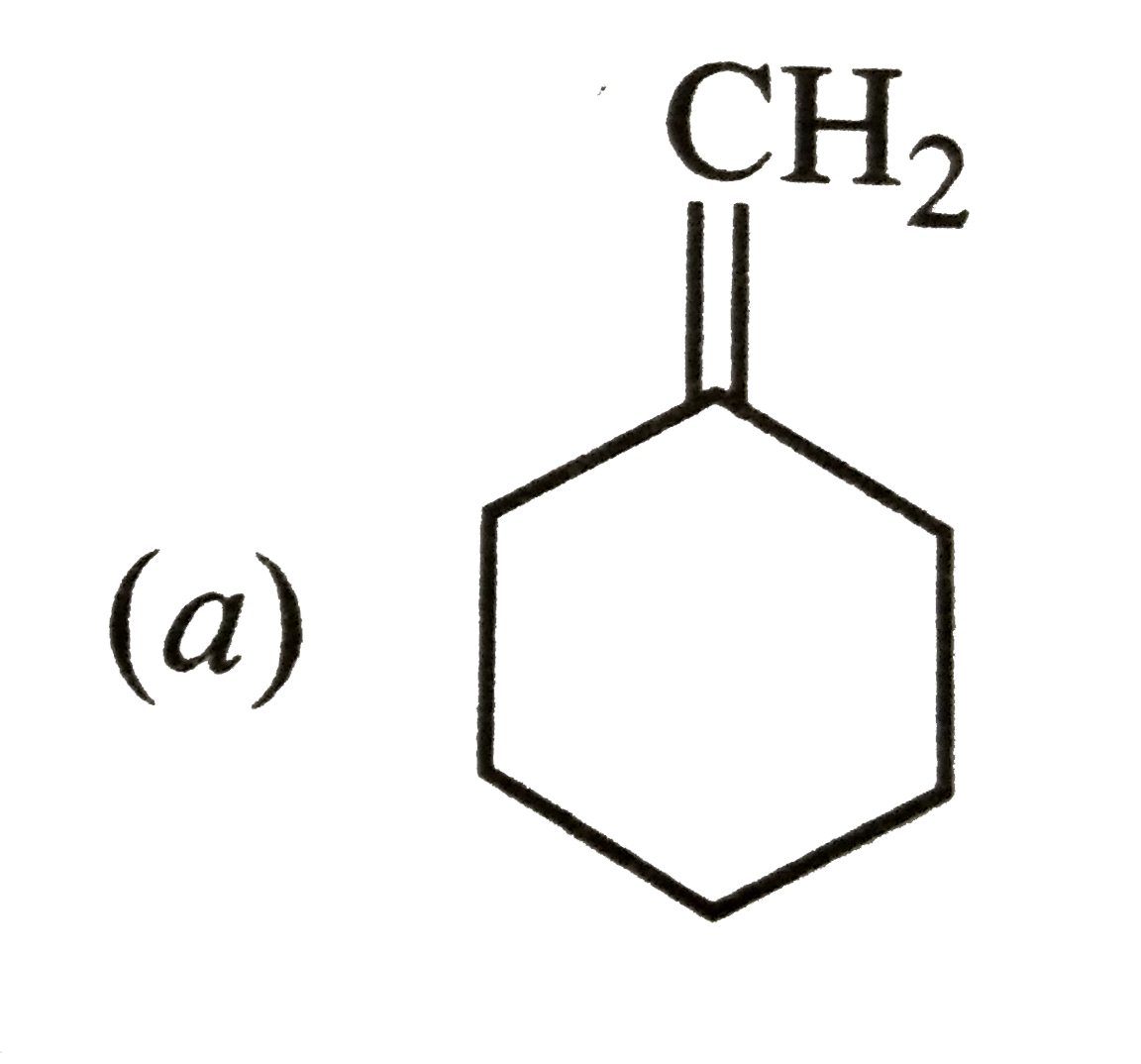
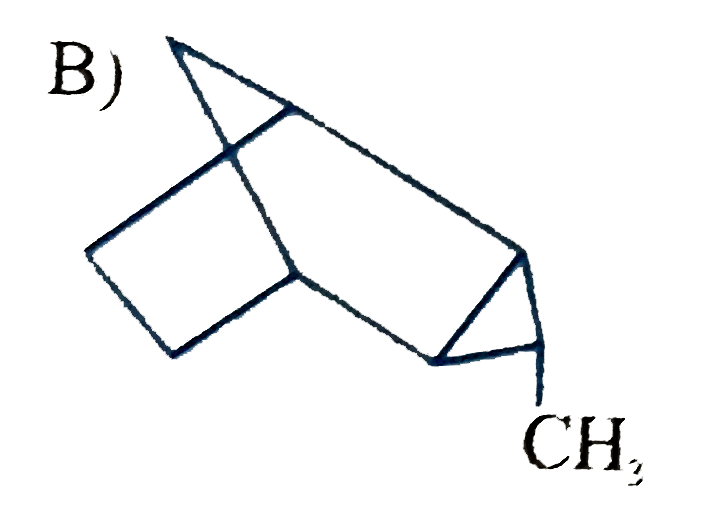
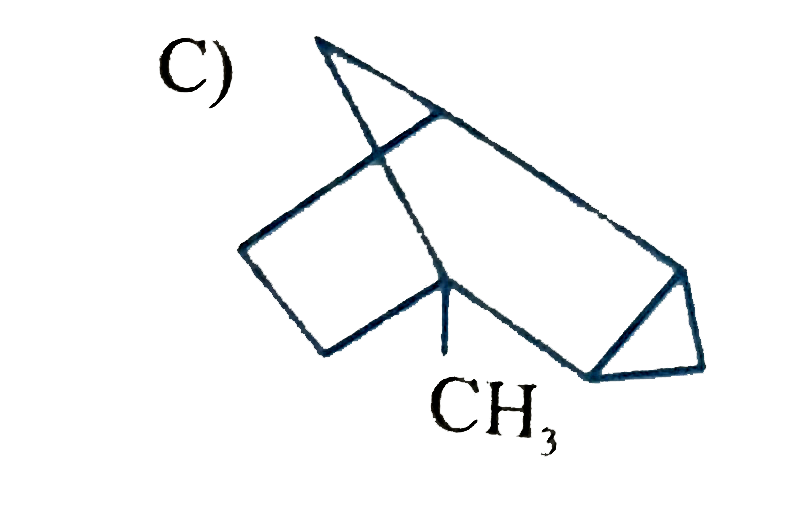
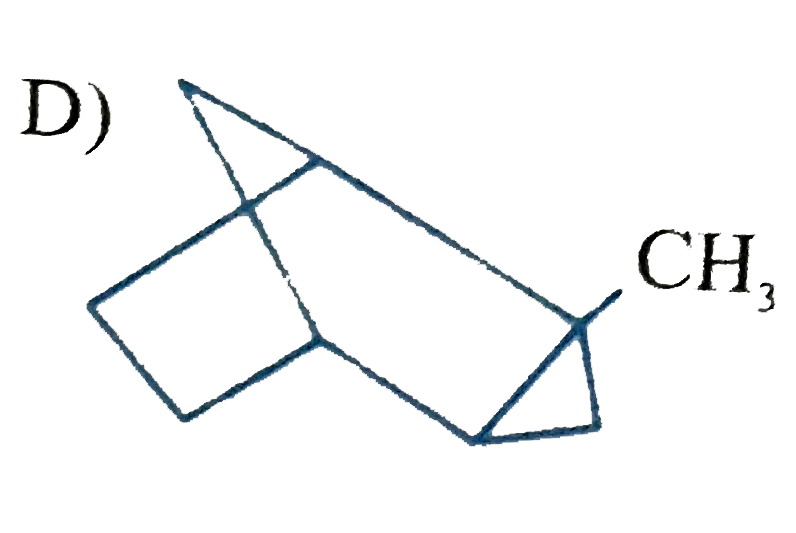
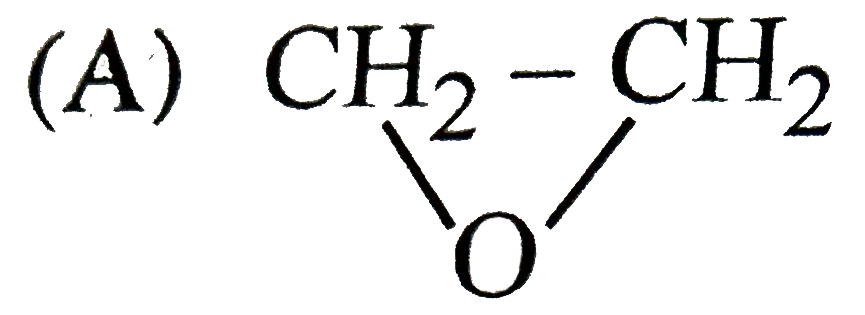
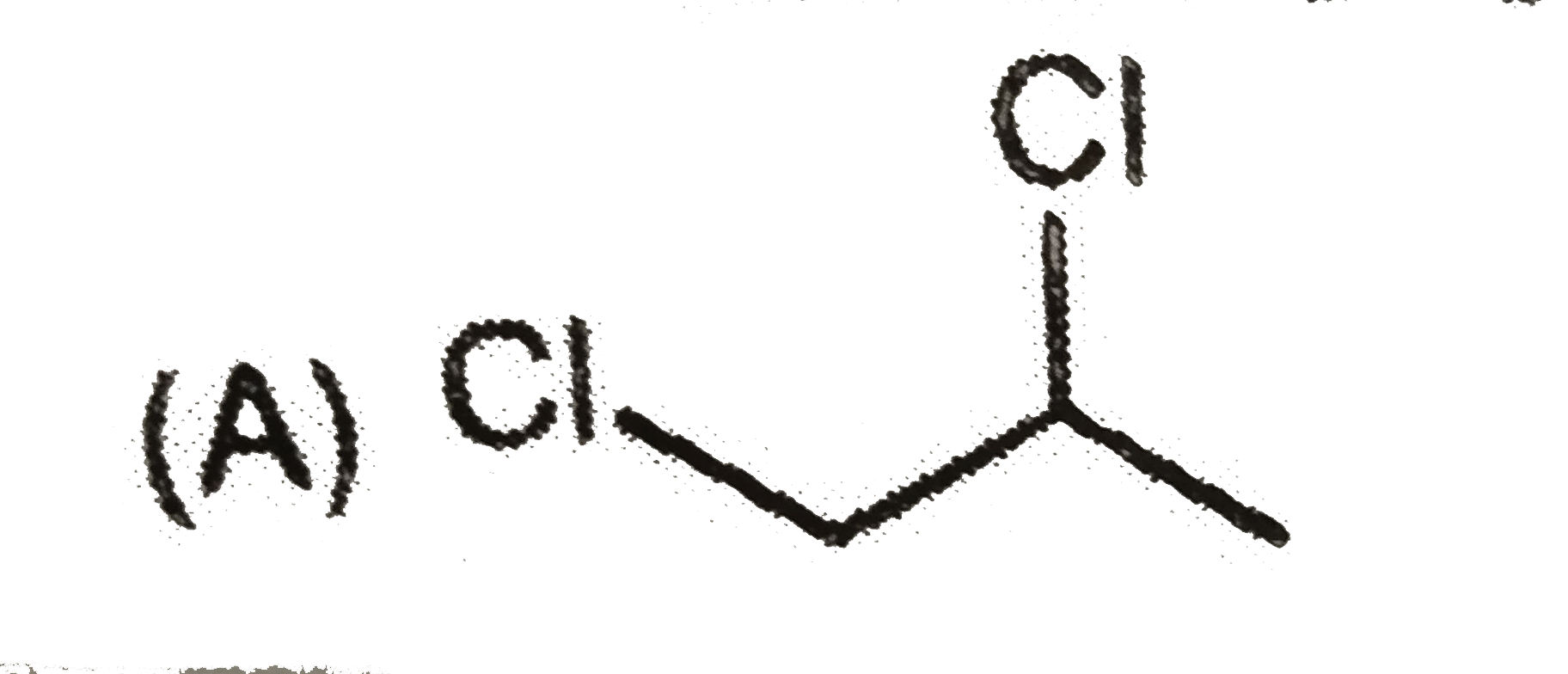
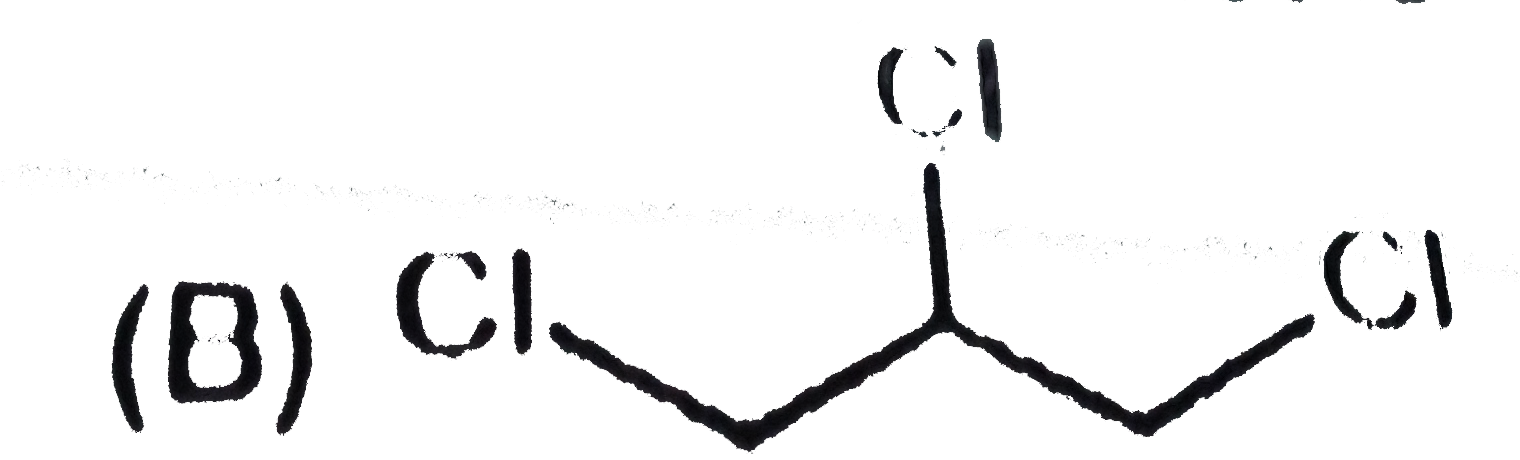
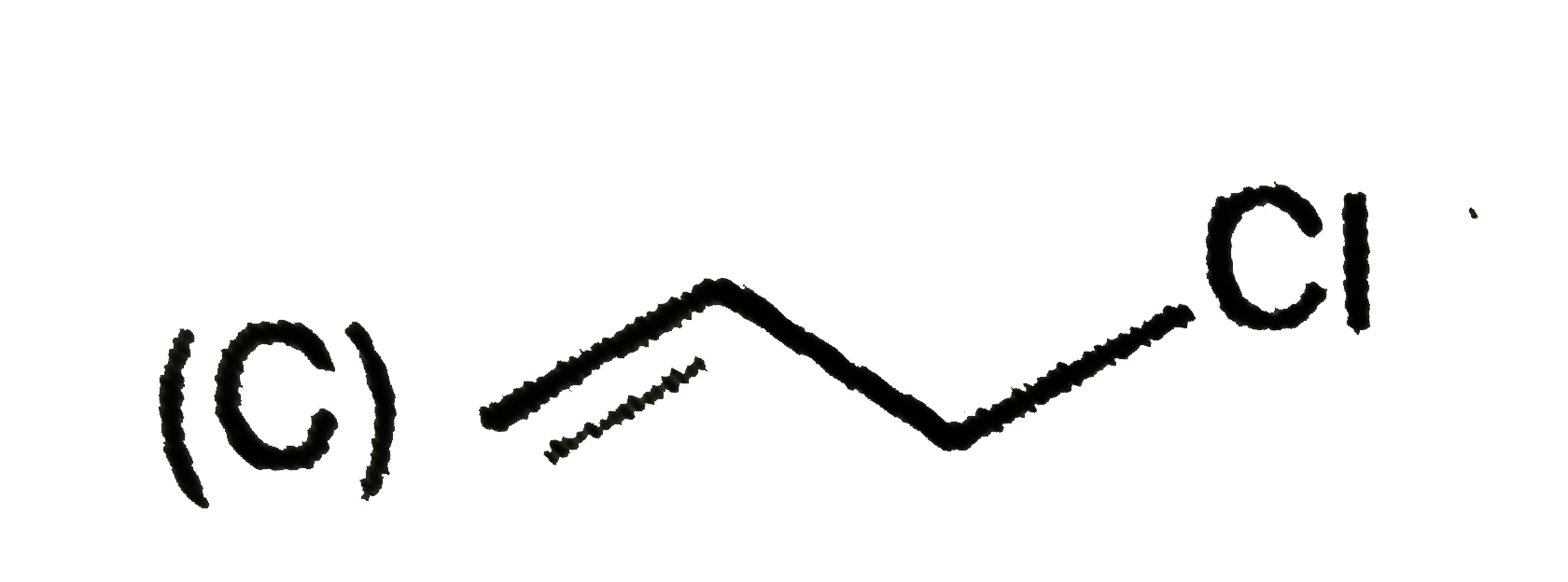
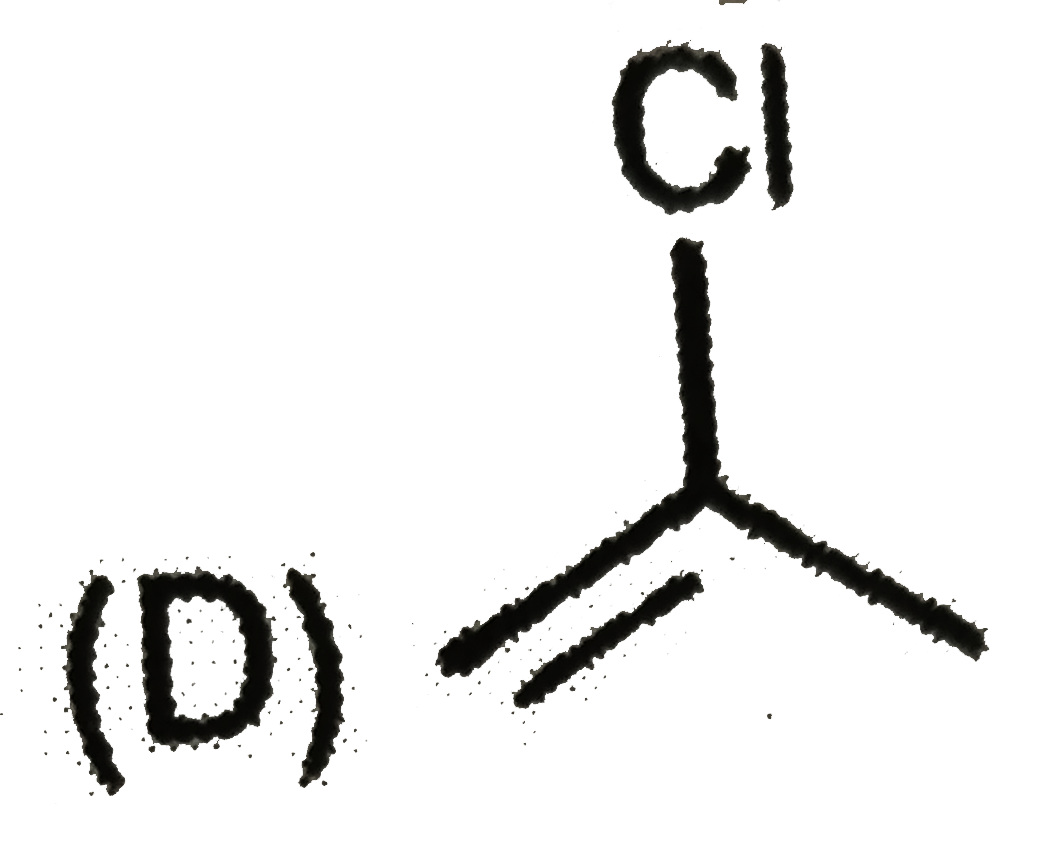
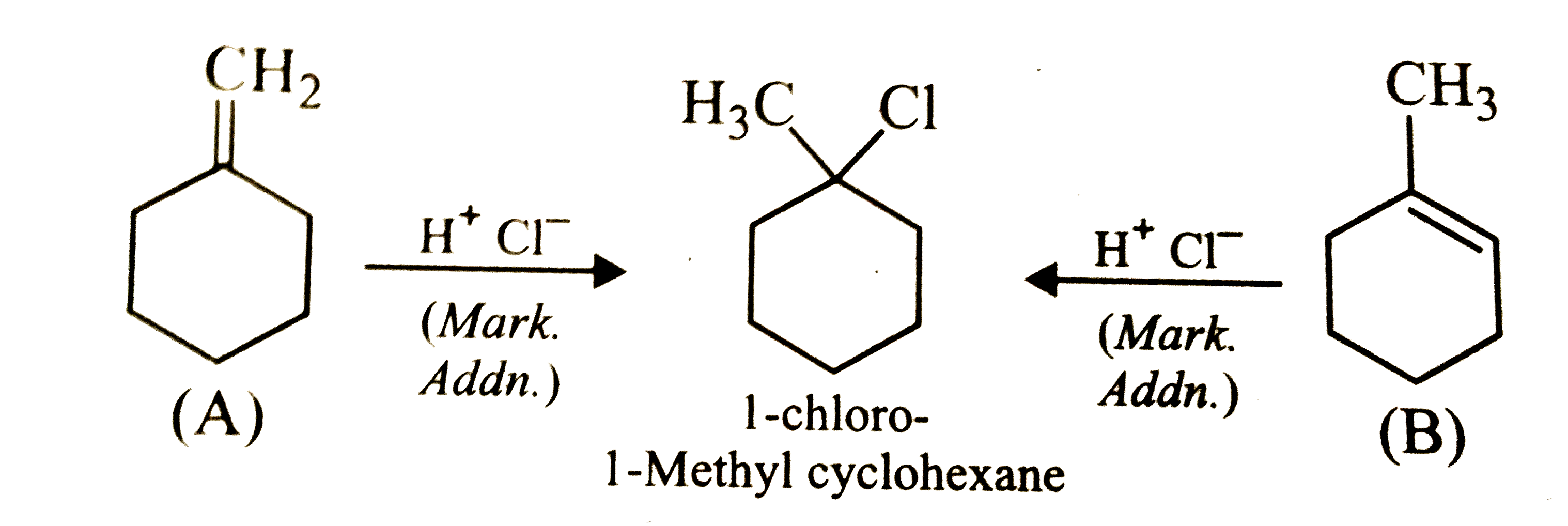
In the reaction with HCl, an alkene reacts in accordance with the Markovnikov's rule, to give a product 1-chloro-1- methylcyclohexane. The possible alkene is: |
|
Answer»

|
|
| 4. |
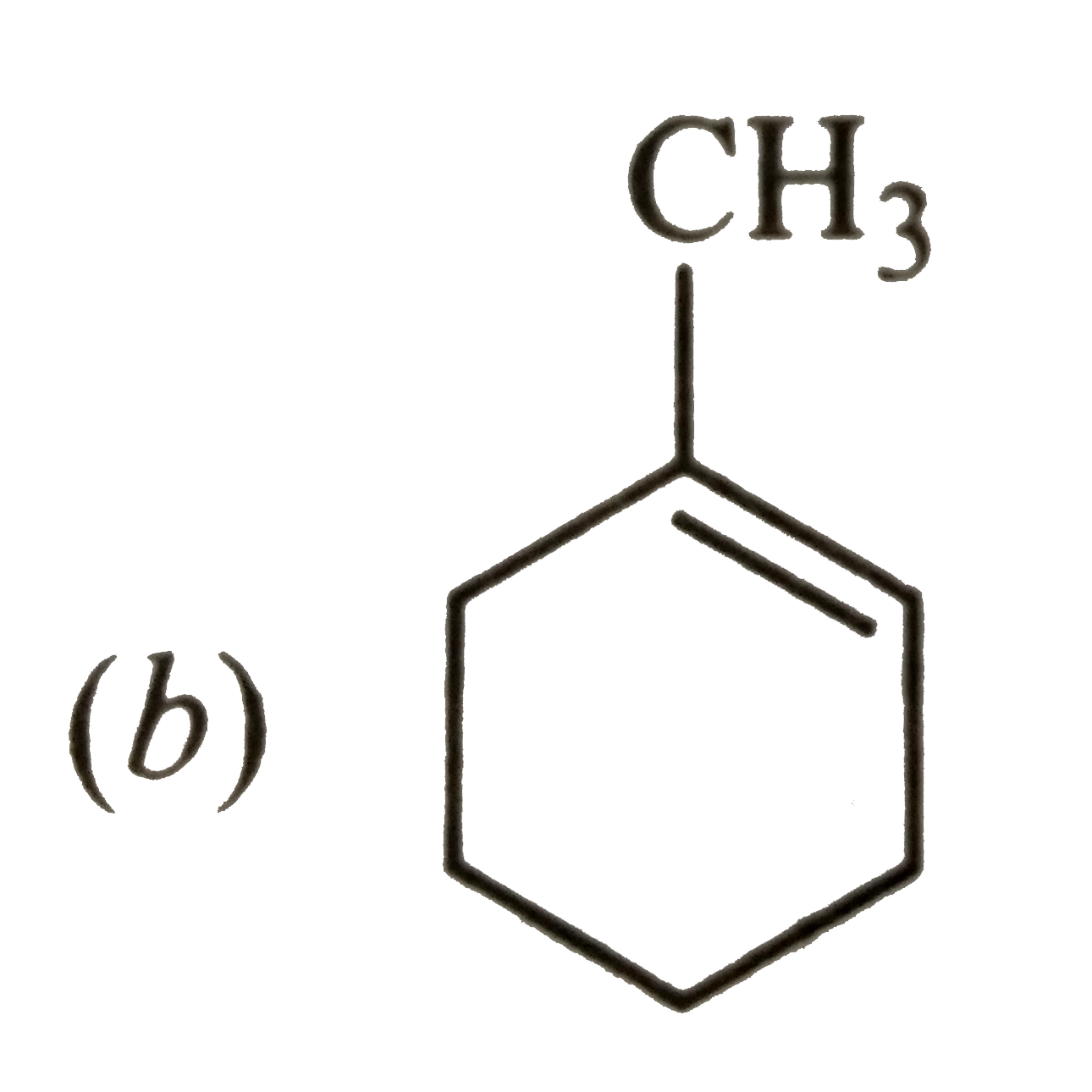
In the reaction with HCl , an alkene reacts in accordance with the Markovnikov's rule to give a product 1-chloro-1-methylcyclohexane. The possible alkene is |
|
Answer»
|
|
| 5. |
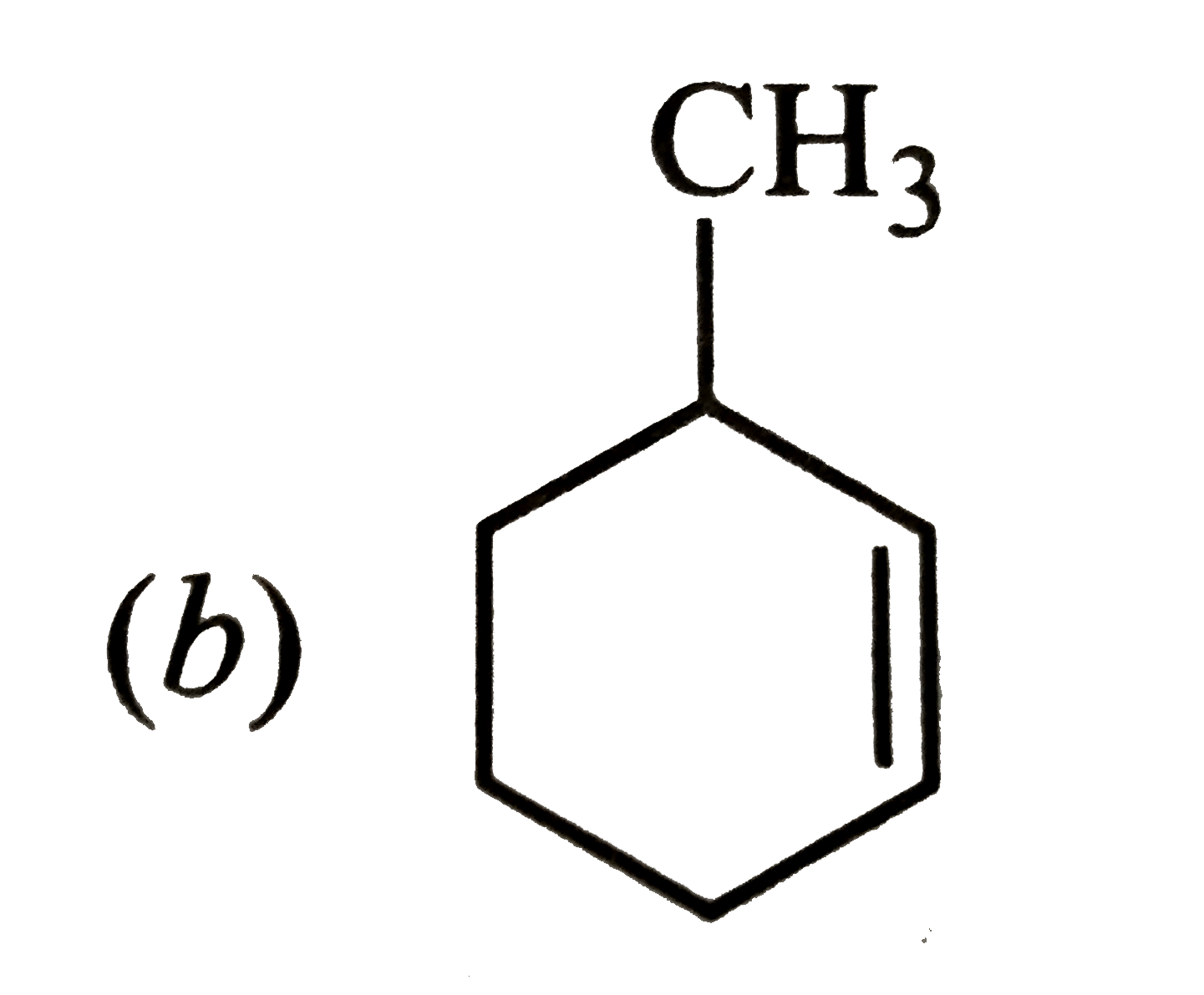
In the reaction with HCl, an alkene reacts in accordance with Markovnikov's rule to give a product 1-chloro-1-methylcyclohexane. The possible alkene is : |
|
Answer»

|
|
| 6. |
In the reaction the stoichiometry coefficients of Cr_(2)O_(7)^(2-), NO_(2)^(-) and H^(+) respectively are Cr_(2)O_(7)^(2-)+NO_(2)^(-)+H^(+)rarrCr^(3+)+NO_(3)^(-)+H_(2)O |
|
Answer» 1,3 and 8 |
|
| 7. |
In the reaction the stoichiometry coefficients of Cr_(2)O_(7)^(2-) , NO_2^(-) and H^(+) respectively are Cr_(2)O_(7)^(2-) +NO_(2)^(-) +H^(+) rarr Cr^(3+) +NO_(3)^(-) +H_(2)O |
|
Answer» 1,3,8 |
|
| 8. |
In the reaction The product X is. |
|
Answer»
|
|
| 9. |
In the reaction, the product (C ) is: C_(6)H_(5)NH_(2)underset(0-5^(@)C)overset(NaNO_(2)+HCl)rarr (A) underset(KCN)overset(CuCN)rarr (B) overset(H^(+)//H_(2)O)rarr(C ) |
|
Answer» `C_(6)H_(5)CH_(2)CH_(2)NH_(2)` |
|
| 10. |
In the reaction SO_(2)+1/2 O_(2) overset(V_(2)O_(5))to SO_(3) the change in the oxidation state of vanadium is form V^(5+) to |
|
Answer» `V^(2+)` |
|
| 11. |
In the reaction SnO_2 + nC rarr Sn + nCOthen the value of n is _____ |
|
Answer» Balance O by multiplying R.H.S. CO by 2 which will balance the number of C atoms on boths ides also. HENCE n = 2 |
|
| 12. |
In the reaction sequence, What is the relationship between A & B. |
|
Answer» |
|
| 13. |
In the reaction sequence, CH_(2)=CH_(2)underset("acid")overset("hypochlorous")rarrA overset(R)rarrunderset(CH_(2)OH)overset(CH_(2)OH)("|") A and R are respectively |
|
Answer»
|
|
| 14. |
In the reaction : S + (3)/(2)O_(2)rarr SO_(3)+ 2 x kJand SO_(2)+(1)/(2)O_(2) rarr SO_(3)+y kJheat of formation of SO_(2) is |
|
Answer» `x-y` `SO_(2)+(1)/(2) O_(2) rarr SO_(3) , DeltaH = - y kJ `.....(ii) Aim `: S + O_(2) rarr SO_(2), DeltaH =?` EQN. (i) - Eqn. (ii) gives `S+ O_(2) -SO_(2) rarr 0,DeltaH = - 2 x - ( - y) = y - 2x` |
|
| 15. |
In the reaction PCl_(5(g)) hArr PCl_(3(g)) + Cl_(2(g)) , the equilibrium is established by to take first Cl_2 then decomposition of PCl_5 will be increase or decrease ? |
| Answer» SOLUTION :DECREASE | |
| 16. |
In the reaction PCl_(5)(g)hArrPCi_(3)(g)+Ci_(2)(g) a graph in plotted to show the variation of rate of forward and backward reactions against time. Which of the following is correc? QgtK Q=K QltK |
| Answer» SOLUTION :N//A | |
| 17. |
In the reaction P_(4)+3OH^(-)+3H_(2)Orarr 3H_(2)PO_(2)^(-)+PH_(3) phosphorus is undergoing |
|
Answer» oxidation |
|
| 18. |
In the reactionoverset(NaOH//200^(@) C)tooverset(H^(oplus)//H_(2)O)tothe major product is : |
|
Answer» |
|
| 19. |
In the reaction of sodium thiosulphate with I_(2)in aqueous medium the equivalent weight of sodium thiosulphate is equal to |
|
Answer» Molar MASS of sodium thiosulphate `:.2S_(2)O_(3)^(3-) rarr S_(4)O_(6)^(2-) +2e^(-)` Equivalent weight of `Na_(2)S_(2)O_(3) . 5H_(2)O` `= ("Mol. Wt.")/(1) = (248)/(1) = 248` |
|
| 20. |
In the reaction of sodium thiosulphate with 12 in aqueous medium the equivalent weight of sodium thiosulphatc is equal to |
|
Answer» MOLAR mass of sodium this sulphate |
|
| 21. |
In the reaction of phenol with CHCl_(3) and aqueous NaOH at 70^(@)C (343K), the electrophile attacking the ring is : |
|
Answer» `CHCl_(3)` |
|
| 22. |
In the reaction of oxalate with permanganate in acidic medium, the number of electrons involved in producing one molecule of CO_(2) is ___ |
|
Answer» Solution :`2MnO_(4)^(-)+5C_(2)O_(4)^(2-)+16H^(+)to2Mn^(2+)+10CO_(2)+8H_(2)O` `therefore5C_(2)O_(4)^(-2)to10CO_(2)+10bare` Total 10 ELECTRONS for 10 `CO_(2)` molecules so 1 ELECTRON per `CO_(2)` MOLECULE. |
|
| 23. |
In the reaction of KMnO_(4) with ferrous ion in an acidic medium KMnO_(4) oxidised ferrous ion to ferric ion and itself gets reduced to manganous salt.The amountof ferrous ions oxidised 100 mL of 0.2 (N) KMnO_(4) solution |
|
Answer» 1.117 G |
|
| 25. |
In the reaction of chlorine with dry slaked lime, the oxidation number of chlorine changes i) from -1 to +1 ii) from + 1 to -1 iii) from zero to -1 iv) from zero to +1 The correct combination is |
|
Answer» Only II and III are correct |
|
| 26. |
In the reaction NO_(2)^(-) +OCl^(-) rarr NO_(3)^(-) +Cl^(-) the oxidate state of chlorine |
|
Answer» Does not CHANGE 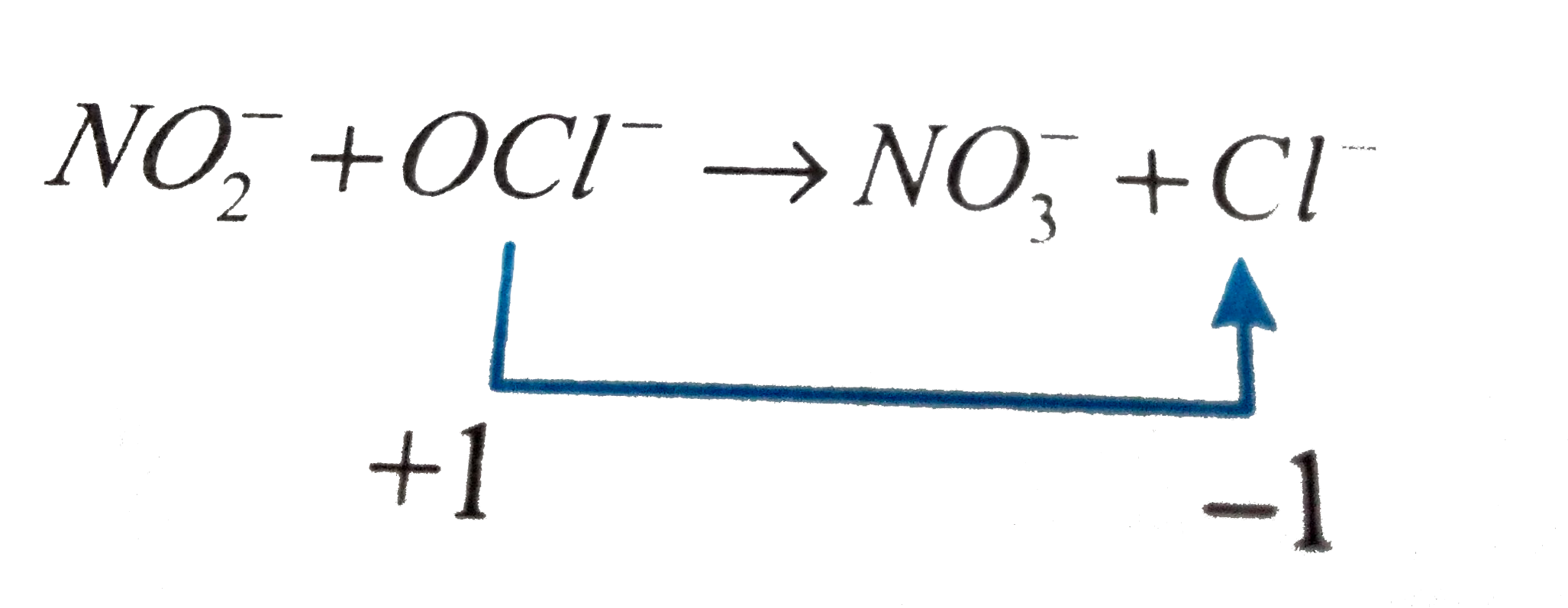
|
|
| 27. |
In the reaction NH_2+H_2O to NH_(4)^(+)+Ooverline(H) NH_(3) is acidic in nature. The reason for its acidity is ________. |
|
Answer» Acceptance of ONE `H^(+)` from WATER |
|
| 28. |
In the reaction, NaOH + H_(2)O + NaOH + H_2 |
|
Answer» `H^(-)`is oxidised |
|
| 29. |
In the reaction NaOH+Al(OH)_(3)rarrNaAlO_(2)+H_(2)O,"the "("M.wt")/("Eq.wt")" of "Al(OH)_(3) is________ |
|
Answer» |
|
| 30. |
In the reaction N_(2(g)) + O_(2(g)) hArr 2NO_((g)) , Delta H=+ 180 kJ On increasing the temperature the production ofNO |
|
Answer» Increases |
|
| 31. |
In the reaction N_(2)(g)+3H_(2)(g) hArr 2NH_(3)(g) , the value of the eqilibrium constant depends on ......... |
| Answer» SOLUTION :the TEMPERATURE | |
| 32. |
In the reaction N_2 + 3H_2 iff 2NH_3 + x kCal, one mole of N_2 reacts with 3 moles of H_2 at equilibrium.. Then the valueofalpha( degree of dissociation ) is approximately ………. . P is the pressure at equilibrium |
|
Answer» `(p(sqrt(27K_p)))/(8) ` `{:( , N_(2) , + , 3 H_(2) hArr 2 NH_(3)) , ("Initial moles" , 1 ,, 3 ""0), ("Moles of EQUILIBRIUM" , (1- alpha) ,, (3 - 3 alpha) "" 2alpha):}` `K_(P) = ((P_(NH_(3)))^(2))/((P_(N_(2))) (P_(H_(2)))^(3)) = (((2X)/(4 - 2alpha))^(2)p^(2))/([(( 1- alpha)/(4 - alpha))^(P)][(3(1 - a)P)/(4 - alpha)]^(3)) = (4 alpha^(2) p^(2))/((4 - 2 alpha)^(2)) xx ((4 - alpha)^(4))/((1 - alpha)^(4) P^(4) 27)` `K_(P) = (4 alpha^(2) (4 - 2 alpha)^(2))/(27 (1- alpha)^(4) P^(2)) = (16 alpha^(2) (2 - alpha)^(2))/(27 P^(2) (1 - alpha)^(4)) = (16 alpha^(2) (2)^(2))/(27 P^(2) (1)^(4)) { because alpha lt lt 1}` `implies sqrt((27 K_(P)^(2))/(64))= alpha implies alpha = (P sqrt(27 K_(P)))/(8)` |
|
| 33. |
In the reaction MnO_(4)^(-)+SO_(3)^(2-)+H^(+)toMn^(2+)+SO_(4)^(2-) the number of H^(+) ions involved is |
|
Answer» 2 |
|
| 34. |
In the reaction MnO_(2)+4 HCIrarr MnCI_(2) +CI_(2)+2H_(2)O which species is oxidised |
| Answer» SOLUTION :HCI is oxidised to `CI_(2)` since the O.N since the O.N of CI INCREASES from -1 in HCI to 0 in `CI_(2)` | |
| 35. |
In the reaction M + O_(2)rarrMO_(2) (superoxide) the metal M is |
|
Answer» Li |
|
| 36. |
In the reaction, KMnO_(4)+Na_(2)S_(2)O_(3)+H_(2)OtoMnO_(2)+SO_(4)^(2-)+OH^(-)- (assume formula masses of KMnO_(4) and Na_(2)S_(2)O_(2)are M_(1)and M_(2) respectively) - |
|
Answer» the EQUIVALENT mass of `KMnO_(4)=M_(1)//(3)` |
|
| 37. |
In the reaction I_(2)+I^(-) rarr I_(3)^(-), which is the Lewis base ? |
|
Answer» `I_(2)` |
|
| 38. |
In the reaction, I_(2)+2S_(2)O_(3)^(2-) to 2I^(-)+S_(4)O_(6)^(2-) equivalent weight will be equal to : |
|
Answer» `4//6` of MOLECULAR WEIGHT |
|
| 39. |
In the reaction, I_(2)+2S_(2)O_(3)^(2-) to 2I^(-)+S_(4)O_(6)^(2-) equivalent mass of iodine is : |
|
Answer» EQUAL to its MOLECULAR MASS |
|
| 40. |
In the reaction, I_(2)+2KClO_(3)rarr2KIO_(3)+Cl_(2) i) Iodine is oxidised ii) Chlorine is reduced iii) Iodine displaces chlorine iv) KCIOP_(3) is decomposed The correct combination is |
|
Answer» Only i & iv are CORRECT 2) `implies CI^(+5) rarrCl_(2)^(0) implies`reduction 3) LOWER halogen displaces higher halogen . |
|
| 41. |
In the reaction, H_(2)S+H_(2)O_(2) to S+2H_(2)O: |
|
Answer» `H_2S` is an ACID and `H_2O_2` is a BASE |
|
| 42. |
In the reaction, H_(2)O_(2)+PbS to H_(2)O+PbSO_(4) the increase in the oxidation number of sulphur is |
|
Answer» 2 units |
|
| 43. |
In the reaction :- H_2C = CH - CH = CH_2 underset(180^(@)C)overset(Br_2)toX 'X'will be |
|
Answer» `BR-CH_2 - CH = CH - CH_2-Br` 
|
|
| 44. |
In the reaction H- C -= CH underset((ii) CH_(3)CH_(2)Br)overset((i)NaNH_(2)//liq. NH_(3))to X underset((ii) CH_(3)CH_(2)Br)overset((i)NaNH_(2)//liq. NH_(3))to Y |
|
Answer» X = but 2-ync, Y = HEX-2-yne 
|
|
| 45. |
In the reaction H-C-=CH underset((ii) CH_(3)CH_(2)Br)overset((I) NaNH_(2)//liq. NH_(3))rarr X underset((ii) CH_(3)CH_(2)Br)overset((I) NaNH_(2)//liq.NH_(3))rarr Y X and Y are . |
|
Answer» X=2-Butyne , Y = 3-Hexyne 
|
|
| 46. |
In the reaction given Mg(s)+NO_(3)^(ɵ)+H_(2)OtoMg(OH)_(2)(s)+overset(ɵ)(O)HO(aq.)+NH_(3)(g) 20 " mL of " sample of NO_(3)^(ɵ) solution is treated with Mg. The NH_(3)^(g) was passed into 50 " mL of " 0.1 M HCl. The excess HCl requried 30 " mL of " 0.1 M KOH for its neutralisation calculate the molarity of NO_(3)^(ɵ) ions in the original sample? |
|
Answer» Solution :Balance the EQUATION in basic medium `cancel(8e^(-))+6H_(2)O+NO_(3)^(ɵ)toNH_(3)+9overset(ɵ)(O)H` `underline(2(ɵ)(O)H+"Mg"to overset(+2)(M)g(OH)_(2)+cancel(2e^(-))]xx4)` `underline(6H_(2)O+NO_(3)^(ɵ)+4"Mg"toNH_(3)+4Mg+4Mg(OH)_(2)+overset(ɵ)(O)H)` `thereforem" Eq of "NH_(3) "formed"=m" Eq of "HCl" used for "NH_(3)` `=(50xx0.1xx1)-(30xx0.1xx1)` `=2 mEq` Thus, m" Eq of "`NH_(3)` for valence factor of `8=8xx2=16` Also, mEw of `NO_(3)^(ɵ)=m" Eq of "NH_(3)` `=8xx2=16mEq` `N_(NO_(3)^(ɵ))xxV_(mL)=16` `therefore N_(NO_(3)^(ɵ))xx20=16` `N_(NO_(3)^(ɵ))=(16)/(20)=0.8M` `M_(NO_(3)^(ɵ))=(0.8)M` `M_(NO_(3)^(ɵ))=(0.8)/(8)=0.1M` |
|
| 47. |
In the reaction, H-C-=C-H underset((ii)CH_3CH_2Br)overset((i)NaNH_2//liq. NH_3)to X underset((ii)CH_3CH_2Br) overset((i)NaNH_2//liq. NH_3)to Y X and Y are |
|
Answer» X=2-butyne, Y=2-hexyne |
|
| 48. |
In the reaction given below identify the species undergoing oxidation and reactioin : (i) CH_(4)(g)+2O_(2)(g)rarr CO_(2)(g)+2H_(2)O(i) (ii)H_(2)S(g)+O_(2)(g)rarr2s(s)+2H_(2)O(l) (iii)CH_(2)=CH_(2)(g)+H_(2)(g)rarrH_(3)C-CH_(3)(g) (iv)HgO(s)rarr2Hgl)+O_(2)(g) (v)Mg(s)+S(s)rarr MgS(s) |
|
Answer» Solution :(i) `CH_(4)` is oxidised to `cO_(2)` while `O_(2)` is reduced to `H_(2)O` (ii) `H_(2)S` us ixudused TI S wile `O_(2)` is reduced to `H_(2)O` (III) `CH_(2)=cH_(2)` is rduced to`CH_(3) rarr CH_(3)` while `H_(2)` is oxidised to `CH_(3)-CH_(3)` (iv) `HG^(2+)` is reduced to Hg whle `O^(2-)` is oxidised to `O_(2)` (v)Mgis oxiised to `Mg^(2+)` while S is reduced to `S^(2-)` |
|
| 50. |
In the reaction Fe(OH)_(3)(s)hArrFe^(3+)(aq)+3OH^(-)(aq), if the concentration of OH^(-) ions is decreased by 1/4 times, then the equilibrium concentration of Fe^(3+) will |
|
Answer» not changed `K_(C)=[Fe^(3+)]xx(([OH^(-)])/(4))^(3)=(1)/(64)[Fe^(3+)][OH^(-)]^(3)` To MAINTAIN `K_(C)` as constant, comcentration of `Fe^(3+)` will increase by 64 times. |
|